
The Basic Structure of a Mortgage
When you take out a mortgage, you're entering a formal agreement with a lender - a bank, credit union, or mortgage company - who fronts the money to purchase the home. You then repay that amount, plus interest, through regular monthly payments over the life of the loan.
The loan is secured, meaning the home itself serves as collateral. If you stop making payments and default, the lender has legal authority to foreclose - taking ownership of the property to recover their funds. This is what distinguishes a mortgage from an unsecured loan like a credit card.
Two core figures define your mortgage: the principal (the amount borrowed) and the interest rate (the lender's annual charge, expressed as a percentage). Both shape what you pay each month and how much the home ultimately costs you over time. For comparison, auto loan terms follow similar mechanics, though the timelines and stakes differ considerably.
How Interest Accrues Over Time
Mortgage interest isn't charged on what you still owe at the end - it accrues daily on your current balance and is bundled into each monthly payment. This is why early mortgage payments feel like they barely dent the loan: a large portion covers interest, with only a fraction reducing the principal.
This distribution shifts gradually through a process called amortization. By the midpoint of a 30-year mortgage, your payment split has rebalanced noticeably - more goes toward principal than interest. By the final years, almost the entire payment is reducing the loan balance.
30 years
Most common U.S. mortgage loan term
According to Freddie Mac and industry surveys, the 30-year fixed-rate mortgage is the dominant product used by American homebuyers.
~$200K+
Typical interest paid on a 30-year loan
On a median-priced home with a mid-range interest rate, total interest paid over 30 years commonly exceeds the original loan principal, per standard amortization calculations.
65%+
U.S. homeownership rate (approximate)
The U.S. Census Bureau consistently reports homeownership rates in the mid-60% range, with the majority of homeowners financing their purchase through a mortgage.
Understanding how interest stacks up over decades is one reason mortgage interest rates matter so much - even a fraction of a percent difference compounds into tens of thousands of dollars over a 30-year term.
What Goes Into Your Monthly Payment
Most homebuyers encounter their monthly obligation as a single number, but it typically bundles four components, often abbreviated as PITI:
- Principal - the portion reducing your loan balance
- Interest - the lender's fee on the outstanding balance
- Taxes - property taxes, usually collected into escrow by the lender
- Insurance - homeowners insurance, and private mortgage insurance (PMI) if your down payment was under 20%
Escrow accounts are managed by the lender to ensure tax and insurance bills are paid on time, protecting their interest in the property. Your actual out-of-pocket monthly cost is therefore higher than principal and interest alone - sometimes significantly, depending on your property tax rate and insurance premiums.
Loan Terms, Down Payments, and What Lenders Evaluate
The two most common mortgage terms in the U.S. are 15 years and 30 years. A 30-year mortgage lowers monthly payments by spreading repayment further, but results in substantially more total interest paid. A 15-year mortgage costs more each month but builds equity faster and carries a lower interest rate.
Your down payment - the share of the purchase price you pay upfront - determines how much you need to borrow and affects your loan terms. A larger down payment reduces your principal, often secures a better rate, and can eliminate the need for PMI. Requirements vary by loan program; government-backed loans like FHA and VA mortgages offer more flexible thresholds than conventional loans.
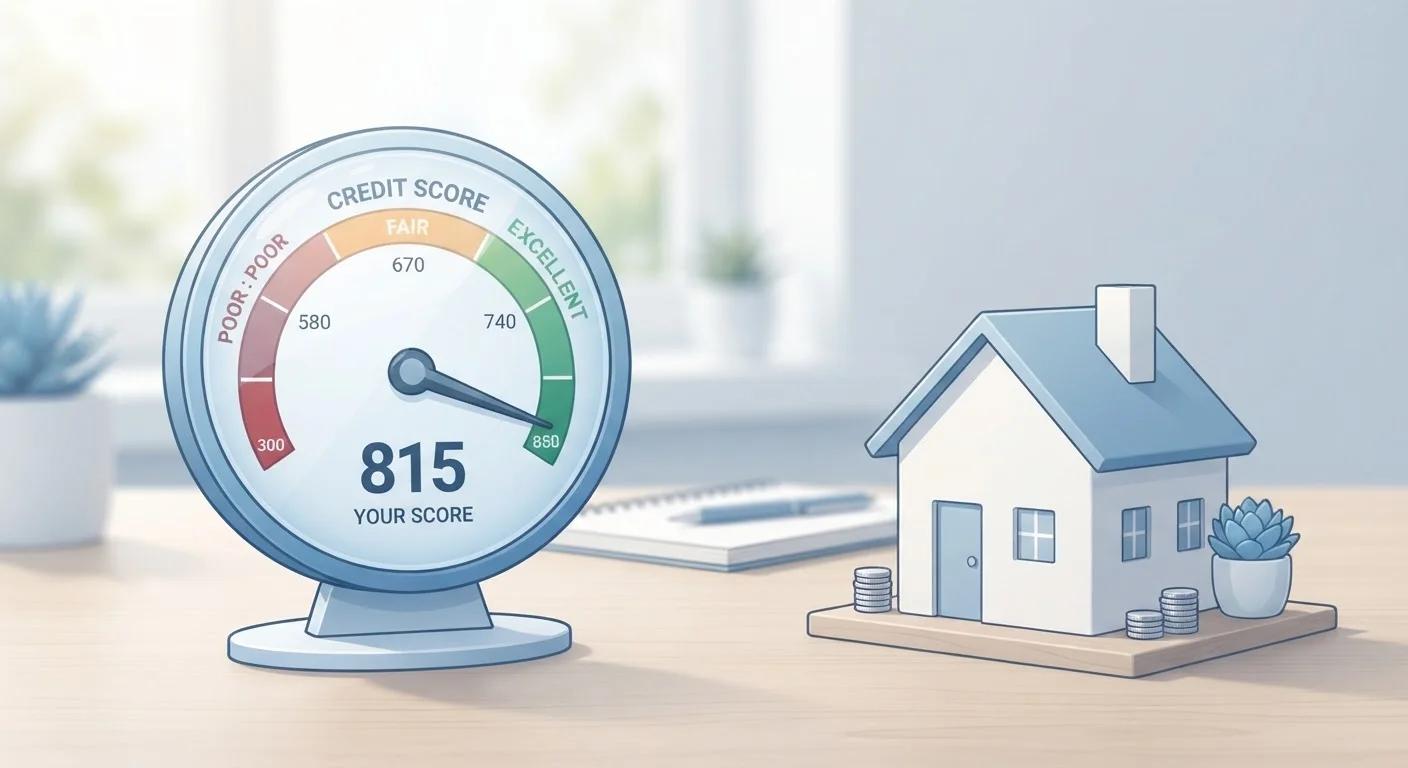
Lenders assess several factors before approving a loan: your credit history, income stability, existing debts, and the home's appraised value. Your credit score plays a particularly central role - it directly influences which loan products you qualify for and what interest rate you'll be offered. And if you're curious about navigating the broader homebuying process, separating myth from reality can save both money and stress.
Once you're ready to compare loan structures in detail, our breakdown of fixed vs. adjustable-rate mortgages is a natural next step.
This article is for general informational purposes only and does not constitute financial, legal, or mortgage advice. Readers should consult a licensed mortgage professional or financial adviser regarding their individual circumstances.