Why Lenders Care About Your Credit Score
When you apply for a mortgage, a lender is essentially deciding whether to loan you a large sum of money - often hundreds of thousands of dollars - over a period of 15 to 30 years. Your credit score gives them a standardized, data-driven way to estimate the risk that you will not repay as agreed. The higher your score, the lower the perceived risk, and the more willing lenders are to offer favorable terms.
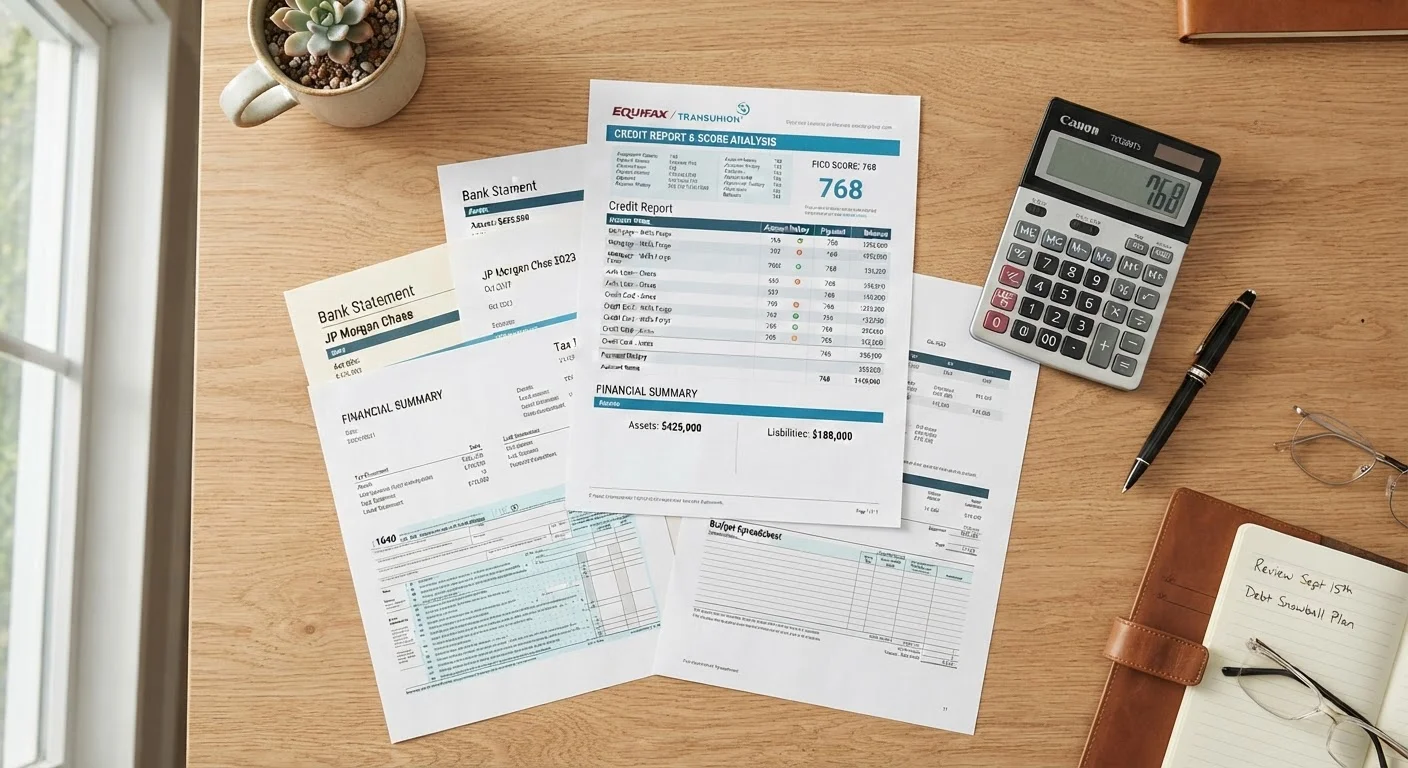
Credit scores draw on your full borrowing history: whether you pay bills on time, how much of your available credit you use, how long your accounts have been open, and whether you have recently applied for new credit. Each factor carries a different weight, with payment history - your track record of on-time payments - being the most influential. For a deeper look at the credit landscape, see our comprehensive credit and debt resource.
Lender Overlays Can Raise the Bar
Even when a government-backed program sets a minimum credit score, individual lenders are permitted to require higher scores - a practice known as a lender overlay. For example, an FHA loan may technically allow a 580 score, but a specific lender may set their own floor at 620. Shopping among multiple lenders is advisable, as overlays vary widely.
How Score Ranges Translate to Loan Options
Not all mortgages are created equal, and lenders set different eligibility thresholds depending on the loan type:
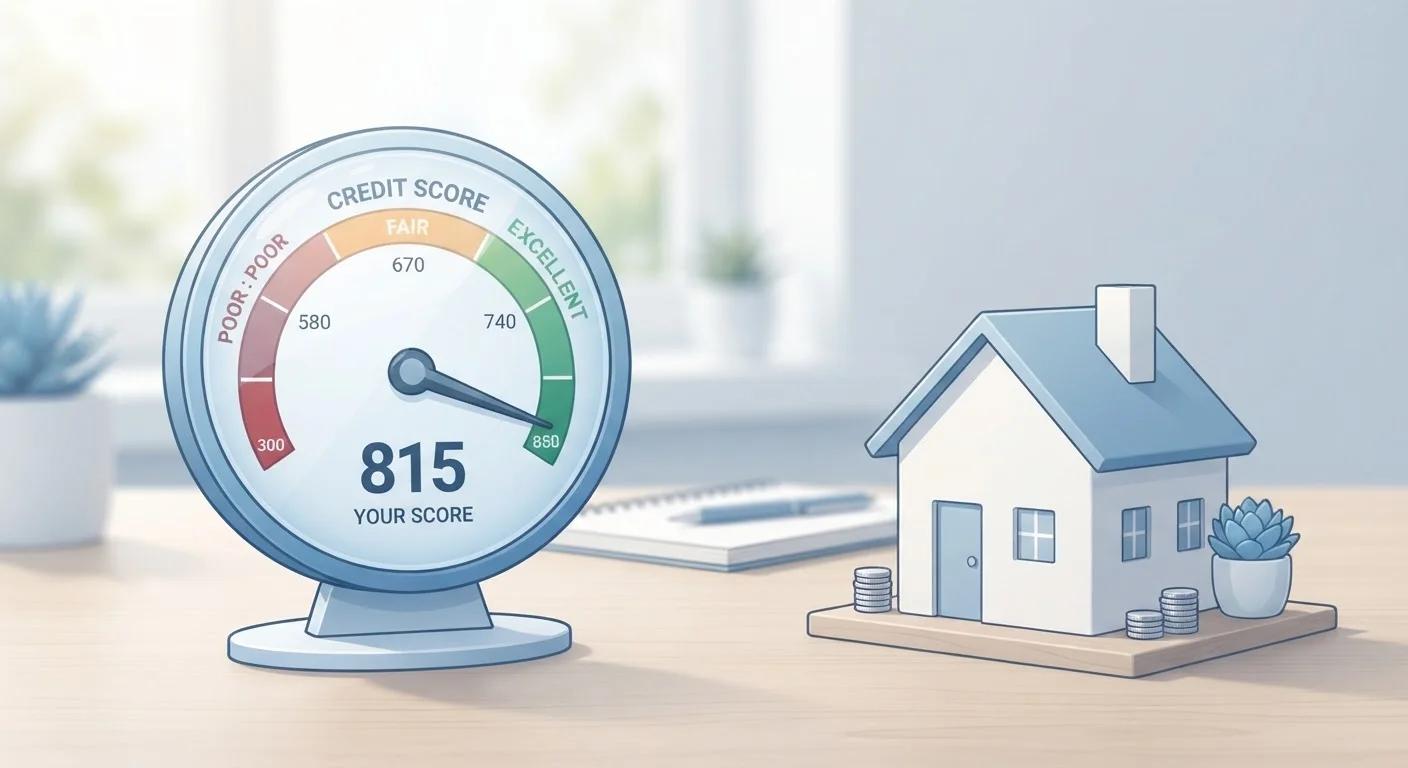
- Conventional loans - offered by private lenders and not government-backed - generally require a minimum score around 620. Borrowers with scores above 740 typically receive the most competitive rates.
- FHA loans - insured by the Federal Housing Administration - may allow scores as low as 500, though borrowers in the 500-579 range typically face a higher required down payment (around 10%). A score of 580 or above may qualify for the standard 3.5% down payment option.
- VA loans (for eligible veterans and service members) and USDA loans (for rural and some suburban buyers) do not set a universal minimum score by government rule, but individual lenders often apply their own overlays, commonly around 620.
Understanding which loan structure fits your financial situation is equally important. Fixed-rate and adjustable-rate mortgages carry different long-term cost profiles, and your credit score affects how you access each.
620
Typical minimum score for conventional loans
Most private lenders set 620 as the floor for conventional mortgage eligibility, though individual lender overlays vary.
~$60,000+
Extra interest on a 1% rate difference over 30 years
On a $300,000 30-year fixed mortgage, a one-point rate gap between credit tiers can cost the lower-score borrower this amount in additional interest.
5 factors
Components that make up your FICO Score
Payment history, amounts owed, length of credit history, credit mix, and new inquiries each contribute to the score lenders most commonly use.
The Rate Impact: Why Every Point Matters
Mortgage interest rates are not one-size-fits-all. Lenders use risk-based pricing, meaning borrowers with stronger credit profiles are offered lower rates, while those with weaker scores pay more. The difference between a rate offered to someone with a 760 score versus a 650 score can easily be one full percentage point or more.
On a $300,000 30-year fixed mortgage, a one-percentage-point difference in rate changes the monthly payment by roughly $170 and the total interest paid over the life of the loan by over $60,000. That makes the connection between credit health and long-term housing cost concrete and significant. To better understand how rates ripple through the broader market, see how mortgage interest rates shape the housing market.
Steps to Take Before You Apply
Knowing where your credit stands before approaching a lender puts you in a stronger position. Here is a practical starting point:
- Pull your credit reports. Federal law entitles consumers to free annual credit reports from the three major bureaus through AnnualCreditReport.com. Review each one for errors - inaccurate late payments or accounts that do not belong to you can drag down your score unjustly.
- Understand your score range. If your score is near a threshold (say, 618 when most conventional lenders require 620), modest improvement before applying can shift your options meaningfully.
- Avoid opening new credit accounts. Each new application triggers a hard inquiry and reduces average account age - both small negatives in scoring models. Hold off on any new credit products in the months leading up to your mortgage application.
- Keep existing balances low. Paying down revolving credit card balances can improve your credit utilization ratio relatively quickly.
Building sound credit habits over time is the most durable strategy. Credit habits worth building early explores evidence-backed behaviors that support a healthy profile. The Credit and Debt hub is also a useful ongoing reference as you navigate this process.
This article is for general informational purposes only and does not constitute financial or legal advice. Readers should consult a licensed financial professional or HUD-approved housing counselor for guidance tailored to their individual circumstances.