
Why Starting Early Matters
Your credit score isn't built in a day - it's the cumulative result of financial behaviors that compound over months and years. The scoring models used by most lenders, including the widely referenced FICO® Score, weigh factors like payment history, amounts owed, length of credit history, credit mix, and new credit. Understanding these factors is the first step; for a plain-language primer on the vocabulary involved, see key credit terms every consumer should know.
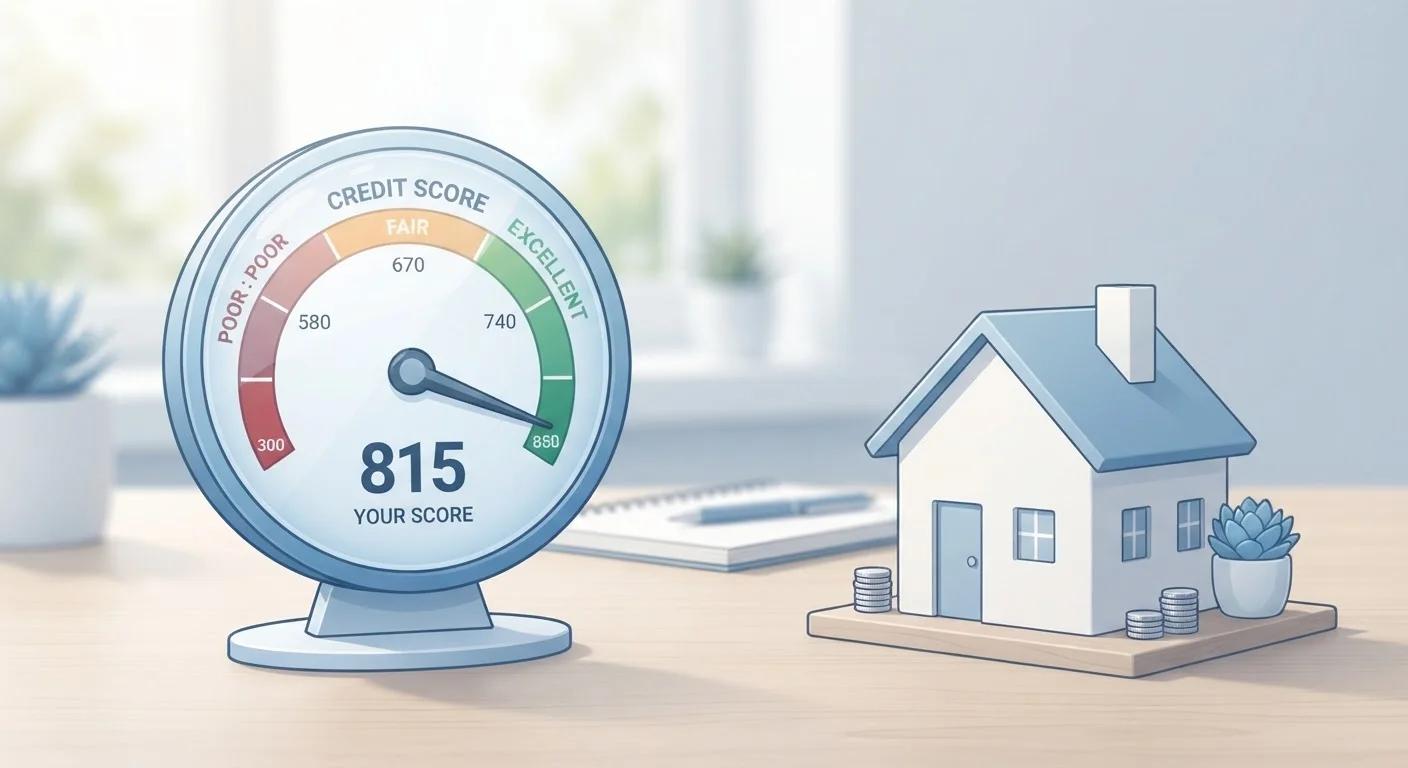
The earlier you establish consistent habits, the more time those behaviors have to accumulate positive history. Someone who starts paying bills on time at 22 arrives at 32 with a decade of clean payment history - a meaningful advantage when applying for a mortgage, auto loan, or other major credit. For a deeper look at how scores influence real borrowing costs, see how credit scores shape your mortgage options.
This article provides general financial education and is not personalized financial advice. Consult a qualified financial professional for guidance specific to your situation.
Core Practices That Build Credit Over Time
The following habits are grounded in how major credit scoring models actually work - not popular myths. For instance, carrying a monthly balance does not boost your score; carrying a balance won't help your credit score is a persistent misconception worth dispelling early.
Pay every bill on time, every month - automate minimum payments if needed.
Payment history typically accounts for around 35% of a FICO® Score, making it the single most influential factor. Even one missed payment can remain on your report for up to seven years, so prevention is far easier than recovery.
Keep your credit utilization ratio below 30%, and aim for below 10% when possible.
Credit utilization - the percentage of available revolving credit you're using - is the second-largest scoring factor. High utilization signals financial strain to lenders, while low utilization signals responsible management. Utilization is recalculated each reporting cycle, so improvements show up relatively quickly.
Preserve your oldest accounts and avoid unnecessary account closures.
Length of credit history - including the age of your oldest account and the average age of all accounts - influences roughly 15% of a FICO® Score. Closing accounts shortens this history and can raise your overall utilization ratio simultaneously.
Apply for new credit only when you have a clear reason and are likely to qualify.
Each application for new credit typically generates a hard inquiry, which can lower your score by a few points and remains on your report for two years. Multiple applications in a short period are especially impactful. Strategic, spaced-out applications reduce this drag.
Diversify your credit mix gradually and intentionally.
Having experience with different types of credit - revolving accounts like credit cards and installment loans like auto or student loans - can positively affect about 10% of your score. However, taking on debt solely to diversify isn't advisable; the other factors carry far more weight.
Monitoring and Protecting Your Profile
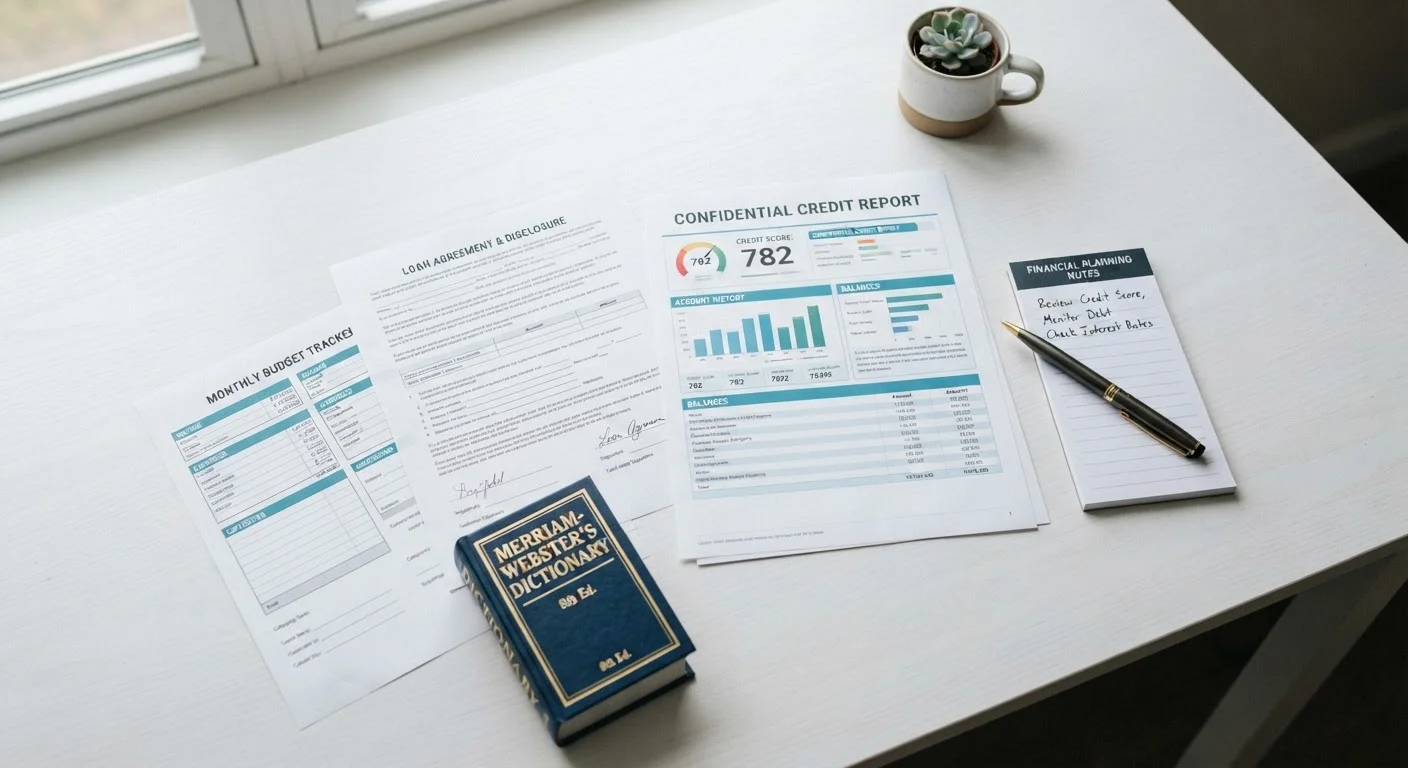
Building good habits means little if errors or fraudulent accounts quietly undermine your profile. Federal law entitles every consumer to free credit reports from each of the three major bureaus - Equifax, Experian, and TransUnion - which you can access through AnnualCreditReport.com. Learning how to read your credit report without getting lost makes this review far more productive.
If you spot an inaccuracy - a payment incorrectly marked late, an account you don't recognize - you have the right to dispute it. The process is more straightforward than many people assume; disputing errors on your credit report walks through each step under federal consumer law.
Decisions That Can Set You Back
Good credit habits include knowing what not to do. Two common missteps stand out. First, closing old credit cards can simultaneously shrink your available credit (raising utilization) and reduce your average account age - both negative signals to scoring models. Before acting, review why closing old credit cards can backfire.
Second, applying for multiple new accounts in a short window generates several hard inquiries and lowers your average account age. If you're planning a significant credit application - a car loan, for example - a pre-application checklist can help you enter the process in the strongest possible position. Credit-building is ultimately a long game; patience and consistency outperform any shortcut.