Why Weekly Meal Planning Works
Eating well consistently isn't usually about willpower - it's about structure. When meals are planned in advance, you're far less likely to reach for convenience foods out of exhaustion or indecision. A weekly plan also helps ensure your diet includes a genuine variety of nutrients rather than defaulting to the same few meals on repeat.
This checklist walks you through the key steps of planning a nutritionally balanced week of eating - from reviewing what's already in your kitchen to prepping components that make weeknight meals faster. For a deeper look at how to build each individual meal, see our guide on building a balanced plate without counting every calorie.
You don't need to be a professional chef or a nutrition expert to use this checklist effectively. Basic awareness of food groups and a willingness to spend one focused session planning is enough to get started.
This article is for general informational purposes only and is not a substitute for personalized nutrition or medical advice. Consult a qualified healthcare professional or registered dietitian for guidance specific to your health needs.
Tools You'll Need
Before diving into the checklist, gather a few simple resources that make the planning process smoother.
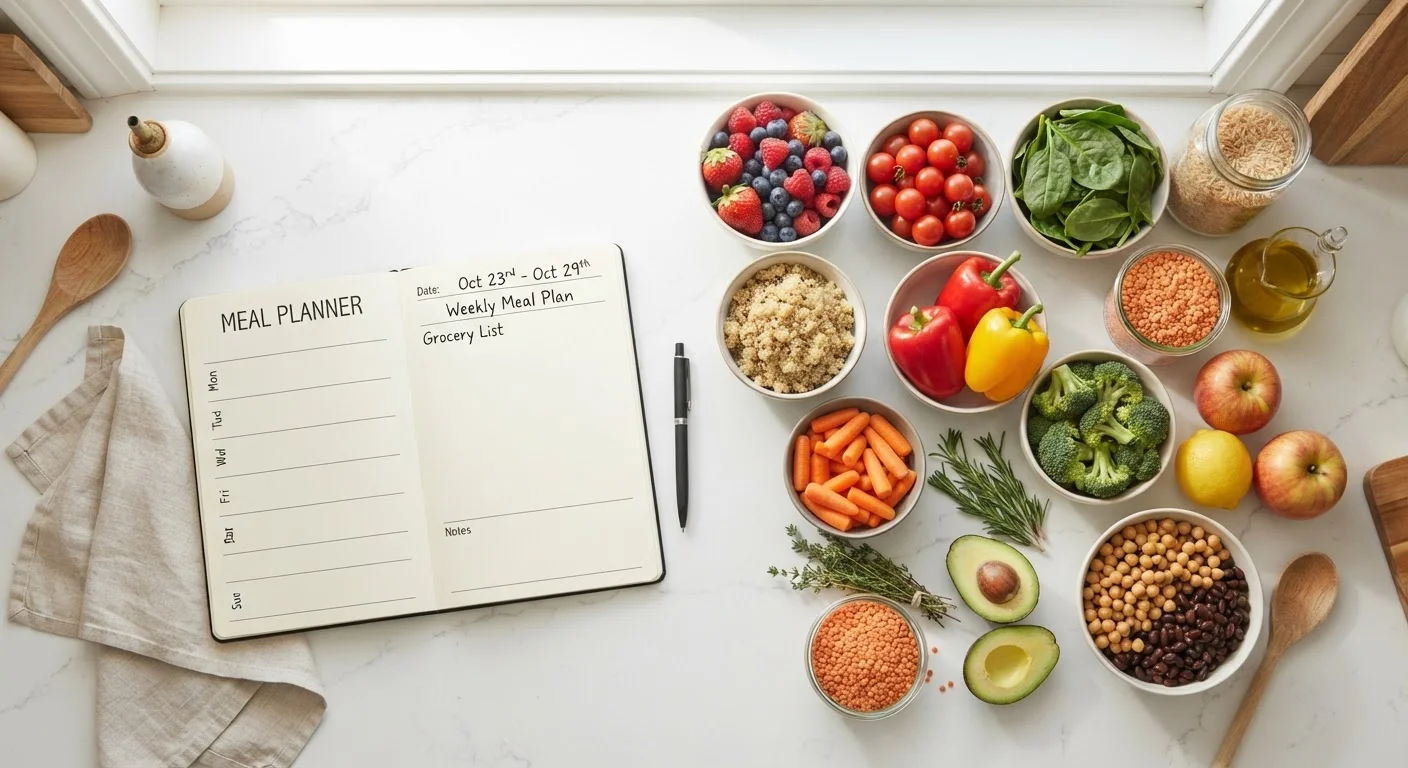
Weekly planner or notebook
Maps out meals for each day so you can see the full week at a glance and spot nutritional gaps.
Grocery list app or notepad
Keeps your shopping list organized by category, reducing time in-store and forgotten items.
Food storage containers
Essential for batch cooking - stores prepped grains, proteins, and vegetables for use throughout the week.
Kitchen scale or measuring cups
Helpful for portioning bulk ingredients during prep, especially whole grains and legumes.
Nutrition reference guide (e.g., MyPlate or similar government resource)
Provides a visual reference for food group proportions to help ensure your plan covers key nutrients.
Your Weekly Eating Plan Checklist
Work through these groups in order. Each builds on the last - starting with an inventory of what you have, moving through planning and shopping, and finishing with prep. If you're newer to meal planning, also read our article on common mistakes people make when trying to eat healthier to avoid pitfalls before you begin.
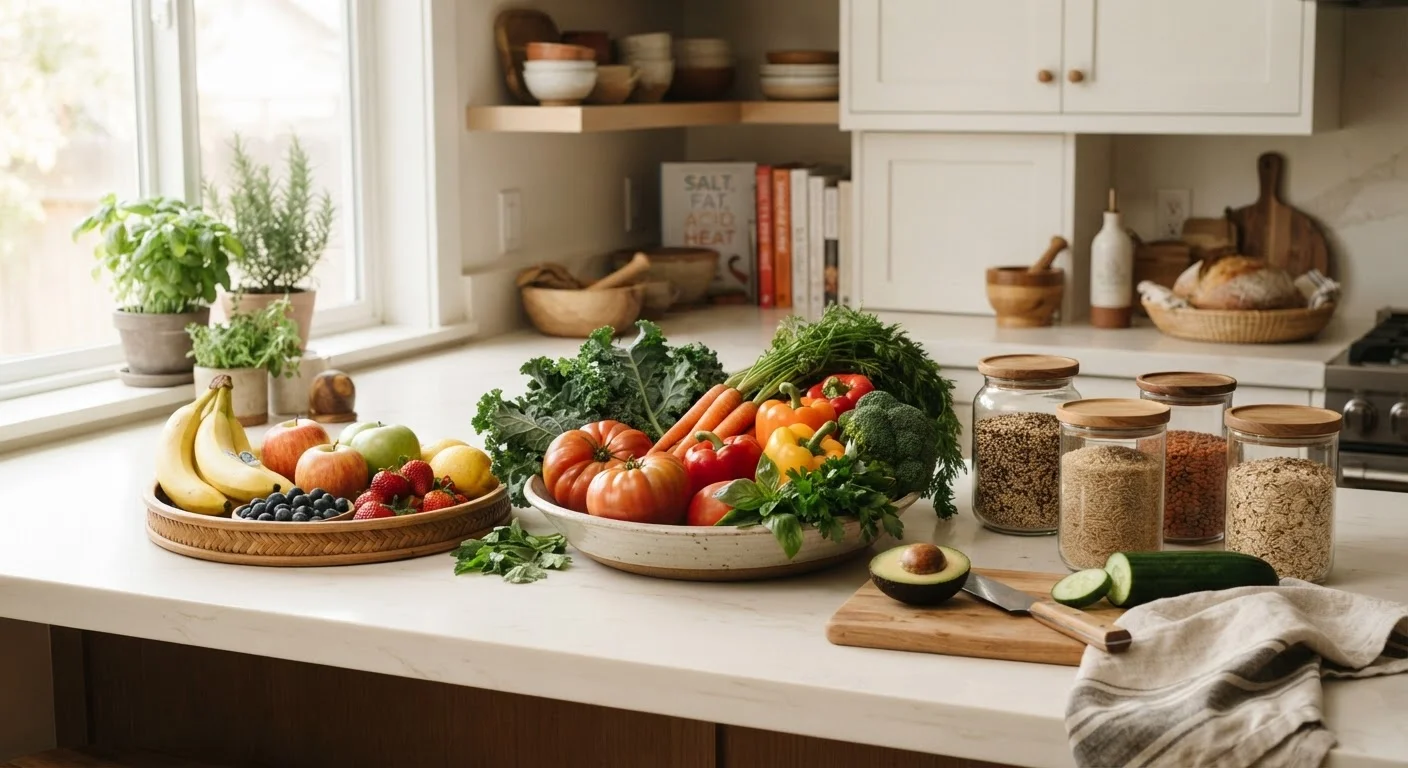
Kitchen Inventory
Meal Structure Planning
Shopping List Preparation
Batch Prep Basics
Hydration and Beverages
Final Plan Review
Individual Nutrition Needs Vary Significantly
This checklist provides a general framework for planning varied, balanced meals - it is not a personalized nutrition plan. Individual needs differ based on age, health status, activity level, and medical conditions. If you have a chronic health condition, food allergy, or specific dietary concern, please consult a registered dietitian or your healthcare provider before making significant changes to your eating patterns.
Putting It Into Practice
Once you've worked through the checklist, you'll have a shopping list, a rough meal map for the week, and ideally a few prepped components ready to go. The goal isn't perfection - it's having enough structure that good choices become the easy choices.
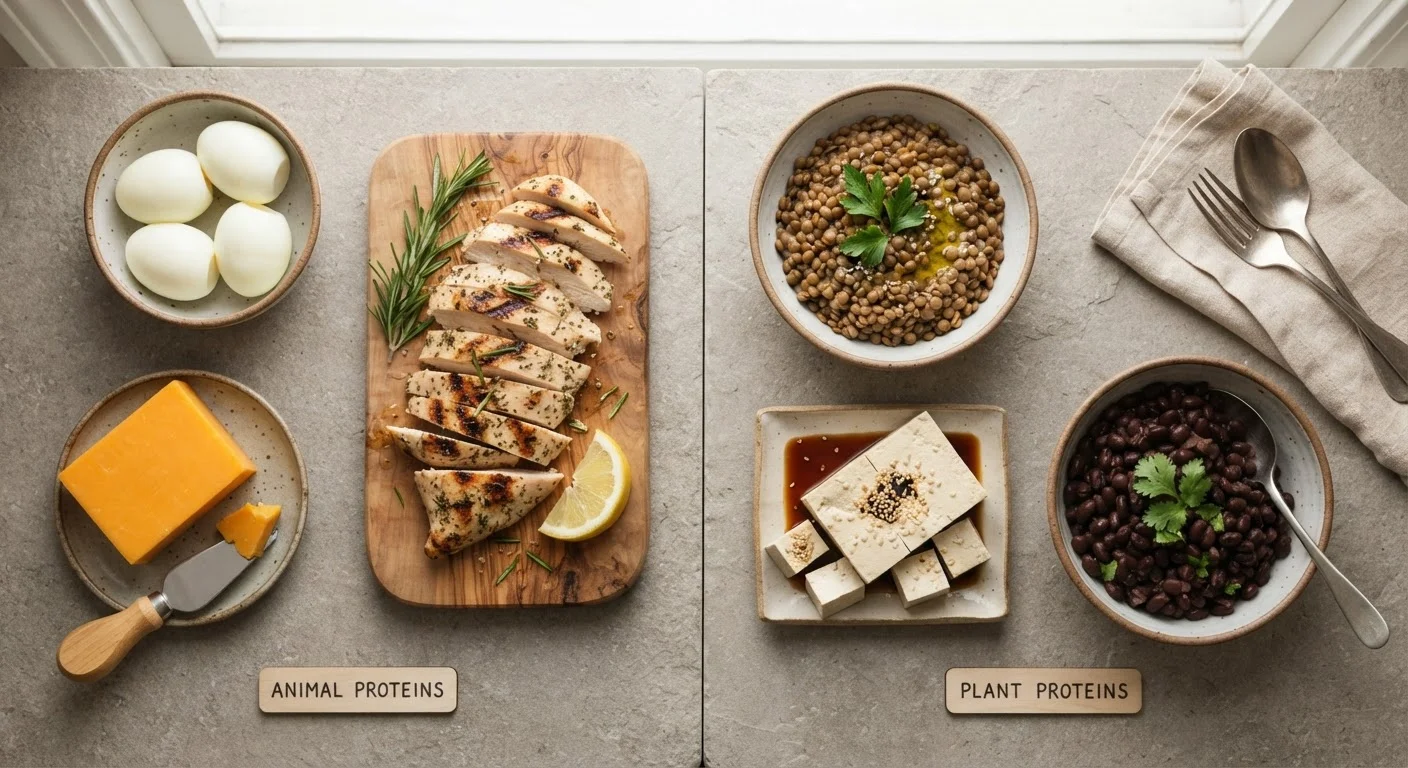
Protein variety is one area where many planners get stuck. If you're unsure how to balance animal and plant-based sources throughout the week, our breakdown of animal vs. plant protein sources offers a clear, factual comparison to help you decide what fits your preferences and lifestyle.
Consider revisiting this checklist every Sunday - or whichever day works as your reset point. Healthy eating patterns are built through consistent habits, and a weekly planning ritual is one of the most evidence-supported ways to sustain them over time.