Two Filters, Two Very Different Jobs
Most drivers know their car has an air filter. Fewer realize it has two - and that confusing the two, or ignoring one entirely, leads to very different problems. Understanding what each filter actually does is the first step toward maintaining both correctly.
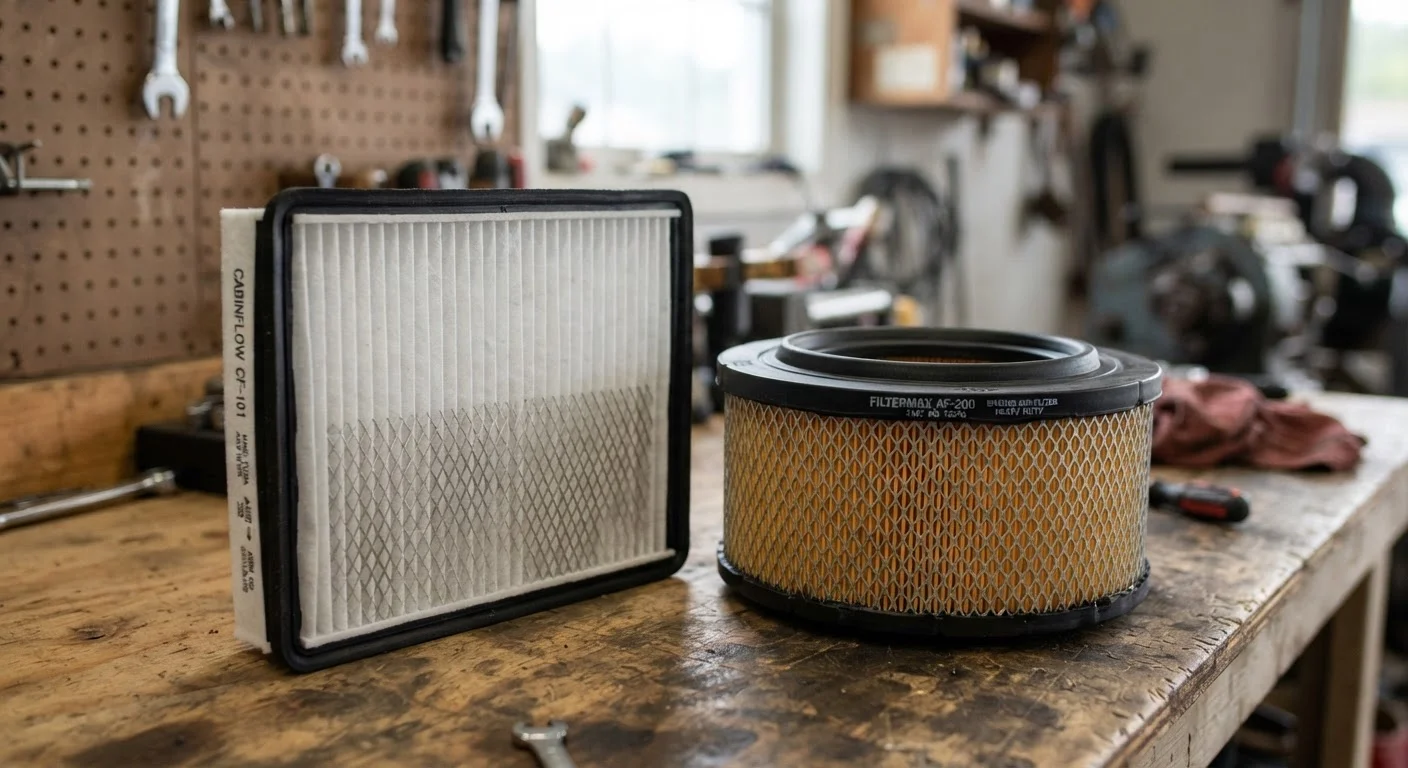
The engine air filter sits within the engine's air intake system and screens out airborne debris - dust, pollen, insects, and road grit - before outside air enters the combustion chamber. Clean air is essential for proper fuel combustion; a clogged engine filter starves the engine of oxygen, which can reduce power and efficiency over time.
The cabin air filter, by contrast, is part of your vehicle's HVAC system. It cleans the air flowing into the passenger compartment through the dashboard vents. It captures pollen, fine dust, mold spores, and other particulates before they reach the people inside the car. A dirty cabin filter doesn't threaten your engine - it threatens your lungs and your comfort.
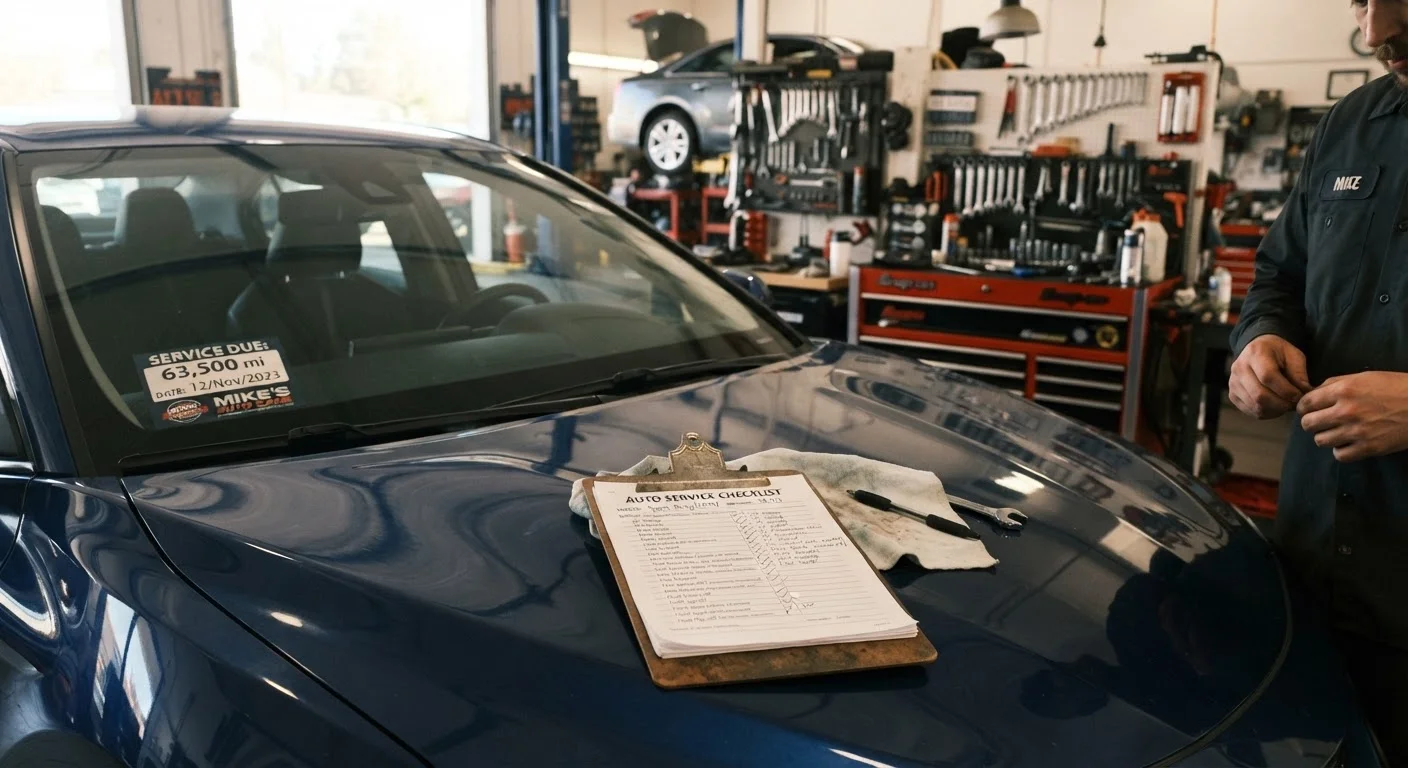
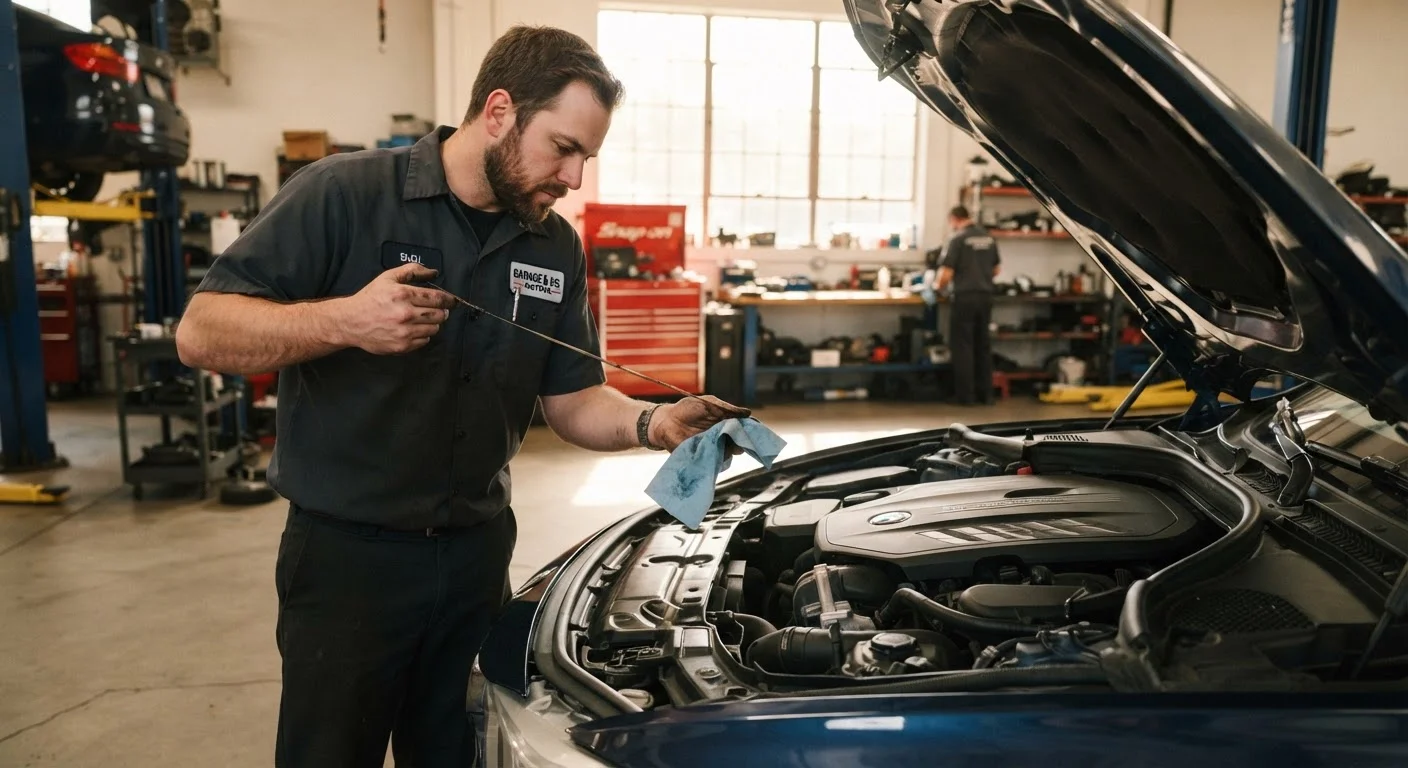
Both filters are passive components: they do their job silently and gradually degrade without any warning light in most vehicles. That's why proactive inspection matters. See our guide to your vehicle's maintenance schedule for a broader view of how filter checks fit into routine upkeep.
How to Inspect Each Filter
Inspecting both filters is straightforward and requires no special mechanical skill for most vehicles.
Engine Air Filter
The engine air filter is typically housed in a plastic box - the air box - connected to the intake manifold, usually near the front or side of the engine bay. Most air boxes are secured with clips or a few screws. Remove the cover, lift the filter out, and hold it up to light. A new filter appears white or light tan; a filter due for replacement looks noticeably dark, gray, or visibly clogged with debris. Lightly tapping it can dislodge loose dust, but a heavily soiled filter should be replaced, not just knocked clean.
Cabin Air Filter
The cabin filter location varies more by vehicle. Common locations include behind the glove box (often the easiest), under the dashboard on the passenger side, or beneath a panel at the base of the windshield. Your owner's manual will identify the exact location. Once accessed, slide the filter out and inspect it similarly - excessive discoloration, debris, or an unpleasant odor are clear signals it's time to replace it.
For guidance on which of these tasks make sense as DIY projects versus shop visits, see DIY vs. Shop: which car maintenance tasks are worth doing yourself.
| Criterion | Cabin Air Filter | Engine Air Filter |
|---|---|---|
| Primary function | Cleans air entering the passenger cabin | Cleans air entering the engine combustion chamber |
| Location | Behind glove box or under dashboard | Engine bay air box / intake housing |
| Typical replacement interval | 15,000-25,000 miles or annually | 15,000-30,000 miles |
| Symptom of neglect | Weak HVAC airflow, odors, poor air quality | Reduced power, lower fuel efficiency |
| DIY accessibility | Generally tool-free or minimal tools | Usually clips or basic screws only |
| Impact on vehicle performance | None directly | Can affect throttle response and MPG |
| Impact on occupant health | Direct - affects breathable air inside car | None directly |
Replacement Intervals and What Shortens Filter Life
General replacement guidelines are a useful starting point, but real-world conditions matter considerably.
Engine air filter: Most manufacturers recommend replacement every 15,000 to 30,000 miles under normal driving conditions. Drivers who regularly travel on unpaved roads, in dusty agricultural areas, or in high-pollution urban environments should inspect more frequently - the filter may need replacement well before that range.
Cabin air filter: Typical guidance ranges from 15,000 to 25,000 miles, though some manufacturers suggest annual replacement regardless of mileage. High pollen seasons, driving through smoke or heavily polluted air, or noticing musty odors from the vents are all reasons to inspect sooner.
Neither interval is a hard rule - your filter's actual condition should be the deciding factor, not just the odometer. Incorporating both into a consistent maintenance routine pays off long-term, as discussed in our piece on maintenance habits that extend the life of any vehicle.
25,000 miles
Maximum typical cabin filter service interval
Many vehicle manufacturers recommend inspecting or replacing the cabin air filter at least once per year or every 15,000-25,000 miles, whichever comes first.
Up to 30,000 miles
Engine filter replacement range under normal conditions
The U.S. Department of Energy notes that a clogged engine air filter can affect engine performance, though modern fuel-injected engines manage air-fuel ratios more adaptively than older carbureted designs.
2-4x faster
Filter degradation rate in dusty environments
Driving regularly on unpaved or dusty roads can shorten both filter service lives substantially compared to highway or urban paved-road driving.