Why Consistent Maintenance Is the Real Secret to Vehicle Longevity
Vehicles that reliably reach 200,000 miles rarely do so by accident. The most common thread among high-mileage cars is disciplined, documented routine care - not luck, not a particular brand, and not expensive upgrades. Understanding what your car actually needs, and when, is the foundation of smart ownership.
Your owner's manual contains a manufacturer-defined maintenance schedule that outlines service intervals based on mileage and time. This isn't marketing - it's engineering guidance built from how your specific engine, transmission, and components are designed to wear. See what your maintenance schedule actually means for a breakdown of those service milestones and why each matters.
Skipping or delaying scheduled service doesn't just risk a breakdown - it often voids warranty coverage and makes future diagnosis harder. Small problems caught early are almost always less expensive than the compounded failures they can become. For a look at what those corner-cuts actually cost, common shortcuts that quietly shorten a car's life is worth reading alongside this guide.
Core Maintenance Habits Every Driver Should Build
The following practices apply broadly to most passenger vehicles on American roads today. Always confirm intervals and specifications with your owner's manual or a qualified mechanic, since requirements vary by make, model, and driving conditions.
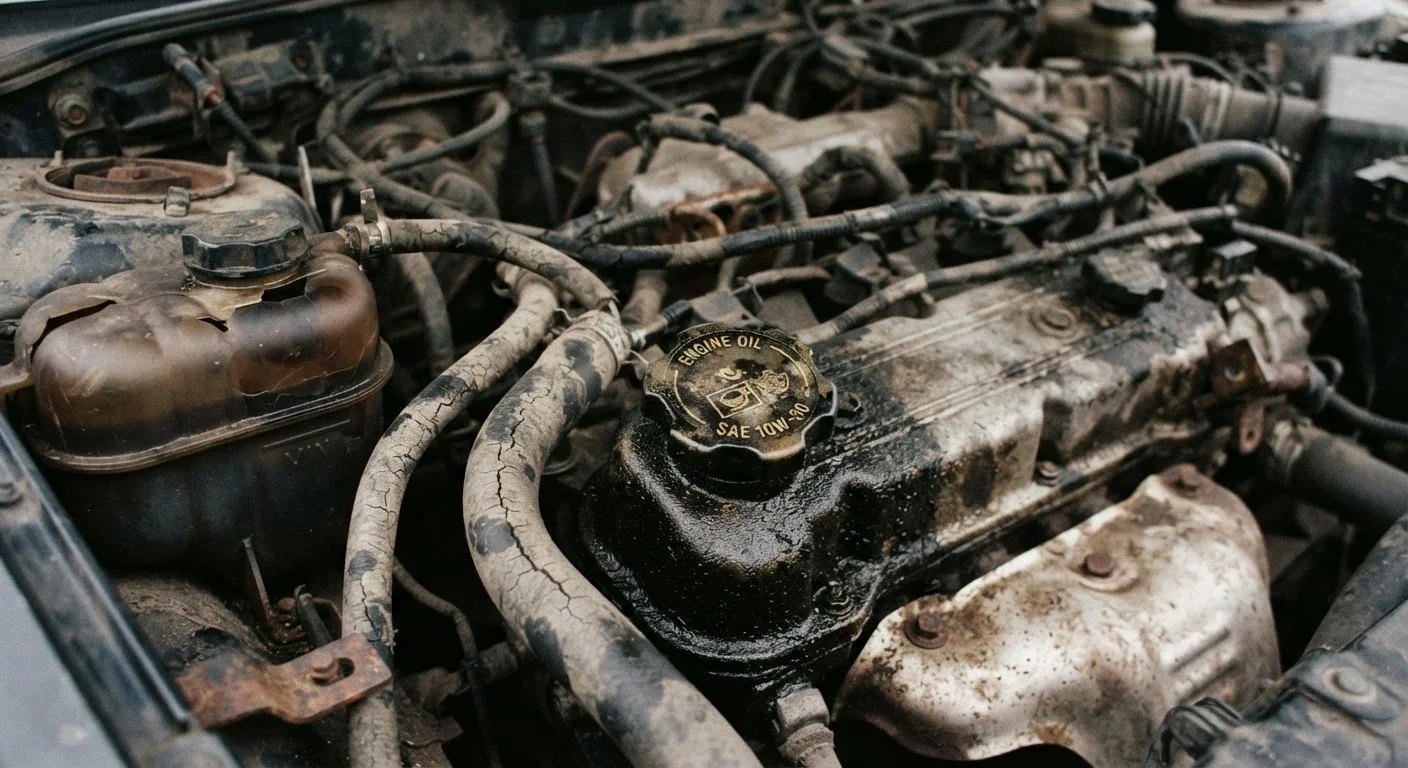
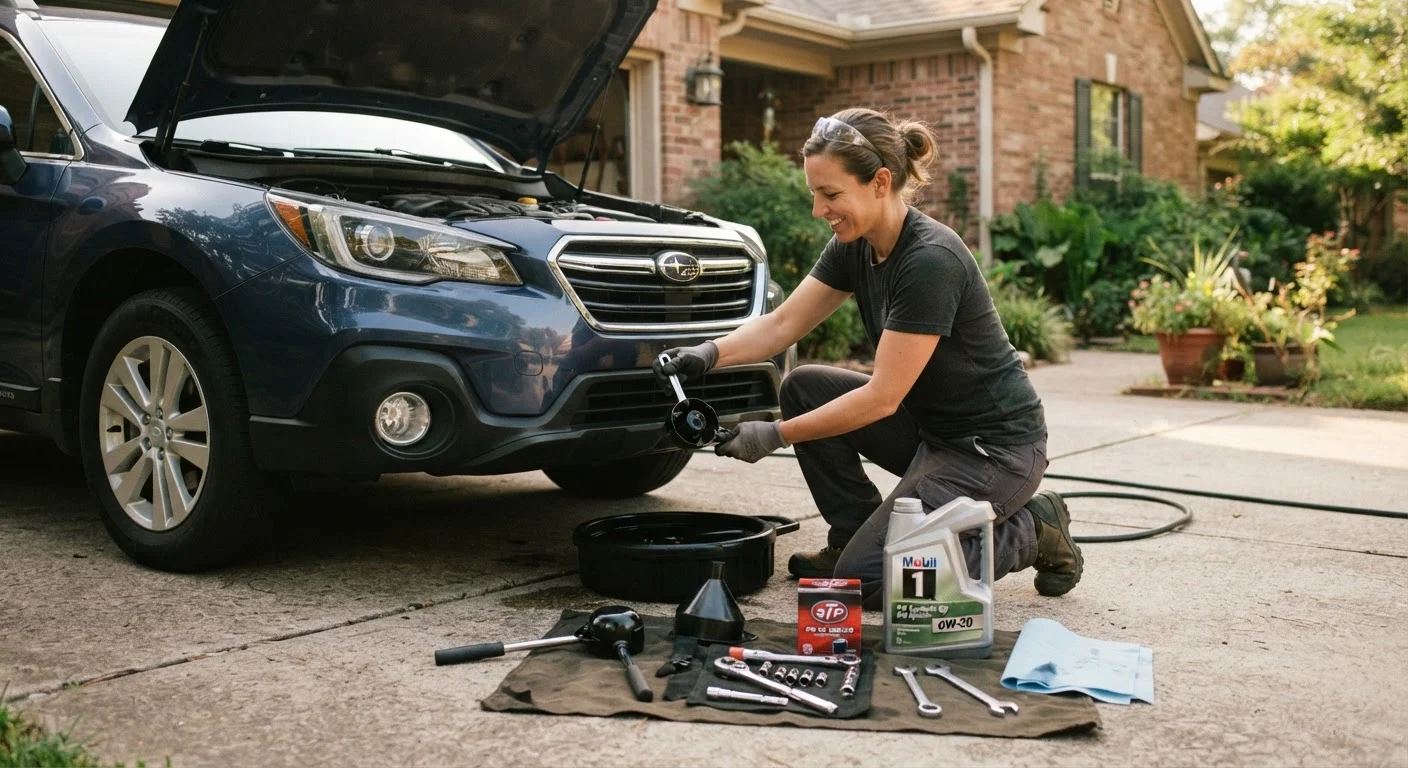
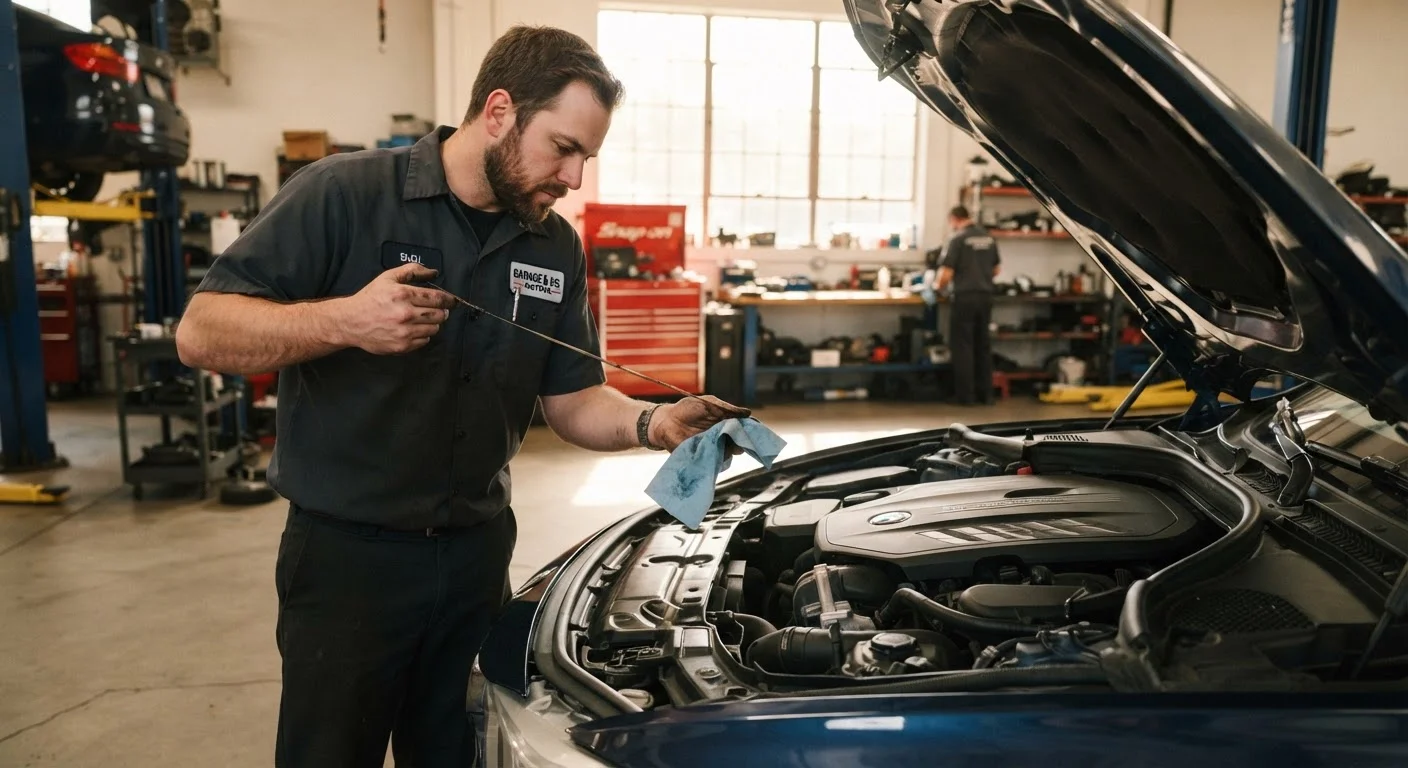
Change engine oil on schedule using the correct oil type for your vehicle
Engine oil lubricates hundreds of moving parts and degrades over time, losing its ability to prevent metal-on-metal contact. Dirty or low oil is one of the leading causes of premature engine wear and failure. The right oil type - conventional, synthetic blend, or full synthetic - depends on your vehicle's specifications.
Rotate tires every 5,000 to 7,500 miles and keep them properly inflated
Uneven tire wear shortens tire life significantly and can compromise handling and braking. Regular rotation distributes wear evenly across all four tires. Correct inflation - found on the sticker inside your driver's door, not the tire sidewall - also affects fuel economy and tire integrity.
Check and top off all fluid levels monthly
Beyond engine oil, vehicles depend on coolant, brake fluid, power steering fluid, and transmission fluid to operate safely. Low or contaminated fluids often give no warning until a system fails. Monthly visual checks take under five minutes and flag problems before they escalate.
Inspect and replace air filters at recommended intervals
A clogged engine air filter restricts airflow to the engine, reducing combustion efficiency and, over time, performance. Cabin air filters affect the effectiveness of your HVAC system and interior air quality. Both are inexpensive to replace and easy to inspect.
Address warning lights and unusual sounds promptly
Modern vehicles use onboard diagnostics to flag problems early, often before a failure is imminent. Ignoring a check-engine light or a new grinding noise doesn't make the issue go away - it typically allows a manageable problem to worsen. Early diagnosis is almost always cheaper than delayed repair.
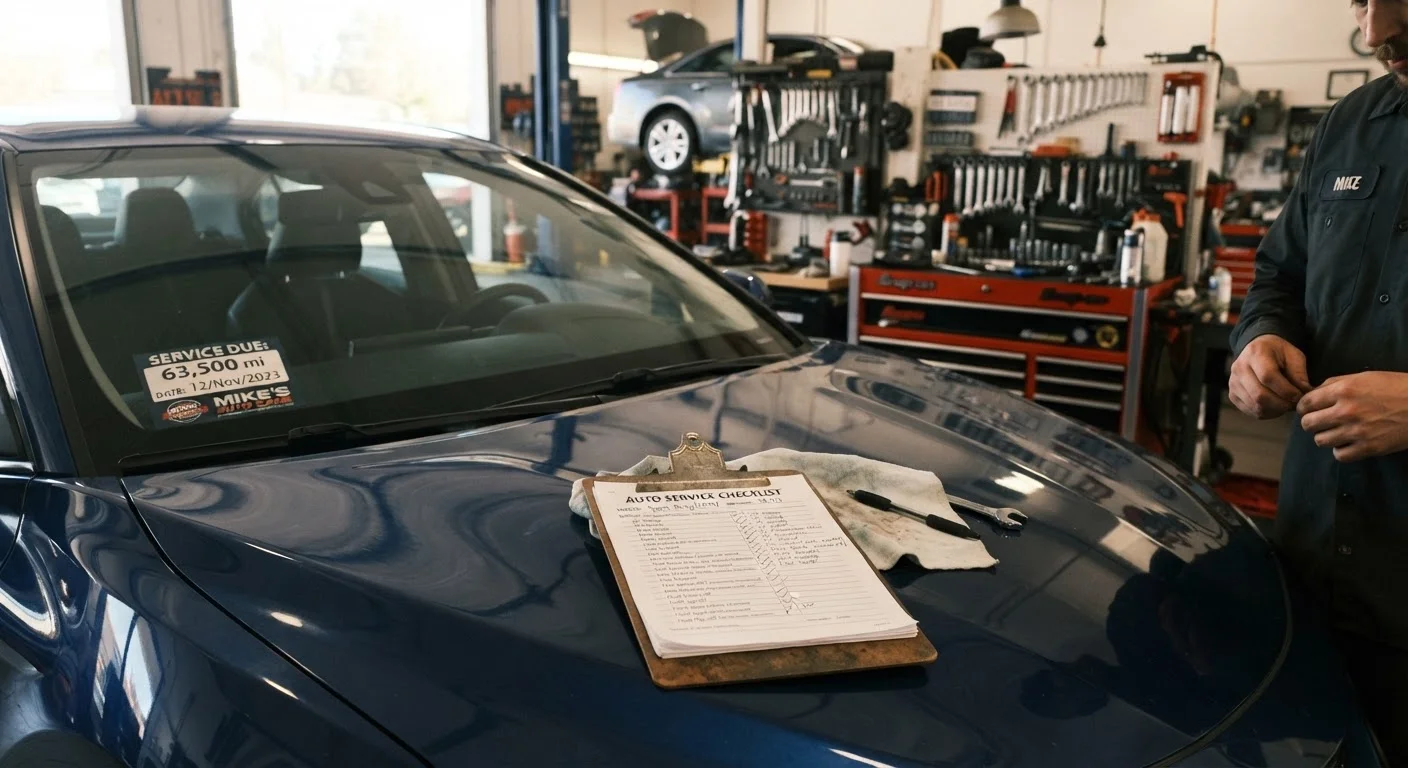
Keep detailed service records for every maintenance visit
A documented service history helps mechanics diagnose problems faster, demonstrates responsible ownership to future buyers, and keeps you on track with upcoming intervals. Records also protect you if a warranty dispute arises.
Quick Actions You Can Take This Week
Not every maintenance habit requires a shop visit or a full afternoon. Several high-impact checks take minutes and require no tools at all. Start here to immediately lower your risk of preventable failures.
For tasks that do require mechanical skill, it's worth honestly assessing what's appropriate to handle yourself. Our guide on DIY vs. shop maintenance decisions offers a clear-eyed look at where the line typically falls.
Maintenance at Higher Mileage: What Changes
Once a vehicle crosses 100,000 miles, its maintenance needs shift. Components like the timing belt or chain, coolant system, and transmission fluid may require attention that earlier service intervals didn't demand. Seals and gaskets become more prone to minor weeping; older engines may benefit from high-mileage oil formulations.
The core habits don't change - but the inspection frequency and the list of items to monitor often expands. Keeping a high-mileage car on the road covers exactly what to budget for and watch after the 100,000-mile mark.
Driving style also matters more as a vehicle ages. Aggressive acceleration, hard braking, and sustained high-speed driving all increase wear on aging components. Smooth, predictable driving genuinely extends mechanical life - particularly for the transmission and brake system. For broader guidance on safe and efficient driving habits, see our driving and safety resource hub.
This article provides general vehicle maintenance information for educational purposes. Always consult your owner's manual and a qualified mechanic for guidance specific to your vehicle's make, model, and condition.