Why Small Shortcuts Add Up to Big Repairs
Most vehicles aren't destroyed by one dramatic failure - they're worn down by a long series of deferred tasks that each seemed too minor to bother with. A quart of oil added instead of a full change, a slow tire leak refilled every few weeks, a coolant reservoir ignored because the engine "seems fine." These habits feel economical in the moment and invisible in their consequences - until they aren't.
Understanding why these shortcuts damage vehicles makes it easier to break them. For a broader look at what proactive care actually achieves, see maintenance habits that extend vehicle life. The contrast between a car that reaches 200,000 miles and one that doesn't usually comes down to the small decisions made in between.
Skipping coolant flushes because the engine temperature gauge looks normal.
Why it happens: Coolant degradation is invisible - the engine can run at a normal temperature even as the fluid loses its corrosion-inhibiting properties and begins to attack metal surfaces internally.
Topping off a slow fluid leak instead of diagnosing its source.
Why it happens: Buying a quart of oil or coolant is cheap and immediate; finding and fixing a leak feels expensive and uncertain, so drivers manage the symptom instead.
Delaying brake inspections until squealing becomes constant or stopping distance feels long.
Why it happens: Brake wear is gradual, and drivers adapt to incremental changes without noticing. Many also assume the squealer indicator is the only warning worth acting on.
Ignoring engine and cabin air filters past their service interval because the car still starts and drives.
Why it happens: A clogged filter rarely produces an obvious symptom early on; the engine and HVAC system compensate, so drivers assume everything is fine.
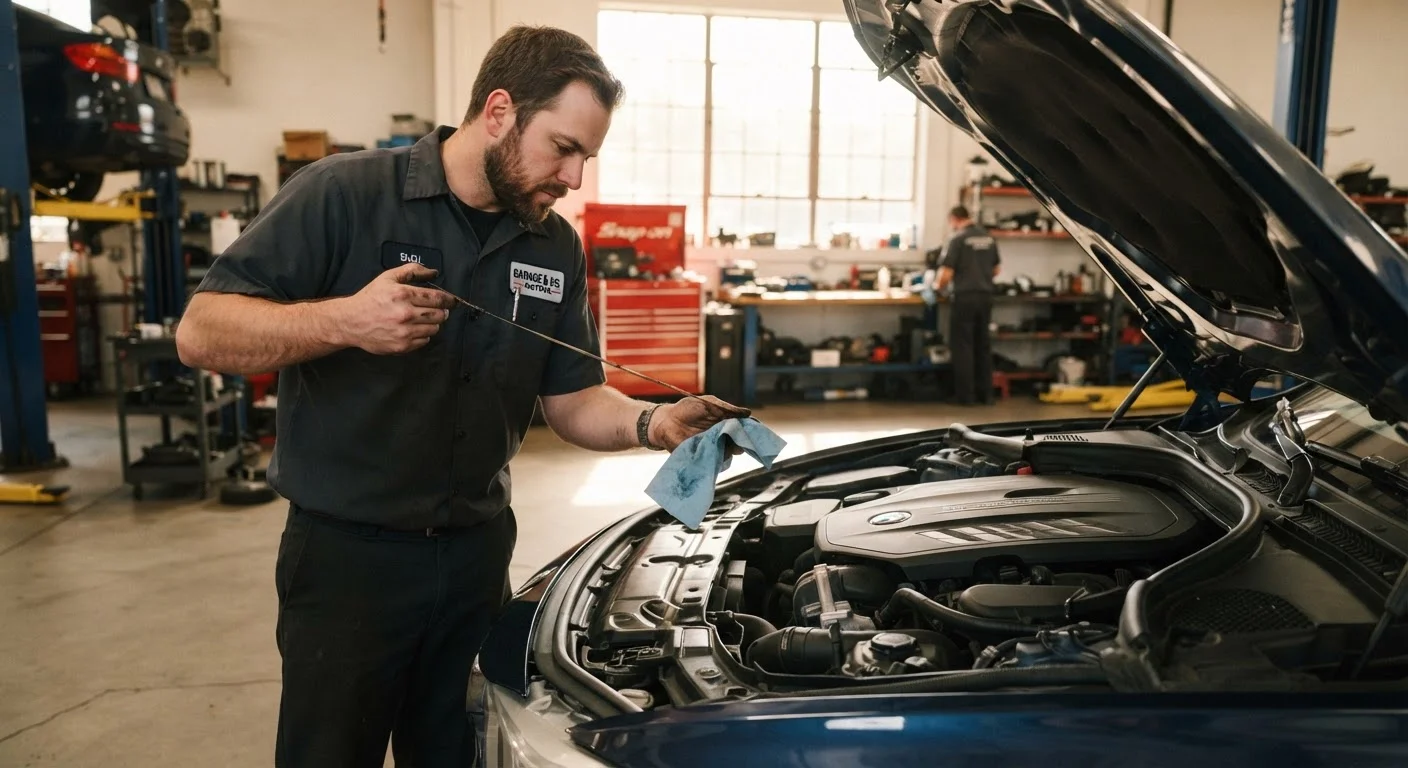
Using only the minimum recommended oil change interval while ignoring actual driving conditions.
Why it happens: Manufacturer intervals are often stated as a single number, leading drivers to treat them as universal regardless of whether they drive mostly short city trips, tow frequently, or operate in extreme temperatures.
The Specific Shortcuts That Do the Most Hidden Damage
Each of the mistakes outlined above carries a compounding cost - not just in repair bills but in reliability and resale value. Several deserve additional context.
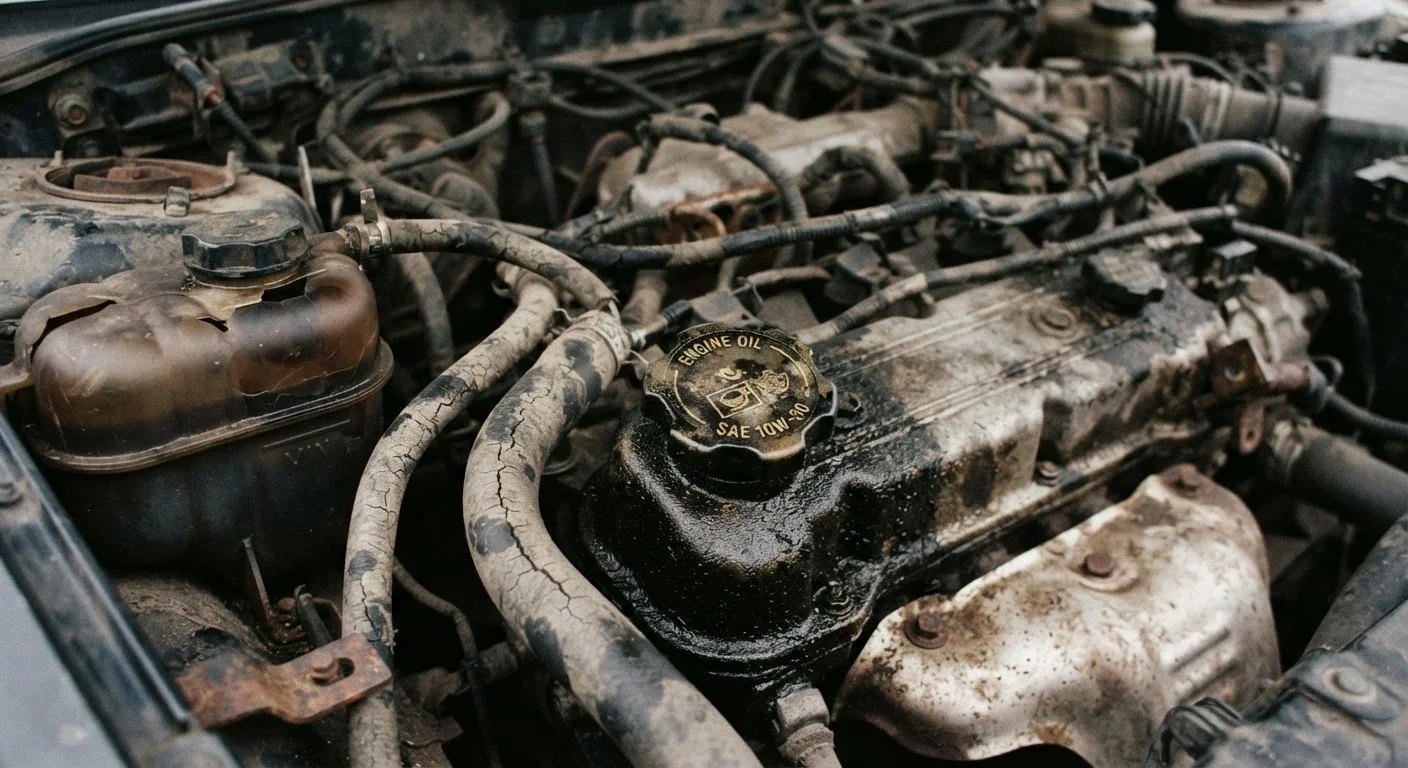
Coolant neglect is particularly deceptive because modern vehicles often run for years before overheating becomes obvious. By then, a warped head gasket or a cracked engine block may already be the result. Coolant degrades chemically over time, losing its corrosion inhibitors regardless of how the engine looks from outside.
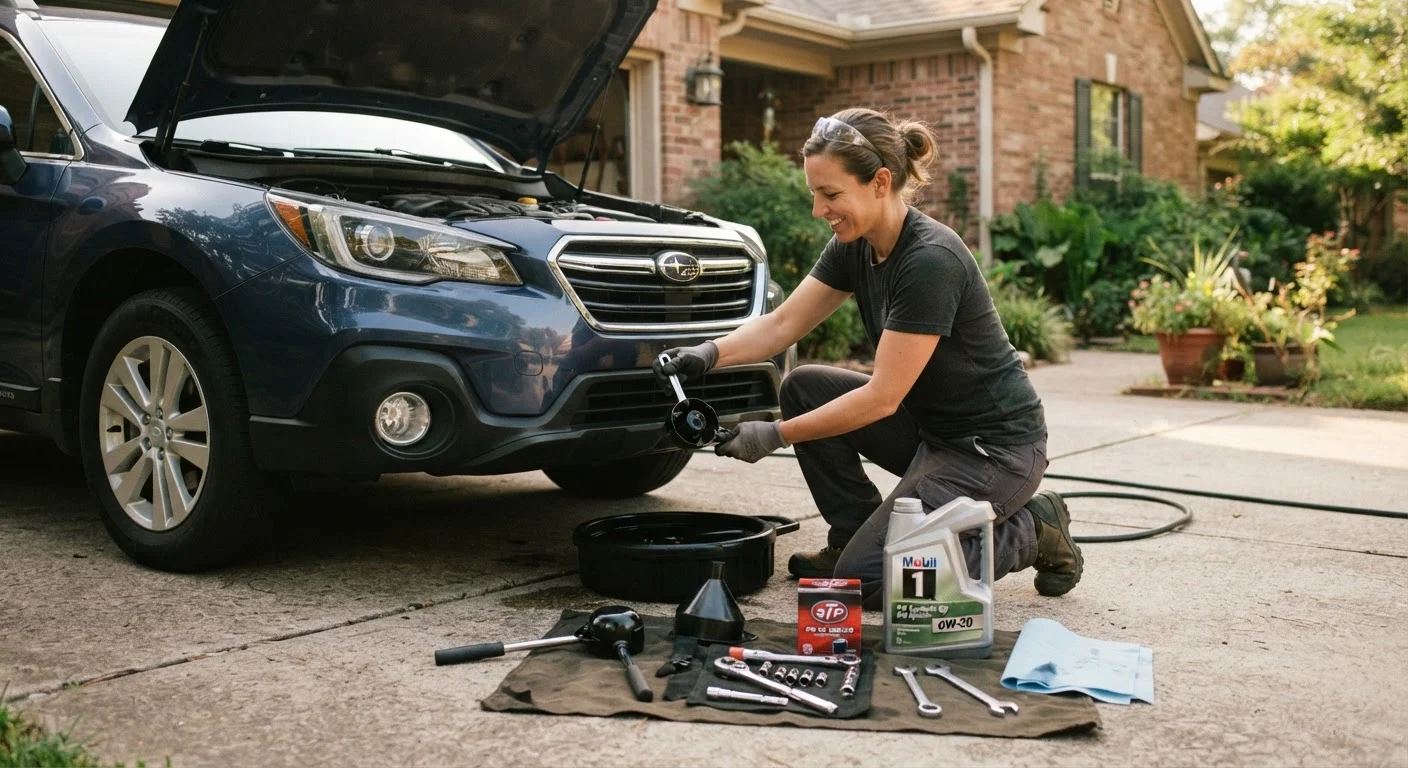
Brake service delays present a safety dimension that purely mechanical shortcuts don't. Worn rotors and low brake fluid don't just raise repair costs - they extend stopping distances in emergencies. If you're uncertain which maintenance tasks fall within DIY territory, this breakdown of DIY vs. shop decisions offers a realistic assessment of where the line typically falls.
Tire pressure management matters beyond fuel economy. Running consistently underinflated tires generates excess heat in the sidewalls, accelerating internal structural degradation in ways that aren't visible until a blowout occurs.
Brake System Work Requires Proper Safety Precautions
Brake components involve hydraulic pressure and are directly tied to vehicle control. While basic inspections - visually checking pad thickness through the wheel - are within reach of most drivers, any repair or replacement work should be performed by a qualified mechanic unless you have confirmed mechanical experience and appropriate tools. Improperly installed brake components can fail without warning.
It's also worth separating maintenance reality from outdated advice. Some "rules" drivers follow religiously do more harm than good financially. Common maintenance myths explains which widely held beliefs are costing drivers money unnecessarily.