Why Return Policies Deserve Your Attention Before You Buy
Most shoppers treat return policies as an afterthought - something to look up only when a product disappoints. That's exactly when it's too late. Retailers write return policies primarily to limit their own exposure, not to protect yours. Terms like "final sale," "exchange only," and "restocking fee applies" can strip away options you assumed you had.
This problem is compounding online, where you can't inspect an item before purchasing. Return shipping costs, refund-to-original-payment restrictions, and narrow time windows are standard practice. Understanding how these policies actually work - before you hand over money - is one of the most practical things a shopper can do.
For a broader look at how purchase protections are structured, see what warranties, guarantees, and return policies actually cover before making high-value purchases.
What you will need
How to Decode Any Return Policy - Step by Step
The steps below walk you through a consistent process for evaluating return policies before committing to any purchase. This takes under 15 minutes and can save you from expensive regrets.
Find the Return Policy Before Adding to Cart
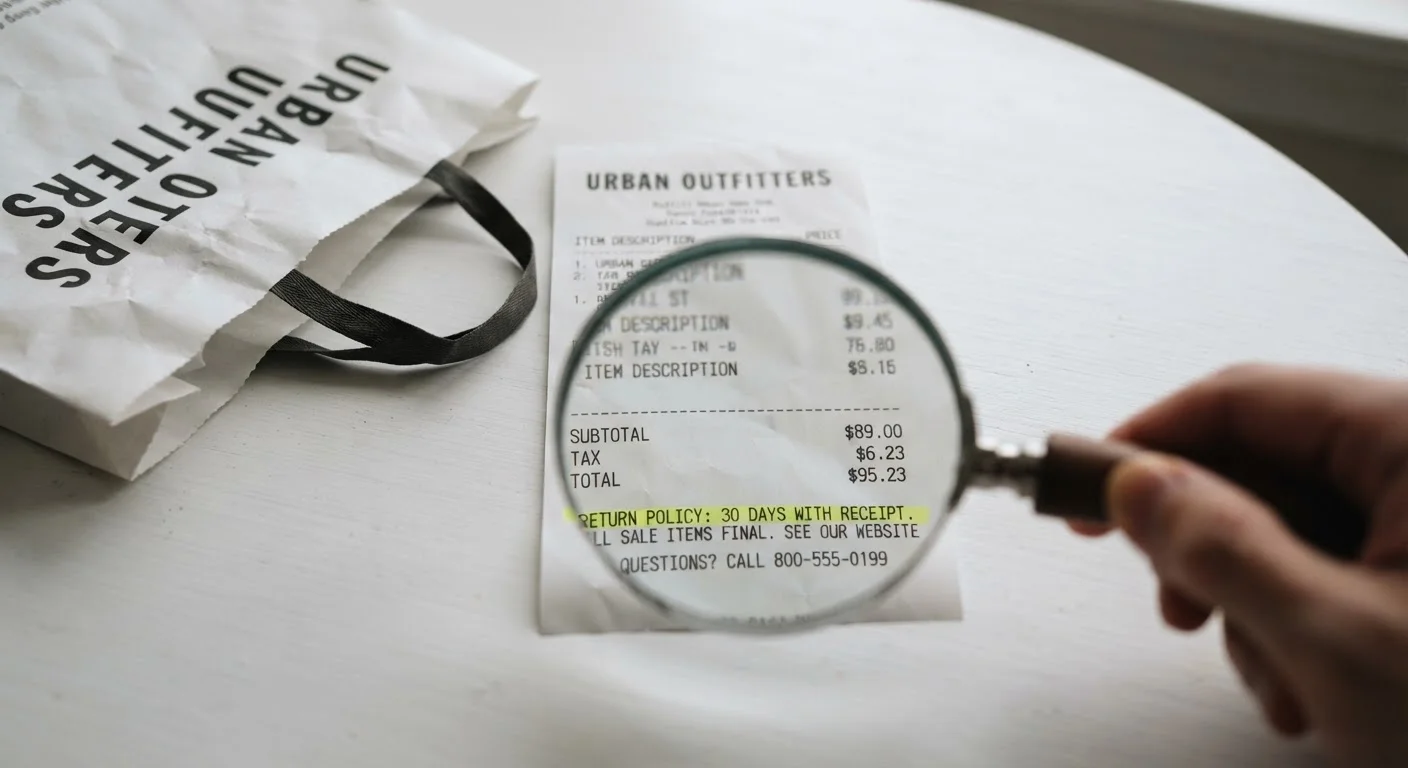
Locate the retailer's return policy page before you begin shopping - not at checkout. Look for a link in the site footer labeled "Returns," "Return Policy," or "Shipping & Returns." On marketplace platforms, individual sellers may have separate policies from the platform's standard terms. Confirm which policy applies to your specific item.
Identify the Return Window and Start Date
Note the exact number of days you have to return the item, and clarify when the clock starts. Some retailers count from the purchase date; others count from the delivery date. A 30-day window that starts at purchase can shrink to under two weeks by the time shipping delays are factored in.
Check Whether Your Item Category Has Special Rules
Many retailers apply different policies to specific categories: electronics, mattresses, swimwear, and personalized or monogrammed items commonly have stricter - or no - return rights. Look for a table or list of category exceptions within the policy. If no such list exists, search the page for your product type explicitly.
Determine the Refund Form You'll Receive
Policies vary on whether you'll get a refund to your original payment method, store credit, or an exchange. "Store credit only" refunds mean your money stays with that retailer regardless of your satisfaction. If you prefer cash-back flexibility, confirm the refund form is acceptable before purchasing.
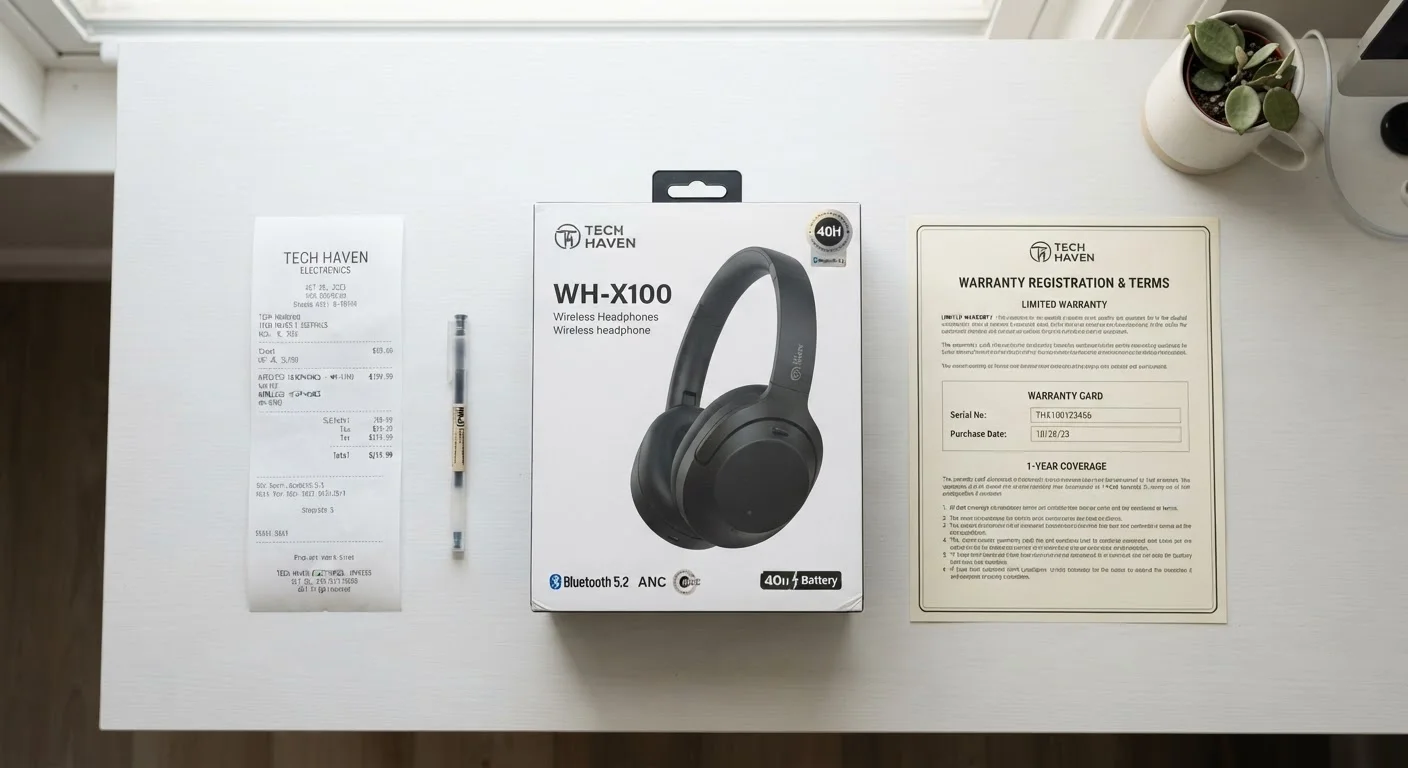
Document Your Purchase and Preserve Packaging
Take a screenshot of the product listing, including the price, item description, and any stated return terms shown at checkout. Keep original packaging, tags, and any included accessories intact until you're certain you're keeping the item. Many disputes are resolved in the retailer's favor simply because the shopper discarded packaging.
Check Your Credit Card's Return Protection Benefit
Some credit cards include a return protection benefit that reimburses you for items a retailer refuses to accept back, typically within a set number of days and up to a per-item dollar limit. Log in to your card's benefits portal or call the number on the back of your card to confirm whether this benefit applies and what documentation you'd need to file a claim.
Common Traps and How to Avoid Them
Even careful shoppers get caught by a few recurring policy structures. Here are the most consequential ones to recognize:
- Restocking fees: Common on electronics and large appliances, these can range from 10% to 25% of the purchase price. Always check whether an item category is exempt from the standard return policy.
- "Store credit only" refunds: You return the item but can't get cash back - you're locked into spending with that retailer. This is especially limiting if you're dissatisfied with the store's entire inventory.
- Shortened holiday windows: Many retailers offer extended holiday return windows but then quietly revert to short windows after a cutoff date. Verify exact dates, not vague claims.
- Condition requirements: Items must often be "in original packaging" or "unused with tags attached." Opening a product to test it can void return eligibility entirely.
Screenshot Everything at Checkout
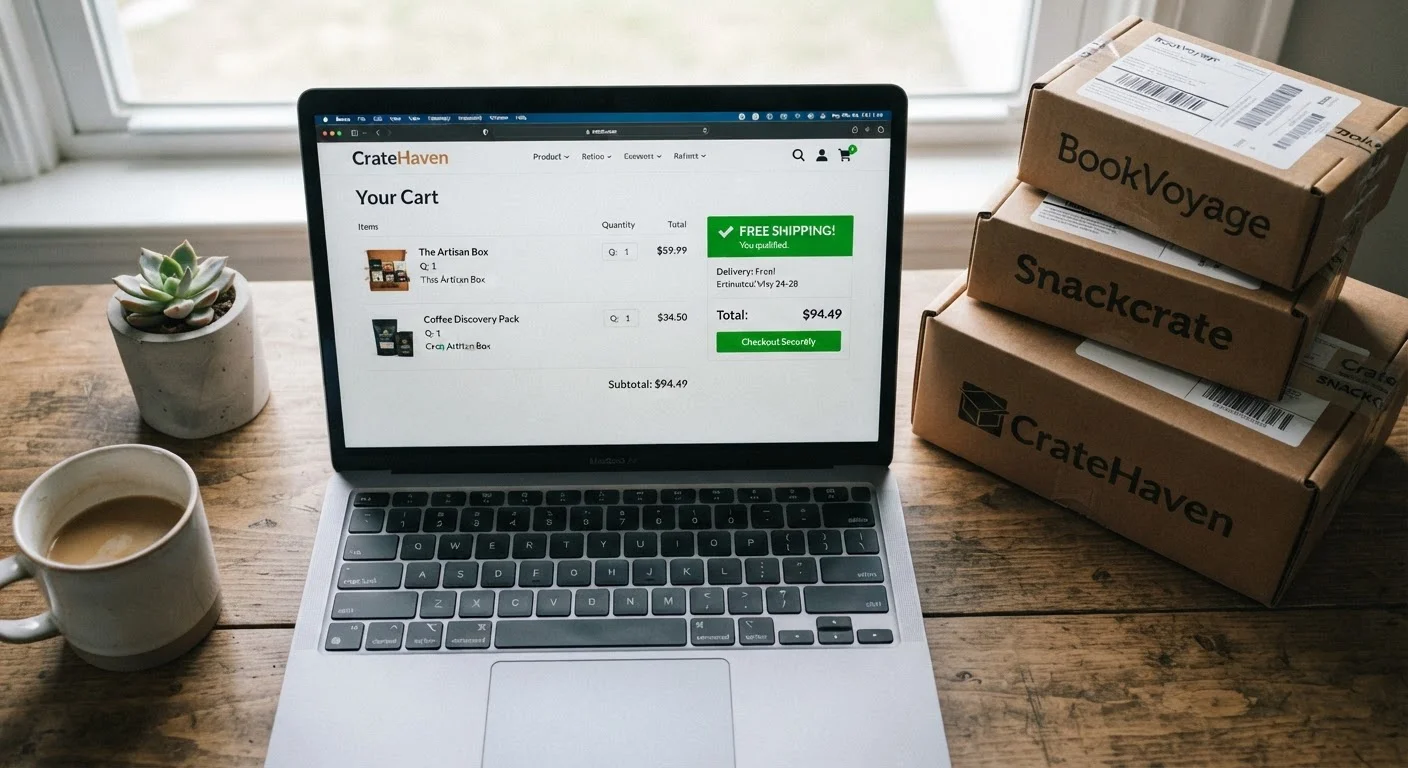
Before finalizing any online purchase, take a screenshot of the checkout page showing the return policy summary, if one appears. Retailers occasionally update their policies, and having a dated screenshot of the terms shown at the time of purchase gives you documentation in the event of a dispute. Store these screenshots in a dedicated folder alongside your order confirmation email.
Return policies don't exist in isolation. Retailers also use pricing tactics that inflate perceived value - understanding these together gives you a complete picture. See how "sale price" doesn't always mean you're saving money for more context. Similarly, hidden costs in free shipping and subscription bundles can combine with poor return terms to significantly raise your real total cost.