Why Review Systems Exist - and Who They Serve
Consumer review systems were built to solve a real problem: buyers have limited information before purchasing, and sellers have every incentive to present their products favorably. Independent feedback from other buyers was supposed to level the playing field.
That goal is still partially achieved - reviews do carry useful information. But the platforms hosting those reviews are businesses with their own interests. Marketplaces earn revenue from sellers, which creates pressure - subtle or otherwise - to manage how negative feedback surfaces. Understanding this context doesn't mean dismissing reviews entirely; it means reading them with appropriate skepticism.
It also helps to know that reviews measure satisfaction, not necessarily quality. A product can score highly because it was inexpensive and arrived on time - factors unrelated to how well it performs over six months. That distinction matters a lot for purchases where durability or safety is the priority.
The Mechanics Behind Star Ratings
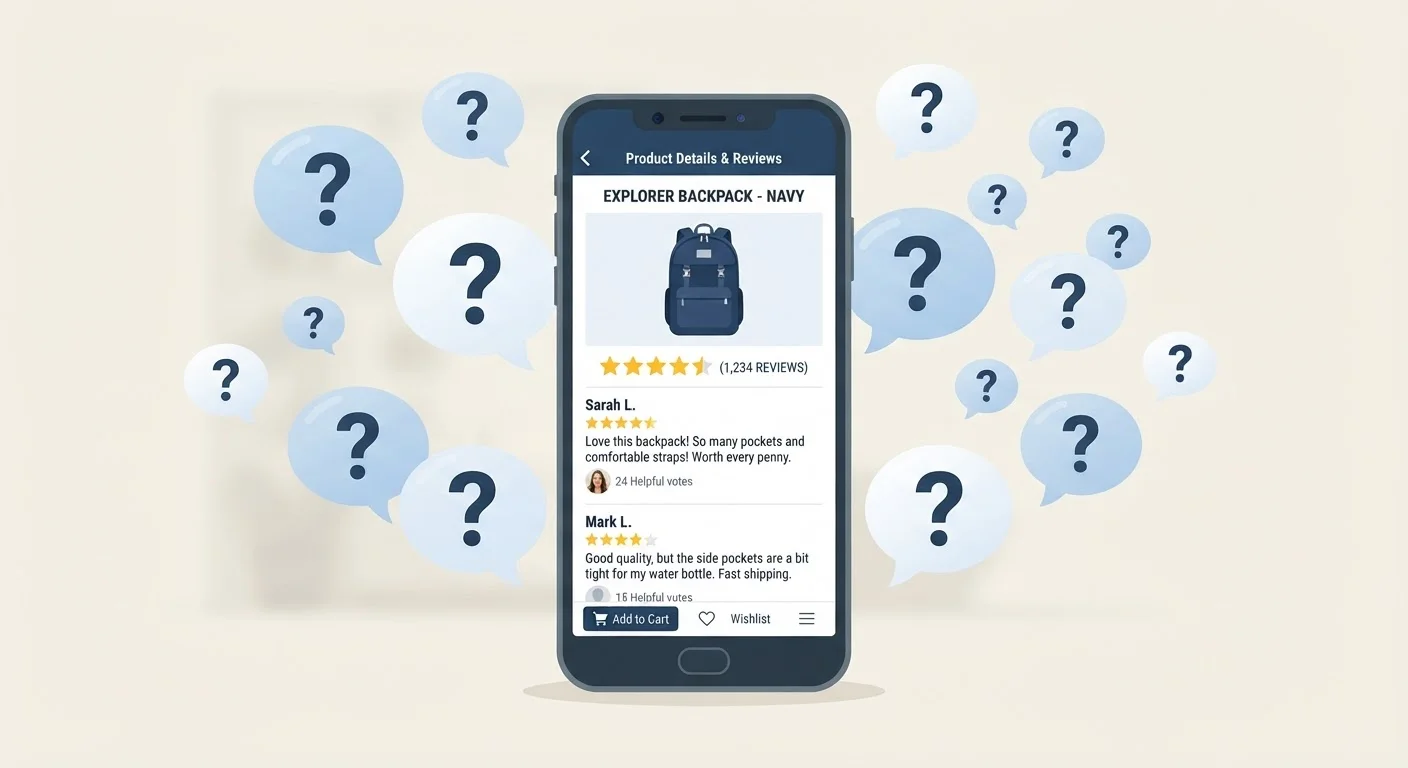
Most star ratings are simple averages - add up all scores, divide by the number of reviewers. This means a product with 10,000 reviews and a 4.1 average may be more trustworthy than one with 40 reviews and a 4.8 average, because the larger sample is harder to manipulate and reflects a wider range of buyers.
Review timing also matters. Some platforms weight recent reviews more heavily, so a rating can shift dramatically after a product change - a manufacturing update, a change in supplier, or a reformulation. If a product has a long review history, sorting by most recent can reveal whether the latest batch matches the older reputation.
Incentivized review
A review written in exchange for something of value - a free product, a discount, or payment. These reviews may be biased even when the writer discloses the incentive.
Review gating
A seller practice of filtering customers before asking for reviews, so only satisfied buyers are invited to post publicly. This inflates average ratings.
Listing hijacking
When a different seller attaches their product to an existing listing that has accumulated good reviews, so the ratings no longer reflect the item now being sold.
Rating distribution
The breakdown of how many reviewers gave each star level (1 through 5). An unusual distribution - such as almost no middle ratings - can signal manipulation.
Verified purchase
A platform label indicating the reviewer bought the product through that marketplace. It confirms a transaction occurred but does not guarantee the review is unbiased.
Also pay attention to the rating distribution - the breakdown of how many reviewers gave each star level. A healthy distribution typically shows a natural curve. An unnatural one - say, 90% five-star with almost no middle ground - can indicate manipulation or selective collection of reviews.
Red Flags That Signal Unreliable Reviews
Certain patterns consistently indicate that a review set may not reflect real buyer experience:
- Clusters of reviews on the same date: Genuine reviews trickle in over time. A spike of five-star reviews posted within days of each other is a warning sign.
- Generic, emotion-heavy language: Authentic reviews tend to be specific. Phrases like "absolutely love this product, changed my life!" with no detail about use case or performance are common in incentivized or fake reviews.
- Reviewers with no other history: A profile that reviewed one product with five stars and nothing else warrants skepticism.
- Missing one- and two-star reviews: Every product generates some dissatisfied buyers. If negative reviews are almost entirely absent, the review set may have been filtered.
Third-party browser tools exist that analyze review patterns on major shopping platforms and flag suspicious distributions - these can be a useful extra check for higher-cost items.
How to Extract Genuine Signal from Review Pages
The most useful reviews for a purchasing decision are often not the five-star ones. Consider this approach:
- Read three-star reviews first. Buyers who give three stars are usually genuinely ambivalent - they found real value but also ran into real problems. Their specificity is often higher than extreme ratings.
- Filter by your use case. Many platforms let you search review text. Look for your specific context: "small apartment," "used daily," "outdoor use," etc. Generic praise is less useful than confirmation from someone in your situation.
- Look for recurring themes in negatives. If five separate one-star reviews mention the same flaw - a button that breaks, a seam that fails - that pattern is more informative than a single complaint.
- Check the review date relative to the product version. Products are updated; reviews of an older version may not apply to what you're buying.
Pair this review analysis with information from other sources. Our guide on how customer reviews and expert testing compare explains why the two sources measure fundamentally different things.
Sort by most critical, then most helpful
Before committing to a purchase, sort reviews by lowest rating and read the most helpful ones in that group. Then sort by "most helpful" overall. This two-pass approach surfaces real problems without letting a single disgruntled buyer distort your view.
When Reviews Are Less Useful Than Other Sources
Reviews work best for products where large numbers of everyday buyers can assess performance through normal use. They work less well when:
- The product is technically complex and requires expertise to evaluate (e.g., electrical safety, material composition, structural integrity).
- The failure mode is slow or long-term - a product that degrades over two years won't show up in reviews written after two weeks.
- The category is prone to counterfeits or listing hijacking, where a product accumulates reviews legitimately but the item currently sold under that listing is different.
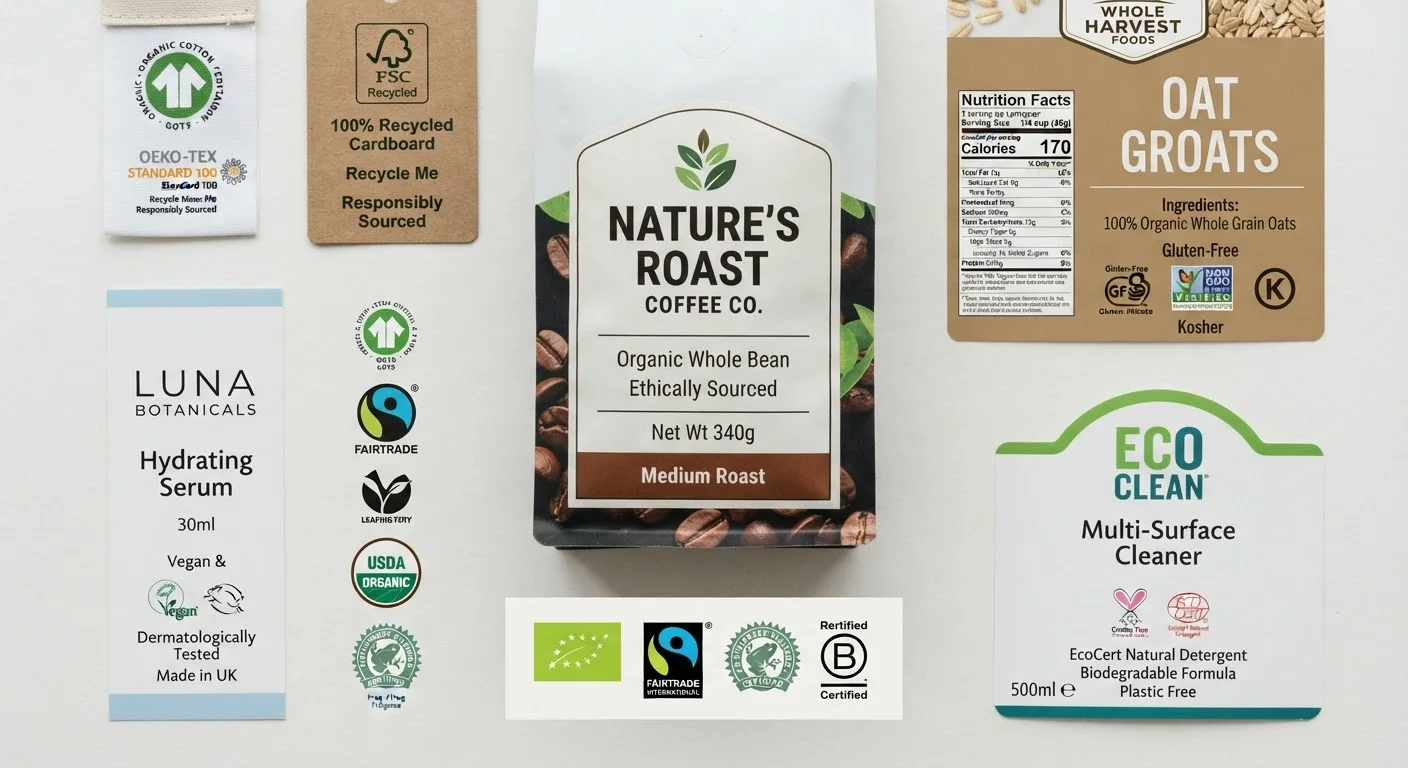
For those situations, third-party certifications and independent testing carry more weight. You can learn more about which certifications actually reflect rigorous standards in our article on certifications worth trusting on consumer products.
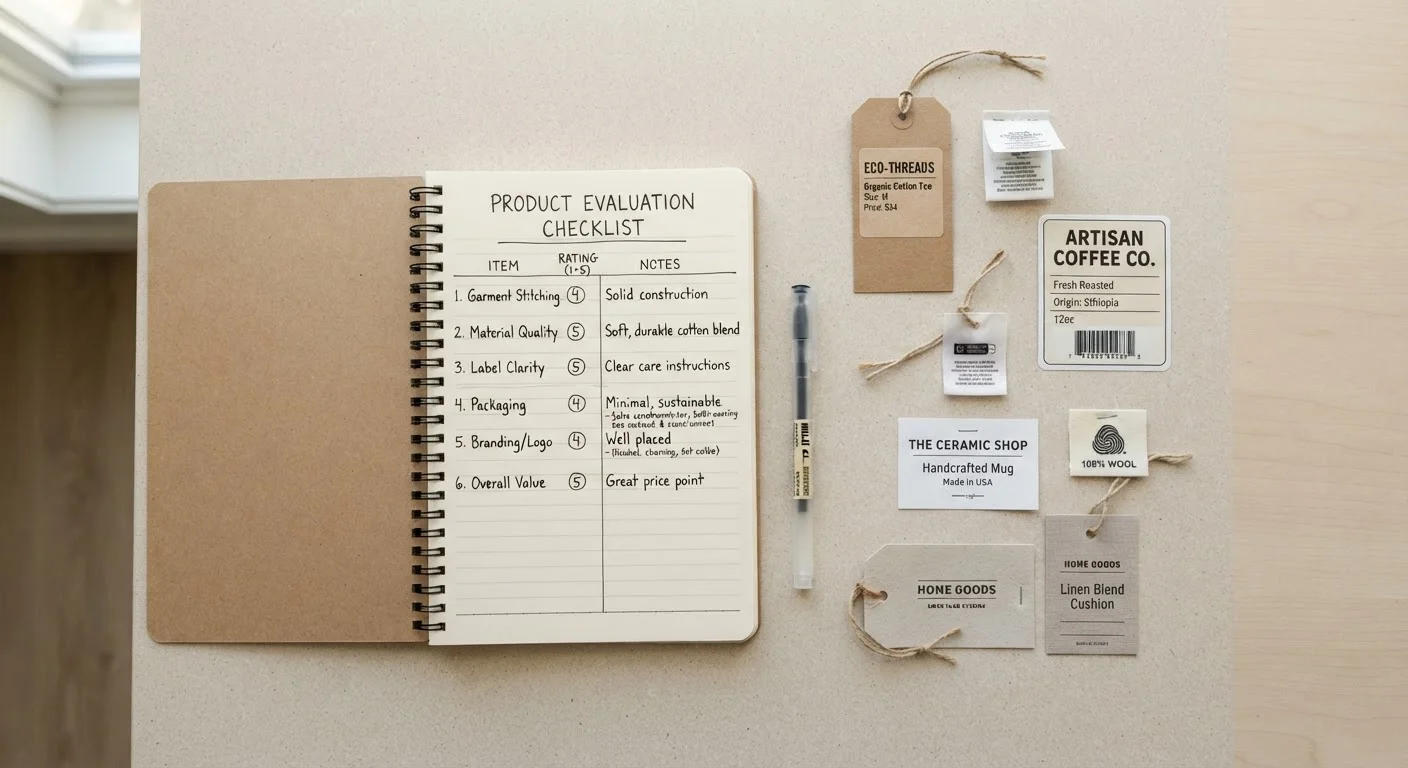
Reviews are one input in a broader evaluation process - not a shortcut around it. For a structured way to pull everything together, see our guide to building your own product evaluation framework.