Why You Need a Personal Evaluation Framework
Marketing is designed to short-circuit rational decision-making. Packaging uses emotional language, ads highlight best-case scenarios, and online listings bury important limitations in fine print. Without a consistent personal process, most shoppers end up making decisions based on whichever product was presented most persuasively - not which one fits their actual needs.
A category-agnostic evaluation framework changes that dynamic. It works whether you're assessing a kitchen appliance, a piece of outdoor gear, or a financial product. The goal is always the same: replace gut reactions and brand loyalty with a structured set of questions that surface what actually matters. See our smart buying tips hub for additional strategies that complement this approach.
Start with a Blank Page, Not a Search Bar
Before you search for any product, write down your actual requirements in plain language. Jumping straight to listings means you'll evaluate products on the terms marketers have set, not your own. Even two minutes of upfront clarity dramatically improves the quality of your final decision.
Step 1 - Define the Job the Product Must Do
Before looking at a single spec or review, write down the specific problem you're trying to solve. This is called use-case definition, and it's the most skipped step in consumer research. Ask yourself: What task does this need to perform? How often? Under what conditions? Who else will use it?
Being explicit here prevents feature creep - the tendency to pay for capabilities you'll never use because they sounded impressive. It also exposes mismatches early. A vacuum cleaner marketed for pet hair may be overkill if you have one short-haired cat and 400 square feet of hardwood. Matching the product's designed purpose to your actual use case is the foundation the rest of the framework rests on.
If you're shopping online and can't inspect the item in person, use-case clarity becomes even more critical. See how to evaluate a product when you can't try it first for research strategies that close the gap.
Write your use case in one sentence before opening any product listing. If the product's description doesn't address that sentence directly, it's probably not a fit - regardless of how appealing the other features sound.
Cognitive research consistently shows that people anchor to the first information they encounter. Defining your need first prevents marketing framing from setting the agenda.
Search for the product's model number alongside the word 'recall' and the relevant regulatory agency (CPSC for most consumer goods in the US). It takes 30 seconds and can catch safety issues that don't appear in review summaries.
The Consumer Product Safety Commission maintains a publicly searchable recall database. Most shoppers never check it, even for products with active safety notices.
Step 2 - Assess Build Quality and Specifications Objectively
Once you know what the product needs to do, look at whether its physical and technical specifications actually support that function. Focus on measurable attributes: materials, dimensions, rated capacity, energy consumption, warranty terms, and regulatory compliance marks.
Translate marketing adjectives into testable claims. "Heavy-duty" means nothing until you know the load rating. "Long-lasting" is meaningless without a stated lifespan or warranty period. If a spec sheet doesn't include numbers, that's a signal worth noting.
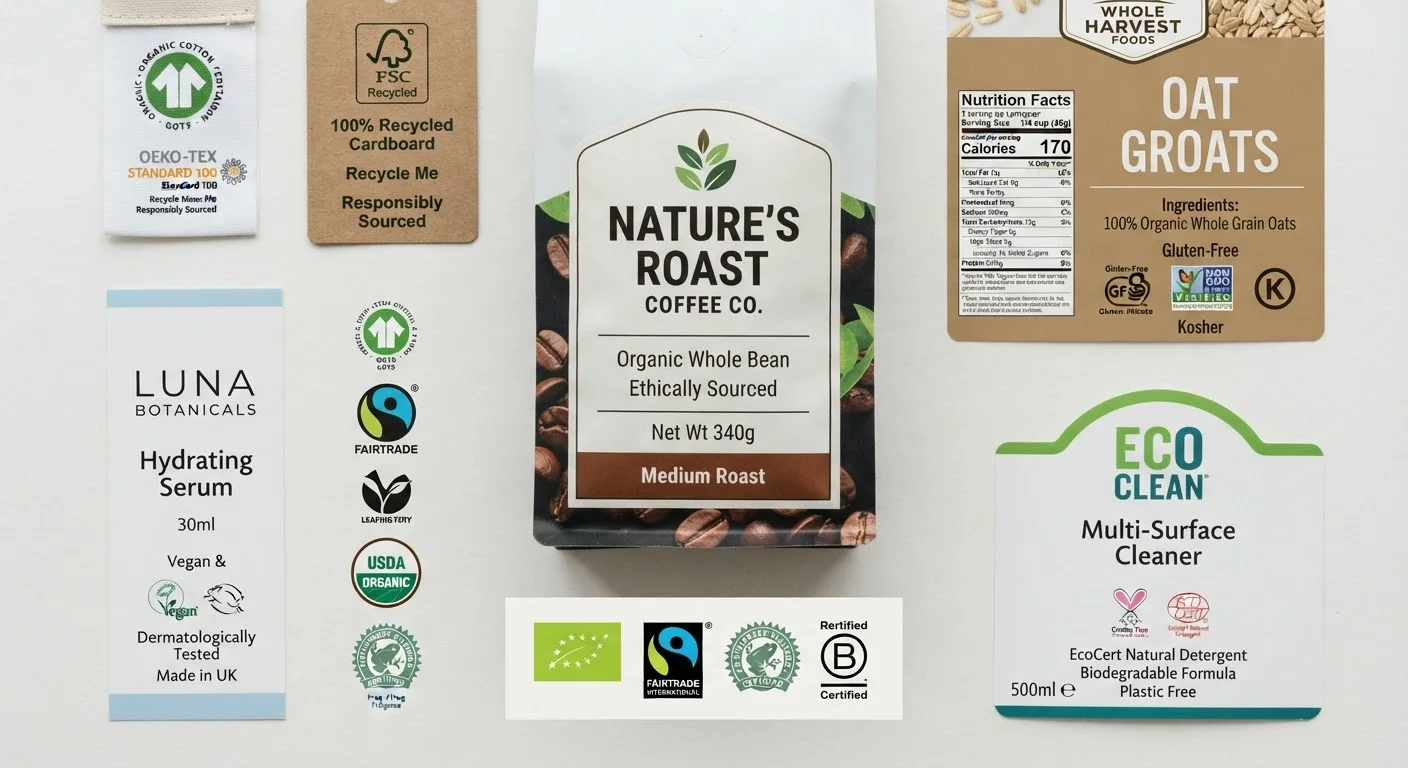
Third-party certifications are one of the most reliable shortcuts here - a UL Listed mark, an Energy Star rating, or an NSF certification reflects independent testing, not the manufacturer's own assessment. Learn which certifications carry real meaning and which are self-awarded marketing badges before you rely on them.
82%
Consumers influenced by online reviews
According to research from BrightLocal's consumer review surveys, the vast majority of shoppers say online reviews affect their purchasing decisions as much as personal recommendations.
~30%
Online reviews estimated to be fake or incentivized
The FTC and independent academic studies have estimated that a substantial share of product reviews on major retail platforms are unreliable due to incentivization or manipulation.
2-3×
Lifetime cost vs. purchase price for some appliances
Consumer Reports analyses of major appliances have found that operating, maintenance, and repair costs can double or triple the effective cost over a product's lifespan.
Step 3 - Vet the Evidence Behind the Claims
Product claims need evidence proportional to their impact on your decision. For every significant claim, ask: Who says so? Is this the manufacturer, a paid influencer, or an independent tester? Are reviews verified and diverse, or suspiciously uniform?
Look for reviews that describe specific failure modes and long-term use, not just first-impression enthusiasm. Search for the product name alongside terms like "problems," "after six months," or "returned" to surface real-world performance data that positive reviews often omit.
Be especially cautious with aggregate star ratings on retail platforms, where review manipulation is a documented problem. Prioritize independent editorial reviews, consumer advocacy organizations, and verified owner communities when they're available for the product category you're researching.
Step 4 - Evaluate True Cost and Long-Term Value
Sticker price is one input, not the whole picture. True cost over the product's useful life includes: replacement parts, consumables (filters, blades, ink cartridges), required accessories, maintenance labor, energy consumption, and the realistic cost of replacement when it wears out.
A lower upfront price can represent worse value if the product fails in 18 months or requires expensive proprietary consumables. Conversely, a higher-priced item with a longer warranty and freely available parts may cost less per year of use. Run a simple per-year cost estimate: divide the total expected cost of ownership by the realistic lifespan in years.
This step also applies to return policies and warranty terms. A no-questions-return window and a manufacturer's warranty that doesn't require you to ship the item across the country both have real monetary value. The pre-purchase checklist covers exactly these terms to verify before you commit.
Putting the Framework Into Practice
The framework's value compounds when applied consistently. After a few purchases, you'll recognize which product categories have reliable independent data, where marketing language is most misleading, and which evaluation steps save you the most time for different types of items.
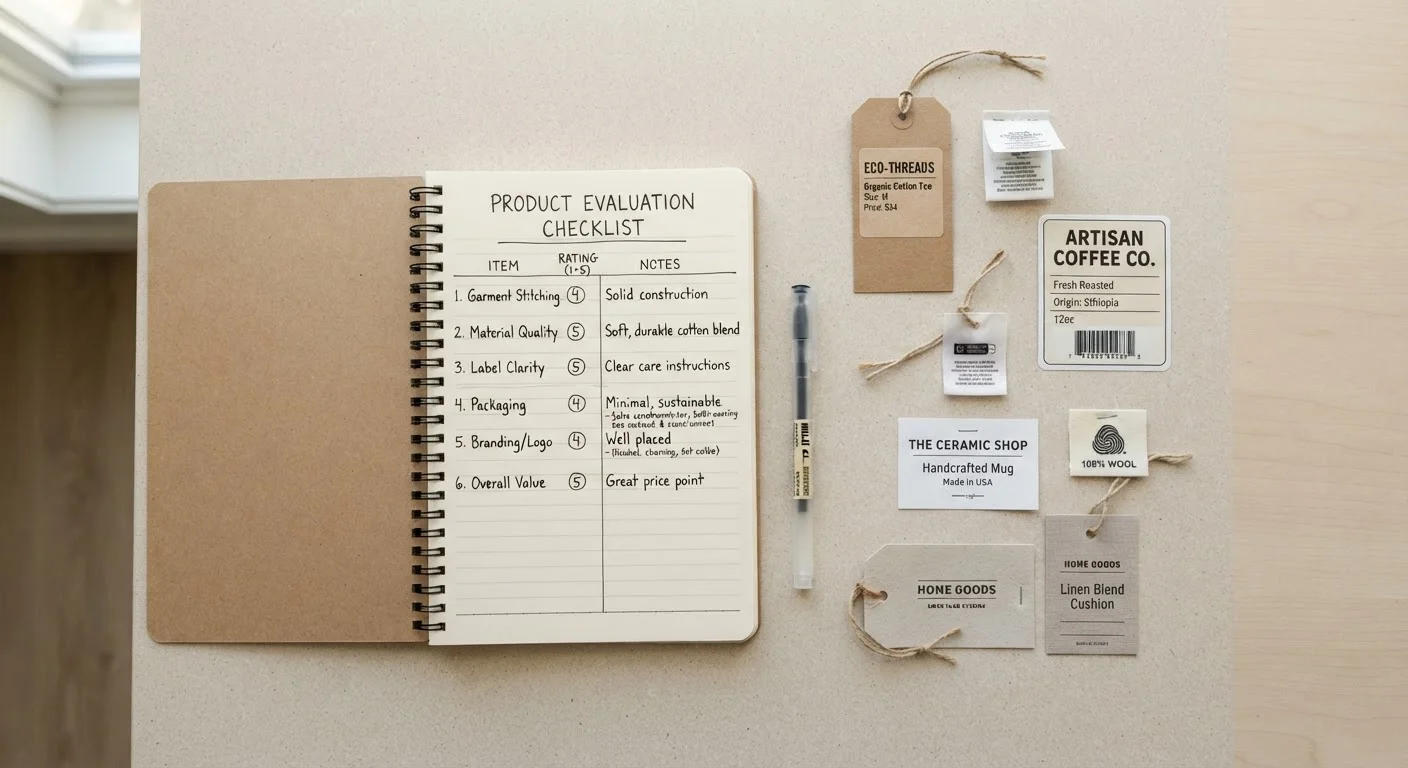
For every significant purchase, run through the four steps in sequence: define the job, verify the specs, vet the evidence, calculate true cost. Document your reasoning briefly - even a few notes in a phone app. If something goes wrong with the product later, your notes tell you whether the issue was foreseeable or a genuine failure. That information makes returns, warranty claims, and future purchasing decisions faster and more confident.
The full picture of building confident buying habits - from identifying a need through post-purchase follow-up - is covered in The Smart Shopper's End-to-End Buying Process.