Why a Framework Beats a Formula
Calorie counting can be a useful clinical tool, but for most people navigating everyday meals, the math quickly becomes unsustainable. Research in behavioral nutrition consistently shows that simplified decision frameworks - rather than precise numerical targets - are more likely to stick over the long term.
The goal of a balanced plate isn't perfection at every sitting; it's building a reliable pattern that delivers the variety of nutrients your body needs. This approach aligns with several well-studied dietary models. For a deeper look at how different eating patterns compare, see our overview of Mediterranean, DASH, and plant-based eating.
The steps below give you a practical, adaptable system you can apply whether you're cooking at home, ordering at a restaurant, or assembling lunch from a cafeteria line.
What you will need
How to Build Your Balanced Plate
Follow these steps at your own pace. You don't need to apply all of them at once - start with whichever feels most manageable and build from there.
Divide your plate visually into three zones
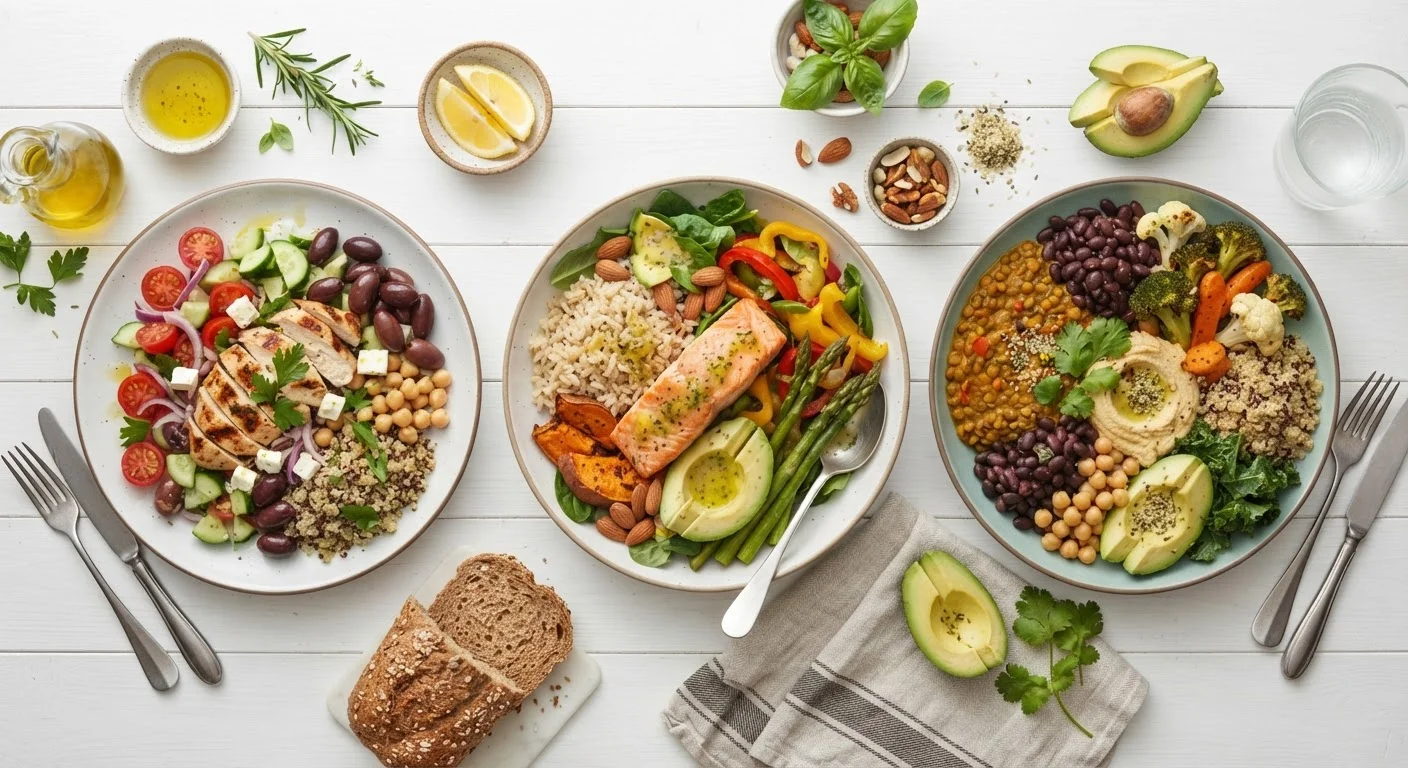
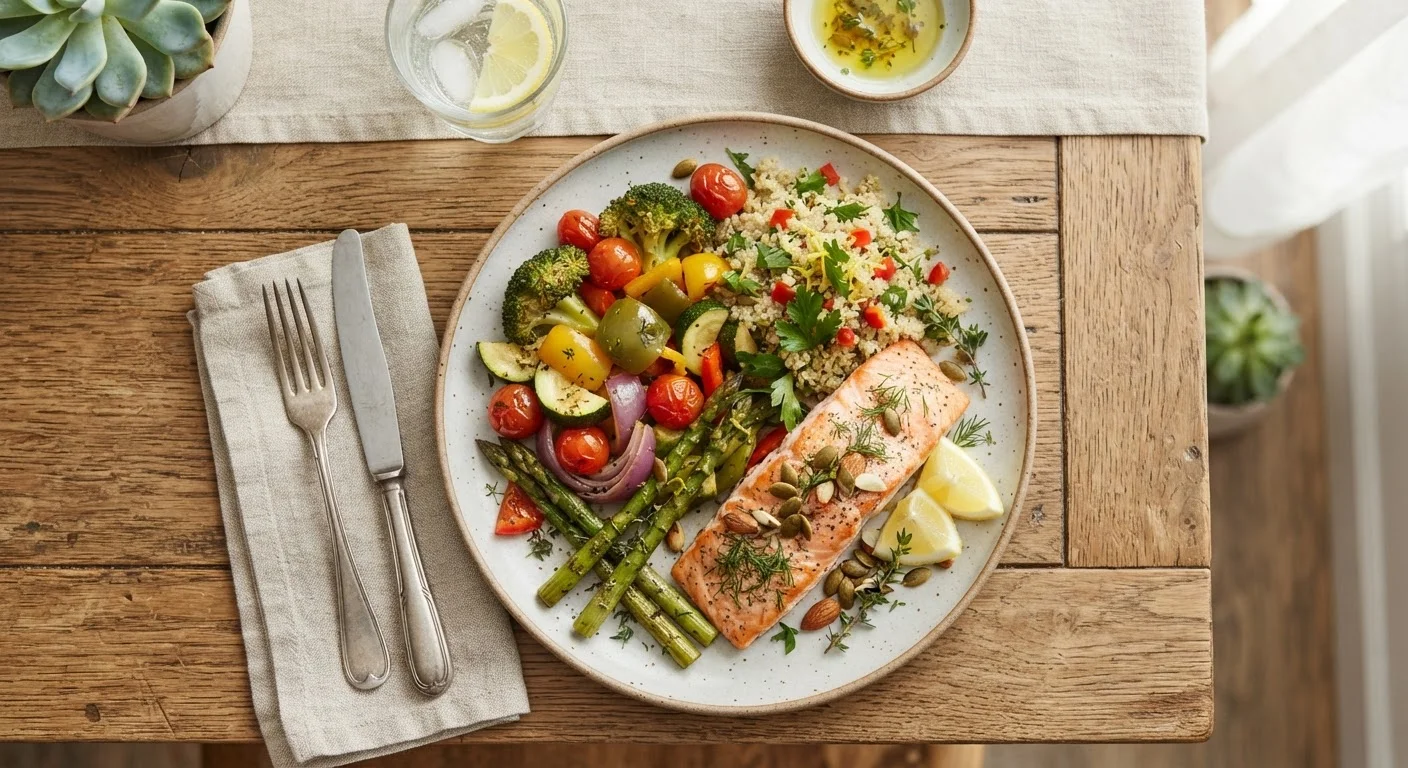
Without measuring anything, mentally divide your plate into sections: half for non-starchy vegetables, one quarter for a protein source, and one quarter for a whole grain or starchy vegetable. This proportion - popularized by nutrition educators and supported by public health guidelines - ensures fiber, protein, and energy-yielding carbohydrates are all represented.
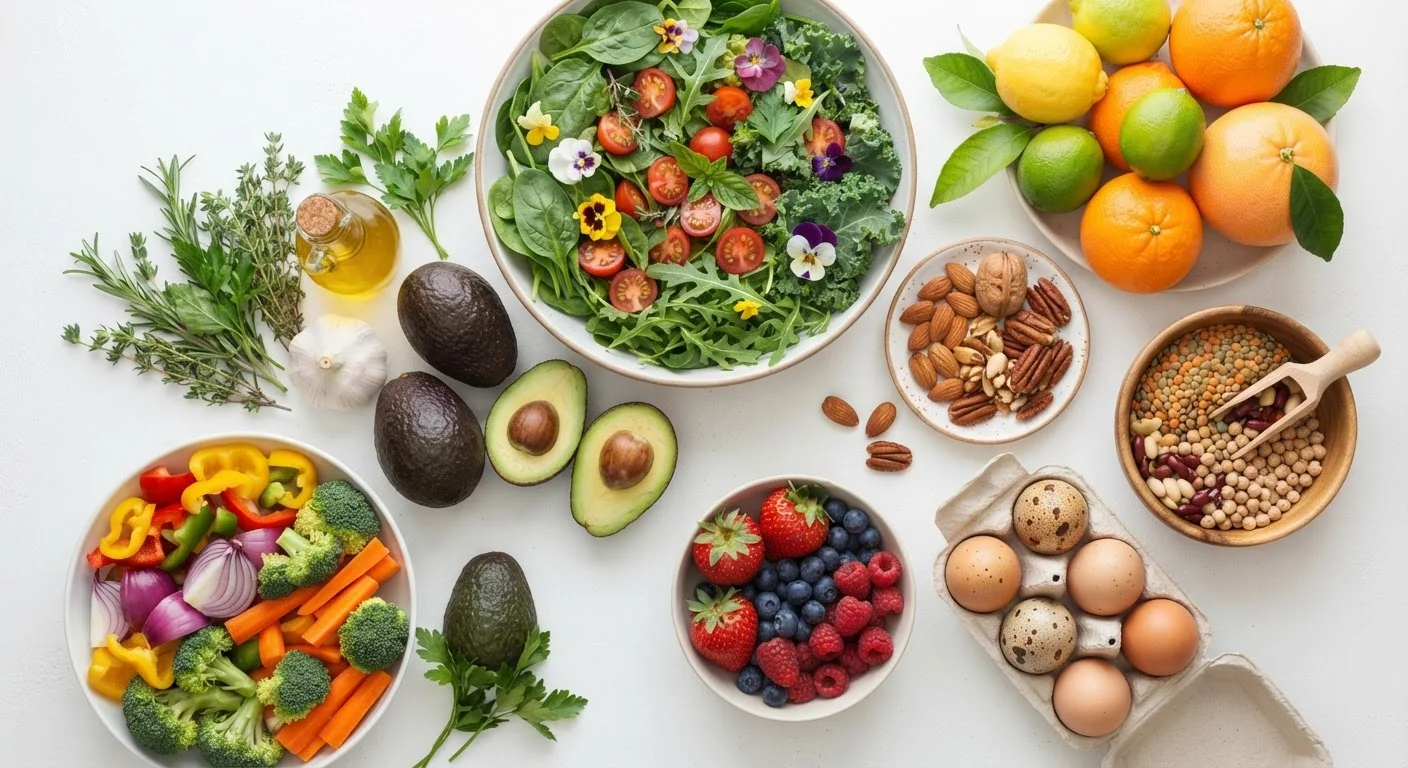
Non-starchy vegetables include leafy greens, broccoli, peppers, cucumbers, tomatoes, and similar options. Starchy vegetables like potatoes and corn count in the grain quarter rather than the vegetable half.
Choose a protein anchor
Protein slows digestion and supports satiety. It also provides amino acids essential for tissue maintenance. Practical options include legumes (beans, lentils, chickpeas), fish, poultry, eggs, tofu, tempeh, or lean cuts of meat. Aim for variety across the week rather than defaulting to the same source every day.
A useful visual benchmark: a protein portion roughly the size and thickness of your palm is a reasonable starting point for most adults, though individual needs vary based on age, activity level, and health status.
Add a whole grain or starchy vegetable
Whole grains - such as brown rice, oats, whole wheat bread, quinoa, or barley - retain more fiber and micronutrients than their refined counterparts. They digest more gradually, which helps moderate blood sugar response. Starchy vegetables like sweet potatoes, corn, and peas offer similar carbohydrate energy alongside beneficial plant compounds.
A cupped handful is a common visual guide for a cooked grain serving, though this is approximate and not a clinical prescription.
Fill the vegetable half with color variety
Different vegetable colors often signal different phytonutrients and antioxidants. Rotating between dark leafy greens, orange and red vegetables, cruciferous options (broccoli, cauliflower, cabbage), and alliums (onions, garlic) provides a broader nutritional profile than relying on one or two favorites.
Frozen vegetables are nutritionally comparable to fresh and are often more economical - there is no nutritional obligation to buy fresh exclusively.
Consider what you drink alongside the meal
Beverages can add substantial sugar or calories without contributing meaningful nutrients. Water, sparkling water, unsweetened teas, and similar options are generally sound choices to accompany meals. Limiting sugar-sweetened drinks is a recommendation that appears consistently across major dietary guidelines.
This doesn't mean eliminating all other beverages - context and enjoyment matter - but being aware of liquid calories is a simple lever many people overlook.
This article is for general informational purposes only and is not a substitute for personalized nutrition or medical advice. Consult a registered dietitian or qualified healthcare professional before making significant changes to your diet, especially if you have a chronic health condition.
Making It Work Over Time
A single balanced meal is a good start, but the real benefit comes from consistency across many meals and days. Variety is especially important - rotating your vegetable choices, protein sources, and grain types broadens the range of vitamins and minerals you consume. For a plain-language guide to what those micronutrients actually do, see our reference guide to vitamins and minerals.
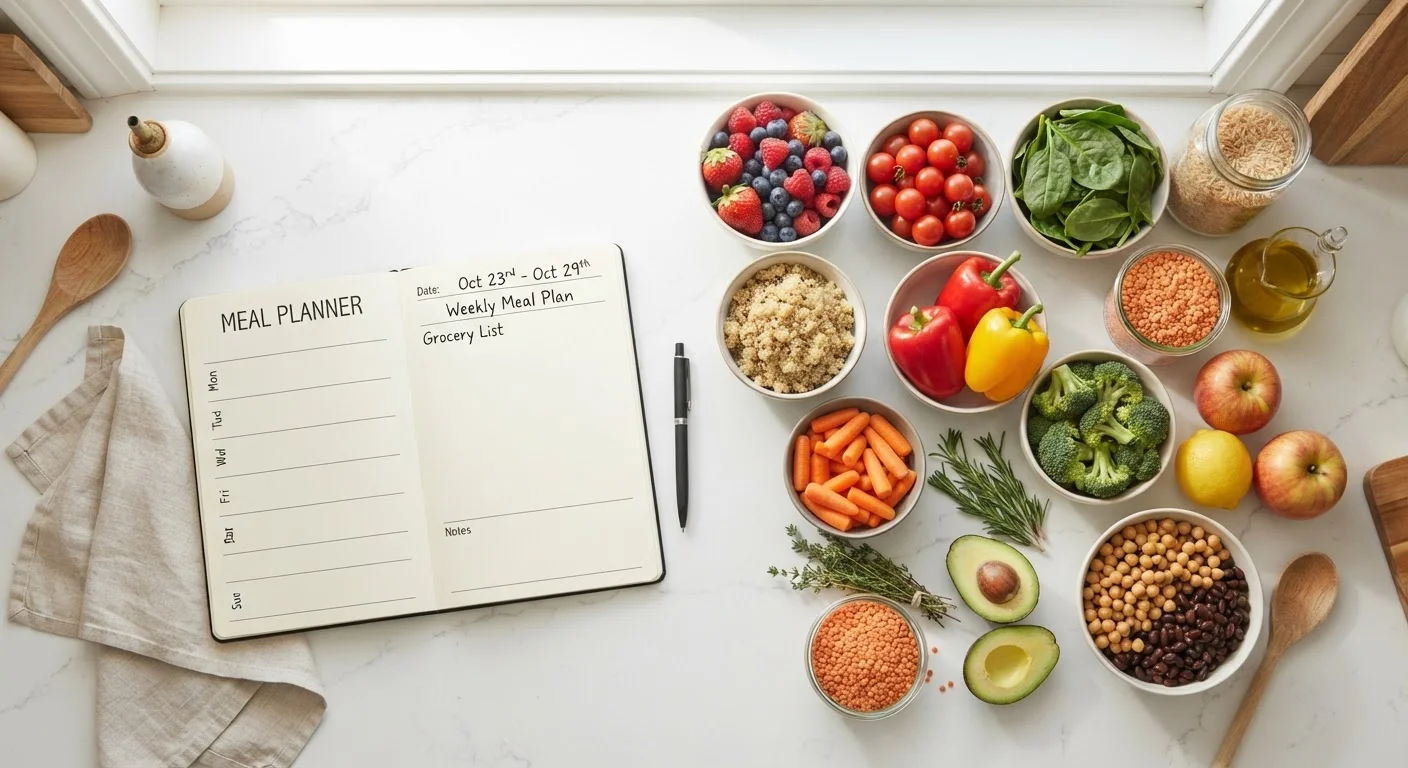
If you're ready to plan ahead, the week of balanced eating checklist walks through meal variety, pantry staples, and prep strategies. And if grocery costs are a concern, eating well on a tight budget offers evidence-informed strategies for stretching your dollar without sacrificing nutrition.
Progress Over Perfection
No single meal determines your long-term health. If one plate doesn't come close to balanced - because of what was available, affordable, or simply appealing - the next one is an opportunity to adjust. Sustainable nutrition is built from patterns across many meals, not from flawless individual choices. Approach this framework as a flexible guide, not a strict rulebook.