
What Are Vitamins and Minerals?
Vitamins and minerals are micronutrients - compounds your body needs in small amounts but cannot always produce on its own. Unlike macronutrients (protein, carbohydrates, and fat), they supply no calories, yet they are involved in nearly every biological process: converting food into energy, supporting immune function, building bone, and regulating nerve signals.
Vitamins are organic compounds, meaning they contain carbon and can be broken down by heat, air, or acid. Minerals are inorganic elements - such as iron or calcium - that retain their chemical structure regardless of cooking. Both categories are divided further: vitamins are either fat-soluble (A, D, E, K) or water-soluble (C and the B vitamins), while minerals are grouped as macrominerals (needed in larger amounts, like calcium and magnesium) or trace minerals (needed in smaller amounts, like zinc and selenium).
If you're newer to nutrition concepts, our introduction to foundational nutrition ideas is a useful starting point before diving deeper here.
Micronutrient
A vitamin or mineral required by the body in small amounts to support normal physiological function. Unlike macronutrients, micronutrients provide no calories but are essential for health.
Fat-soluble vitamin
Vitamins A, D, E, and K, which dissolve in fat and are stored in the body's fatty tissue and liver. Because they accumulate, excessive intake from supplements can reach harmful levels.
Water-soluble vitamin
Vitamin C and the eight B vitamins, which dissolve in water and are not significantly stored by the body. Excess amounts are typically excreted in urine, though very high doses can still pose risks.
Macromineral
Minerals needed in relatively larger daily amounts, including calcium, phosphorus, magnesium, sodium, potassium, chloride, and sulfur. They play key roles in bone structure, fluid balance, and muscle function.
Trace mineral
Minerals required in very small quantities, such as iron, zinc, selenium, iodine, and copper. Despite low quantities needed, deficiencies can have significant health consequences.
Deficiency
A state in which the body does not have sufficient amounts of a particular nutrient to support normal function. Deficiencies can result from inadequate dietary intake, poor absorption, or increased physiological demand.
Key Vitamins: What They Do and Where to Find Them
The table below summarizes the major vitamins, their primary roles, common food sources, and signs that intake may be insufficient. Note that deficiency symptoms can overlap with other conditions - a healthcare provider should evaluate any concerns.
| Vitamin | Primary Role | Food Sources | Common Deficiency Signs |
|---|---|---|---|
| Vitamin A | Vision, immune support, cell growth | Liver, dairy, sweet potato, carrots, leafy greens | Night blindness, dry skin |
| Vitamin D | Calcium absorption, bone health, immune regulation | Fatty fish, fortified dairy and plant milks, egg yolks; also made via sunlight exposure | Fatigue, bone pain, frequent illness |
| Vitamin E | Antioxidant protection, immune function | Nuts, seeds, vegetable oils, spinach | Nerve and muscle problems (rare in healthy adults) |
| Vitamin K | Blood clotting, bone metabolism | Leafy greens (kale, spinach), broccoli, fermented foods | Impaired clotting, easy bruising |
| Vitamin C | Collagen synthesis, antioxidant, iron absorption | Citrus fruit, bell peppers, strawberries, broccoli | Fatigue, slow wound healing, scurvy (severe deficiency) |
| B Vitamins (group) | Energy metabolism, red blood cell production, nerve health | Whole grains, legumes, meat, eggs, dairy, leafy greens | Varies by specific B vitamin - fatigue, numbness, anemia |
Fat-soluble vitamins (A, D, E, K) are stored in body fat and the liver, so excessive supplementation can lead to toxicity. Water-soluble vitamins (C, B vitamins) are not stored as readily and are excreted in urine - but that doesn't make megadoses risk-free. Always consult a qualified healthcare professional before starting any supplement regimen.
Key Minerals: Functions, Sources, and Deficiency Signs
Minerals support structure - bones and teeth - as well as dynamic processes like fluid balance, muscle contraction, and oxygen transport.
| Mineral | Primary Role | Food Sources | Common Deficiency Signs |
|---|---|---|---|
| Calcium | Bone and tooth structure, muscle and nerve function | Dairy, fortified plant milks, tofu, leafy greens, canned fish with bones | Muscle cramps, brittle nails, reduced bone density over time |
| Iron | Oxygen transport (hemoglobin), energy metabolism | Red meat, poultry, lentils, beans, fortified cereals, spinach | Fatigue, pale skin, shortness of breath (iron-deficiency anemia) |
| Magnesium | Muscle and nerve function, blood sugar regulation, protein synthesis | Nuts, seeds, legumes, whole grains, dark chocolate, leafy greens | Muscle cramps, sleep difficulties, irritability |
| Potassium | Fluid balance, heart rhythm, muscle function | Bananas, potatoes, beans, dairy, fish | Muscle weakness, irregular heartbeat (hypokalemia) |
| Zinc | Immune function, wound healing, taste and smell | Oysters, red meat, poultry, beans, nuts, dairy | Impaired immunity, slow wound healing, taste changes |
| Iodine | Thyroid hormone production, metabolism | Iodized salt, seafood, dairy | Goiter, fatigue, weight changes |
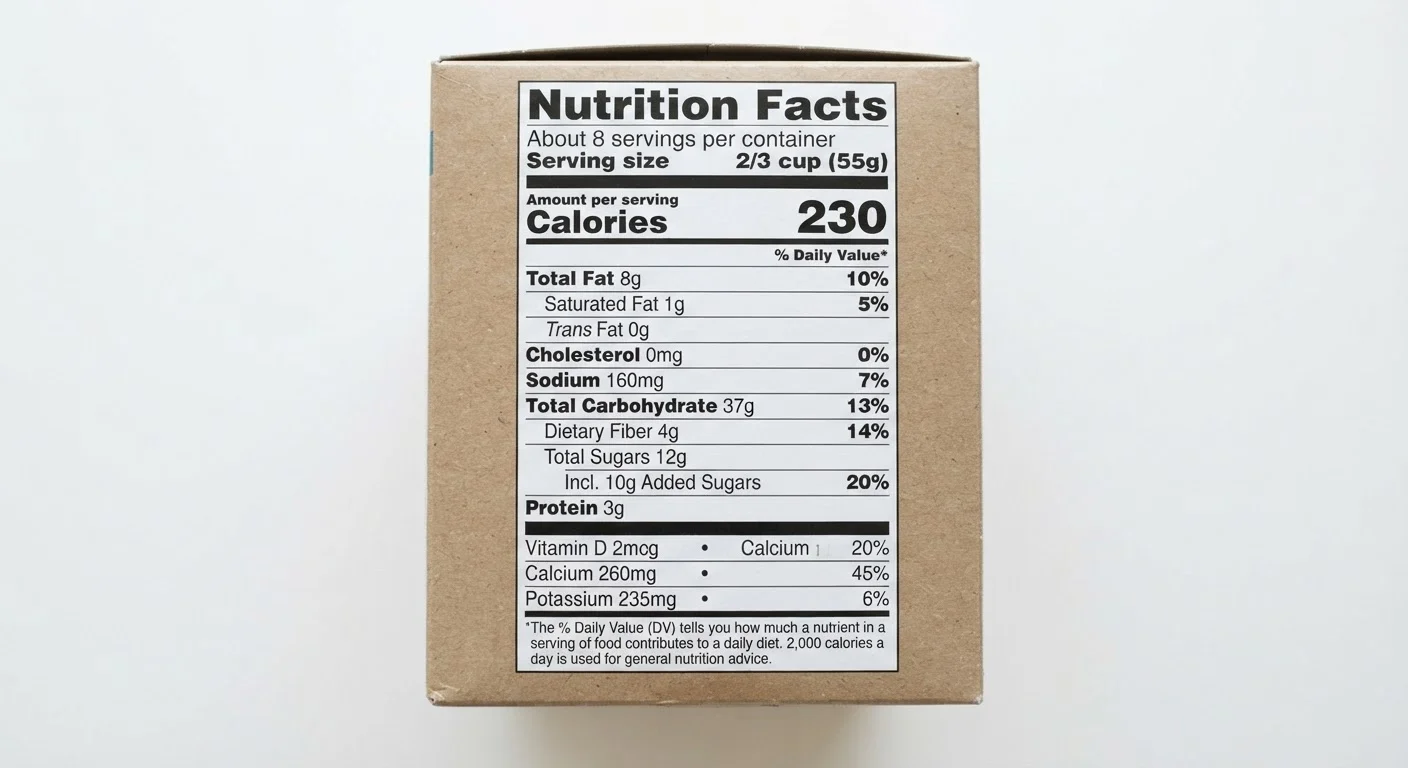
For help reading how minerals appear on packaged foods, our guide to decoding nutrition labels explains percent daily values and what they mean in practice.
| Total essential vitamins | 13 (4 fat-soluble, 9 water-soluble) (National Institutes of Health, Office of Dietary Supplements) |
| Essential dietary minerals | Approximately 16 recognized as essential for humans (Established nutritional science consensus) |
| Most common global deficiency | Iron deficiency - affects an estimated 2 billion people worldwide (World Health Organization) |
| Vitamin D status concern | Widespread insufficiency reported across many populations, especially in low-sunlight regions (National Health and Nutrition Examination Survey (NHANES) data) |
| Best dietary strategy | Dietary variety across whole food groups (Dietary Guidelines for Americans) |
| Supplement guidance | Consult a healthcare provider before starting supplements; more is not always better (NIH Office of Dietary Supplements) |
Getting Enough Micronutrients Through Food - and When to Seek Guidance
For most generally healthy adults, a varied diet that emphasizes vegetables, fruits, whole grains, legumes, nuts, and lean proteins covers the majority of micronutrient needs. No single food is essential, but dietary diversity is one of the strongest predictors of adequate micronutrient intake. Our balanced plate framework offers practical, calorie-count-free strategies for building varied, nutrient-dense meals.
Certain groups face higher deficiency risk: people who are pregnant, older adults, those following restrictive diets, individuals with malabsorption conditions, and people with limited sunlight exposure. If you fall into one of these groups, or if you're experiencing symptoms that could indicate a deficiency, speak with a licensed healthcare provider or registered dietitian - they can recommend appropriate testing and any targeted interventions.
Budget is a real concern for many households. Nutrient-dense foods don't have to be expensive; our article on eating well on a tight budget covers evidence-informed ways to meet your nutritional needs without overspending.
This article is for general informational and educational purposes only and is not a substitute for professional medical or dietary advice. Consult a qualified healthcare provider with any questions about your individual nutritional needs, symptoms, or supplement use.