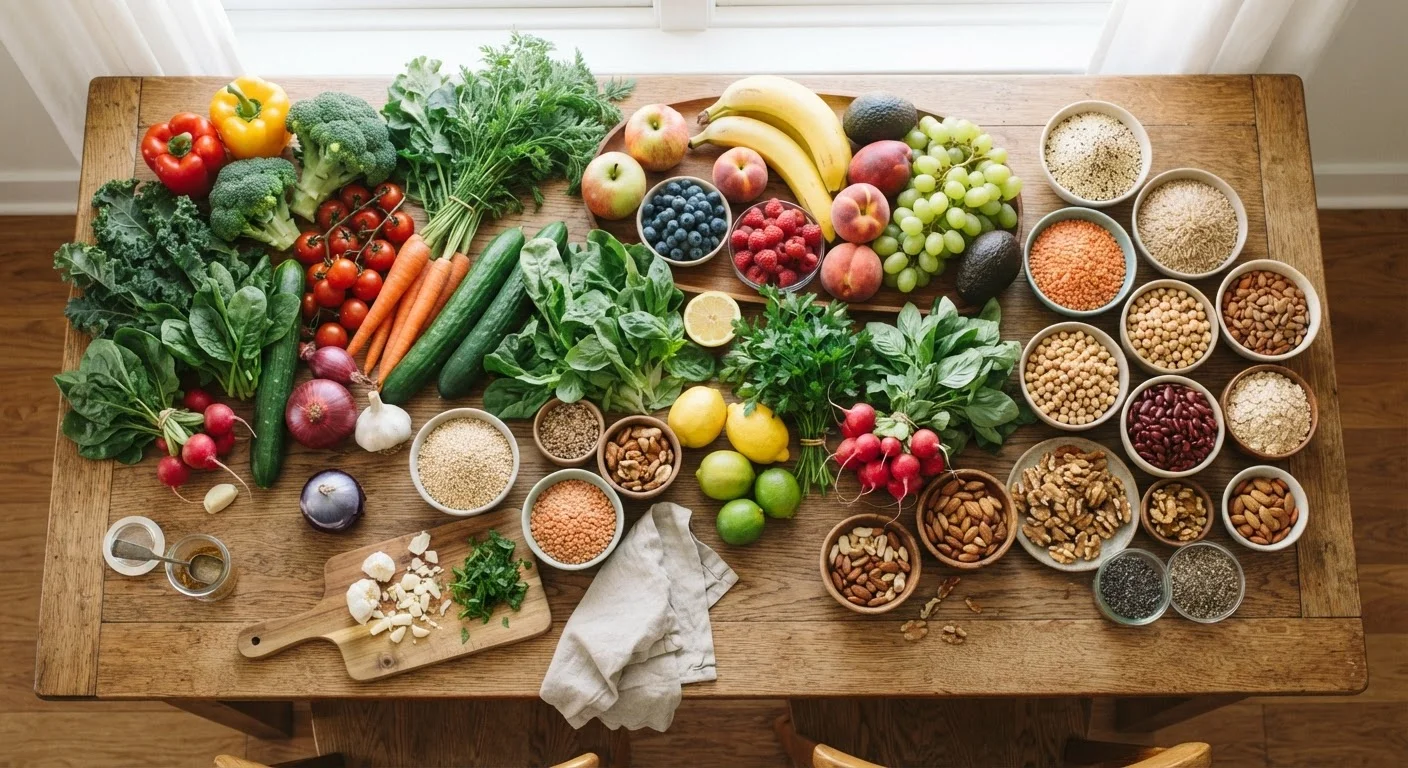

Why Fiber Deserves More Attention
Fiber rarely gets the spotlight that protein or vitamins do, yet research consistently links adequate fiber intake to a lower risk of heart disease, type 2 diabetes, and colorectal cancer. According to data from the National Institutes of Health, most American adults consume roughly 15 grams of fiber per day - well below the recommended range. That persistent gap has real consequences for everyday health.
If you're new to thinking about what you eat, it helps to start with the basics. Our beginner's guide to nutrition covers foundational concepts that put fiber in a broader context. Understanding fiber is also a natural extension of reading how carbohydrates, protein, and fat work in your body.
~15g
Average daily fiber intake for U.S. adults
The Dietary Guidelines for Americans recommend 25-38g per day depending on age and sex; most adults fall well short of that target.
95%
Americans who fall short of fiber recommendations
A landmark analysis published in the American Journal of Lifestyle Medicine identified fiber as one of the most widespread nutrient shortfalls in the U.S. diet.
10-15%
Reduction in LDL cholesterol linked to soluble fiber
Research published in the American Journal of Clinical Nutrition suggests consistent soluble fiber consumption can modestly reduce LDL cholesterol as part of an overall healthy diet.
Soluble vs. Insoluble: Two Types, One Goal
Soluble fiber dissolves in water and forms a thick gel in the digestive tract. This slows digestion, which helps steady blood sugar levels and reduces LDL (often called "bad") cholesterol. Oats, barley, apples, citrus fruit, and legumes are well-known soluble fiber sources.
Insoluble fiber does not dissolve in water. Instead, it adds bulk to stool and speeds transit through the intestines, which supports regular bowel movements and may lower the risk of constipation-related complications. Whole wheat products, nuts, green beans, and the skins of many vegetables and fruits are good sources.
Most plant foods contain both types, so eating a varied diet naturally provides a mix of each. You don't need to track them separately - simply prioritizing whole, minimally processed plant foods tends to get the balance right.
What Fiber Does in Your Body
Fiber's benefits extend well beyond digestion. Here's a summary of the key roles it plays:
- Heart health: Soluble fiber binds to cholesterol particles during digestion and helps remove them from the body, which can support healthier cholesterol levels over time.
- Blood sugar management: Fiber slows glucose absorption, which moderates blood sugar spikes after meals - a benefit relevant for everyone, not just those managing diabetes.
- Gut microbiome support: Certain fibers - called prebiotics - feed beneficial bacteria in the large intestine, supporting a diverse and healthy gut microbiome, which researchers increasingly link to immune function and overall wellness.
- Satiety: High-fiber foods tend to be more filling, which can help with overall energy balance - though fiber alone is not a weight-loss solution.
A person swaps their morning white toast for two slices of 100% whole wheat bread and adds a sliced apple on the side.
Someone preparing a weeknight soup adds a can of rinsed lentils to a vegetable broth base instead of noodles.
A parent packs carrot sticks and hummus in their child's lunchbox instead of a bag of potato chips.
Practical Ways to Eat More Fiber
Increasing fiber doesn't require exotic ingredients or expensive superfoods. Small, consistent substitutions are often the most sustainable approach. See our article on eating well on a tight budget for strategies that align fiber-rich eating with everyday grocery spending.
- Swap refined grains for whole grain versions of bread, pasta, and rice.
- Add a serving of legumes - lentils, chickpeas, or black beans - to soups, salads, or grain bowls several times per week.
- Keep fruit whole rather than juiced; most of the fiber is in the flesh and skin.
- Choose snacks like nuts, seeds, or raw vegetables over processed crackers or chips.
One important caveat: increase fiber gradually over several weeks rather than all at once. A sudden, large increase can cause gas, bloating, and discomfort. Drinking adequate water is equally important, as fiber works best when it can absorb fluid in the digestive tract. You can also check how hydration interacts with your diet for more on this connection.
When reading packaged foods, the fiber content listed on the nutrition label is your clearest guide. Our nutrition label explainer walks through exactly how to read that information accurately.
This article is for general informational and educational purposes only and is not a substitute for professional medical or dietary advice. Please consult a qualified healthcare provider with any questions about your individual nutritional needs or health conditions.