
Carbohydrates: Your Body's Preferred Fuel
Carbohydrates are the nutrient your body reaches for first when it needs energy. When you eat carbs - whether from oatmeal, fruit, or bread - your digestive system breaks them down into glucose, a simple sugar that circulates in the bloodstream and fuels your cells, including your brain and muscles.
Not all carbohydrates behave the same way. Simple carbohydrates (found in table sugar and many processed foods) are digested quickly, producing a rapid rise and fall in blood sugar. Complex carbohydrates (found in whole grains, legumes, and vegetables) digest more slowly, offering a steadier energy supply and, often, more fiber and micronutrients alongside.
Dietary fiber, technically a type of carbohydrate, is worth calling out separately: it slows digestion, supports gut health, and plays a role in managing blood sugar and cholesterol levels. Most Americans fall well short of recommended fiber intakes.
Despite persistent myths, carbohydrates are not inherently harmful. The science does not support the idea that carbs alone cause weight gain; overall diet quality and total energy intake matter far more.
Protein: The Body's Building Material
Protein is the structural backbone of nearly every tissue in your body. It provides amino acids - organic compounds that are used to build and repair muscle, make enzymes and hormones, support immune function, and maintain skin, hair, and organ tissue. Of the 20 amino acids the body uses, nine are considered essential, meaning your body cannot manufacture them and must obtain them from food.
Animal-based foods - meat, poultry, fish, eggs, and dairy - supply all nine essential amino acids and are called complete proteins. Many plant-based sources (beans, lentils, tofu, tempeh, edamame) are also excellent protein sources; eating a varied plant-based diet generally provides all essential amino acids over the course of a day.
0.8 g/kg
Minimum daily protein RDA for sedentary adults
According to the National Academies of Medicine, this is the Recommended Dietary Allowance for protein per kilogram of body weight for adults with low activity levels.
45-65%
Recommended share of calories from carbohydrates
The Dietary Guidelines for Americans suggest that carbohydrates should make up roughly 45-65% of total daily calorie intake for most adults.
20-35%
Recommended share of calories from dietary fat
Current Dietary Guidelines for Americans recommend that fat account for 20-35% of total daily calories, with an emphasis on unsaturated fat sources.
Protein needs are not one-size-fits-all. Physically active people, older adults, pregnant individuals, and those recovering from illness or surgery may have higher requirements. If you are in one of these groups, speaking with a registered dietitian or physician is the best way to determine what is appropriate for your situation.
Fat: Far More Than Stored Energy
Fat has a complicated reputation, but it is indispensable. Dietary fat performs critical functions: it enables your body to absorb fat-soluble vitamins (A, D, E, and K), supports cell membrane structure, provides the raw material for many hormones, cushions vital organs, and supplies a dense, long-lasting energy source.
The type of fat consumed makes a meaningful difference in how it affects health. Unsaturated fats - found in olive oil, nuts, seeds, and fatty fish - are associated with cardiovascular support in research literature. Saturated fats - common in red meat and full-fat dairy - warrant more moderation according to current dietary guidelines, though the picture is nuanced and continues to be studied. Trans fats, largely eliminated from the U.S. food supply through regulatory action, are the category most consistently linked to negative health outcomes in research.
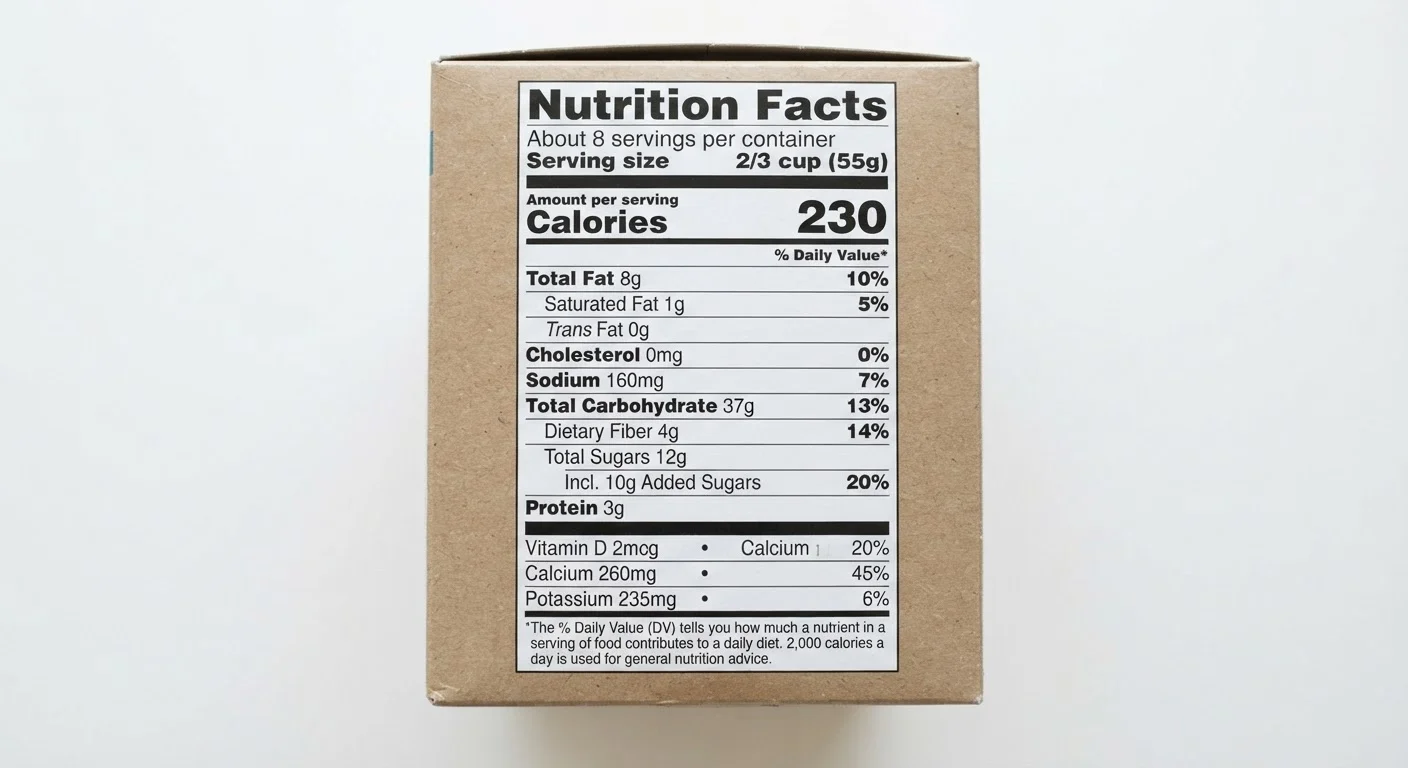
Understanding how fat is listed on food packaging can help you make more informed choices - the Nutrition Facts label decoded breaks down the different fat categories clearly.
Fat does not need to be minimized to be healthy. Diets that include adequate healthy fats - like a traditional Mediterranean-style pattern - are well-supported in the nutrition literature.
Putting It All Together
No single macronutrient is the hero or the villain of your diet. Each one contributes something the others cannot replace, and they work in coordination: carbohydrates spare protein from being burned as fuel so it can do its structural work; fat slows digestion and helps regulate appetite; protein and fat together slow the absorption of carbohydrates and moderate blood sugar response.
Rather than fixating on ratios or elimination, most mainstream nutrition guidance points toward the same general pattern: emphasize whole foods, include a variety of protein sources, choose unsaturated fats where possible, and favor complex carbohydrates with meaningful fiber content. If you are just beginning to think critically about your diet, our beginner's guide to nutrition concepts is a useful starting point.
What you drink also shapes your overall nutrition picture. Beverages contribute calories, sugar, and hydration in ways that interact with macronutrient balance - the role of hydration in your diet is worth understanding alongside solid food intake.
This article is for general informational and educational purposes only and does not constitute medical or dietary advice. Consult a qualified healthcare professional or registered dietitian before making significant changes to your diet.