
Why Beverages Belong in the Nutrition Conversation
Most nutrition conversations focus on what's on your plate - proteins, carbohydrates, vegetables, and fats. But what fills your glass shapes your diet in ways that often go unexamined. Beverages can deliver a surprising number of calories, sugars, and nutrients, and they interact with your body differently than solid food does.
If you're working toward a more balanced diet, understanding your drinks is as foundational as understanding your meals. Our introduction to foundational nutrition concepts is a useful companion to this topic.
~22%
Share of daily calories from beverages
Research published in nutrition journals has estimated that beverages account for roughly one-fifth of total daily calorie intake for many American adults, primarily driven by sugary drinks.
145 calories
Average calories in a 12-oz. regular soda
The USDA's nutrient database records approximately 140-150 calories in a standard 12-oz. cola, nearly all from added sugar with no meaningful micronutrient contribution.
60%+
Adults who don't meet daily water intake targets
CDC survey data has indicated that more than half of U.S. adults fall short of recommended daily water intake, with sugary beverages often displacing water consumption.
Water: The Baseline Every Drink Is Measured Against
Water is the only beverage your body genuinely requires. It supports nearly every biological process - transporting nutrients, regulating body temperature, flushing waste, and lubricating joints. Unlike other drinks, it delivers these benefits without added calories, sugars, or compounds that need to be metabolized.
Plain water is also the most efficient way to address thirst. Thirst itself is a late signal - mild dehydration can affect concentration and energy before you feel noticeably thirsty. Building consistent water intake throughout the day, rather than waiting for thirst to prompt you, is a practical habit most people can implement immediately.
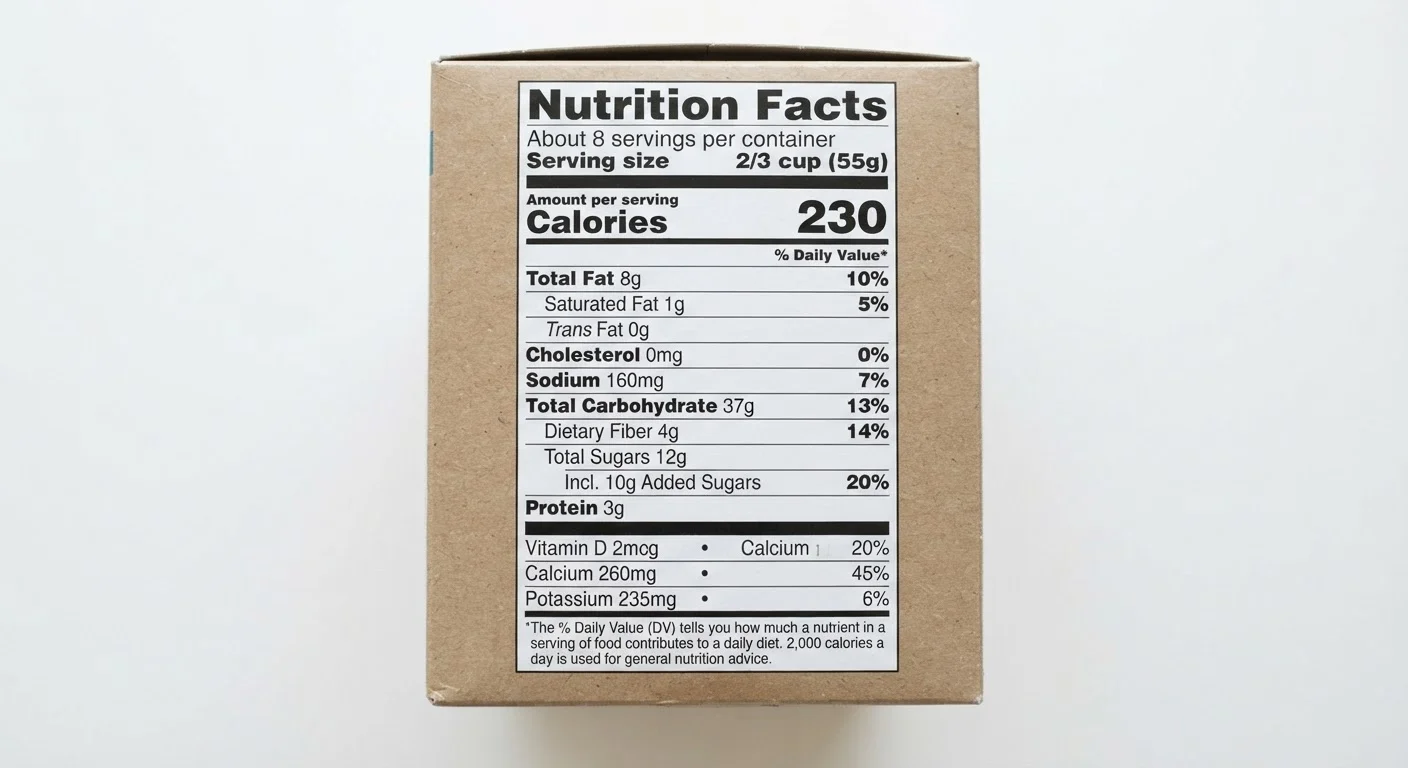
Sparkling water and mineral water are generally comparable to plain water nutritionally, though some flavored sparkling varieties contain added sweeteners or sodium worth checking on the label. Our article on reading nutrition labels can help you evaluate what's actually in any bottled beverage.
Juice, Smoothies, and the Sugar Question
Fruit juice is widely perceived as a healthy choice, and in some respects it is - 100% juice can provide vitamins like vitamin C and potassium. But juice is also a concentrated source of natural sugar and, in most commercial forms, lacks the dietary fiber found in whole fruit. Without fiber to slow digestion, the sugars in juice are absorbed more rapidly, producing a faster rise in blood glucose compared to eating an orange or an apple.
Blended smoothies retain more fiber than pressed juice, but commercial smoothies often include sweetened ingredients - flavored yogurt, fruit concentrates, or added syrups - that significantly increase the sugar load. Homemade smoothies made with whole fruits, vegetables, and unsweetened bases give you more control over what goes in.
For broader context on how sugar and other macronutrients function in the diet, see our explainer on what carbs, protein, and fat actually do.
Coffee, Tea, and the Role of Bioactive Compounds
Coffee and tea are among the most widely consumed beverages in the United States, and both contain compounds beyond simple calories. Caffeine, the most recognized, improves alertness and focus at moderate intake. Both beverages also contain polyphenols - plant-based compounds associated in observational research with various health markers - though the research is ongoing and not a basis for health claims.
The nutritional concern with coffee and tea often comes from what's added to them. A plain brewed coffee is nearly calorie-free; a large flavored coffee drink with syrup, cream, and whipped topping can carry as many calories as a full meal. Similarly, sweet tea or heavily sweetened iced tea can rival soda in sugar content. The drink itself is rarely the issue - the additions frequently are.
A Simple Rule for Coffee and Tea
Evaluate your coffee or tea by what you add to it, not the drink itself. Before ordering or preparing your next cup, consider whether the additions - syrups, creamers, sugars - are contributing to a pattern of excess sugar in your daily routine. Gradually reducing sweeteners rather than eliminating them all at once tends to be more sustainable for most people.
Sports Drinks, Sodas, and Beverages to Approach Thoughtfully
Sports drinks are designed for a specific purpose: replacing electrolytes (minerals like sodium and potassium) lost through sweat during prolonged, high-intensity exercise. For that use case, they serve a real function. For everyday moderate activity, however, the added sugar in most sports drinks is unnecessary, and plain water handles rehydration adequately.
Regular soda provides calories almost entirely from added sugar with essentially no nutritional benefit. Diet sodas eliminate the calories but substitute artificial sweeteners, and their long-term effects remain a subject of ongoing scientific discussion. Neither category is a nutritional asset in the diet.
Energy drinks are worth special caution - they often combine high caffeine levels with added sugars and other stimulant compounds, and their safety profile, especially for younger people or those with cardiovascular concerns, is not well-established. This is general information; anyone with health conditions should speak with a healthcare provider before regularly consuming high-caffeine beverages.
Recognizing how marketing language around drinks can mislead is part of building better habits. Our piece on persistent nutrition myths addresses several common misconceptions that apply equally to food and beverages.
This article is for general informational and educational purposes only and is not a substitute for professional medical or nutritional advice. Consult a qualified healthcare professional regarding any questions about your individual dietary or health needs.