
Why Nutrition Myths Are So Hard to Shake
Nutrition advice travels fast - through social media feeds, well-meaning friends, and decades-old magazine headlines. The problem is that some of the most confidently repeated ideas about food are either oversimplified, outdated, or flatly contradicted by established nutritional science. Understanding where these myths come from is the first step toward eating more clearly.
Many myths start with a grain of truth. A study shows one thing; a headline strips the nuance. That distorted message then circulates for years, shaping how people shop, cook, and judge their own eating habits. The result: unnecessary food fear, restrictive thinking, and a lot of confusion about what a health-supporting diet actually looks like.
If you're new to thinking critically about nutrition, this grounded introduction to nutrition basics is a useful place to start before diving into myth-busting.
Myth
Carbs make you fat and should be avoided or severely restricted.
Fact
Carbohydrates are the body's primary energy source and do not inherently cause fat gain when consumed as part of a balanced diet.
Weight change is driven primarily by total energy balance - calories consumed versus calories expended - not by any single macronutrient. Carbohydrates include everything from refined white bread to fiber-rich vegetables and legumes, and grouping them all as harmful ignores enormous nutritional differences. Whole-food carbohydrate sources provide fiber, vitamins, and minerals that support long-term health. Reducing refined carbohydrates and added sugars is sensible guidance, but eliminating carbohydrates broadly is not supported by mainstream nutritional science.
Myth
Eating fat makes you fat and raises your risk of heart disease.
Fact
Dietary fat is essential for hormone production, brain function, and nutrient absorption; the type of fat matters more than the total amount.
Decades of low-fat dietary messaging led many people to fear all fat equally. Research has since established meaningful distinctions: unsaturated fats - found in foods like olive oil, avocados, and nuts - are associated with cardiovascular benefit, while trans fats (now largely removed from the food supply) posed the most documented risk. Saturated fat remains a nuanced topic with ongoing research, but blanket fat avoidance is not the evidence-based approach. Fat also slows digestion and promotes satiety, which can actually support balanced eating.
Myth
You need to regularly 'detox' your body with special juices, teas, or cleanses.
Fact
The human body has its own highly effective detoxification system - primarily the liver and kidneys - and no commercial product has been proven to enhance it.
The concept of dietary 'detoxing' is not grounded in established physiology. The liver filters toxins and metabolic waste continuously; the kidneys process and excrete waste through urine. No peer-reviewed evidence supports the claim that juice cleanses, detox teas, or supplement protocols meaningfully augment this process in healthy individuals. Some products marketed as detoxes contain laxatives or diuretics that produce short-term effects sometimes mistaken for 'cleansing.' Supporting natural detoxification simply means not overwhelming these organs - staying adequately hydrated, limiting alcohol, and eating a varied, fiber-rich diet.
Myth
Skipping meals is an effective and straightforward strategy for losing weight.
Fact
Meal skipping often leads to increased hunger, compensatory overeating later in the day, and disruption of hunger-regulating hormones.
While structured approaches like intermittent fasting have been studied for specific populations with mixed results, casually skipping meals - particularly breakfast - tends not to reduce overall calorie intake for most people. Research suggests that meal skipping can elevate levels of ghrelin, a hunger-promoting hormone, making it harder to make measured food choices later. Consistency in eating patterns, rather than restriction through omission, is more commonly associated with sustainable dietary habits. Anyone considering significant changes to meal timing should discuss this with a healthcare provider, particularly those managing blood sugar or other health conditions.
Myth
Organic food is significantly more nutritious than conventionally grown food.
Fact
Current research does not consistently show that organic produce contains meaningfully higher levels of vitamins or minerals than conventional equivalents.
Organic certification primarily governs farming practices - specifically limiting synthetic pesticides and fertilizers - rather than nutritional composition. Large-scale reviews, including analyses published in the Annals of Internal Medicine, have found that nutrient differences between organic and conventional produce are generally small and inconsistent. Choosing organic may align with personal values around environmental sustainability or pesticide exposure, which are legitimate considerations. However, the nutritional argument for organic is not strongly supported by the current body of evidence. Eating a greater variety of fruits and vegetables overall has a more clearly established benefit.
What the Evidence Actually Supports
Once you clear away the myths, a clearer picture of practical nutrition emerges. It's less about eliminating food groups and more about overall dietary patterns - the mix of foods you eat consistently over time. Major nutritional bodies, including the Dietary Guidelines Advisory Committee, consistently emphasize variety, balance, and adequate intake of fiber, lean protein, healthy fats, and micronutrients.
95%
Americans not meeting daily fiber targets
According to data cited by the Dietary Guidelines for Americans, roughly 95% of Americans do not consume adequate dietary fiber - one of the most significant nutritional gaps in the U.S. diet. Learn more via <a href="/health-wellness/nutrition-diet/fiber-the-nutrient-most-americans-arent-getting-enough-of">fiber intake and why it matters</a>.
~36%
U.S. adults using dietary supplements
The National Institutes of Health estimates that more than one-third of American adults use dietary supplements regularly, many driven by beliefs not fully supported by current nutritional evidence.
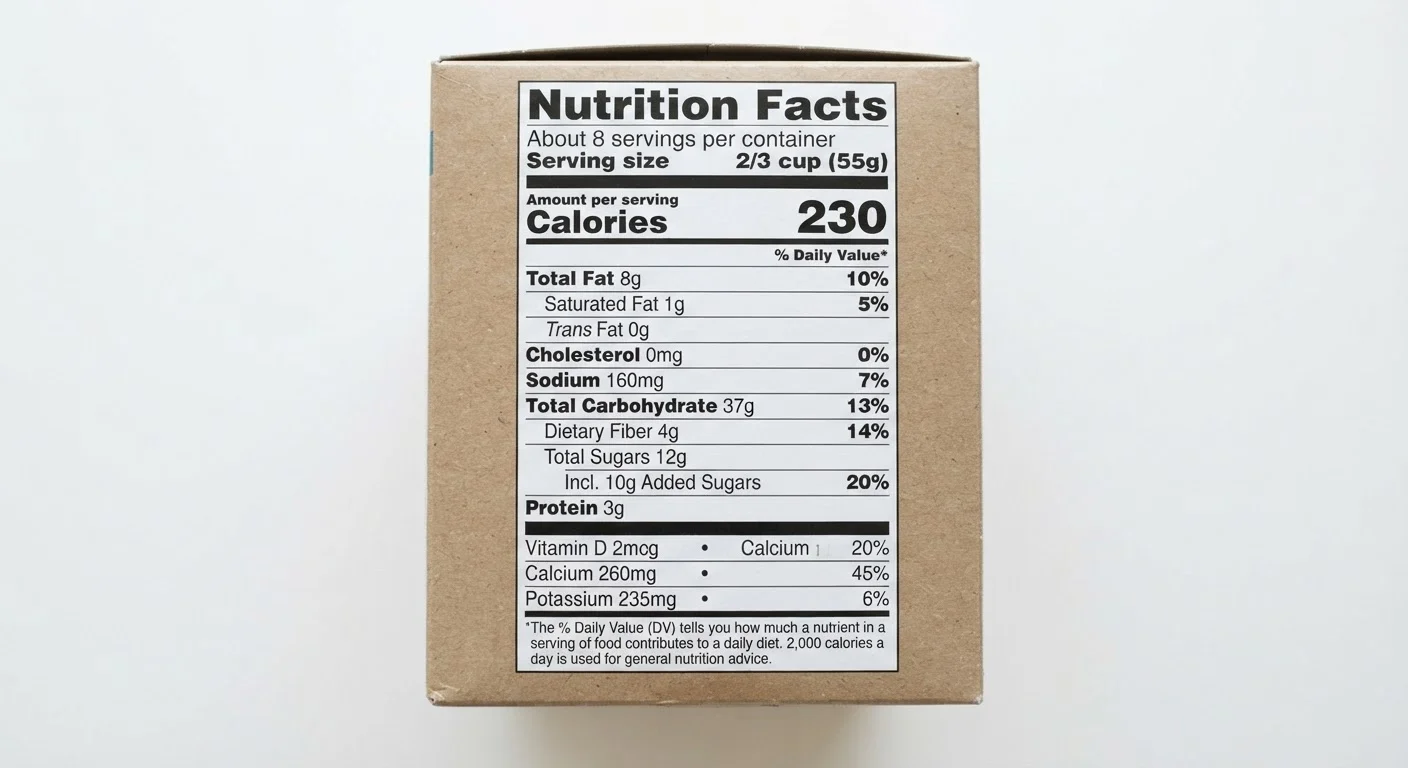
One area where confusion lingers involves reading food labels accurately. Knowing how to interpret serving sizes, added sugars, and daily values helps cut through marketing language. A detailed breakdown of the nutrition facts label can make that process much more straightforward.
It's also worth looking at how beverages fit into the picture - something that often goes overlooked. What you drink affects your nutrition as much as what you eat, from juice and sports drinks to coffee and water.
For a closer look at how the three main macronutrients actually function in the body, this explanation of carbs, protein, and fat lays it out clearly. And if your eating habits still feel off-track, these common missteps people make when trying to eat healthier may help identify what's getting in the way.
This article is for general informational purposes only and is not a substitute for professional medical or dietary advice. Consult a registered dietitian or qualified healthcare provider for guidance specific to your health needs.