
Why Nutrition Basics Matter Before Anything Else
Most people encounter nutrition through a headline, a trending diet, or a well-meaning friend's recommendation - not through a clear, grounded foundation. That's a problem, because without the basics, it's hard to evaluate any of the claims you'll encounter. Knowing the fundamentals helps you read past the noise.
Nutrition is the study of how food and its components affect the body. It isn't a single fixed rulebook - it's an evolving scientific field. What we know with confidence, though, is that food is information for your body: it supplies energy, raw materials for tissue repair, compounds that regulate biological processes, and much more.
One of the most useful mental shifts early on is moving away from thinking about foods as simply "good" or "bad." Nutrition science is more interested in patterns - what you eat most of the time, how varied your intake is, and how well your overall diet meets your body's needs. You may also want to check out common nutrition myths that make this harder to see clearly.
This article is for general informational purposes only and is not a substitute for advice from a qualified healthcare or nutrition professional.
Macronutrients: The Big Three
Macronutrients are the nutrients your body needs in relatively large amounts. There are three: carbohydrates, protein, and fat. Each plays distinct roles, and all three are essential.
Macronutrient
A nutrient your body needs in relatively large amounts for energy and basic functions. The three macronutrients are carbohydrates, protein, and fat.
Micronutrient
A vitamin or mineral your body needs in small amounts to support processes like immunity, bone health, and energy production.
Dietary fiber
A type of carbohydrate found in plant foods that the body cannot digest for energy, but which supports digestive health and helps regulate blood sugar.
Essential amino acid
An amino acid that the body cannot make on its own and must obtain through food. There are nine essential amino acids.
Whole food
A food that has been minimally processed and retains most of its original nutrients - for example, an apple, lentils, or brown rice.
Dietary pattern
The overall combination of foods and beverages a person regularly eats, as opposed to any single food or meal. Nutrition research often focuses on patterns rather than individual foods.
Carbohydrates
Carbohydrates are your body's primary fuel source - particularly for your brain and muscles during activity. They come in several forms: simple sugars (found in fruit, dairy, and added sugars), starches (found in grains, potatoes, and legumes), and fiber (found in vegetables, whole grains, and legumes). Fiber is particularly notable because it supports digestive health and helps regulate blood sugar levels, though it isn't digested and used for energy the same way other carbohydrates are.
Protein
Protein is made up of amino acids and serves as the building material for muscle, skin, enzymes, hormones, and immune cells. Your body can produce some amino acids on its own, but nine are considered "essential" - meaning they must come from food. Varied sources like meat, fish, eggs, dairy, legumes, tofu, and whole grains help ensure broad amino acid coverage.
Fat
Dietary fat is essential for absorbing fat-soluble vitamins (A, D, E, and K), producing hormones, and protecting your organs. The type of fat matters: unsaturated fats found in foods like olive oil, avocados, and nuts are widely associated with cardiovascular health. Trans fats, largely eliminated from the food supply through regulation, and excess saturated fat are associated with less favorable outcomes in large studies.
Micronutrients: Small Amounts, Big Impact
Micronutrients are vitamins and minerals your body requires in smaller quantities, but they're far from minor in importance. Deficiencies in key micronutrients can affect energy, immunity, bone health, vision, and nearly every system in the body.
Vitamins are organic compounds. Some are water-soluble - like vitamin C and the B vitamins - and aren't stored in large quantities, so regular intake matters. Others are fat-soluble - vitamins A, D, E, and K - and can be stored in body tissues.
Minerals like calcium, magnesium, potassium, iron, and zinc serve structural and regulatory roles. Calcium and phosphorus, for example, are central to bone density. Iron is essential for transporting oxygen in the blood.
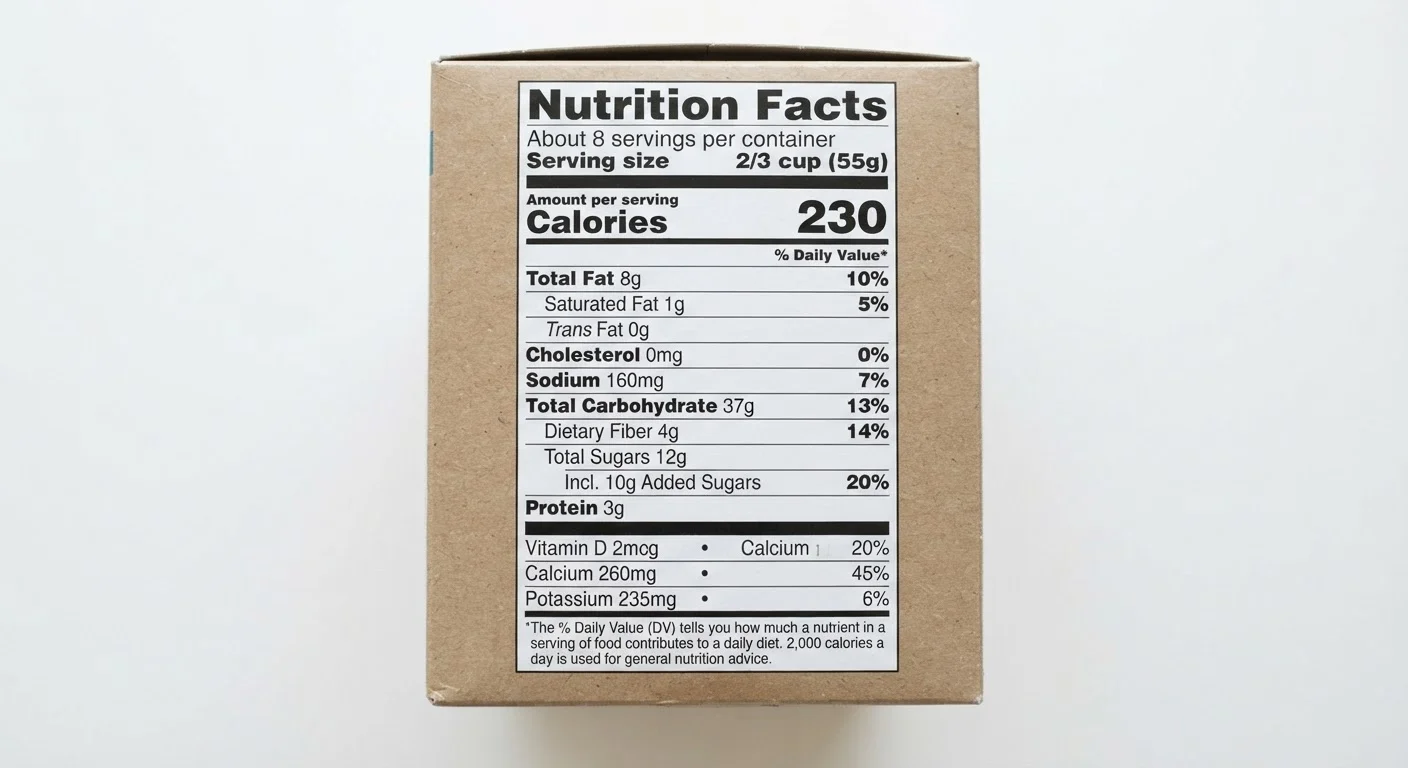
The practical takeaway: variety in your food choices is one of the most reliable ways to cover your micronutrient bases. Diets that include a wide range of vegetables, fruits, legumes, whole grains, and protein sources tend to supply a broad micronutrient profile. Learning to read a nutrition label can also help - see our guide on decoding the nutrition label for a section-by-section breakdown.
How to Start Applying This Without Overthinking It
Understanding these concepts doesn't require an overhaul of everything you eat at once. In fact, dramatic all-at-once changes are one of the more common ways people make the process harder than it needs to be - something explored in depth in where people go wrong when trying to eat healthier.
A more useful starting point: look at your current eating patterns and identify where more variety or whole foods could fit naturally. Could a vegetable appear at one more meal per day? Is there a protein source you tend to skip? Are most of your grain choices refined, and could one swap toward a whole grain work for you?
For practical frameworks on putting meals together without complicated tracking, building a balanced plate without counting every calorie offers a grounded next step. And if budget is a concern, eating well on a tight budget covers evidence-informed approaches to nutritious eating without premium price tags.
Finally, don't underestimate what you drink. Beverages contribute to your nutrient intake and overall dietary pattern in ways many people overlook - hydration and nutrition is a worthwhile companion read to this one.
Start With One Small, Consistent Change
Rather than redesigning your entire diet, pick one realistic adjustment - like adding a vegetable to dinner or swapping a refined grain for a whole grain a few times a week. Small, consistent changes tend to compound over time and are far more sustainable than dramatic overhauls. Give any change a few weeks before evaluating whether it's working for you.
This article is for general informational and educational purposes only. It does not constitute medical or dietary advice. Consult a qualified healthcare provider or registered dietitian for guidance specific to your health needs.