How Each Mortgage Structure Works
A fixed-rate mortgage carries the same interest rate from the first payment to the last - whether your loan term is 15 or 30 years. Your principal-and-interest payment never changes, making budgeting straightforward. The trade-off is that you pay for that predictability: fixed rates are typically set slightly higher than the initial rate offered on an adjustable loan.
An adjustable-rate mortgage (ARM) starts with a fixed introductory rate - often called the teaser period - that lasts a set number of years (commonly 5, 7, or 10). After that period, the rate adjusts periodically based on a benchmark index plus a lender margin. A 5/1 ARM, for example, holds its initial rate for five years and then adjusts once per year afterward. ARMs include rate caps that limit how much the rate can move in a single adjustment and over the life of the loan, offering some protection against extreme shifts.
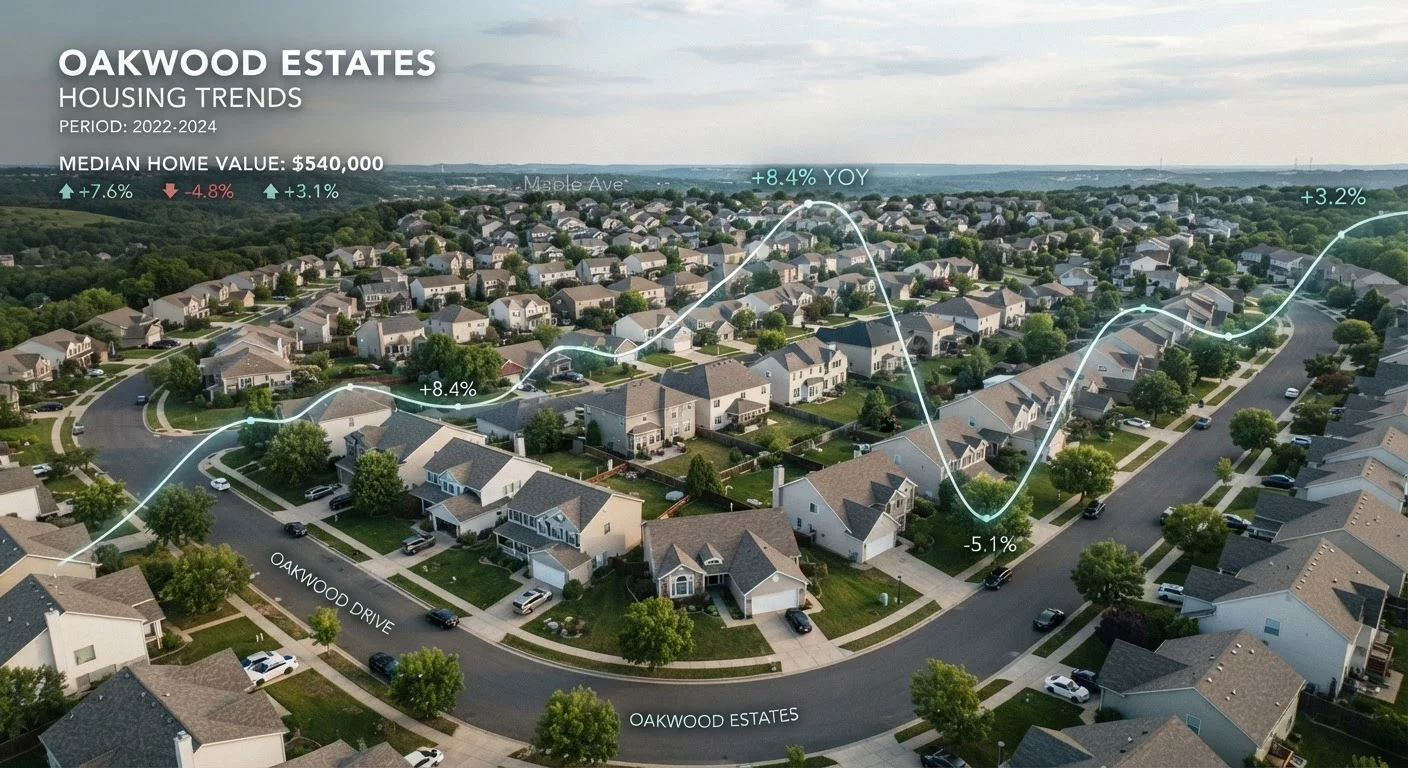
To understand how rate levels affect broader affordability, see how mortgage interest rates shape the housing market.
Comparing the Two Side by Side
The clearest way to weigh these structures is to look at them across the factors that matter most to a homebuyer: stability, initial cost, long-term cost exposure, and suitability by timeline.
| Fixed-Rate Mortgage | Adjustable-Rate Mortgage | |
|---|---|---|
| Rate stability | Constant for loan life | Fixed initially, then variable |
| Initial interest rate | Typically higher | Typically lower |
| Monthly payment predictability | High - never changes | Lower initially, may increase |
| Long-term cost risk | Low - rate locked in | Moderate to high after adjustment |
| Best timeline fit | 10+ years in the home | 5-7 years or less |
| Rate cap protections | Not applicable | Annual and lifetime caps apply |
| Complexity | Simple to understand | Requires understanding of index, margin, caps |
Rate caps on ARMs - typically a 2% annual adjustment cap and a 5-6% lifetime cap - provide a ceiling, but even capped increases can meaningfully raise a monthly payment. Buyers should always calculate what their payment would look like at the maximum possible rate before committing to an ARM.
The Timeline Question: How Long Do You Plan to Stay?
Your expected time in the home is arguably the most decisive factor. If you plan to stay 10 or more years, a fixed-rate loan eliminates the uncertainty of future adjustments entirely. You may pay a slightly higher rate upfront, but you're insulated from any rate environment that develops over time.
If your horizon is shorter - say, five to seven years because of a job relocation, growing family, or investment strategy - an ARM's lower introductory rate could mean meaningful savings during the period you actually own the property. The adjustment risk becomes largely irrelevant if you sell or refinance before it kicks in.
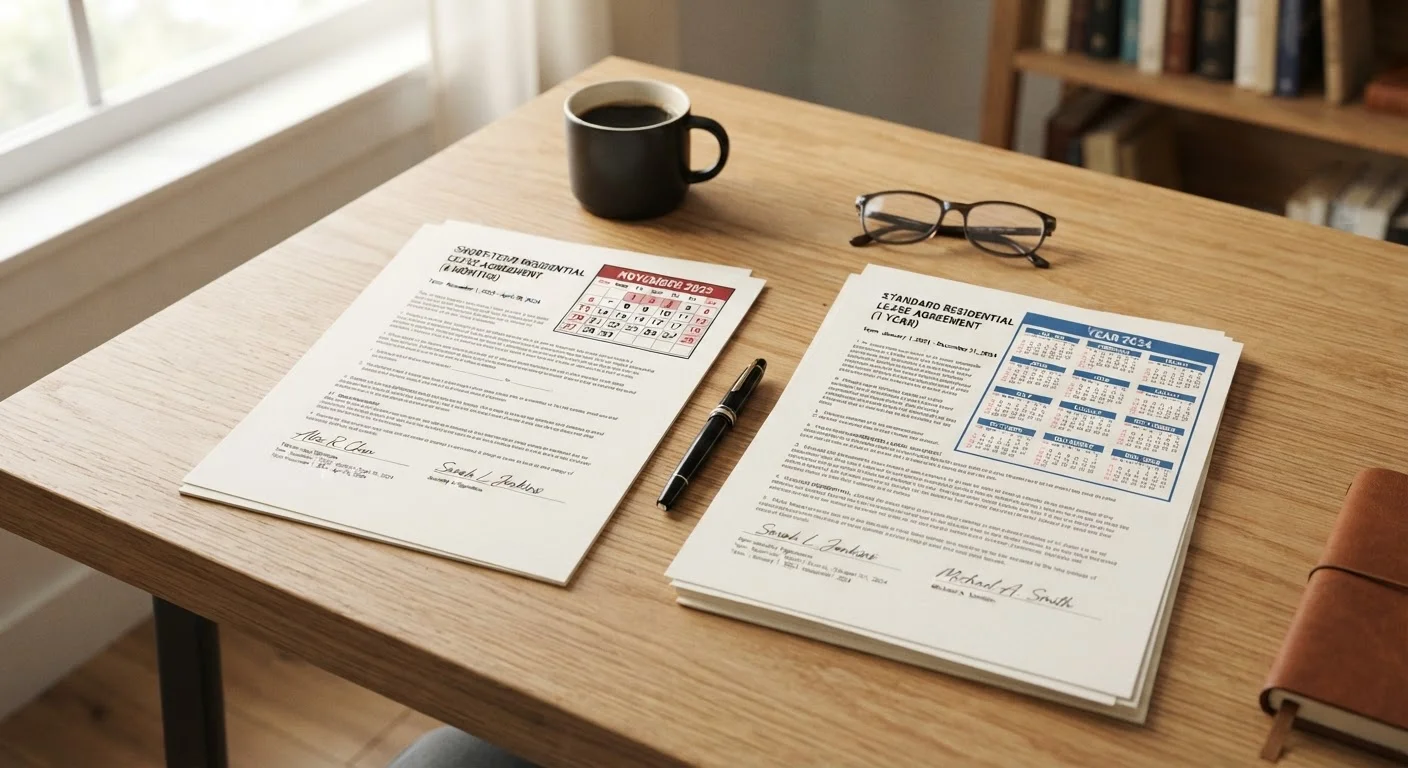
This mirrors a dynamic familiar to renters weighing commitment levels. Just as a fixed-term lease trades flexibility for stability, a fixed-rate mortgage locks in certainty at a cost. For more on how that trade-off plays out in leasing, see month-to-month vs. fixed-term leases.
Run the Numbers at the Maximum Rate
Before accepting an ARM offer, ask your lender to show you the fully adjusted payment - what you'd owe if rates hit the lifetime cap. If that payment is unmanageable in your budget, the ARM carries more risk than the initial rate suggests. Building this scenario into your planning upfront protects you from being caught off guard after the introductory period ends.
Credit, Qualification, and Rate Access
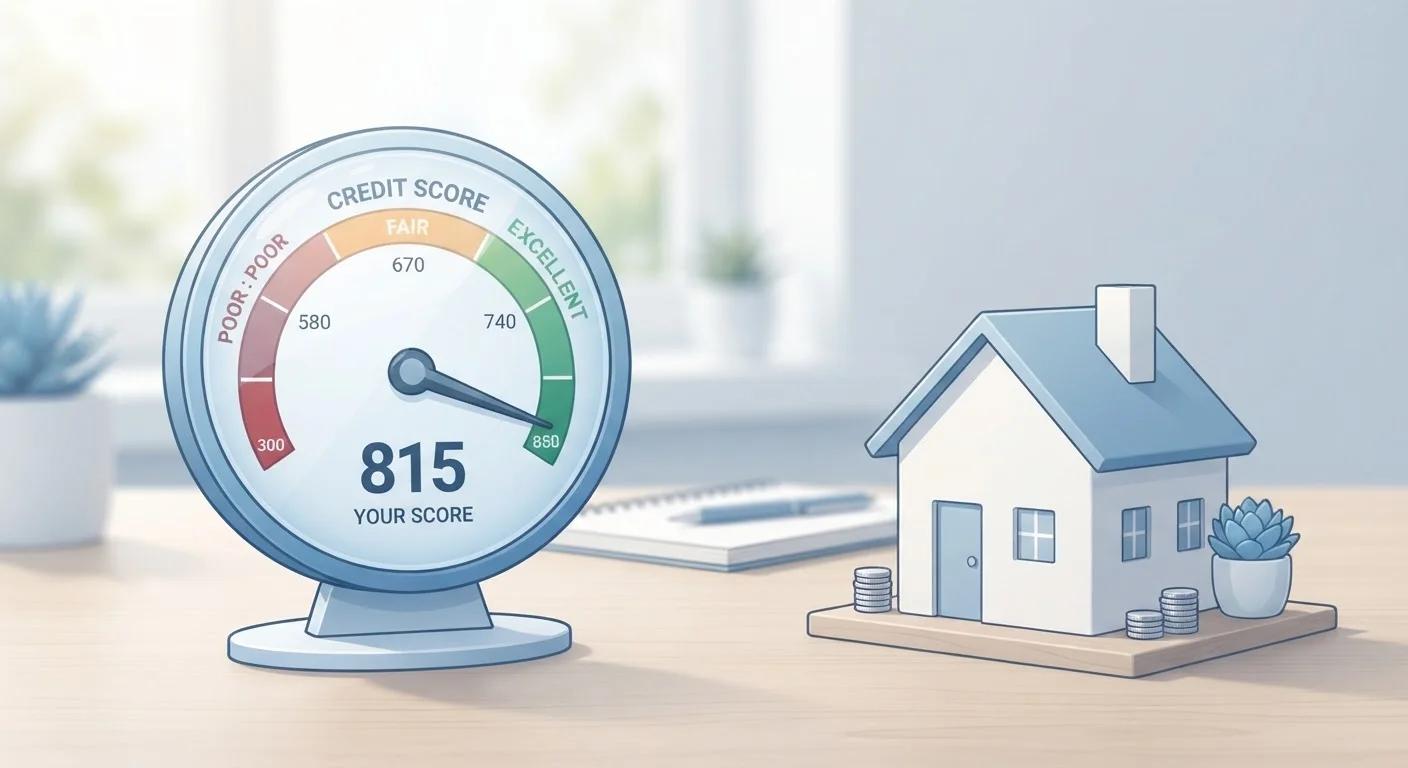
Whichever structure you consider, the rate you're actually offered depends heavily on your credit profile. Lenders use your credit score to gauge risk and price loans accordingly - a stronger score generally unlocks lower rates on both fixed and adjustable products. For a clear breakdown of how this works, see how credit scores shape your mortgage options.
It's also worth noting that ARMs may appear more accessible because the initial rate - and thus the initial qualifying payment - is lower. However, lenders are required to qualify borrowers at a higher stress-tested rate for ARMs, so the qualification advantage is more limited than it once was.
If you're still deciding whether homeownership is the right move at all, renting vs. buying a home lays out the full financial and lifestyle picture before you commit to either mortgage type.
This article is for general informational purposes only and does not constitute personalized financial or mortgage advice. Consult a qualified mortgage professional or financial adviser before making decisions about your home loan.