
Why Offers Are About More Than the Number
Most first-time buyers assume the highest price wins. In practice, sellers and their agents evaluate an offer as a package - price, financing certainty, timing, and the conditions attached to the sale. A full-price offer loaded with contingencies and a 45-day close can easily lose to a slightly lower offer that is clean, quick, and credibly financed.
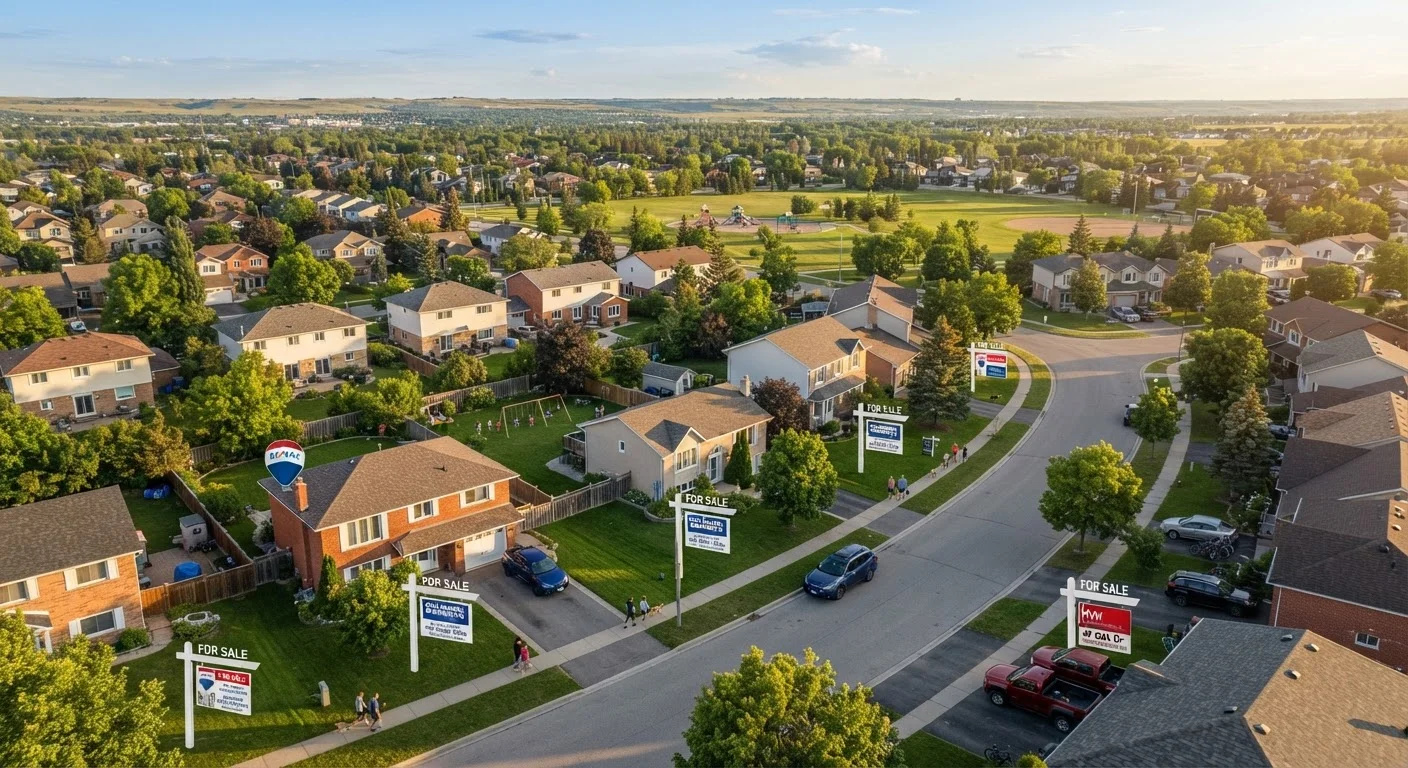
Understanding what sellers actually care about is the first step toward structuring an offer that holds up. Before you write a single number, review the broader market context - whether you are operating in a buyer's or seller's market changes your leverage significantly. Our guide to buyer's and seller's market dynamics lays out exactly how that shift affects your position.
The Core Elements of a Competitive Offer
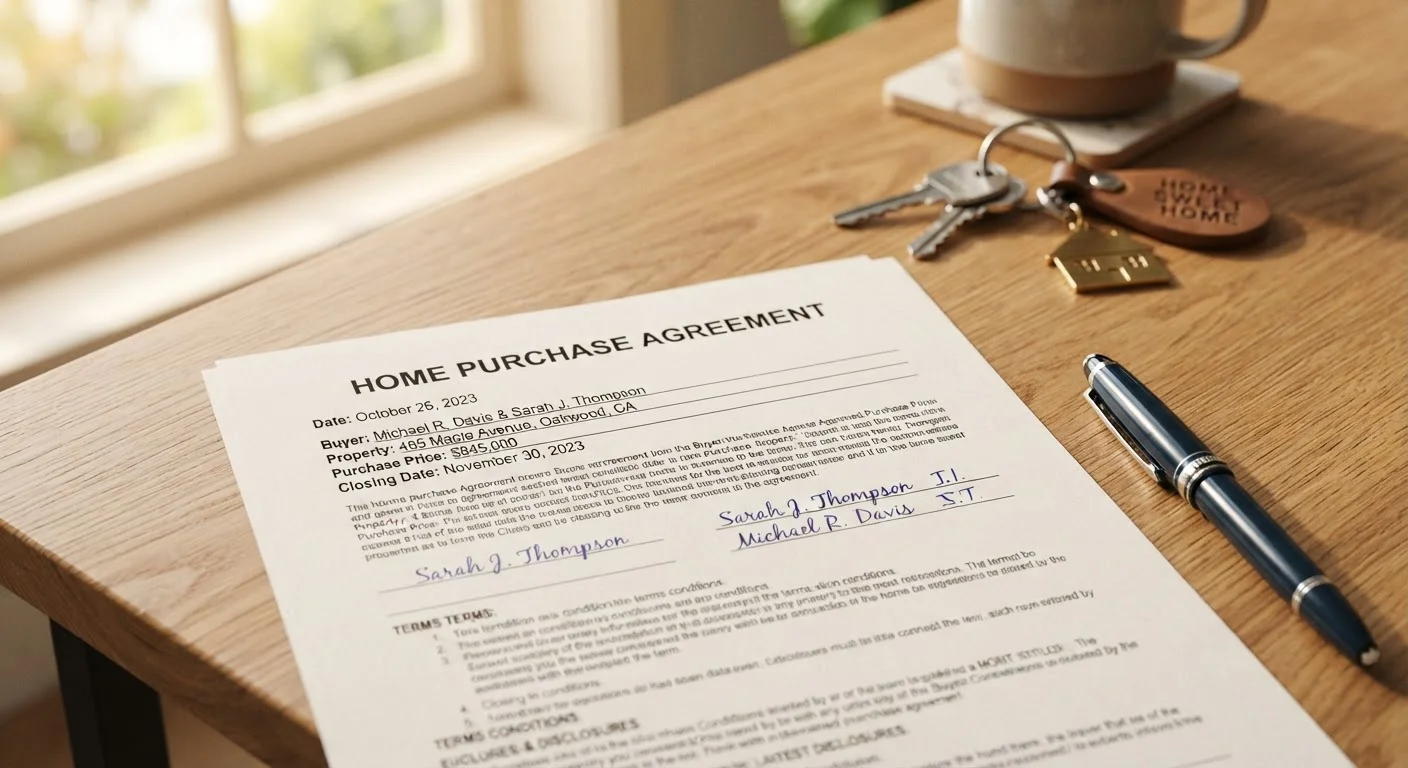
A purchase offer is a legally binding contract once accepted, so every element carries weight. Before submitting, make sure you understand the standard terms involved - our plain-language guide to purchase agreement terms covers contingencies, earnest money, escrow, and more.
Secure a fully underwritten pre-approval before making any offer
A pre-qualification letter is based on self-reported information and carries little weight. A fully underwritten pre-approval means a lender has verified your income, assets, and credit - giving sellers much greater confidence that your financing will actually close.
Submit meaningful earnest money to signal serious intent
Earnest money is the deposit a buyer places when an offer is accepted, typically held in escrow. A larger deposit demonstrates commitment and gives the seller confidence you will not walk away without cause. Industry norms vary by market, but depositing below the local floor can read as hesitant.
Align your closing timeline with the seller's actual needs
Sellers are not only evaluating price - they are managing a life transition. A buyer who asks about preferred timing and then structures the offer to accommodate it can gain meaningful goodwill, sometimes worth more than a modest price difference.
Write a clean offer with the fewest contingencies you can responsibly accept
Each contingency is a potential exit ramp that sellers must accept as risk. Removing or narrowing contingencies - where you have fully understood and can absorb the risk - reduces that uncertainty. Never waive a contingency simply to compete without understanding what you are giving up.
Include an escalation clause when appropriate
An escalation clause automatically increases your offer by a set increment above any competing offer, up to a maximum price you are comfortable with. It removes the guessing game of how high to bid and keeps you competitive without immediately showing your ceiling.
How Contingencies Affect Your Position
Contingencies are clauses that allow a buyer to exit the contract - usually without penalty - if specific conditions are not met. The most common are the financing contingency (protecting you if your loan falls through), the inspection contingency (giving you an exit if serious defects are found), and the appraisal contingency (protecting you if the property appraises below the purchase price).
Each contingency adds protection for the buyer but introduces uncertainty for the seller. In a highly competitive market, some buyers waive one or more contingencies to strengthen their offer. This is a significant financial risk and should never be done without fully understanding the exposure involved. Consult a licensed real estate attorney or buyer's agent before waiving any contingency.
Waiving Contingencies Carries Real Risk
Waiving the inspection contingency means you accept the property in its current condition and typically have no contractual recourse if major defects surface after closing. Waiving the appraisal contingency means you agree to pay your offer price even if the home appraises for less - requiring you to cover the gap in cash. These decisions should be made in consultation with a licensed real estate attorney or experienced buyer's agent, not in the heat of a bidding war.
Timing also matters. The faster you can close - and the more flexibility you can offer around the seller's preferred move-out date - the more attractive your offer becomes, even at the same price point.
Quick Actions to Strengthen Your Position Today
Preparation done before you find a home is what makes a decisive offer possible. Buyers who scramble for pre-approval after falling in love with a listing routinely lose to buyers who had their paperwork in order weeks earlier.
For a broader lens on evaluating whether a particular home's price reflects genuine value, see our article on what actually makes a price worth paying. And if you are still weighing whether now is the right time to buy at all, renting vs. buying in a high-price market offers an honest framework for that decision.
This article is for general informational purposes only and does not constitute legal, financial, or real estate advice. Consult a licensed real estate professional, attorney, or financial adviser for guidance specific to your situation.