Why Price Alone Is the Wrong Starting Point
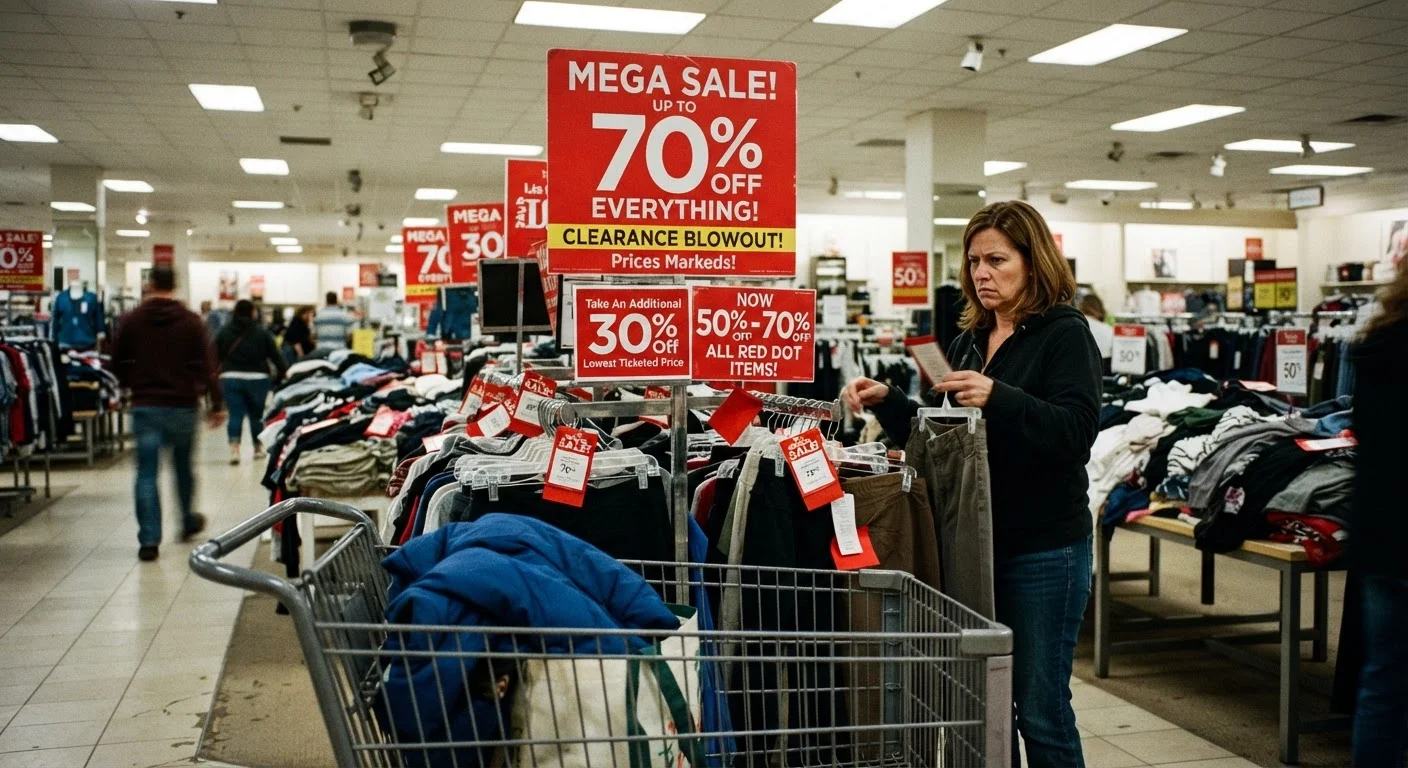
Most shoppers have been conditioned to equate a lower number with a better decision. Retailers know this - and they design pricing strategies around it. But the number on the tag tells you almost nothing without context.
A genuinely good deal has three components working together: the price reflects actual market value, the item meets a real need, and the quality justifies what you're paying over its useful life. Strip out any one of those elements and you're left with either an impulse buy dressed up as savings or a discount that doesn't hold up.
This is worth understanding before you ever open a sale tab or walk into a clearance aisle. As our coverage of how sale prices can mislead explains, the framing around a discount matters as much as the discount itself.
60%+
Shoppers who impulse buy due to a sale
Consumer research consistently shows that a majority of unplanned purchases are triggered by discount signaling rather than genuine need.
2-4x
Total cost multiplier from cheap appliances
Consumer advocates and product testing organizations note that low-cost appliances with high consumable costs frequently cost two to four times more over their usable life than higher-upfront alternatives.
~37%
Shoppers who regret impulse purchases
Surveys on post-purchase behavior regularly find that over a third of consumers report buyer's remorse linked to unplanned purchases made during sale events.
The Four Pillars of Real Value
Breaking down what makes a price genuinely worth paying requires looking at four distinct dimensions:
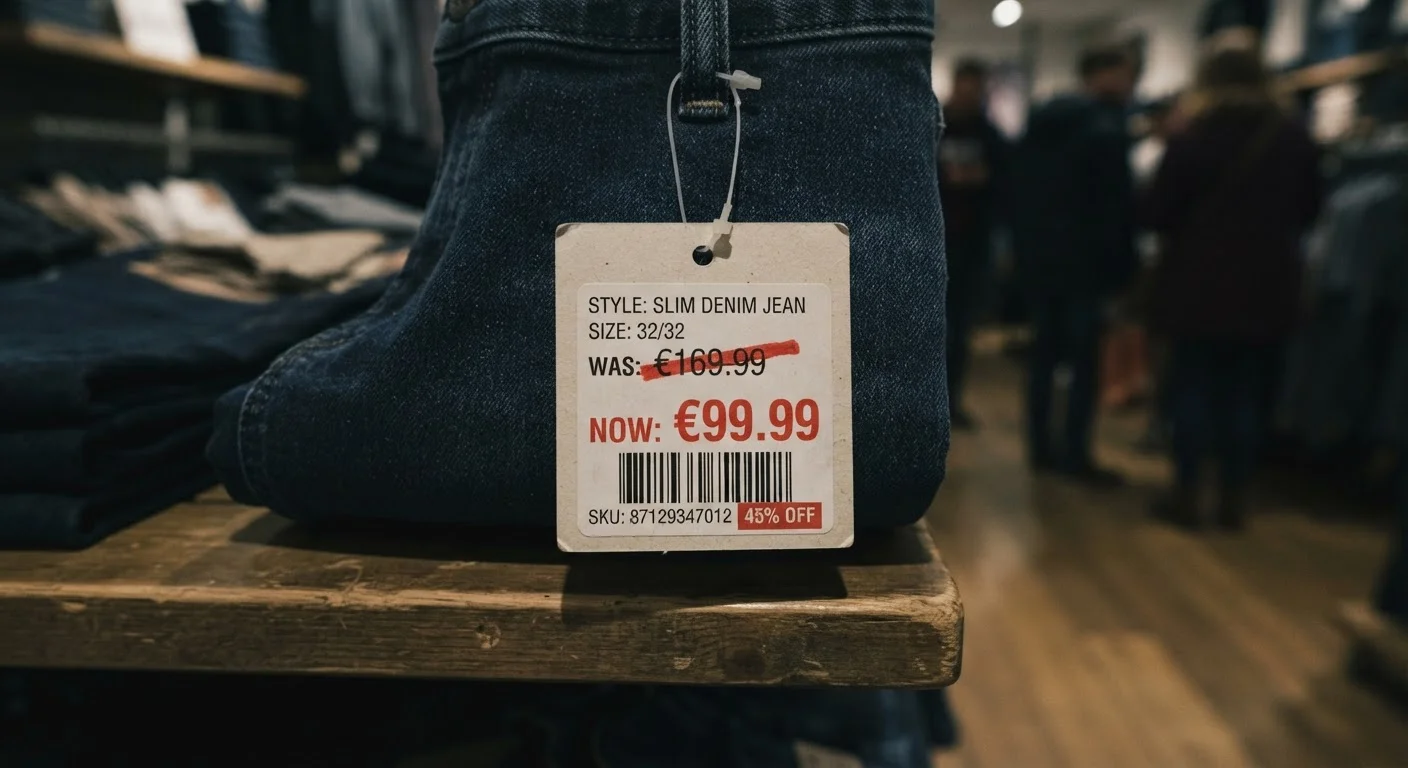
- Market price alignment: Does the price reflect what this item actually sells for across multiple retailers? If the "original" price was artificially inflated, the discount is fiction. Our piece on inflated original prices walks through how this tactic works in practice.
- Fitness for purpose: Does the item actually do what you need it to do, at the level you need it? A technically cheap product that underperforms forces you to replace it sooner - which is a net loss.
- Total cost of ownership: Factor in ongoing costs: consumables, maintenance, accessories, energy use. A printer with a low upfront price but expensive ink cartridges is a classic example of sticker-price thinking backfiring.
- Timing of need: Are you buying this because you need it now, or because the discount triggered a purchase? Money spent on something unused - even at a deep discount - is simply money spent.
How to Verify You're Looking at Real Market Value
Once you understand what you're evaluating, the next step is gathering honest data. Price history browser extensions let you see how a product's price has moved over time - revealing whether a sale is a genuine dip or just a return to normal after a temporary markup. Searching completed sales on resale platforms can also anchor your sense of what an item is realistically worth in the open market.
For big purchases, comparison shopping across channels - including in-store versus online - can surface meaningful differences. Physical stores occasionally offer price matching, return flexibility, or bundled services that make their number more competitive than it initially appears.
When using deal aggregator sites to find discounts, approach them critically. Not all platforms verify the deals they list or confirm prices are still active. Understanding how deal aggregators work helps you use them as a starting point rather than a final word.
Private Label, Name Brands, and the Value Question
Brand recognition is one of the most powerful - and least reliable - shortcuts shoppers use to assess value. A recognizable logo does not guarantee superior quality, and a store-brand label doesn't mean inferior quality either.
The reality is more nuanced. Many store-brand and name-brand products share manufacturing sources, with differences limited to packaging and marketing spend. Evaluating products on their actual specifications, independent reviews, and your specific use case gives you a much clearer picture than brand loyalty alone. Our explainer on private label versus name brand covers this in depth.
The principle applies beyond grocery aisles. In categories like automotive accessories, home goods, and personal care, premium pricing frequently reflects marketing costs rather than meaningful product differences. Scrutinize specifications, not logos.
The Psychology Trap: When a Deal Spends Your Money for You
Urgency and scarcity are powerful levers. "Limited time," "only 3 left," and countdown timers push shoppers to decide before they've thought clearly. The result is a purchase justified by the discount rather than by genuine need.
A useful mental test: if the item were full price, would you still buy it? If the answer is no, the discount is doing the deciding - not you. That's a warning sign, not a green light.
The same psychological pattern shows up in real estate. Emotional decision-making in competitive markets routinely leads buyers to pay more than a property is worth. The mechanism is identical to retail urgency tactics - artificial pressure compresses evaluation time and bypasses rational comparison.
Developing a habit of pre-commitment - deciding what you're willing to pay before you see the price - is one of the most reliable defenses against this dynamic. Know your number first. Then look at the tag.