Where the Price Gap Actually Comes From
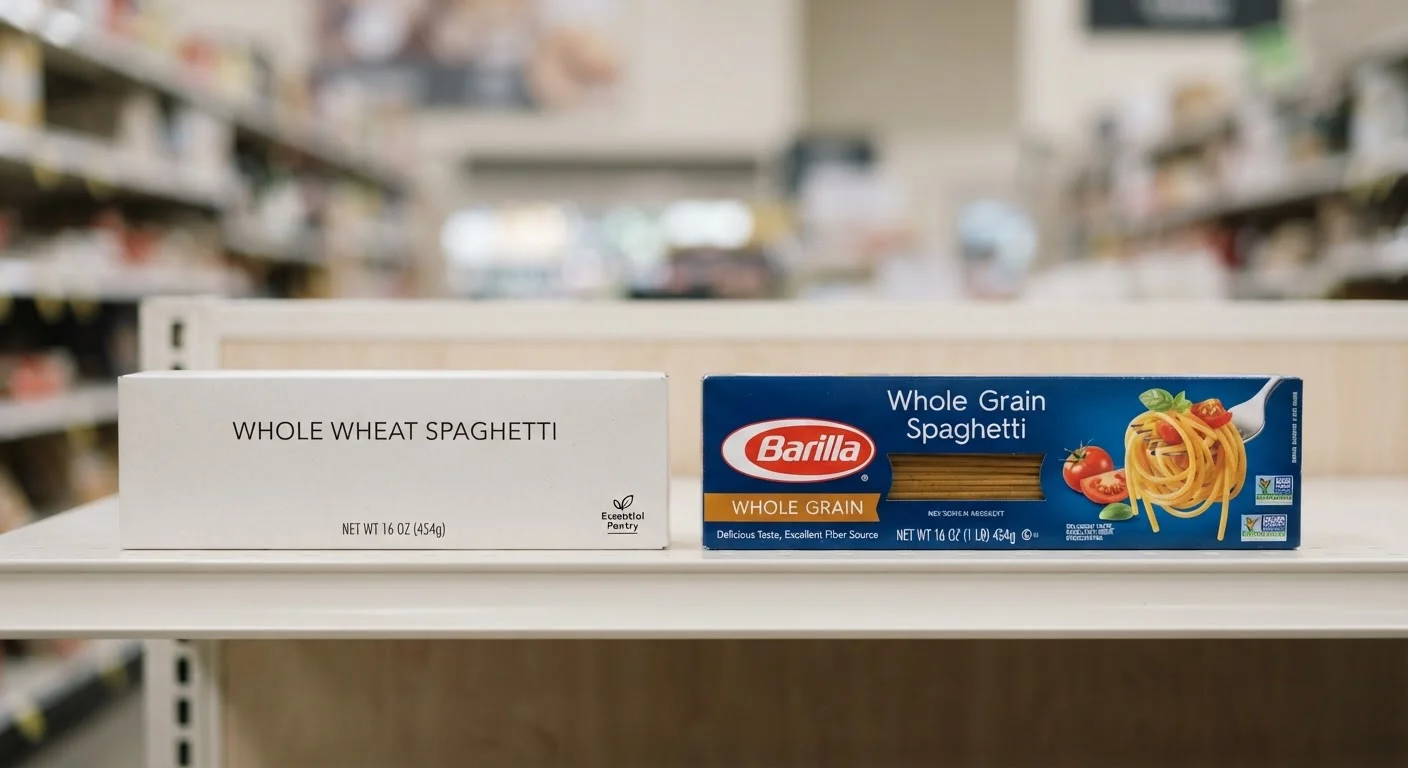
Walk down any aisle and you'll find a store-brand option sitting next to a name-brand version at 20-40% less. The instinctive assumption is that the cheaper product is cheaper to make. That's often not true. The price gap between private label and name brand is driven primarily by cost structure, not product quality.
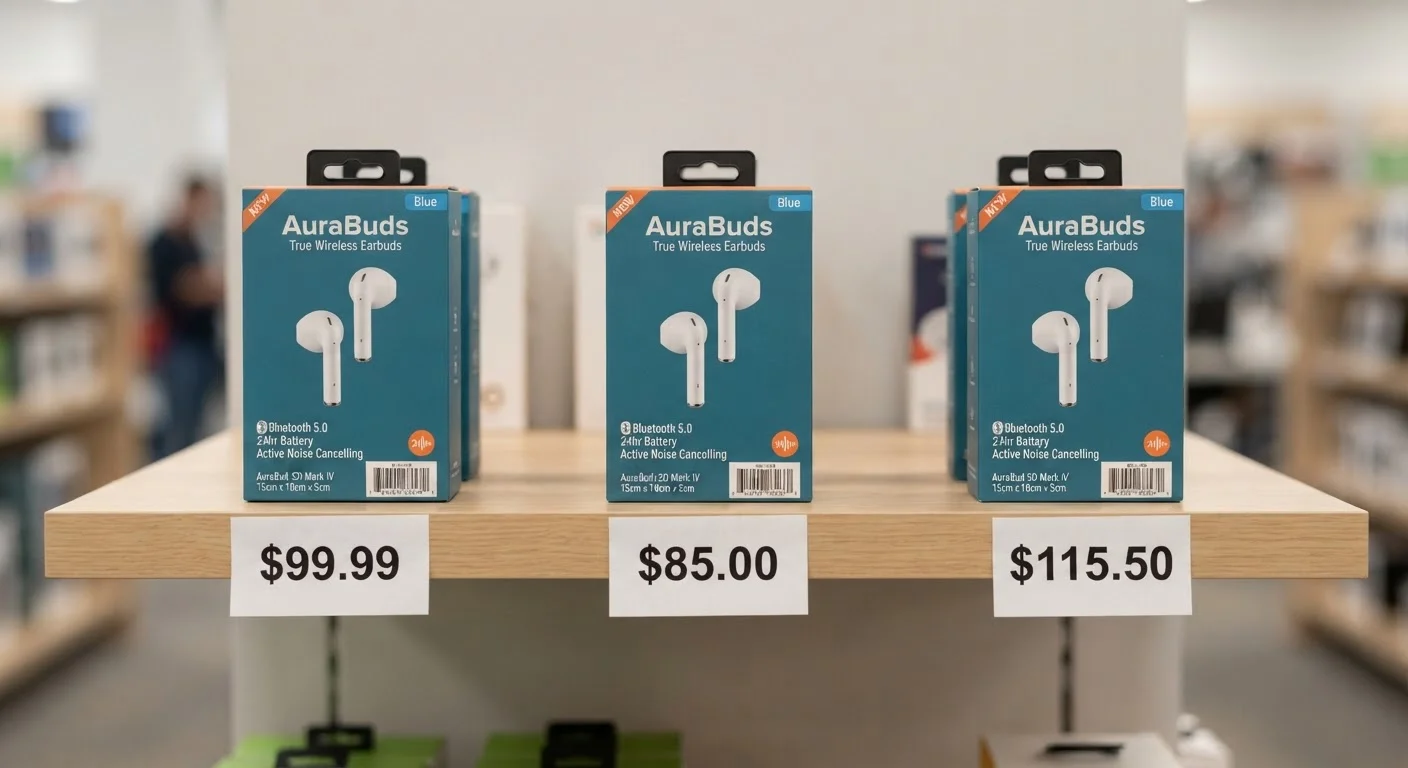
Name brands carry substantial overhead that never touches the physical product: national TV and digital advertising campaigns, slotting fees paid to retailers for shelf placement, dedicated sales forces, and packaging design budgets. According to research in consumer economics, marketing and distribution can account for a significant portion of a name-brand product's retail price. When you buy a name brand, you're partly paying for the brand's visibility - not just what's in the box.
Private label products, sold under a retailer's own name, skip most of that overhead. The retailer controls the shelf space, so there are no slotting fees. Marketing is minimal. That cost saving is passed, at least partially, to the consumer. See our breakdown of retail pricing structures for more on how these cost layers accumulate.
The Shared Manufacturing Reality
Here's a fact the food and consumer goods industries don't advertise: many private label products are made in the same facilities, sometimes on the same production lines, as name-brand products. Manufacturers often produce store-brand versions of their own products as a separate revenue stream - selling excess capacity to retailers who then label it under their own name.
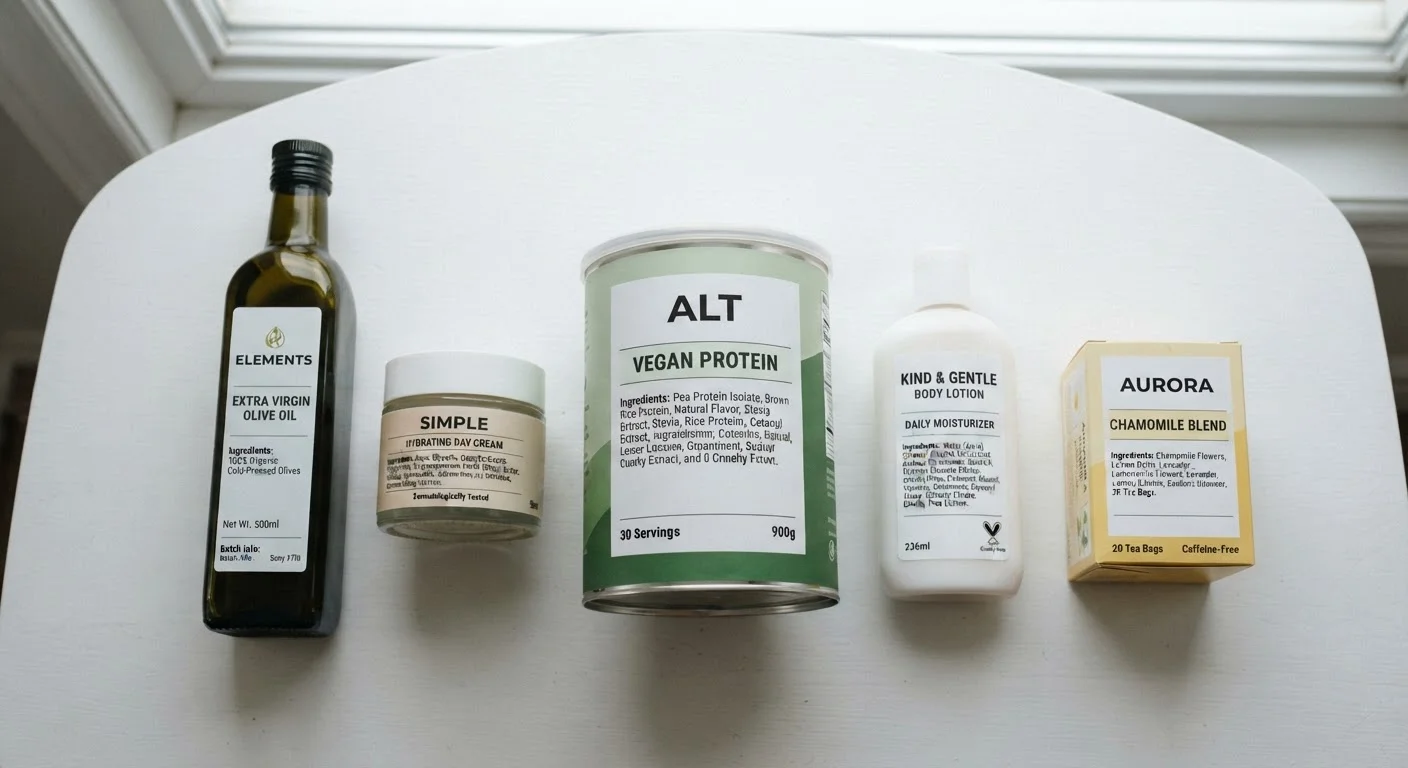
This is especially common in food categories - canned vegetables, dairy, frozen items, olive oil - as well as over-the-counter medications, vitamins, and household cleaning products. The formulas may be identical or very close. The difference is the label.
| Criterion | Private Label | Name Brand |
|---|---|---|
| Typical price point | 20-40% lower on average | Higher; reflects marketing costs |
| Manufacturing source | Often same facility as name brand | Proprietary or contract manufacturer |
| Formula transparency | Ingredient list on label | Ingredient list on label |
| Advertising investment | Minimal | Substantial; built into price |
| Quality consistency | Varies by retailer and category | More standardized across markets |
| Generic drug equivalence | FDA bioequivalence required | FDA-approved original formula |
| Proprietary formulas | Rare; most formulas are standard | Possible; verify before assuming |
That said, not every private label product is a rebadged name brand. Some retailers develop their own formulations, source from different suppliers, or cut specifications to hit a price point. The only way to know is to compare ingredient lists and material disclosures side by side. Our guide to what manufacturers are required to disclose explains what's legally required on packaging and where gaps remain.
How to Judge Quality Without the Logo
Brand recognition is a proxy for quality - a shortcut the brain takes when it doesn't have better information. Once you have better information, the proxy becomes unnecessary. Here's how to evaluate products on their actual merits.
- Read the ingredient list or materials spec. For food, compare ingredients in order - they're listed by weight. For non-food items, look for material grades, thread counts, or certifications. Understand which label claims are regulated and which aren't before drawing conclusions.
- Check active ingredients for regulated products. Generic medications sold in the U.S. are required by the FDA to demonstrate bioequivalence to their brand-name counterparts. For OTC drugs, the active ingredient and dosage are the only things that matter medically.
- Look at the retailer's track record in that category. Private label quality varies by retailer. A grocer known for its house-brand dairy may have a weak private label in electronics accessories. Evaluate by category, not by the store's overall reputation.
- Separate proprietary claims from marketing claims. Some name brands genuinely use a patented formula or a proprietary process. Others simply claim superiority without substantiation. Reading past the marketing copy is a practical skill worth developing.
When in doubt, compare specs directly. The real measure of value is whether the product performs what you need it to perform - not whether it has a recognizable name on the front.
Categories Where Each Tends to Perform Well
Neither private label nor name brand wins universally. The smarter approach is to know which categories reward the premium and which don't.
A Note on Store-Brand Variation
Not all private label programs are created equal. A premium grocer's house brand may be produced to higher specifications than a discount retailer's equivalent - sometimes exceeding the name-brand standard. Conversely, some store brands cut corners to hit a price point. The retailer's own quality standards, not the private label concept itself, determine what you're getting. Always compare the actual product specs rather than assuming a category-wide rule applies.
Private label tends to be a reliable choice in: pantry staples (flour, sugar, canned goods), generic OTC medications, basic cleaning supplies, commodity paper products, and simple vitamins where the active ingredient is standardized by regulation.
Name brands may be worth the premium in: categories with genuine formula differentiation (some skincare actives, specific adhesives, specialty tools), items where warranty or customer service infrastructure matters, and situations where you have verified - not assumed - that the formulation or materials differ meaningfully from store-brand alternatives.
The key word is verified. Habit and brand familiarity are not verification. If you haven't compared specs or ingredient lists, you're paying for comfort, not confirmed quality. That may occasionally be a reasonable personal choice - but it's worth knowing that's what you're doing.