The Divide Between Regulated and Unregulated Claims
Every product label mixes two fundamentally different types of information: claims that must meet legal standards and claims that are essentially unverified marketing. Knowing which is which is the most important skill a label reader can develop.
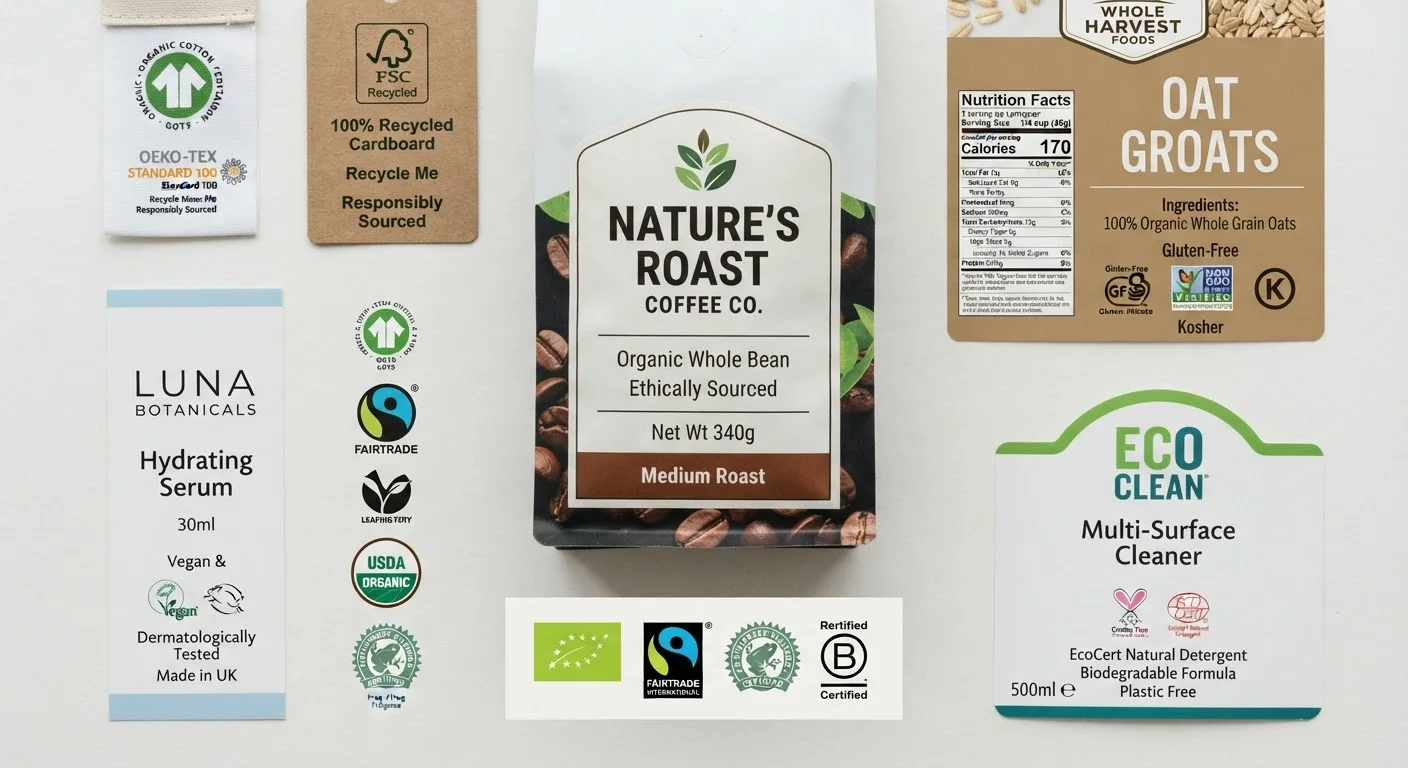
Regulated claims require a manufacturer to demonstrate compliance with specific criteria before using the language. The USDA Organic seal, for example, means a product has been certified under a defined federal program with third-party audits. FDA-approved drug claims on over-the-counter medications must pass a review process. These terms carry real, enforceable meaning.
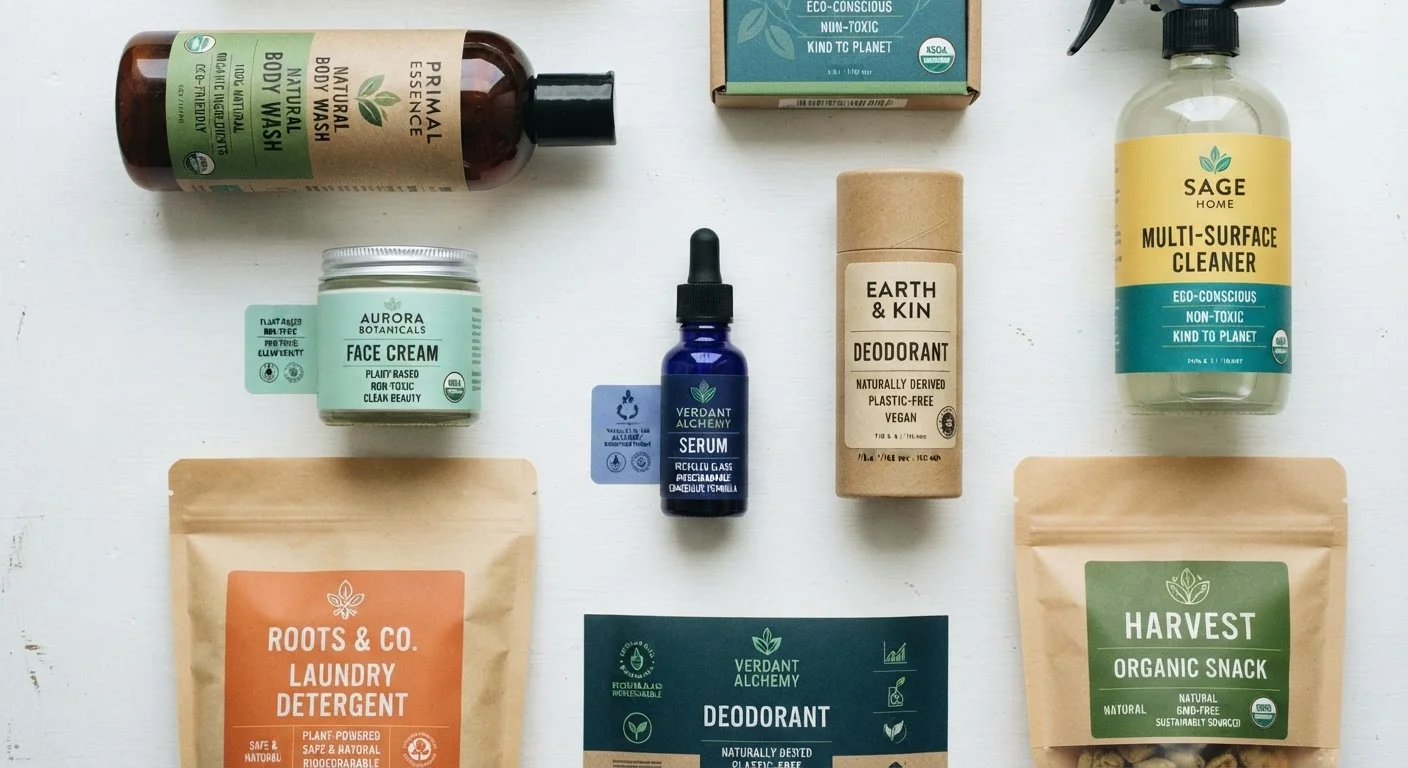
Unregulated claims, by contrast, are governed mainly by the FTC's general prohibition on deceptive advertising - a much looser standard. Terms like 'natural,' 'wholesome,' 'gentle,' or 'pure' have no federally standardized definitions for most product categories. A manufacturer can print them freely as long as they don't make a provably false statement. The result is language designed to imply quality without committing to it.
For a deeper look at three of the most commonly misused unregulated terms, see our article on 'natural,' 'non-toxic,' and 'eco-friendly' claims.
Which Agency Oversees Your Product?
In the U.S., label oversight is divided: the FDA covers most food, cosmetics, and over-the-counter drugs; the USDA covers meat, poultry, eggs, and organic certification; and the FTC has authority over advertising claims across categories. Some products - like dietary supplements - are regulated less stringently than foods or drugs, meaning manufacturers bear more responsibility for substantiating their claims before the agency intervenes.
Front vs. Back: Two Different Languages on One Package
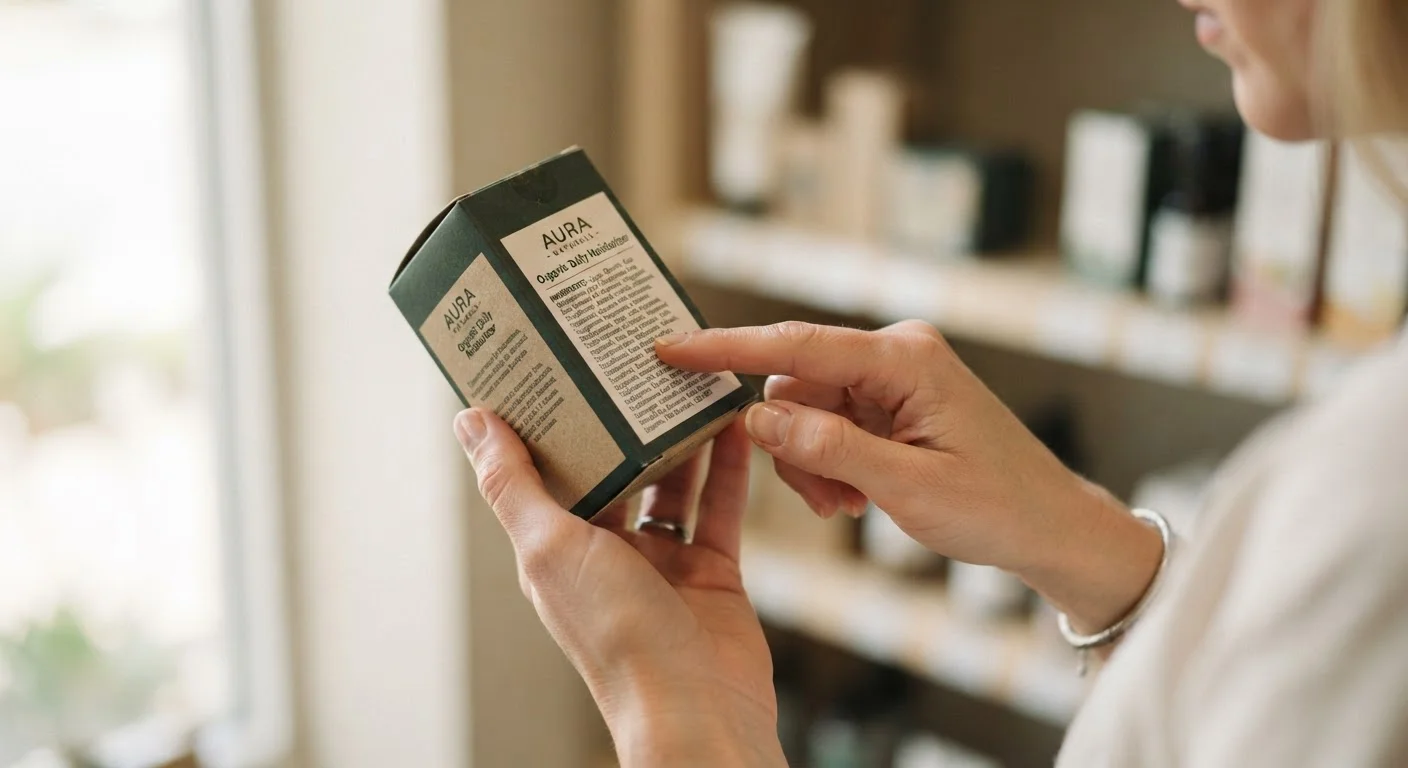
Manufacturers control the front of a package with near-total freedom. That real estate is prime advertising space. The back or side panel, by contrast, is where federally mandated disclosures live - and it's where the factual information is.
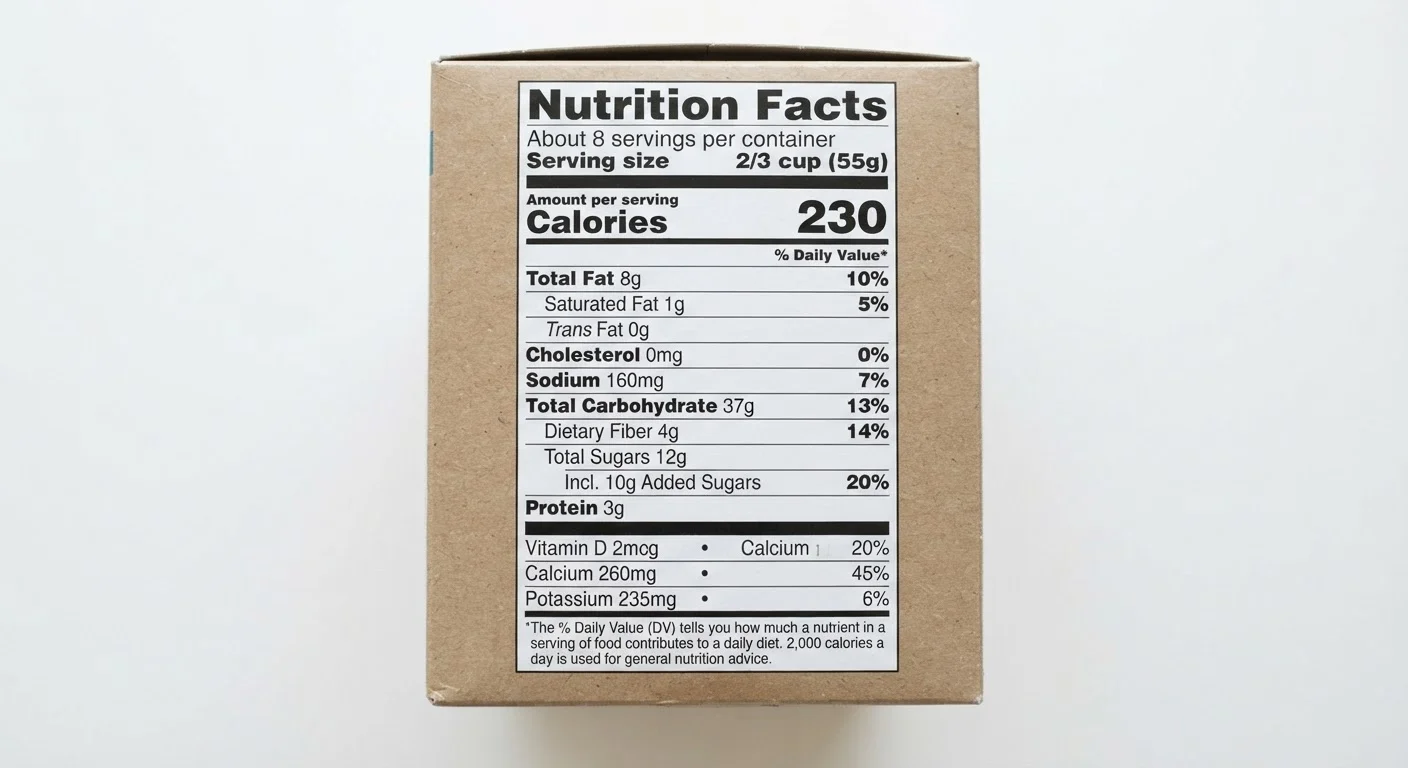
On food products, the Nutrition Facts panel and ingredient list are required by the FDA and follow strict formatting rules. Ingredient lists must be in descending order by weight, so the first item listed is the most abundant. If sugar - or one of its many synonyms - appears among the first three ingredients, it's a major component of the product regardless of what the front panel implies. Our guide to decoding the Nutrition Facts label explains every section in plain terms.
For non-food products, the situation is more fragmented. Cosmetics must list ingredients by INCI (International Nomenclature of Cosmetic Ingredients) names in descending order, but cleaning products have no comparable federal requirement for full disclosure. This is why reading the back of a cleaning product label often reveals far less than reading the back of a shampoo bottle. Our article on ingredient lists and material disclosures explains where gaps persist by product category.
Certifications, Seals, and What They Actually Verify
Third-party certification seals are among the most reliable signals on a product label - but only when they come from genuinely independent organizations. The key distinction is whether a certification involves external auditing and published criteria, or whether it's a badge a company created and awards to itself.
Established programs like USDA Organic, NSF International, and UL (Underwriters Laboratories) require products to meet defined standards verified by auditors who have no financial stake in the outcome. These seals mean something specific and defensible.
By contrast, many labels feature seals that look official but represent nothing more than a company's self-assessment, a one-time fee to a private label program, or membership in a trade association. Visual design - official-looking fonts, stars, checkmarks, shields - is used to suggest authority that doesn't exist. If you can't quickly find the certifying organization's independent website and published standards, treat the seal skeptically. For a full breakdown, see our guide on certifications worth trusting on consumer products.
A bottle of juice displays '100% Natural' prominently on the front, but the ingredient list on the back includes added sugars and natural flavors.
A cleaning spray features a green leaf logo and the phrase 'Earth Friendly Formula' with no named certifying organization.
A shampoo label states 'Clinically proven to reduce breakage' in large type on the front.
A bag of trail mix highlights 'Made with Real Dark Chocolate' on the front panel.
Hidden Gaps: What Labels Don't Have to Tell You
Even the most conscientious label reading has limits, because disclosure requirements leave meaningful gaps. Understanding those gaps helps calibrate how much confidence to place in what a label shows - and what it omits.
The 'fragrance' loophole is one of the most significant. U.S. law treats fragrance formulas as trade secrets, allowing manufacturers to list a single word - 'fragrance' or 'parfum' - in place of potentially dozens of individual chemical components. This applies to perfumes, personal care products, candles, and cleaning products alike.
Country-of-origin rules are another inconsistent area. While most food products must disclose country of origin, manufactured goods follow a patchwork of rules depending on product category and how much processing occurred domestically.
Marketing copy on the package - phrases like 'dermatologist tested,' 'clinically proven,' or 'recommended by professionals' - carries no standardized evidentiary requirement. A product can be 'dermatologist tested' if one dermatologist looked at it, regardless of outcome. For guidance on parsing this kind of language in product descriptions more broadly, see our article on reading between the lines of a product description.