Why Disclosure Rules Are Not One-Size-Fits-All
Most consumers assume that if a product is sold legally in the United States, someone has verified exactly what's in it and made sure that information is on the label. That assumption is only partly true - and which part depends heavily on what you're buying.
Federal disclosure requirements are product-category specific, enforced by different agencies, and shaped by lobbying history as much as public health rationale. Food, cosmetics, dietary supplements, cleaning products, and textiles all operate under different rules. Understanding these distinctions helps you know when a label tells the whole story and when it doesn't.
For a broader look at what's regulated versus what's marketing language, see what product labels are actually telling you.
| Agency overseeing food ingredient labels | FDA (Food and Drug Administration) (21 CFR Part 101) |
| Agency overseeing cosmetic labels | FDA under the Fair Packaging and Labeling Act (21 CFR Part 701) |
| Household cleaning product disclosure rule | No federal full-ingredient disclosure law (voluntary or state-driven) (As of 2024; California AB 2025 expands requirements) |
| Dietary supplement proprietary blend rule | Combined weight required; individual amounts not mandated (21 CFR Part 101.36) |
| Fragrance ingredient disclosure | Single word 'fragrance' permitted across cosmetics and cleaning products (Fair Packaging and Labeling Act exemption) |
| Textile fiber disclosure | Fiber content by percentage required; dye chemicals not required (Textile Fiber Products Identification Act (FTC)) |
Food and Beverages: The Strongest Disclosure Framework
Food labeling has the most comprehensive ingredient disclosure rules of any U.S. consumer product category. Under FDA regulations (21 CFR Part 101), packaged food must list all ingredients in descending order by weight. This covers additives, preservatives, colorings, and flavorings - though "natural flavors" and "artificial flavors" may be grouped rather than individually named.
Major allergens - including milk, eggs, fish, shellfish, tree nuts, peanuts, wheat, and soybeans - must be declared clearly, either within the ingredient list or in a separate "Contains" statement, under the Food Allergen Labeling and Consumer Protection Act (FALCPA). Sesame was added as the ninth major allergen effective January 2023.
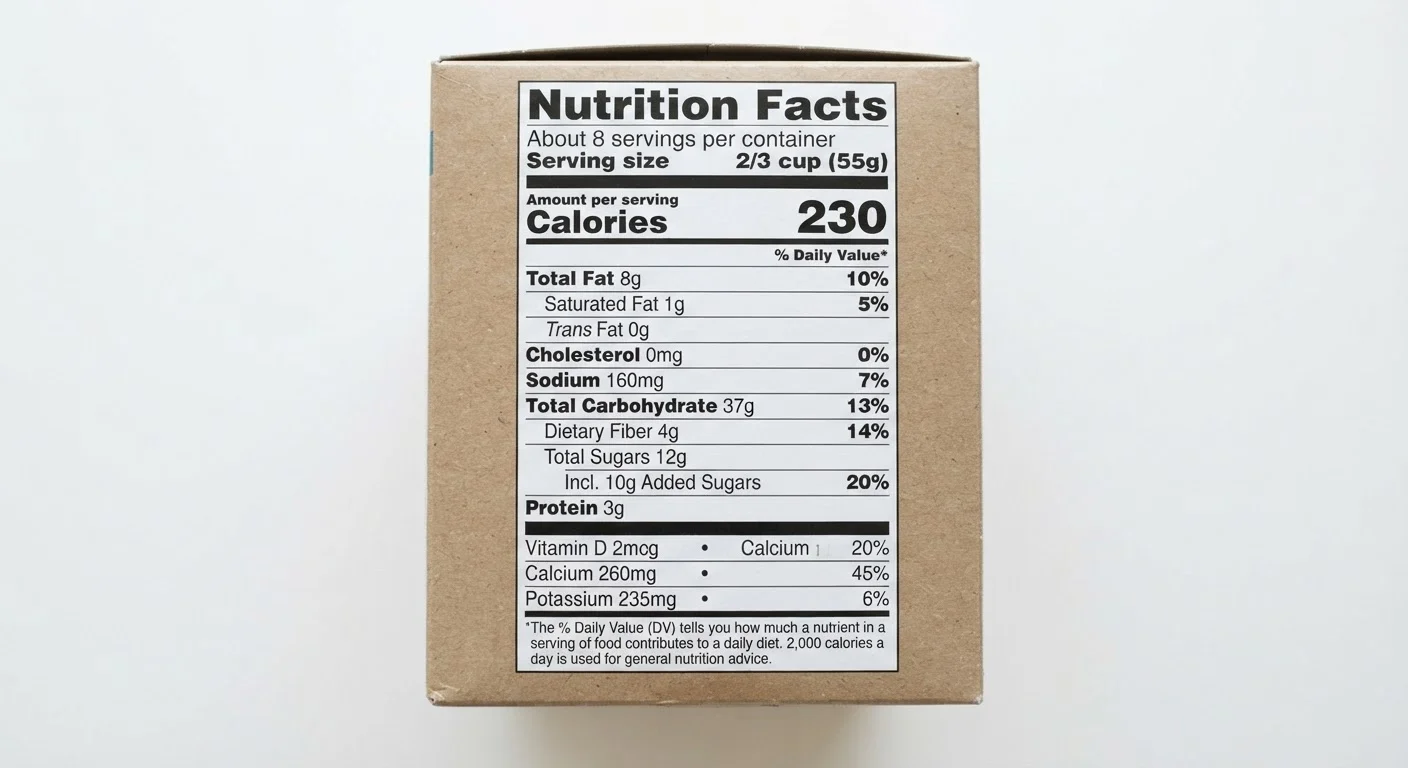
The Nutrition Facts panel is a separate but related requirement. It discloses macronutrients, certain vitamins and minerals, and added sugars, but does not list every chemical compound in the product. For a detailed breakdown of how to read that panel, see our Nutrition Label guide.
Cosmetics and Personal Care: Full Lists, But With a Catch
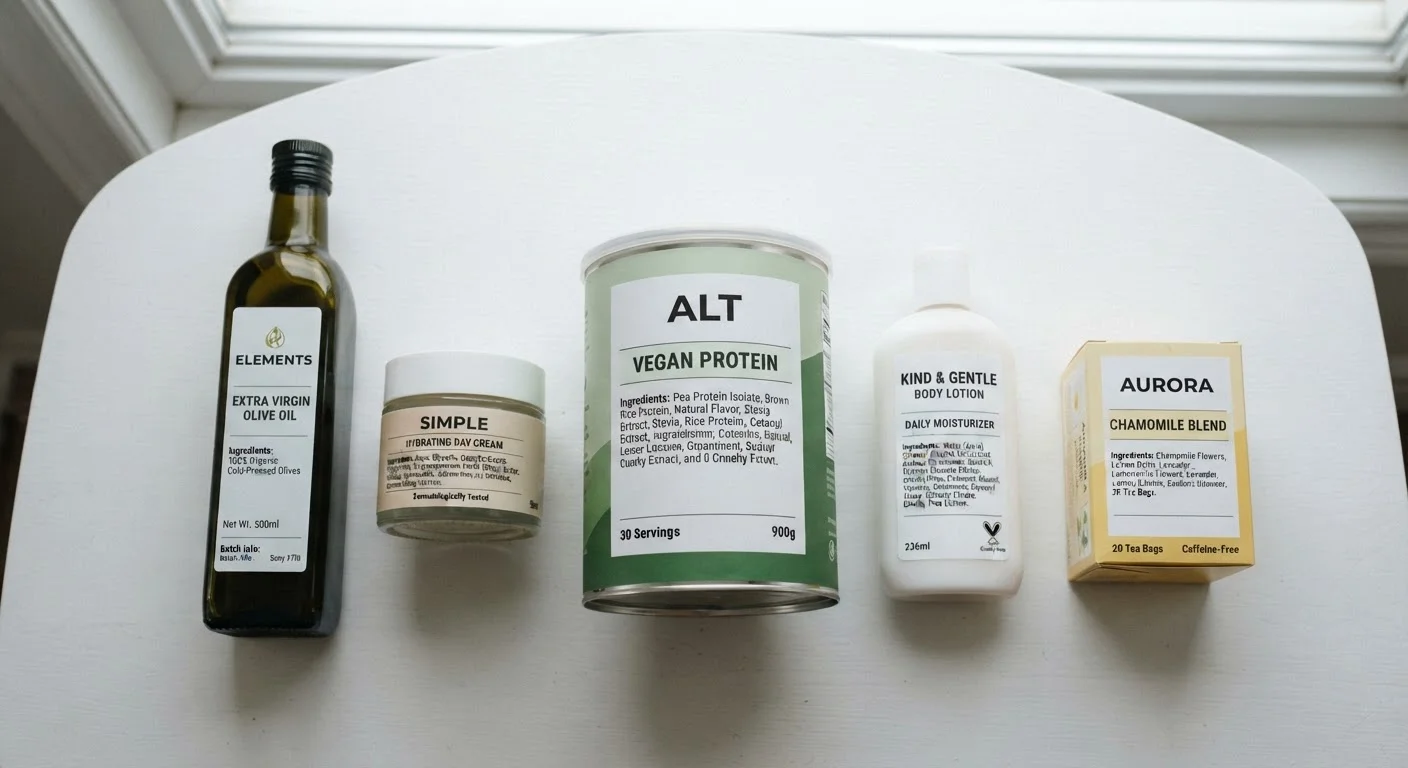
The FDA requires cosmetics sold in the U.S. to list all ingredients on the outer label using standardized INCI names, in descending order of predominance. This covers products like shampoo, lotion, and makeup. However, the law contains a significant exemption: a product's scent blend may be listed simply as "fragrance" or "parfum," regardless of how many individual chemicals compose it.
This exemption matters because fragrance blends can contain dozens of compounds, some of which have been associated with sensitization or allergic reactions in some individuals. Consumers who need to avoid specific chemicals must rely on voluntary disclosure programs or contact manufacturers directly.
The Modernization of Cosmetics Regulation Act (MoCRA), signed in 2022, gives the FDA expanded authority over cosmetic safety - including the ability to require additional disclosure. Implementation is ongoing, and rules continue to develop.
INCI Name
The International Nomenclature of Cosmetic Ingredients standardized name for a cosmetic ingredient. The FDA requires cosmetics sold in the U.S. to list ingredients using INCI names so consumers can compare products across brands.
Fragrance Exemption
A legal carve-out under the Fair Packaging and Labeling Act that allows manufacturers to list the single word 'fragrance' instead of disclosing the individual chemicals that make up a scent blend, often numbering in the dozens.
Material Safety Data Sheet (SDS)
A standardized document that chemical manufacturers must provide to downstream users and employers detailing hazardous ingredients, safe handling, and emergency measures. These are not typically included on consumer-facing product labels.
Fair Packaging and Labeling Act (FPLA)
A federal law requiring that consumer commodities disclose net quantity, identity of commodity, and manufacturer information. It also authorizes the FDA and FTC to require ingredient disclosure for covered products.
Proprietary Blend
A grouping of ingredients on a dietary supplement label where the combined weight is disclosed but the individual amounts of each ingredient within the blend are not required to be revealed.
Prop 65
California's Safe Drinking Water and Toxic Enforcement Act, which requires businesses to warn consumers when products expose them to chemicals listed by the state as known to cause cancer or reproductive harm. It operates independently of federal rules.
Dietary Supplements, Cleaning Products, and Textiles: Where Gaps Remain
Dietary Supplements: Labels must include a Supplement Facts panel listing all dietary ingredients and their amounts. However, manufacturers may group multiple ingredients into a "proprietary blend," disclosing only the combined weight - not the amount of each individual component. This makes it difficult for consumers to evaluate ingredient potency.
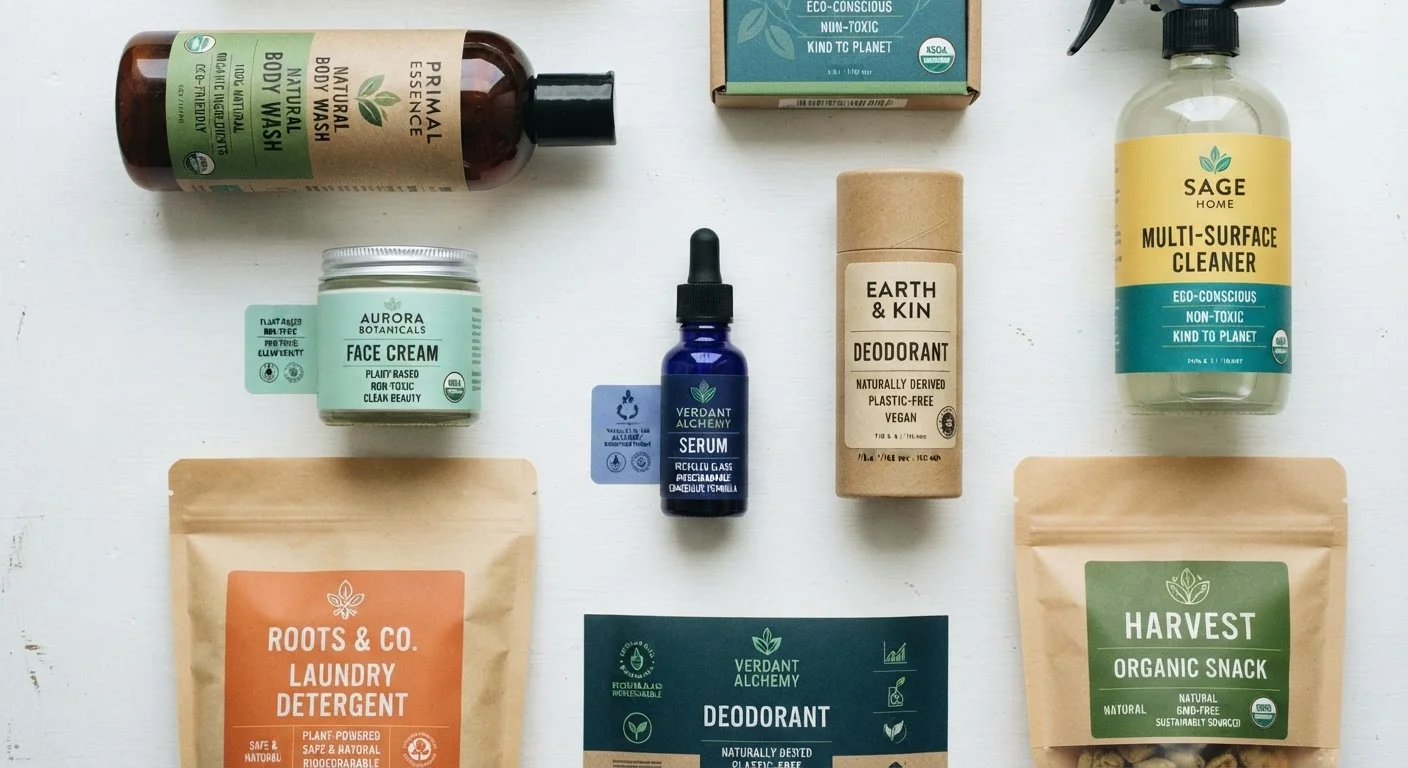
Household Cleaning Products: This is the largest disclosure gap in everyday consumer shopping. There is no federal law requiring cleaning product manufacturers to list all ingredients on the label. Some companies voluntarily disclose through industry programs or their websites. California's AB 2025 represents a state-level push toward mandatory full disclosure, but federal requirements remain limited. When you encounter terms like "non-toxic" on these products, those claims often lack a federal definition.
Textiles and Apparel: The Textile Fiber Products Identification Act (enforced by the FTC) requires fiber content by percentage, country of origin, and manufacturer identity. It does not require disclosure of dyes, finishing chemicals, or other processing agents applied to fabric.
This article provides general consumer education about regulatory frameworks and is not legal or regulatory advice. Regulations may change; verify current requirements with the relevant agency.