The Invisible Architecture Behind Every Price Tag
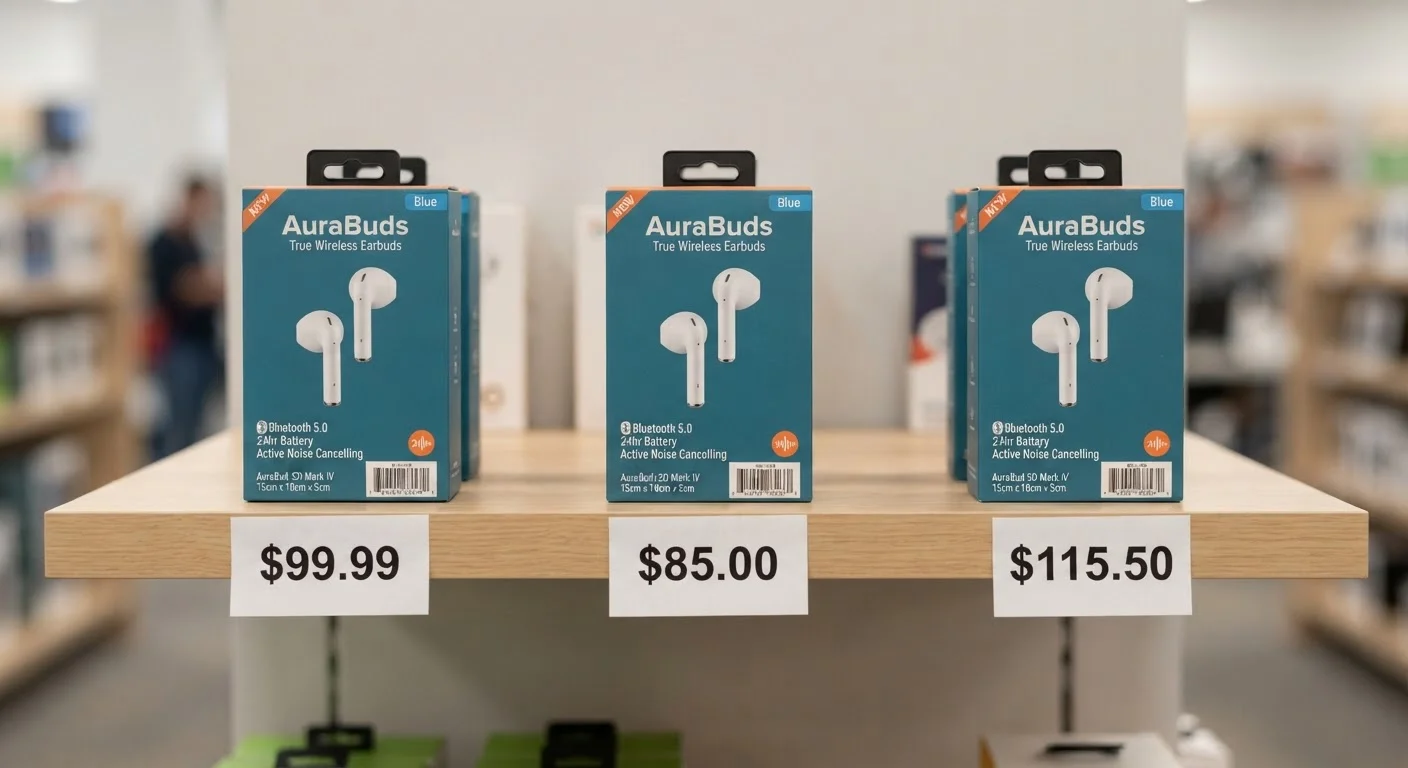
Walk into three different stores and find the exact same blender - same wattage, same model number, same color. You might pay $49 at one store, $64 at another, and $71 at a third. None of those prices is a mistake. Each one reflects a distinct set of business decisions made well before the product ever reached the shelf.
Retail pricing isn't set in a vacuum. It's the end result of a chain involving manufacturers, distributors, retailers, and lease agreements - and every link in that chain adds or subtracts from what you ultimately pay. Understanding that chain is the first step to shopping with context rather than confusion.
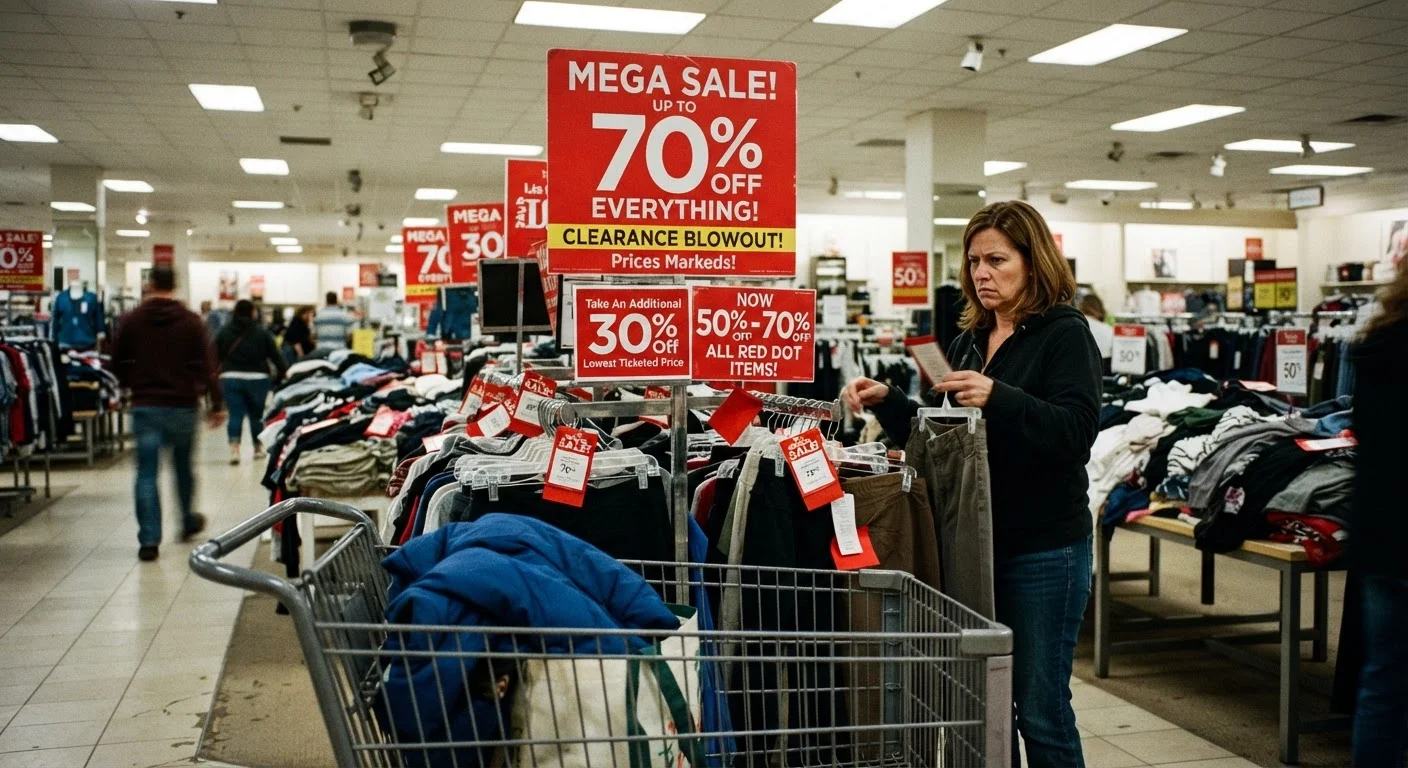
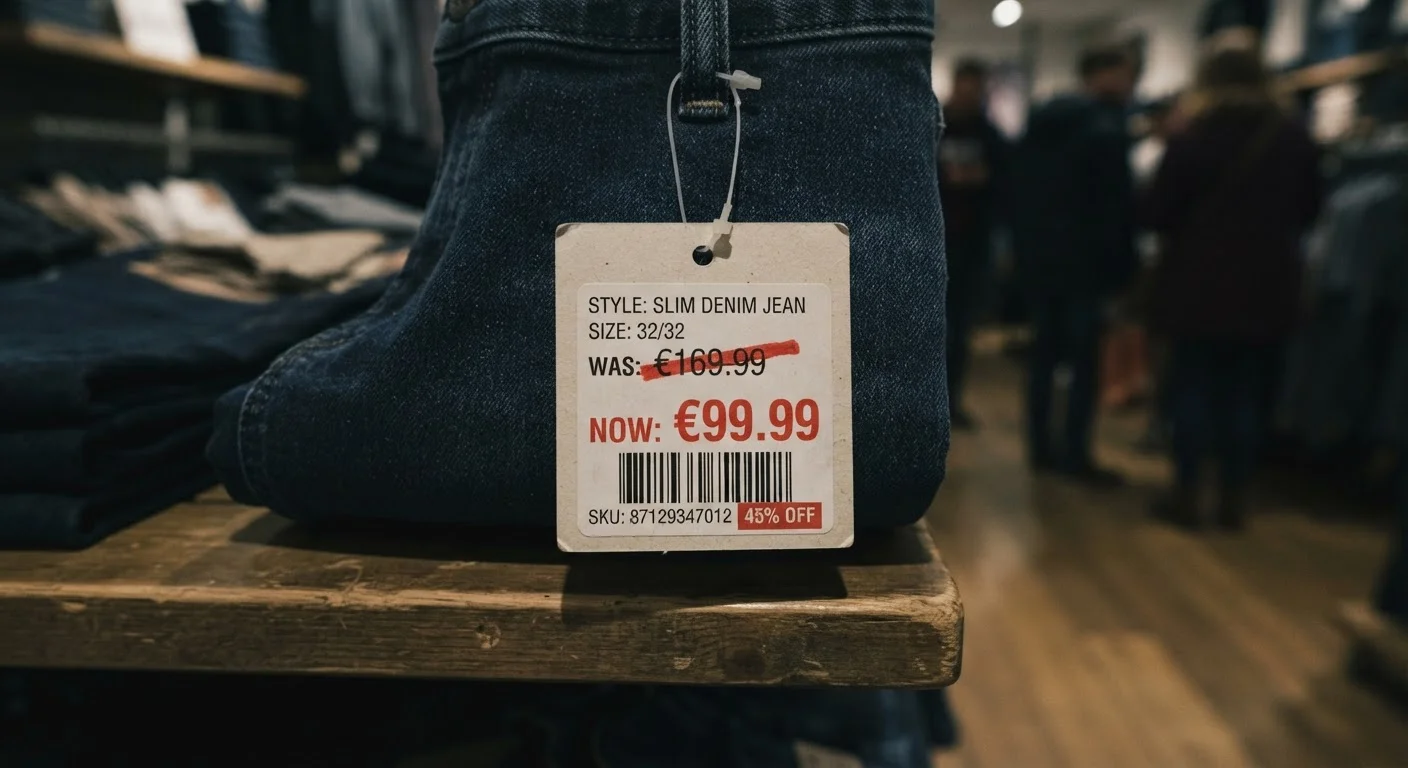
For a broader look at how pricing tactics can mislead, see our guide on how inflated original prices mislead shoppers.
MAP Policies: The Floor Manufacturers Set
Most major manufacturers establish a Minimum Advertised Price (MAP) - a contractual floor below which retailers agree not to advertise a product. This policy protects brand perception and prevents a race to the bottom that could erode a product's market position.
Here's the nuance that matters to shoppers: MAP controls what a retailer can display in an ad or online listing, not necessarily what they can charge. A retailer might list a product at the MAP price online but offer a lower price at the register, or include add-ons to create apparent value without violating the agreement. Enforcement also varies - some manufacturers actively police MAP violations, others do not.
When you see the same item priced identically at several major retailers, that consistency is often MAP in action. When prices diverge significantly, it usually signals that one seller is either violating MAP, exempt from it, or competing on a slightly different version of the product.
~70%
of manufacturers that use MAP policies
Industry research consistently estimates that the majority of consumer goods manufacturers enforce some form of minimum advertised price agreement with retail partners.
15-50%
Typical retailer gross margin range
Gross margins vary widely by retail format and category - grocery and mass merchandise tend toward lower margins, while specialty and boutique formats often run higher, according to publicly reported retail financial data.
Channel Exclusives and Distribution Agreements
Not every retailer buys the same version of a product at the same price from a manufacturer. Channel-exclusive agreements grant specific retailers - or classes of retailers - access to particular configurations, pricing tiers, or products entirely unavailable elsewhere.
A warehouse club might negotiate a larger pack size that lowers the per-unit cost. A specialty retailer might receive a version with additional accessories bundled at a price that appears competitive while protecting the standalone item's MAP. A direct-to-consumer brand might sell exclusively through its own website at a price that bypasses retailer margin requirements entirely.
These arrangements are legal and common. They explain why comparing prices across retailer types - not just across stores of the same type - often reveals meaningful differences. It also explains why identical-looking products sometimes have subtly different model numbers at different chains: a deliberate move to make direct price comparison harder.
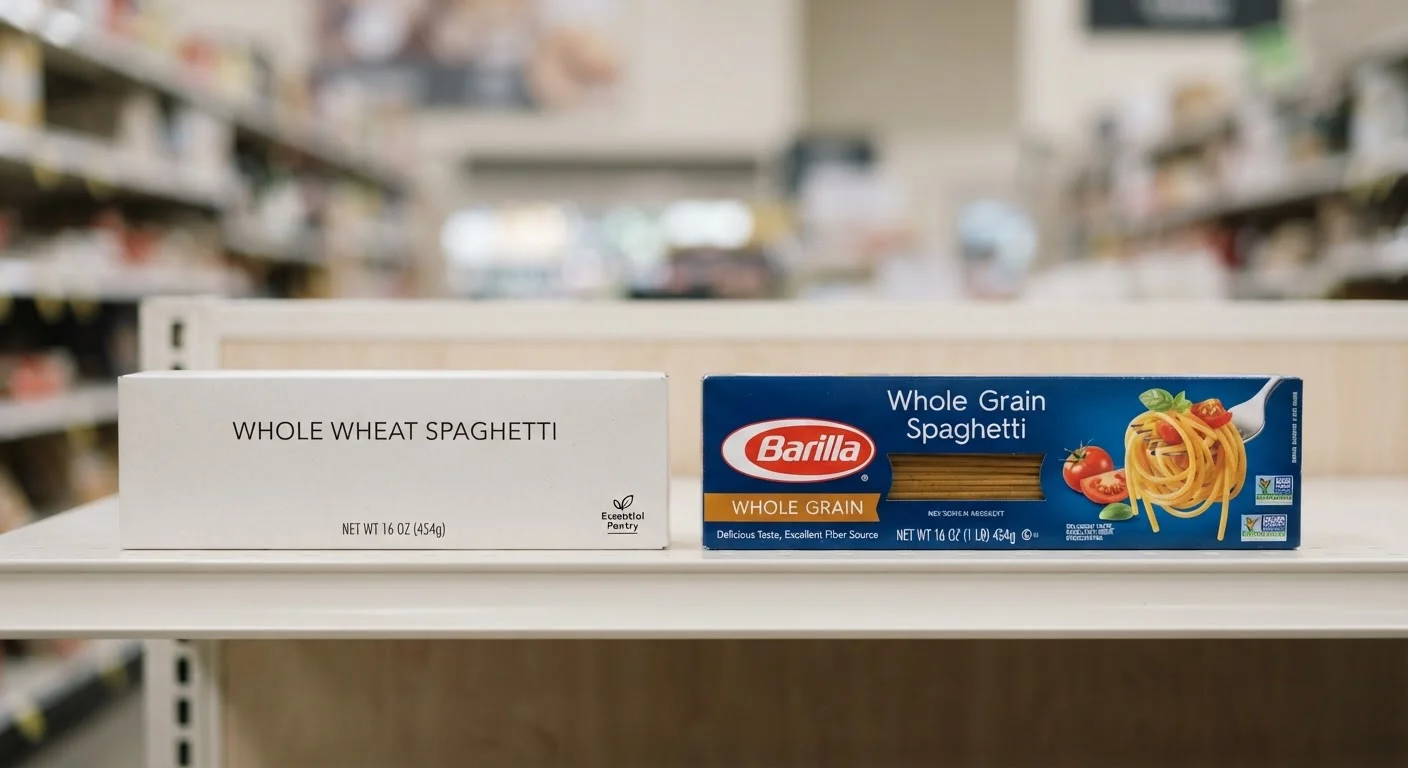
See how this connects to what you're really paying for with name brands.
Overhead, Location, and the Cost of Doing Business
Even when two retailers sell the exact same product at the same wholesale cost, their retail prices can differ substantially - because their cost structures are different.
A specialty retailer in a high-rent urban district, with trained sales staff and a curated return policy, has to embed those costs into every price tag. A warehouse-format retailer operating on high volume and thin service may pass its savings forward. An online-only seller avoids storefront costs entirely but absorbs shipping and fulfillment overhead. None of these models is inherently better - they represent different trade-offs that consumers pay for in different ways.
Local factors amplify this further. Regional distribution costs, state sales taxes, and even local competitive dynamics mean that the same chain store may charge different prices in different cities for the same item. This isn't price gouging - it's overhead arithmetic. Being aware of it means you can factor in the full cost of a purchase, including convenience, service, and returns, not just the sticker price.
For more patterns worth recognizing before they affect your budget, visit our guide on how shoppers consistently overpay.
Compare by Model Number, Not Product Name
Product names are marketing labels that can vary between retailers for what is essentially the same item - or differ slightly between configurations that aren't identical at all. When comparing prices across stores, use the full model number from the manufacturer's website as your anchor. This is the most reliable way to confirm you're looking at the same product, same specs, same version.
What This Means When You're Shopping
Price variation isn't a flaw in the retail system - it's a feature of how competitive markets work. But that doesn't mean every price is equally fair for your specific situation.
A few practical habits help cut through the noise. First, search by model number rather than product name when comparing prices - it's the most reliable way to confirm you're looking at the same item. Second, factor in the total cost of ownership: a lower sticker price paired with a difficult return policy or paid shipping may end up costing more. Third, understand that the cheapest option at any given moment might reflect a retailer clearing inventory, operating at lower overhead, or simply being willing to accept a thinner margin - none of which says anything about product quality.
The Smart Buying Tips hub has practical strategies to help you build these habits consistently. And if a price seems unusually low compared to everywhere else, it's worth pausing - as our piece on why sale prices don't always mean you're saving money explains, perception and reality in retail pricing don't always match.