The Psychology Behind the Price Tag
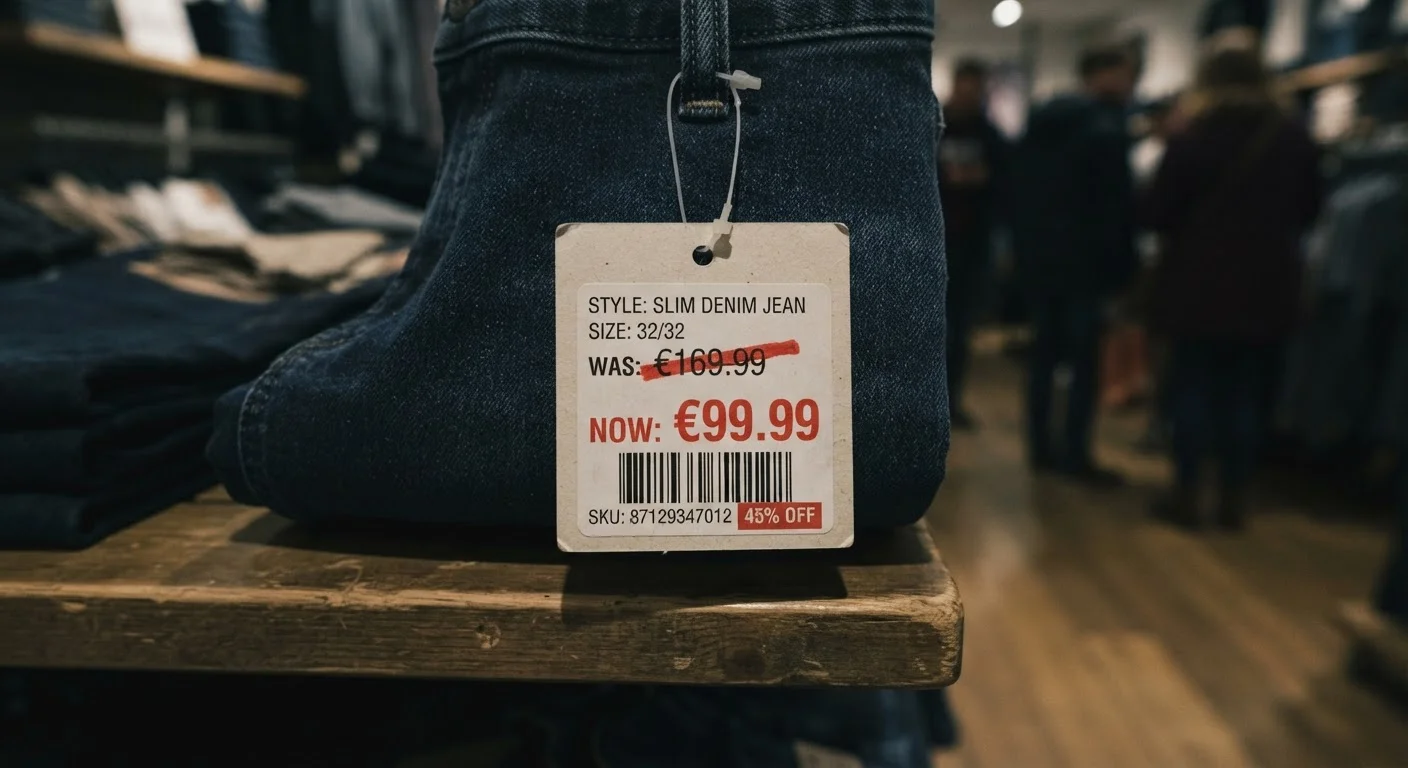
Seeing a price crossed out and replaced with a lower number triggers a reliable emotional reaction: it feels like winning. Retailers understand this thoroughly, which is why sale signage is one of the most studied tools in retail psychology. The perception of saving money can be just as motivating as actually saving it - and that gap is where overspending hides.
This article breaks down the most persistent myths shoppers carry about sale pricing, and replaces them with the clearer picture that helps you spend with confidence. For a deeper look at how reference prices get constructed in the first place, see how inflated original prices mislead shoppers.
Myth
If the original price is shown, the discount must be real.
Fact
Reference prices - the crossed-out numbers - are not always based on prices the item actually sold at regularly.
Many jurisdictions have rules requiring that advertised "original" prices reflect genuine selling prices, but enforcement is inconsistent and the definitions vary. In practice, some retailers set a high list price briefly before marking it down, which technically meets minimal legal thresholds while still distorting the perceived value. The crossed-out number anchors your judgment to a figure that may never have represented the item's real market value. Before trusting a reference price, learn how inflated original prices get constructed.
Myth
A bigger percentage off always means a better deal.
Fact
The percentage discount is only meaningful relative to a legitimate baseline price - and it says nothing about whether you need the item.
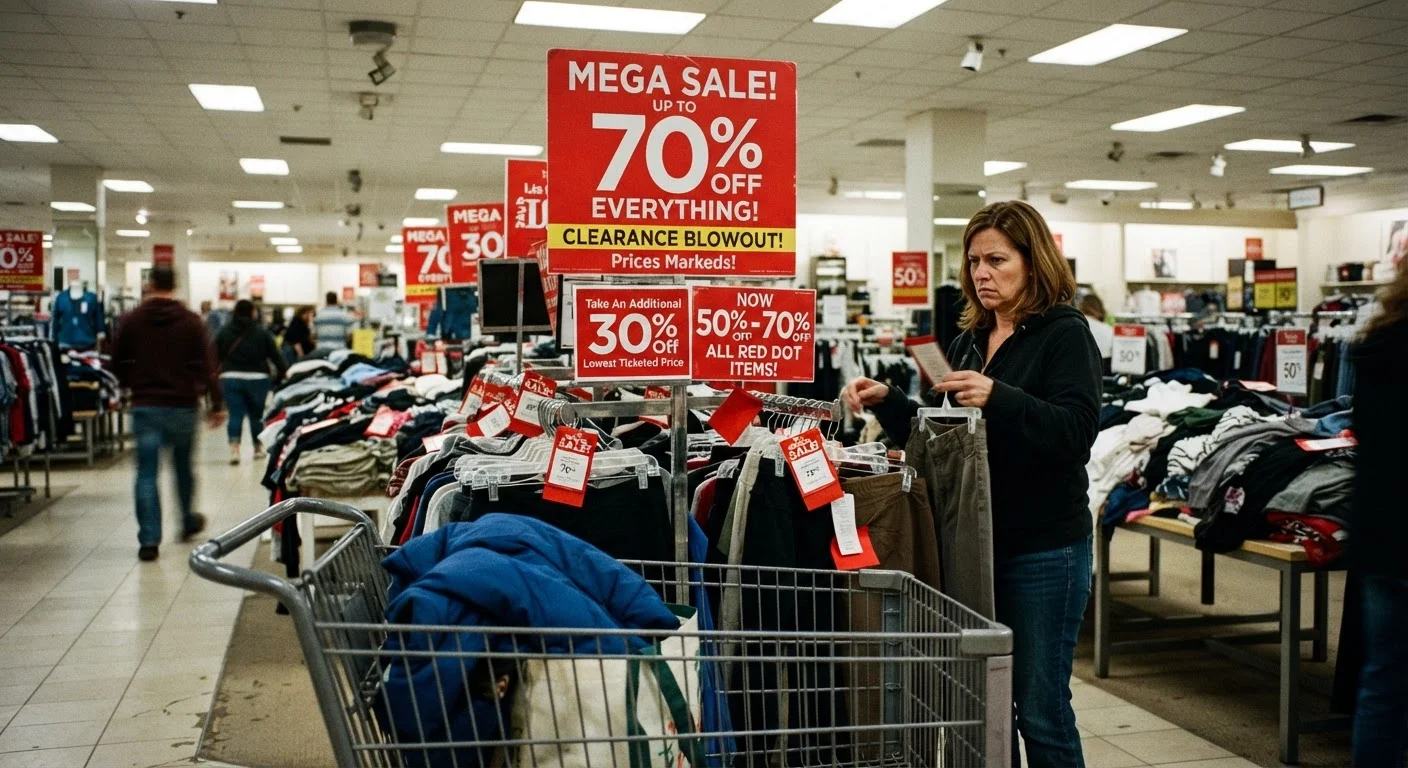
A 60% discount on an item priced well above its competitors may still leave you paying more than you would elsewhere. Percentage framing also encourages buying things you wouldn't have sought out otherwise, simply because the discount feels compelling. Research in consumer behavior consistently finds that large percentage labels increase purchase likelihood even when the absolute savings are small. Compare the sale price against the item's price at other retailers before deciding the percentage figure means anything. Why the same product can have three different prices at three different stores explains why those comparisons can be surprisingly complex.
Myth
Sale prices are always lower than everyday prices elsewhere.
Fact
A promotional price at one retailer may still be higher than the standard everyday price at another.
Retail pricing is shaped by channel agreements, minimum advertised price (MAP) policies, and store-specific cost structures - not just what a seller decides to charge. This means one store's "sale" can sit comfortably above another store's regular shelf price for the same item. Cross-retailer comparison is essential, and in some categories, shopping in person rather than online yields better prices than a promotional event online. See when the physical store actually wins for scenarios where that's true.
Myth
Buying more during a sale always saves money overall.
Fact
Spending more than planned - even at a discount - increases total expenditure, which is the opposite of saving.
Bundle offers, quantity minimums, and "spend $X to save $Y" structures all encourage higher basket sizes. If you end up buying three of something to unlock a discount when you only needed one, the incremental units represent spending you wouldn't have done otherwise - not savings. Recognizing these patterns before they affect your cart is a practical skill. Ways shoppers consistently overpay even during sales documents these mechanics in detail.
Myth
The lowest price automatically makes it the best value.
Fact
Total cost of ownership - including quality, longevity, fees, and return conditions - often matters more than the purchase price alone.
A lower sticker price can be offset quickly by a restocking fee on a return, a product that fails earlier than a slightly more expensive alternative, or shipping costs that narrow the gap. Return policies in particular deserve attention before purchase; restrictive terms can effectively make a sale item non-returnable. Decoding return policies before they trap you covers the fine print that most shoppers miss. True value assessment means accounting for the full picture, not just the number on the tag.
What a Real Deal Actually Looks Like
Once you strip away psychological framing, a genuine deal has a few consistent traits: the price is meaningfully below what the item has sold for consistently over time, the item meets your actual need, and the total cost - including shipping, fees, and the likelihood you'll need to return it - is lower than alternatives.
Price history tools can show you whether a so-called sale price is actually new or whether it's the item's normal selling range. For a full explanation of how those tools work and where their data has blind spots, see how price tracking tools work.
It's also worth remembering that sales aren't all created equal. A clearance markdown, a flash sale, and a seasonal promotional event each have different causes and different levels of real savings. Understanding those distinctions - covered in detail in flash sales, clearance events, and seasonal markdowns - helps you decide when urgency is warranted and when it's manufactured.
Urgency Language Is a Pressure Tactic
Phrases like "today only," "limited stock," and "selling fast" are designed to compress your decision-making time and reduce comparison shopping. In many cases, the same item will be available at the same or similar price after the stated deadline passes. If a sale's primary message is that you must act immediately, that's a reason to slow down - not speed up. A purchase decision made under artificial time pressure is more likely to result in regret.
Finally, the checkout stage deserves its own scrutiny. Many shoppers lose potential savings at the final step by missing stacked discounts, cashback options, or loyalty point opportunities. Why the checkout page is where most savings get left behind walks through what to look for before you confirm any purchase.