How the Tactic Works
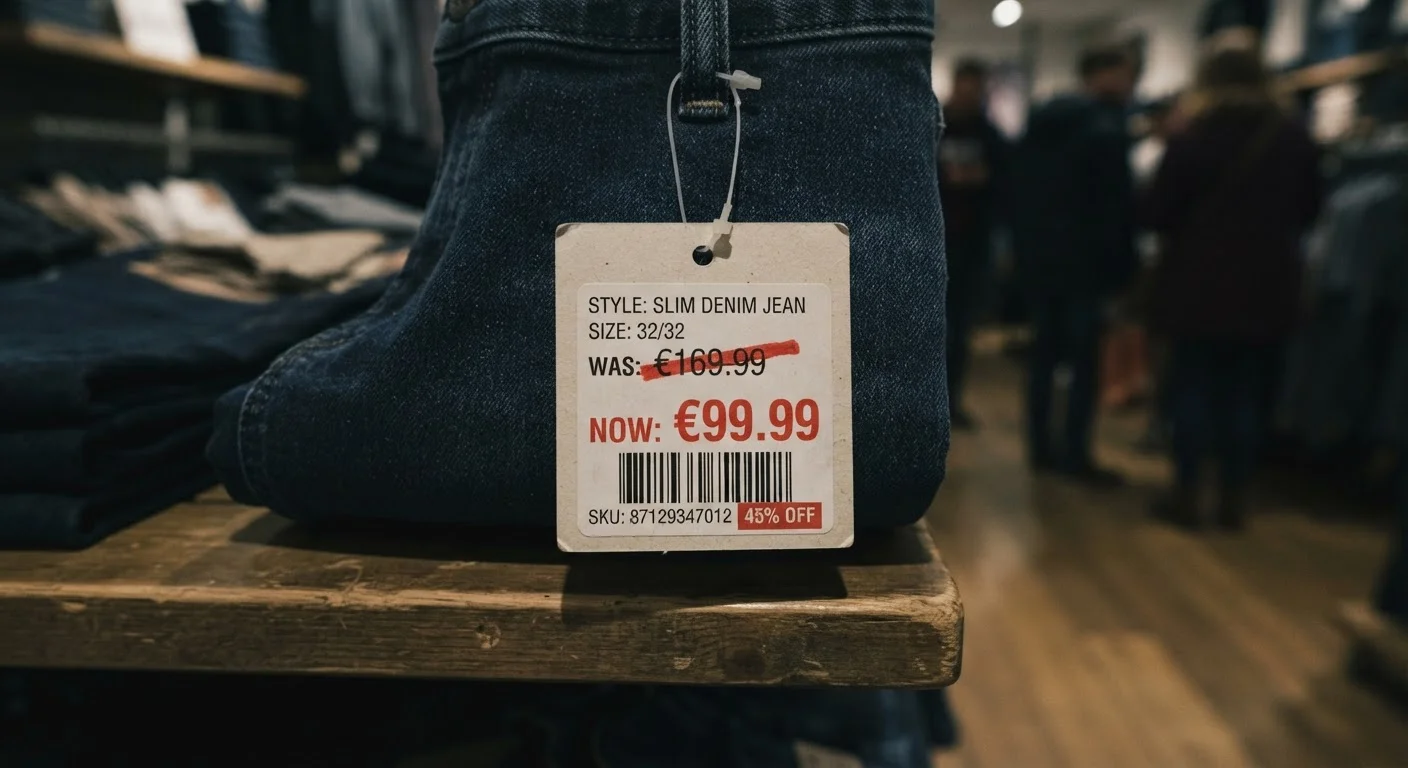
The mechanics are straightforward. A retailer sets a high 'original' or 'regular' price - sometimes called an anchor price - then quickly puts the item 'on sale' at a lower figure. The resulting percentage off looks impressive. But if the product was never actually available to shoppers at that higher price in any meaningful way, the discount is built on a fiction.
Psychologically, this exploits what researchers call the anchoring effect: the first number we see shapes how we evaluate every subsequent number. A jacket labeled 'Was $250 - Now $89' feels like an exceptional find, even if it retailed everywhere for $89 all along. The crossed-out number does the persuasive work; the actual price is almost secondary.
This is why sale price labels don't automatically signal savings. The label reflects a comparison to a reference point - and that reference point may have been chosen more for marketing impact than for accuracy.
87%
Shoppers influenced by reference prices
Research published in the Journal of Marketing Research found the vast majority of consumers use an advertised 'original' price as a primary anchor when judging deal quality.
$88B+
Annual U.S. retail promotional sales volume
The scale of promotional retail in the U.S. means even a small percentage of misleading reference prices affects an enormous number of transactions each year.
Common Variations You'll Encounter
Reference price inflation shows up in several forms, each with slightly different packaging:
- Manufacturer's Suggested Retail Price (MSRP) markdowns: Retailers advertise the MSRP as the 'original' price, even when that MSRP was never the going market rate. This is especially common in furniture, electronics, and automotive accessories.
- 'Compare at' labels: These reference a price supposedly charged elsewhere. The comparison retailer or price point may be cherry-picked to maximize the implied discount.
- Perpetual sales: Items that are technically on sale every single day, with the 'regular' price functioning as a ceiling that no customer ever actually pays.
- Temporary price spikes before major sales events: A product's price is briefly raised weeks before a major sale, then reduced to the previous normal price and labeled as discounted.
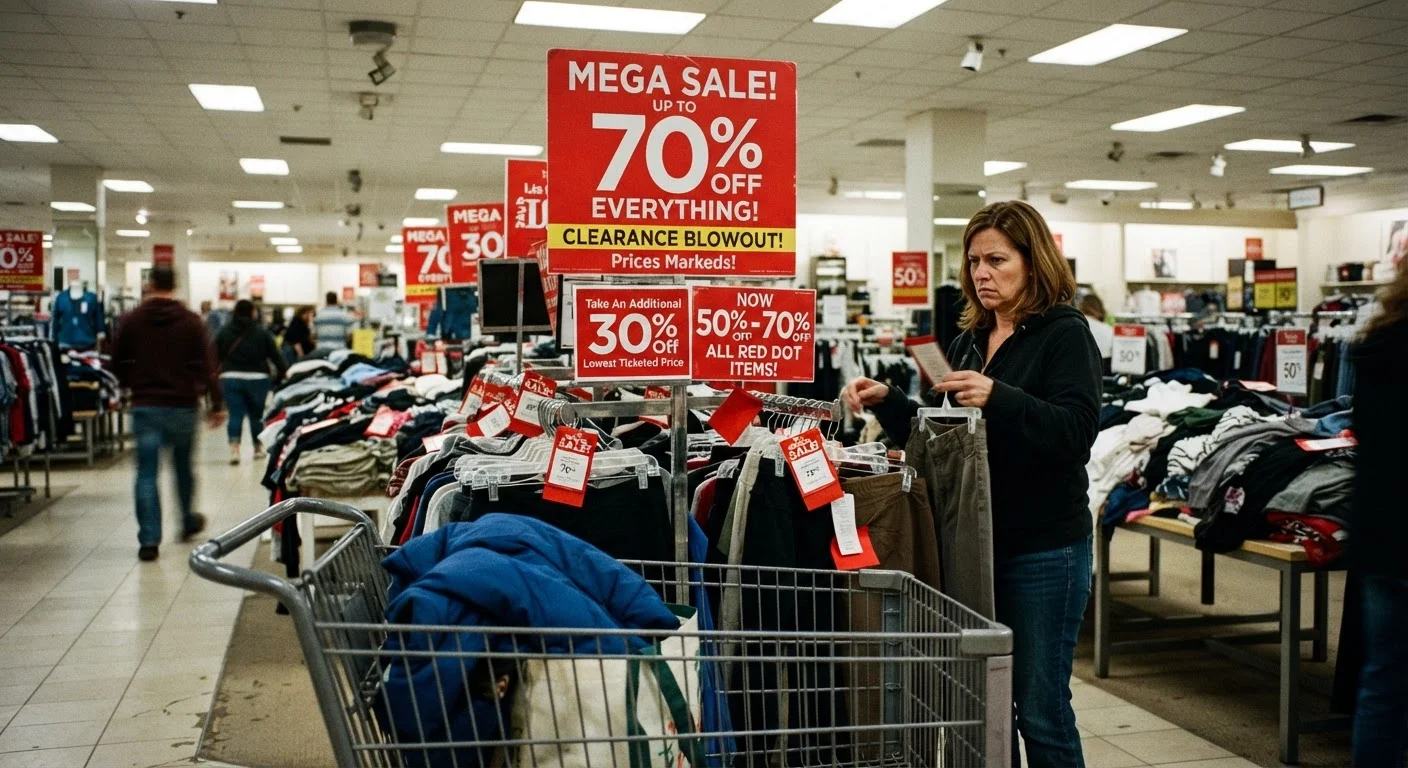
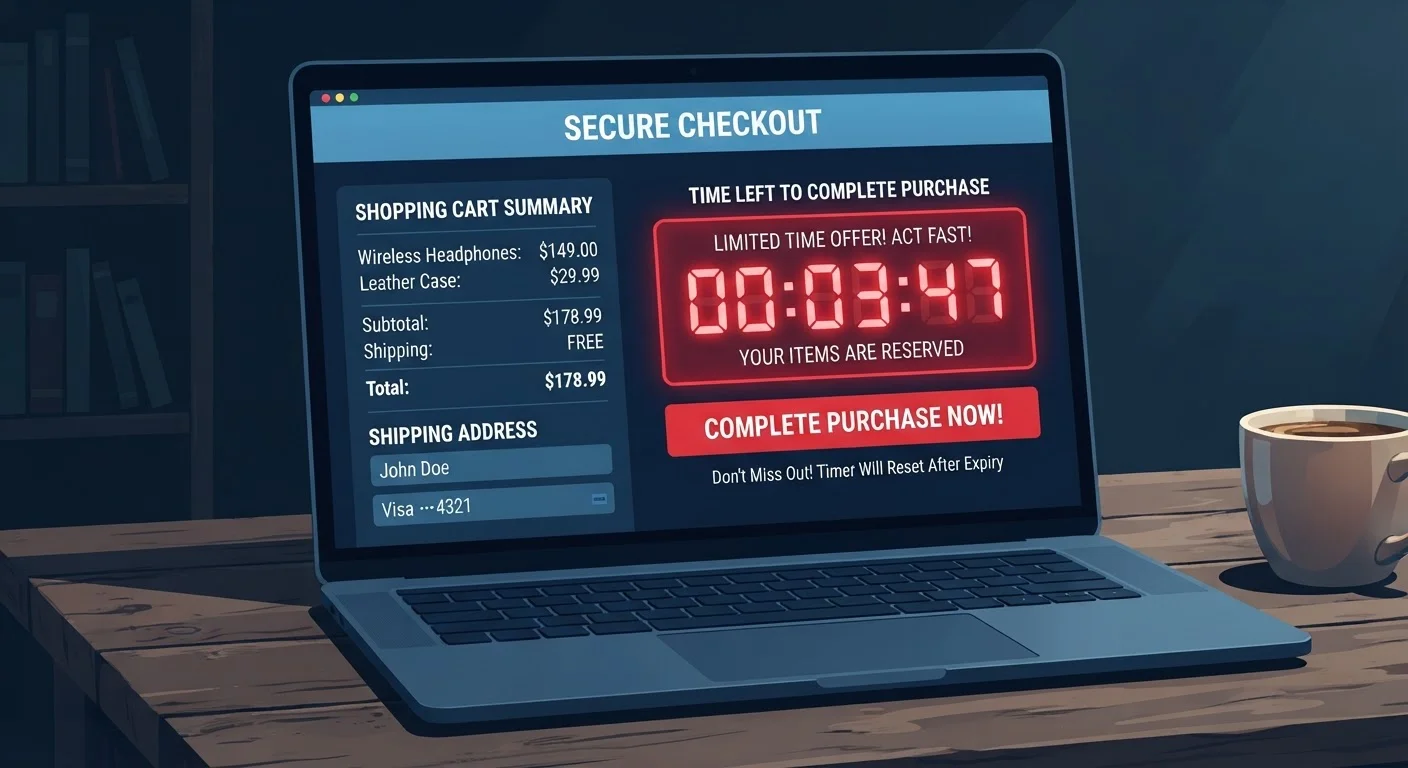
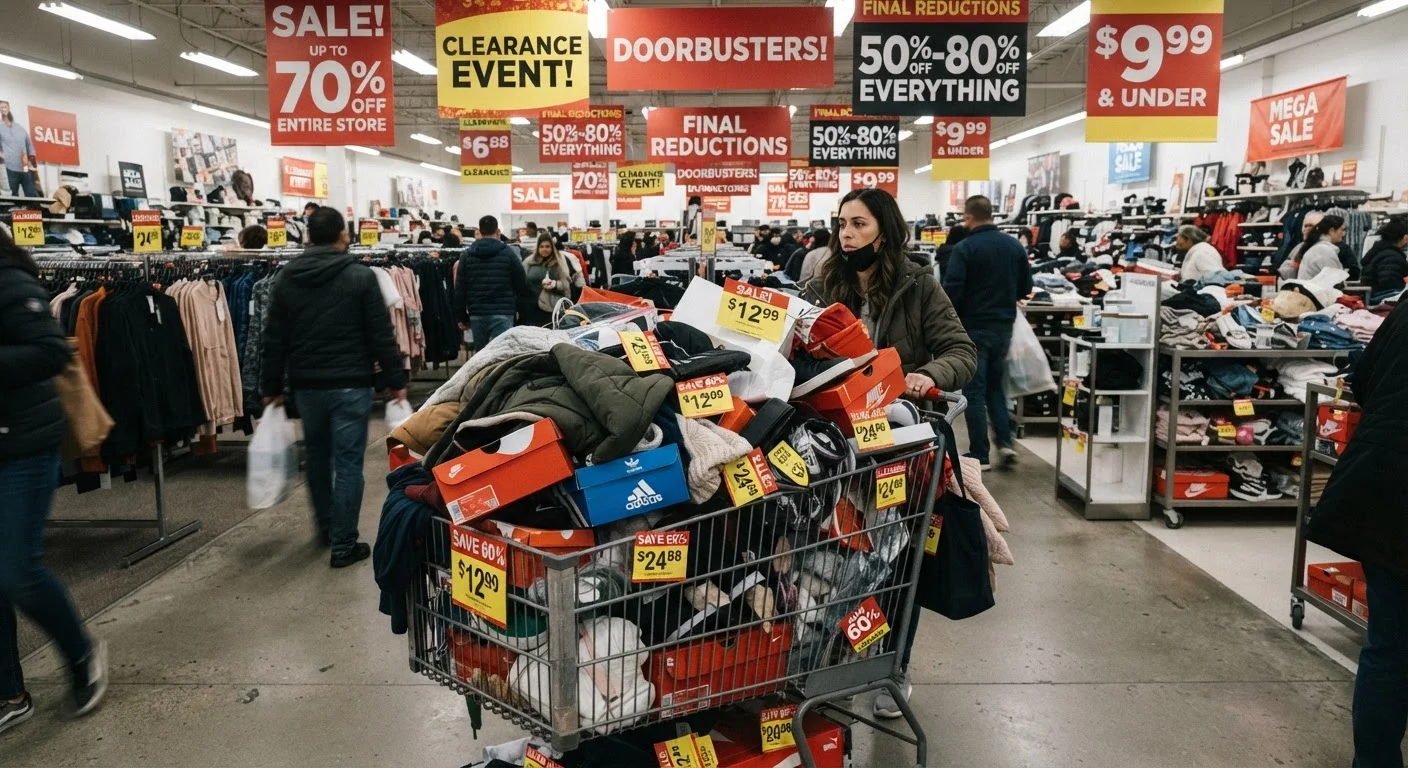
The last variation is particularly visible around major shopping events. Consumer watchdog organizations and investigative journalists have documented cases where products were raised in price shortly before large promotional sales, then 'discounted' back to their prior levels. The resulting deal is real only in name. For more context on how urgency compounds this problem, see how countdown timers and limited-time offers can pressure shoppers.
Why It's Hard to Catch in the Moment
Most shoppers don't have a reliable mental baseline for what a product 'should' cost - especially for categories they don't buy frequently. Retailers know this. When a reference price appears authoritative (printed on a tag, displayed in a large font, crossed out in red), it tends to be accepted at face value.
Retail environments also create time pressure. In-store, you can't easily look up a product's price history while standing in the aisle. Online, fast-moving sale pages often don't encourage extended comparison shopping. The deal feels immediate; the verification feels effortful.
This dynamic feeds into the broader patterns that cause shoppers to overpay even during sales events. Fake reference prices are one piece of a larger system designed to frame purchases as urgent and favorable, whether they are or not.
Practical Ways to Verify a Discount's Legitimacy
Skepticism is a tool, and it's easier to apply with the right habits in place:
- Check price history before buying. Several free tools record historical pricing data for products at major retailers. If the 'original' price appears only briefly - or not at all - in the history, the reference figure is almost certainly inflated. Understand both how price trackers work and where their data has limits before relying on them exclusively.
- Compare across independent retailers. Check what the identical item sells for at stores that aren't running a promotion. That gives you an unbiased market price to compare against. Pricing varies across channels for structural reasons, so one comparison may not be enough - check two or three.
- Ignore the percentage and focus on the absolute price. Ask yourself: is this price - on its own, without the crossed-out figure - one you'd consider fair? If you need the anchor to justify it, revisit the decision.
- Look for corroborating signals. Verified user reviews, independent product coverage, and retailer reputation all carry more weight than a number on a tag.
Evaluating a deal on its actual merits - rather than its implied savings - is the core of understanding what makes a price genuinely worth paying.