Why Countdown Timers Are Built to Pressure You
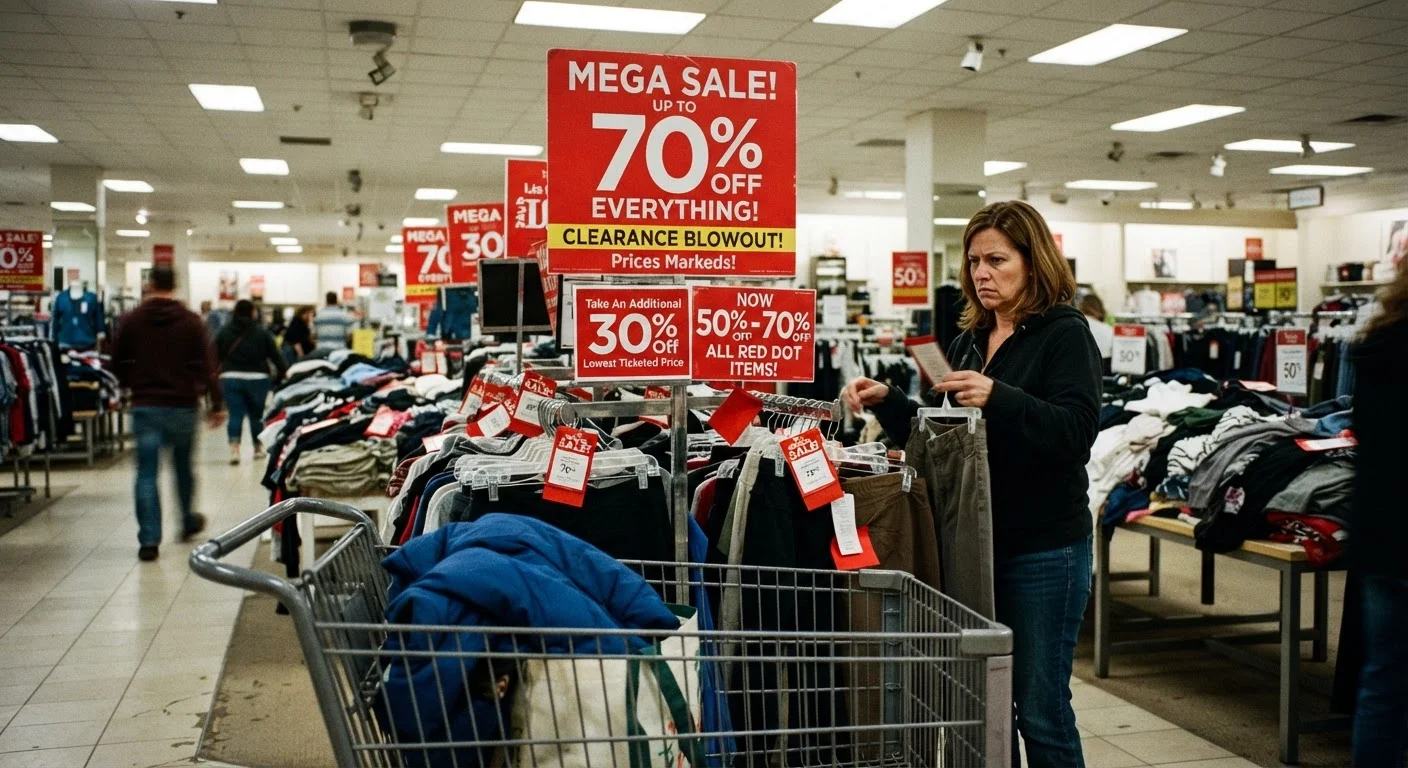
Countdown timers, flashing banners, and "Only 3 left!" labels all work on the same psychological principle: scarcity and urgency push people to act before they think. Behavioral researchers call this "loss aversion" - the discomfort of potentially missing out feels more powerful than the satisfaction of saving money carefully.
Retailers and e-commerce platforms have invested heavily in urgency design precisely because it works. Studies in consumer psychology consistently show that artificial deadlines compress decision-making time, which tends to reduce price comparison and increase conversion rates. In short, a ticking clock makes you a less careful shopper.
The important thing to understand is that urgency itself is a design choice - not a reflection of reality. Not every timer corresponds to a genuine supply constraint or a real pricing window. Knowing how these tactics are constructed is the first step to seeing past them. For a broader look at how pricing psychology distorts perceived value, see how sale prices can mislead.
Myths vs. Facts: Separating Real Urgency from Theater
Below are some of the most persistent misconceptions about limited-time offers and countdown timers, paired with what the evidence actually shows.
Myth
If a countdown timer is running, the deal will disappear when it hits zero.
Fact
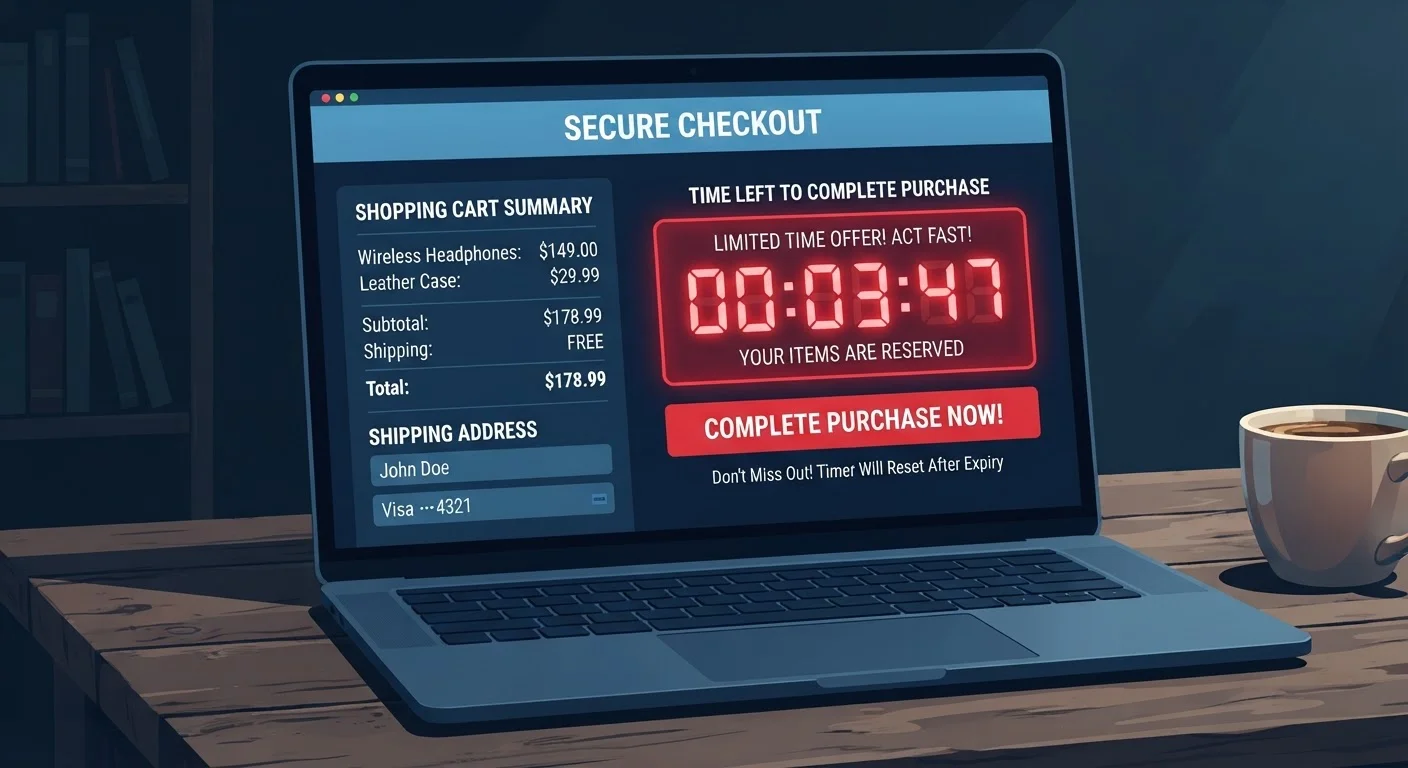
Many countdown timers are scripted to reset automatically when they expire, making the deadline effectively fictional.
Browser-based countdown timers are relatively simple to implement and easy to manipulate. A common e-commerce practice involves timers that restart - either from the same starting point or after a brief pause - the moment they reach zero. This behavior has been documented by consumer advocacy journalists and shopping researchers who test timer behavior by simply waiting and reloading. If you're unsure, test it: let the clock run out and see what the page does next.
Myth
'Limited time' means the price will go back up once the offer ends.
Fact
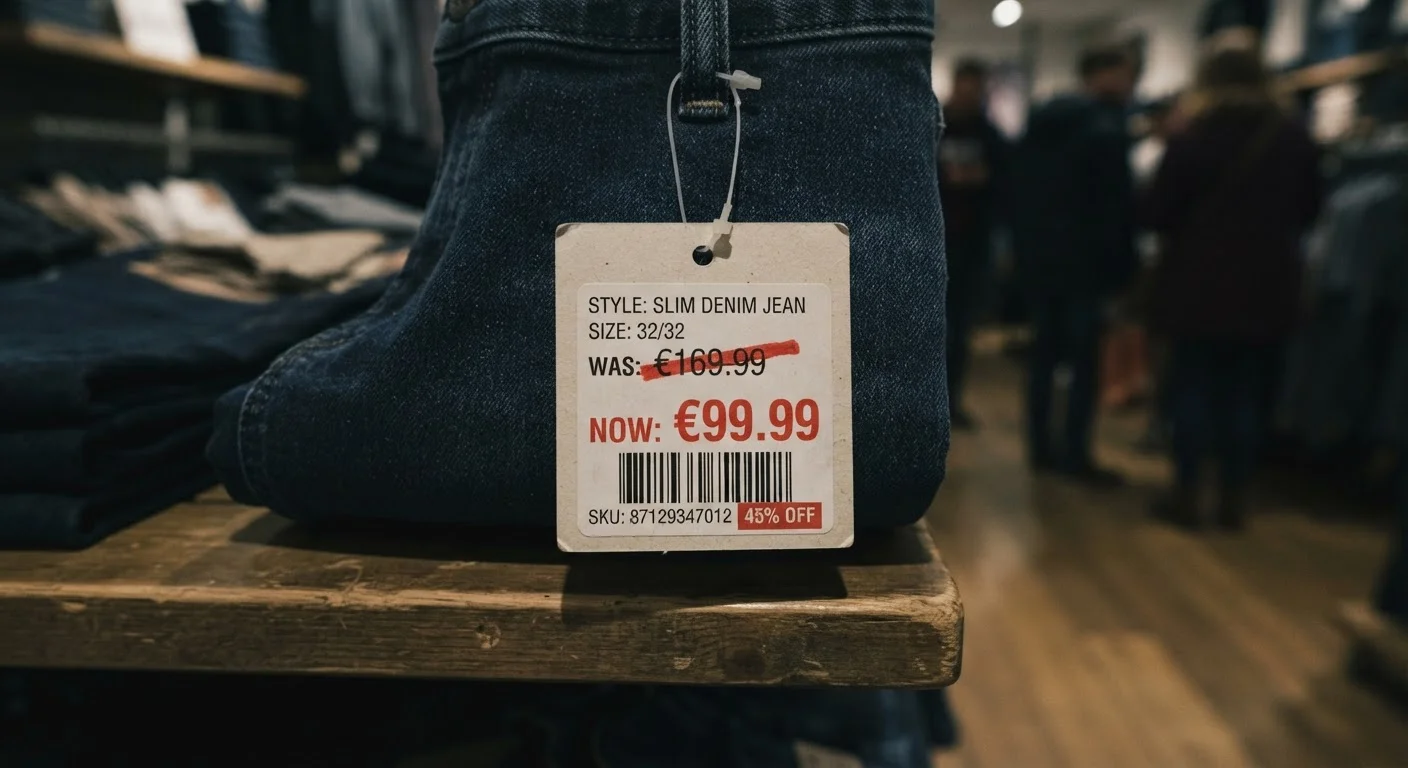
In many cases, the 'sale' price is simply the item's standard ongoing price, with a reference price displayed to create the illusion of savings.
Retailers sometimes display a higher "original" or "was" price alongside a "limited time" price, even when the item has rarely or never sold at that higher price. Price history tracking tools can expose this pattern. When the "sale" ends, the page may simply refresh with a new timer and the same pricing structure. The Federal Trade Commission has published guidance on deceptive pricing practices, and several states have pricing transparency regulations specifically targeting reference-price misrepresentation.
Myth
Urgency indicators like 'Only 2 left in stock' always reflect real inventory.
Fact
Low-stock warnings can be static display elements that don't reflect actual warehouse counts.
Inventory scarcity messages are a well-documented conversion optimization tool. Some platforms display fixed low-stock numbers regardless of actual supply, while others dynamically calculate figures but apply them to a product category rather than a specific SKU. Genuine inventory constraints are more common with niche, handmade, or clearance items; for mass-produced goods sold by large retailers, a "2 left" message warrants healthy skepticism. Checking the same listing on different days is a quick test.
Myth
Acting fast on a limited-time deal is almost always the smart financial move.
Fact
Rushed purchases driven by artificial urgency are a leading cause of buyer's remorse and returns.
Consumer research on impulse buying consistently identifies time pressure as a significant driver of purchases that buyers later regret. When urgency compresses the decision window, shoppers are less likely to compare alternatives, read product specifications carefully, or assess whether they actually need the item. The financial cost of returns - including restocking fees, return shipping, and the time involved - frequently erodes any savings the original deal offered. Slowing down, even briefly, is a measurable advantage.
Myth
Flash sale prices are always lower than what you'd find with normal shopping.
Fact
Flash sale prices vary widely in value; some are genuine markdowns, while others use inflated reference prices to simulate bigger discounts.
Not all flash sales are equal. Some represent authentic overstock clearance or manufacturer promotions with real cost savings. Others apply the flash-sale label to pricing that is marginally different - or even identical - to the standard retail price, relying on the event's framing to signal urgency and value. Cross-checking a flash sale price against third-party retailers or price history databases is the most reliable way to assess whether a specific event offers real savings.
Understanding these distinctions won't make you a cynic - it makes you a more deliberate buyer. When you recognize a pressure tactic for what it is, you can still choose to purchase, but you'll do it on your own terms rather than on the retailer's timeline.
How to Spot a Genuine Deal vs. a Manufactured Deadline
Legitimate time-sensitive offers share a few common traits. They're usually tied to a specific, verifiable event - a holiday sale window, an end-of-season clearance, or a flash sale with a publicly announced end time. They often involve real inventory reduction or a supplier promotion with an actual expiration date. And critically, the price before the "sale" is consistent with the item's actual market price.
Manufactured urgency, by contrast, tends to look different up close:
- Timers that reset: Reload the product page after the timer hits zero. If it starts over at the same number, the deadline was artificial.
- Vague "limited time" language: No specific end date or time is given, leaving the window deliberately undefined.
- "Original" prices with no history: Use a browser extension or price-tracking site to check whether the item has ever actually sold at that higher reference price. Inflated original prices are a separate but closely related tactic.
- Stock counts that never drop: If "Only 2 left!" reads the same the next day, it's likely a static display.
If you're weighing whether to act now or wait, the tradeoffs are real in both directions - timing a purchase versus buying when you need it lays out how to think through that decision without artificial pressure distorting it.
Practical Steps Before You Click 'Buy Now'
A brief pause before purchasing is one of the most effective tools a consumer has. Here's what that pause can include:
- Check the price history. Free browser extensions and third-party price-tracking websites log historical prices for many retail categories. If the "sale" price is actually the normal price, the timer is decoration.
- Let the timer expire. Intentionally wait and see what happens. If the offer disappears, that's meaningful. If the page resets with the same deal, you've learned something important about how that retailer operates.
- Compare across channels. The same product may be available elsewhere at a lower or equal price without any artificial urgency attached. Quick comparison searches take less than two minutes.
- Know the return policy first. If urgency causes you to skip reading the return terms, you may have no recourse if the item doesn't meet expectations.
Also worth checking: don't let the urgency of a deal cause you to miss straightforward savings at the point of payment. Checkout-page savings are frequently overlooked when shoppers are rushing to beat a clock.
Finally, it helps to understand how different types of promotional events are structured. Flash sales, clearance events, and seasonal markdowns each operate differently - knowing which type you're looking at tells you a lot about whether the urgency is real.