The Case for Timing a Purchase
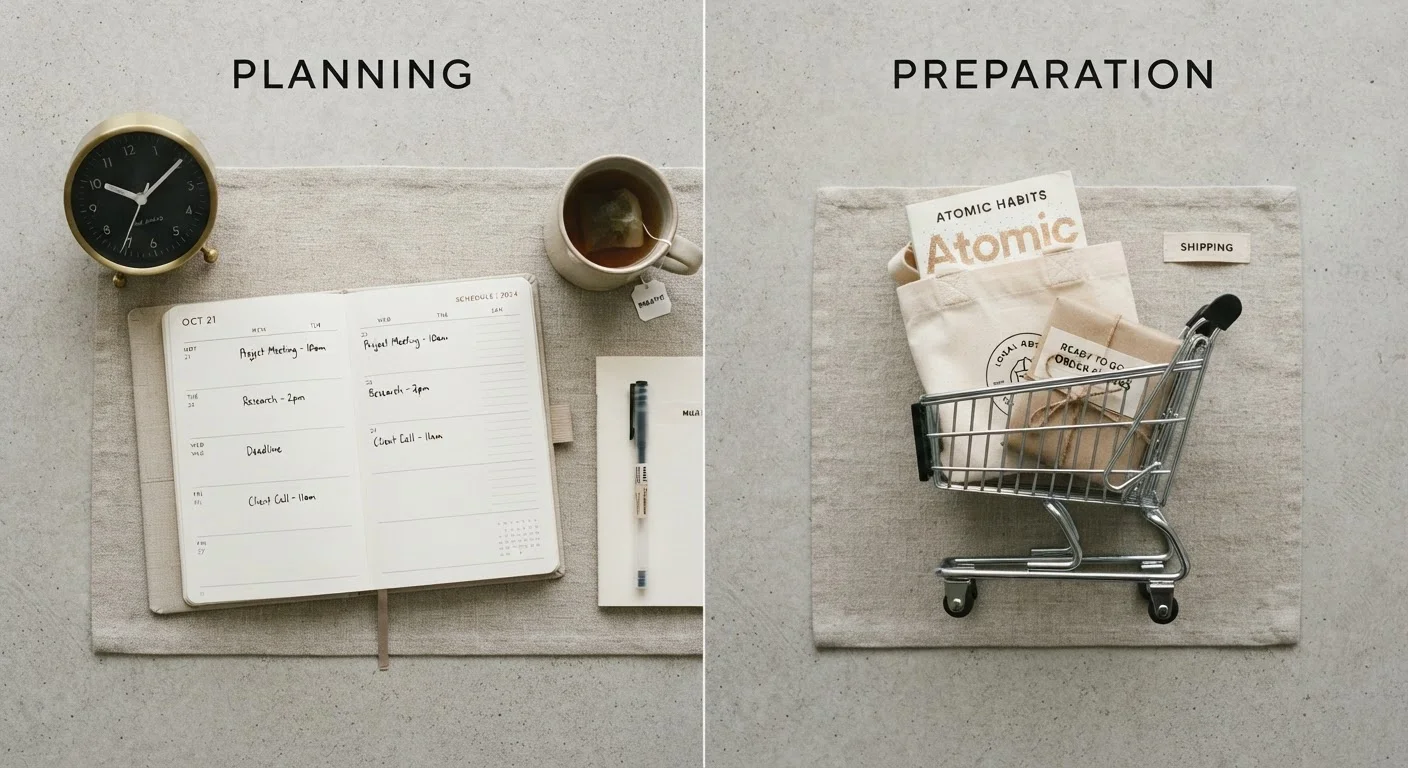
Waiting for a better price isn't passive - it's a deliberate strategy that can pay off meaningfully when applied to the right situation. Retailers follow pricing patterns that repeat year after year: major appliances are often discounted around holiday weekends, winter clothing gets marked down in late January, and consumer electronics frequently drop in price after new model releases. Shoppers who understand these cycles can save a meaningful percentage on a planned purchase simply by adjusting their timeline.
The key phrase is planned purchase. Timing works when you already know what you want, your existing item is still functional, and you have a rough sense of when pricing typically improves. It also works better on categories with predictable inventory cycles rather than one-of-a-kind items or fast-moving markets.
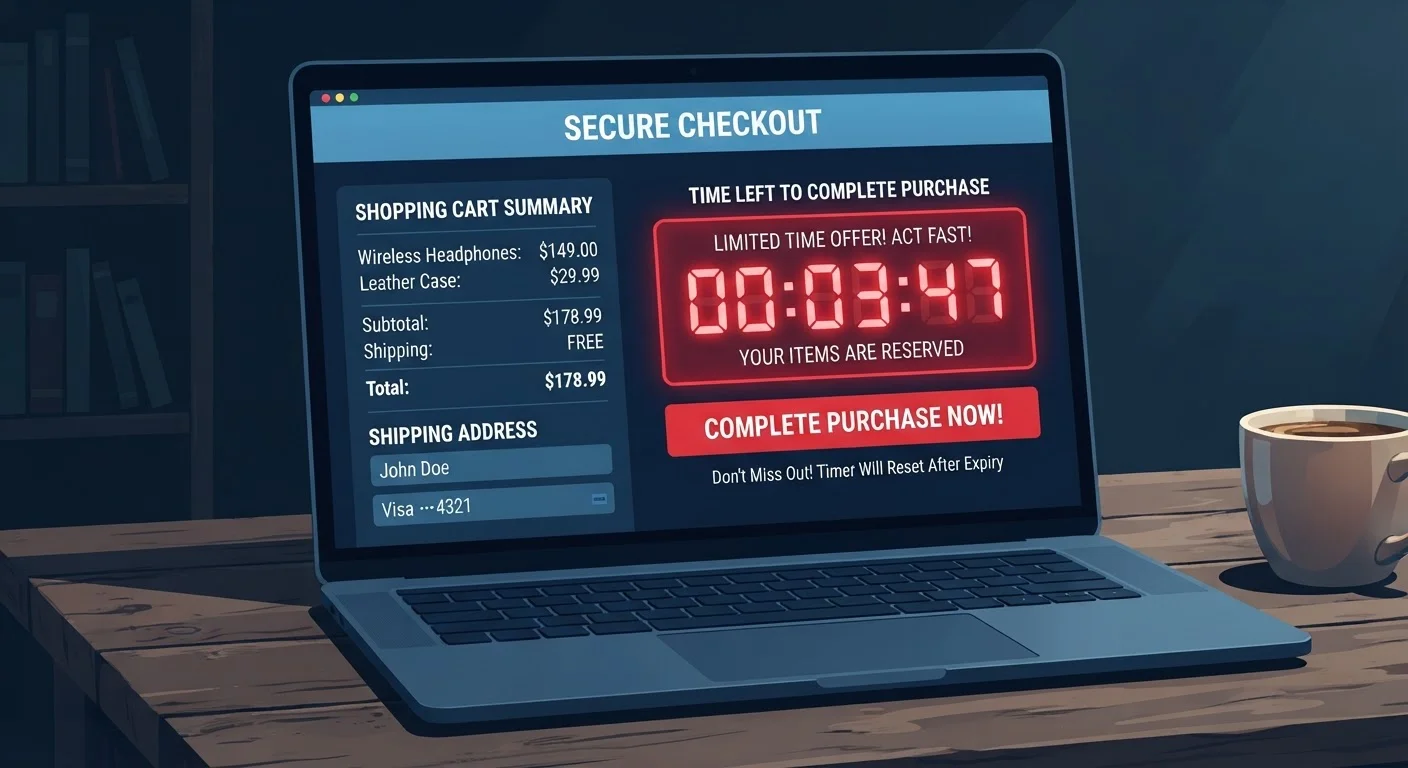
One practical check before you wait: confirm the discount is real. Countdown timers and 'limited time' labels are often marketing tactics rather than genuine pricing windows. A price that drops 20% in November and resets in December every year is a real cycle. A timer that resets every 24 hours is not.
| Criterion | Timing a Purchase | Buying When You Need It |
|---|---|---|
| Best situation | Predictable sale cycle, no urgency | Item is broken, missing, or critical |
| Hidden cost risk | Low, if item is still functional | Low, since need is immediate |
| Market dependency | Requires predictable price cycles | Works in any market condition |
| Cash flow requirement | Must be able to wait without strain | Spend now, no holding period |
| Risk of paying more | If supply tightens while waiting | If impulsive and underprepared |
| Psychological pressure | Requires resisting fake urgency tactics | Requires resisting impulse overspending |
| Works well for | Appliances, electronics, seasonal gear | Safety items, repairs, time-sensitive needs |
The Case for Buying When You Need It
Need-driven purchasing has a reputation for being reactive, but it's often the financially sound choice - and the psychologically honest one. When something is broken, unsafe, or absent in a way that's creating daily friction or cost, the calculus shifts quickly. Every day you wait has a real price: the rental fee for a replacement, the workaround that takes extra time, the stress of managing without.
These costs are easy to undercount because they don't show up as a line item. But a $40/week equipment rental while you wait for a sale can erase two months of savings before you notice. The same logic applies to health-adjacent purchases, safety equipment, or anything affecting your ability to work or care for others.
There's also a market timing risk that rarely gets enough attention. In categories with constrained supply - certain vehicle types, housing markets, specific building materials - prices don't reliably fall just because you wait. Understanding whether you're in a buyer's market or a seller's market matters before you assume patience will reward you. For larger commitments like real estate, the rent-vs-buy tradeoff involves similar timing questions at a much higher stakes level.
How to Think Through the Decision
The most useful framework isn't about choosing a side - it's about matching the approach to the situation. Run through these questions before you decide:
- Is my need urgent? If the absence of this item is costing you money, safety, or wellbeing, waiting is not free.
- Does this category have a reliable price cycle? Some do; many don't. Guessing isn't a strategy.
- What's the actual cost of delay? Add up rental fees, workarounds, and time - not just the sticker price difference.
- Am I responding to real urgency or manufactured urgency? Pressure from a retailer and pressure from your actual situation are very different things.
- Do I have the cash flow flexibility to wait? Timing only works if you can actually hold out without creating financial stress elsewhere.
Before any significant purchase, it's worth running through a structured pre-purchase review. Our pre-purchase checklist for everyday shoppers covers the key questions in a practical, step-by-step format. And if you're shopping online specifically, this savings checklist helps you confirm you haven't missed a legitimate discount before you check out.
One underappreciated factor is your own spending patterns. Buyer's remorse rarely comes from nowhere - it usually traces back to a decision made under pressure or without enough information. Whether that pressure came from a retailer or from your own impatience, the outcome looks the same.