Three Sale Types, Three Very Different Situations
Retailers use the word "sale" broadly, but flash sales, clearance events, and seasonal markdowns are driven by entirely different forces. Recognizing which type you're looking at tells you something important: why the price dropped, how long the window will last, and whether the discount reflects genuine value or a pricing tactic. This reference breaks down each type so you can make faster, more confident decisions without second-guessing yourself at checkout.
| Flash sale typical duration | A few hours to 48 hours |
| Primary driver of clearance events | Inventory pressure (not marketing) |
| Seasonal markdown timing | Follows a predictable retail calendar |
| Flash sale primary driver | Traffic generation and urgency marketing |
| Best sale type for patient shoppers | Seasonal markdowns |
| Clearance discount reliability | Generally reflects genuine cost recovery |
For a deeper look at how retailers frame discounts to feel larger than they are, see why "sale price" doesn't always mean you're saving money.
Flash Sales: Speed Over Substance
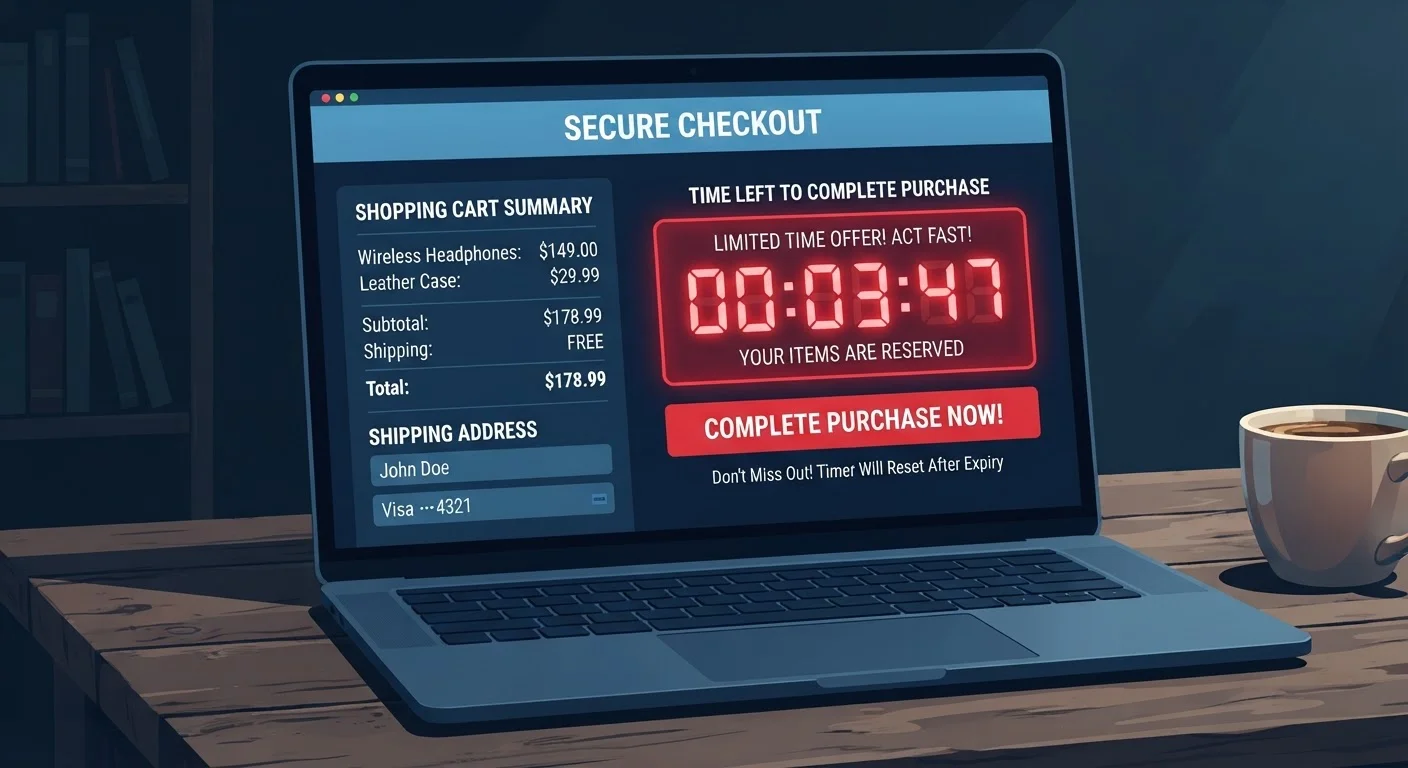
A flash sale is a short-duration promotion - typically lasting anywhere from a few hours to 48 hours - in which a retailer discounts a limited quantity of items. The defining characteristic is urgency: stock is capped, the clock is ticking, and both elements are prominently advertised.
What drives them: Flash sales are usually marketing-led rather than inventory-led. The retailer's primary goal is to drive traffic, create excitement, or clear a specific batch of slower-moving stock quickly. Because they are planned promotions, the original "reference" price shown may have been inflated ahead of time to make the discount look more dramatic.
What to watch for: The time pressure is real in the sense that stock genuinely does run out. But the savings may not be as large as advertised. Before purchasing, it's worth checking whether the "original" price reflects what the item actually sold for in the weeks before the event. Countdown timers and limited-time framing are designed to compress decision-making - knowing that helps you slow down rather than react.
Clearance Events: The Inventory Has to Go
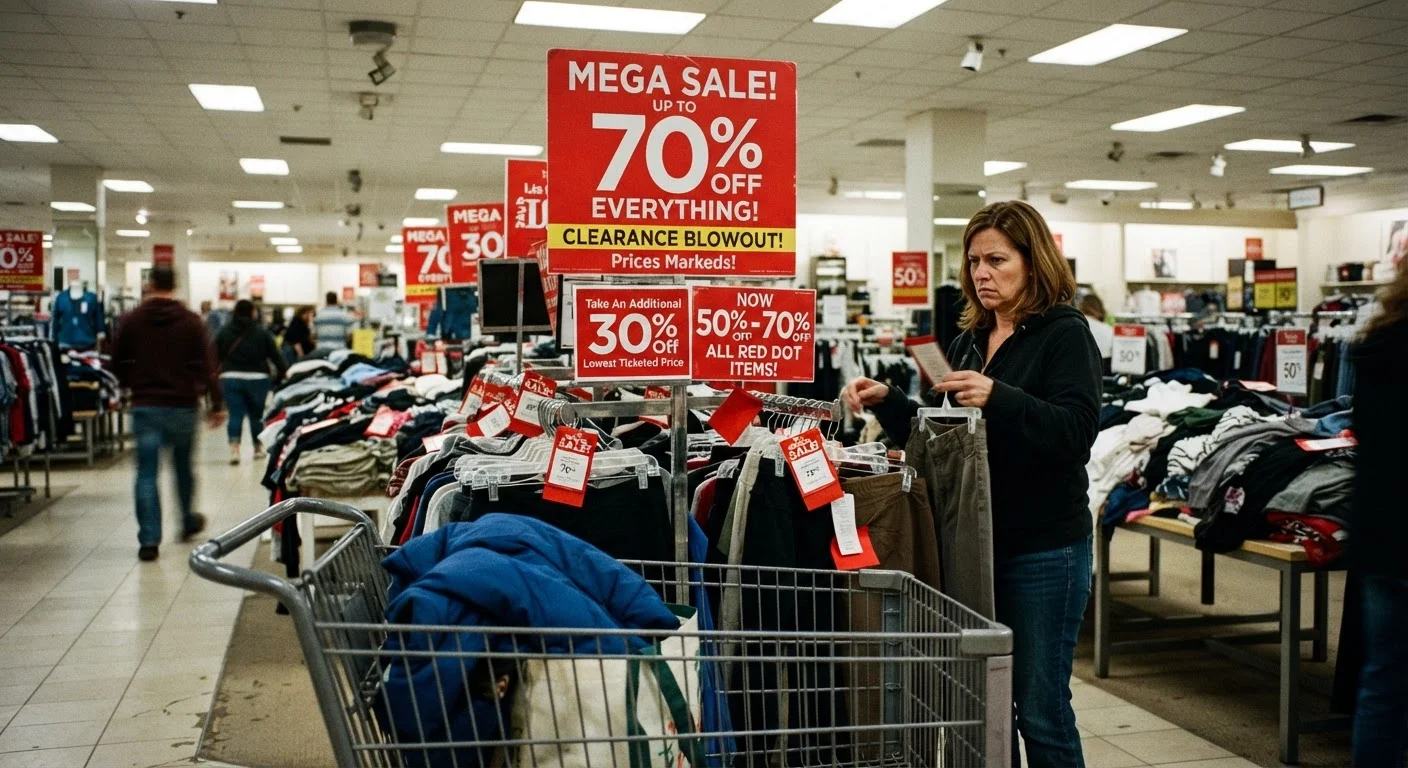
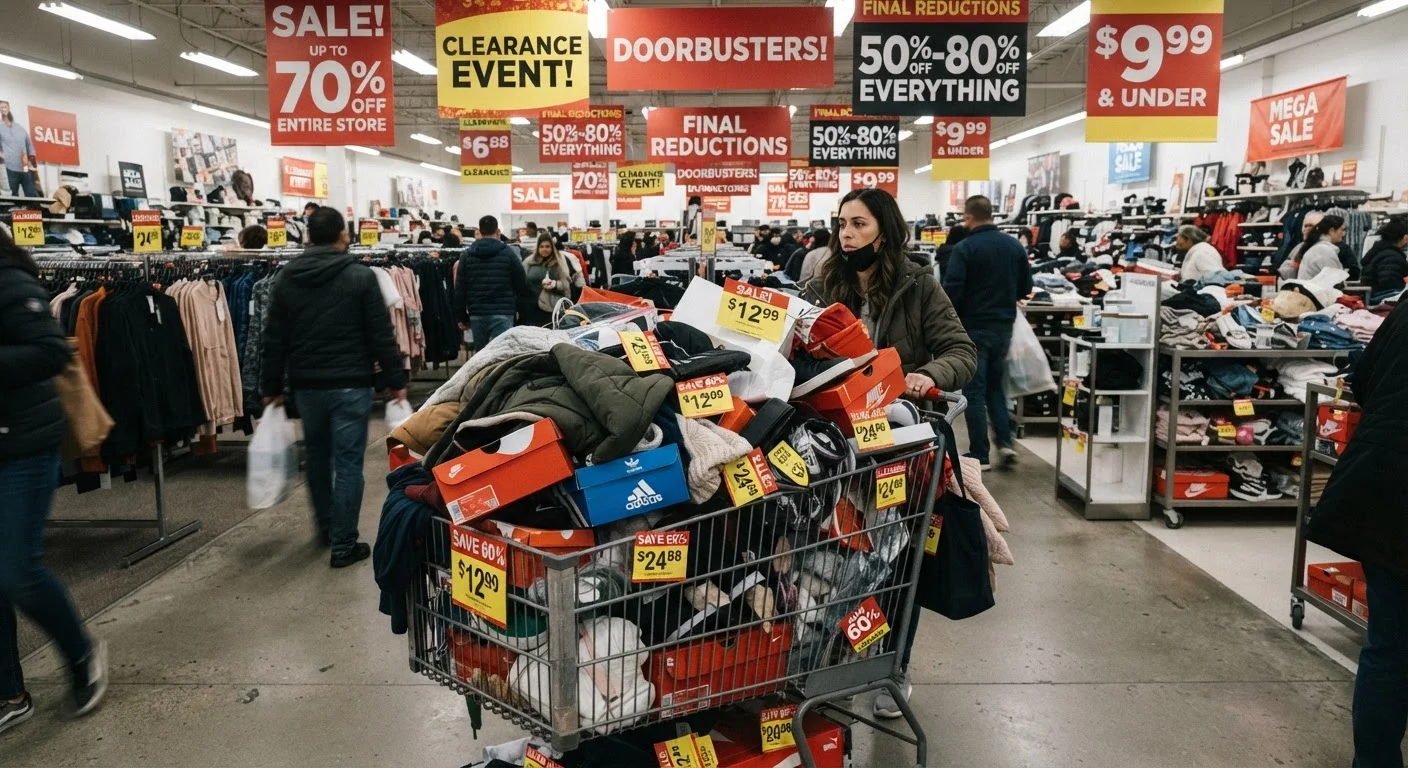
Clearance pricing is fundamentally different from flash sales because it is inventory-driven rather than marketing-driven. When a retailer needs to free up shelf space - to bring in a new product line, end a season, or reduce overstock - clearance is how they move units that would otherwise sit unsold.
What drives them: The retailer has made a calculation that recovering partial cost is better than holding stock. This means clearance discounts are often genuine and sometimes steep. Items on clearance are frequently discontinued, end-of-line, or last-season models.
What to watch for: Clearance items usually have limited size runs, color options, or quantities. Return policies may be more restrictive. If you find something on deep clearance that fits your actual need, the savings can be real - but resist buying something simply because it is cheap. That's a common way shoppers end up overspending even during sales.
Seasonal Markdowns: Predictable and Patient-Friendly
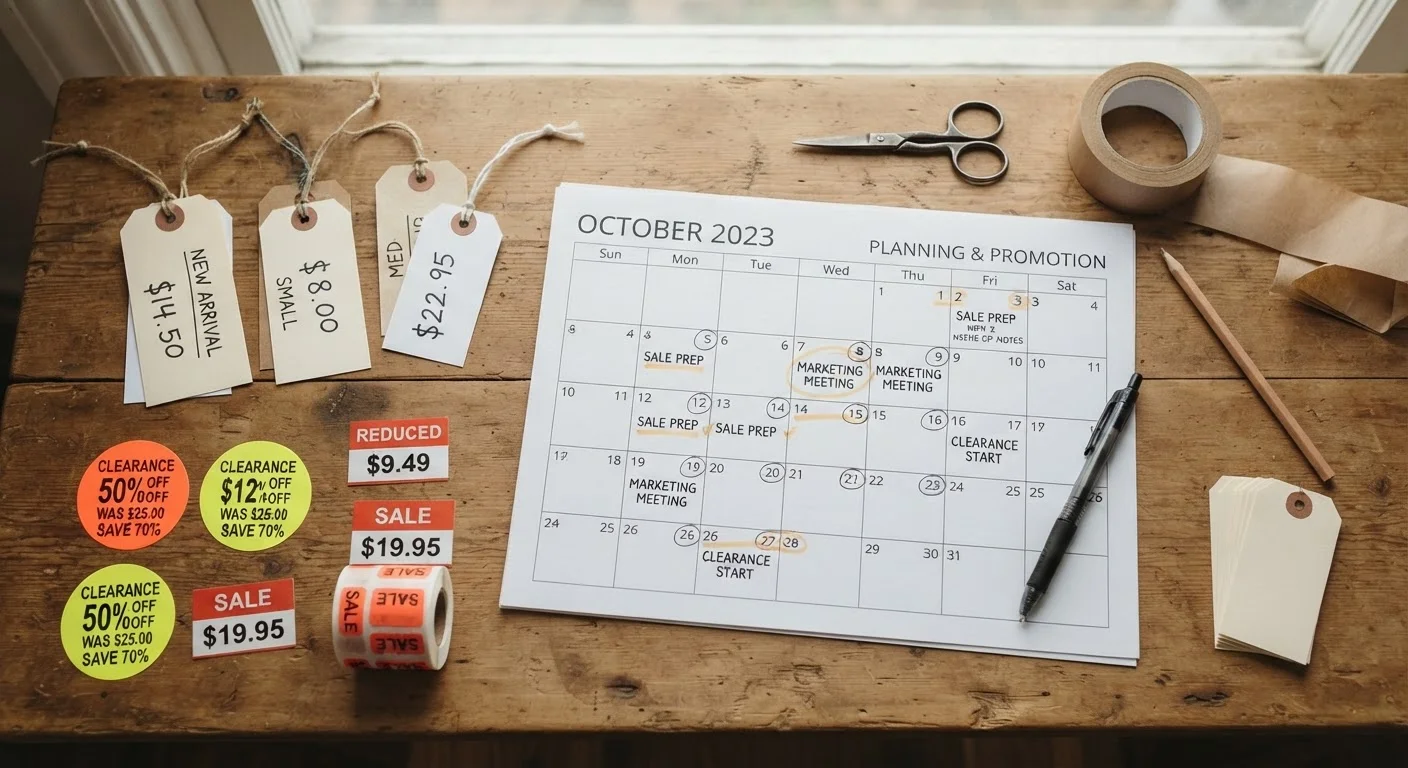
Seasonal markdowns follow a calendar that retailers plan months in advance. Winter apparel drops in price in January. Outdoor furniture goes on markdown in late summer. Holiday decorations get discounted the day after the holiday passes. These are structural discounts baked into the retail cycle.
What drives them: Demand for seasonal goods drops sharply after their peak period. Retailers would rather sell at a lower margin than store or liquidate inventory. Unlike flash sales, the discounts are not engineered for urgency - they are simply the result of demand falling off.
What to watch for: Seasonal markdowns reward patience and forward planning. If you can buy next winter's coat in February or patio furniture in September, you'll often pay significantly less. The trade-off is selection - you're shopping what's left after peak-season buyers have taken their pick. For shoppers building a strategy around these cycles, a structured approach to sale shopping makes it easier to plan without overspending.
Clearance ≠ Defective
Items on clearance are not necessarily damaged or inferior. They are most commonly end-of-line, last-season, or overstock products. Before assuming a clearance item is a problem, check the product details - the only issue may be that the color is being discontinued or the retailer is refreshing its lineup. That said, always check the return policy before purchasing clearance goods, as many retailers restrict or eliminate returns on these items.
These patterns apply across most retail categories, but the specific timing varies by store, region, and product type. Developing a sense of the calendar in your own shopping categories is one of the more durable money-saving habits you can build. Explore more practical buying strategies to sharpen your approach further.