Sales Are Designed to Make You Spend More
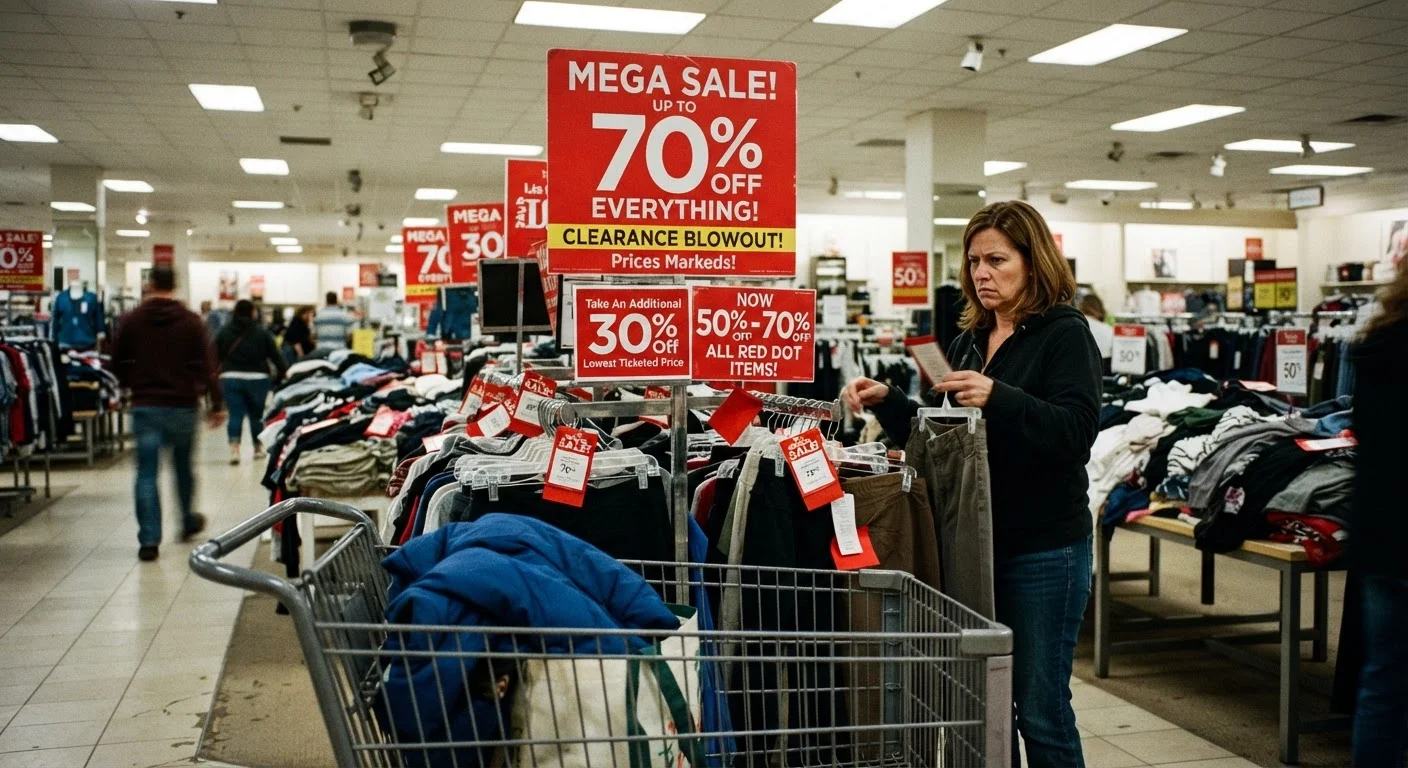
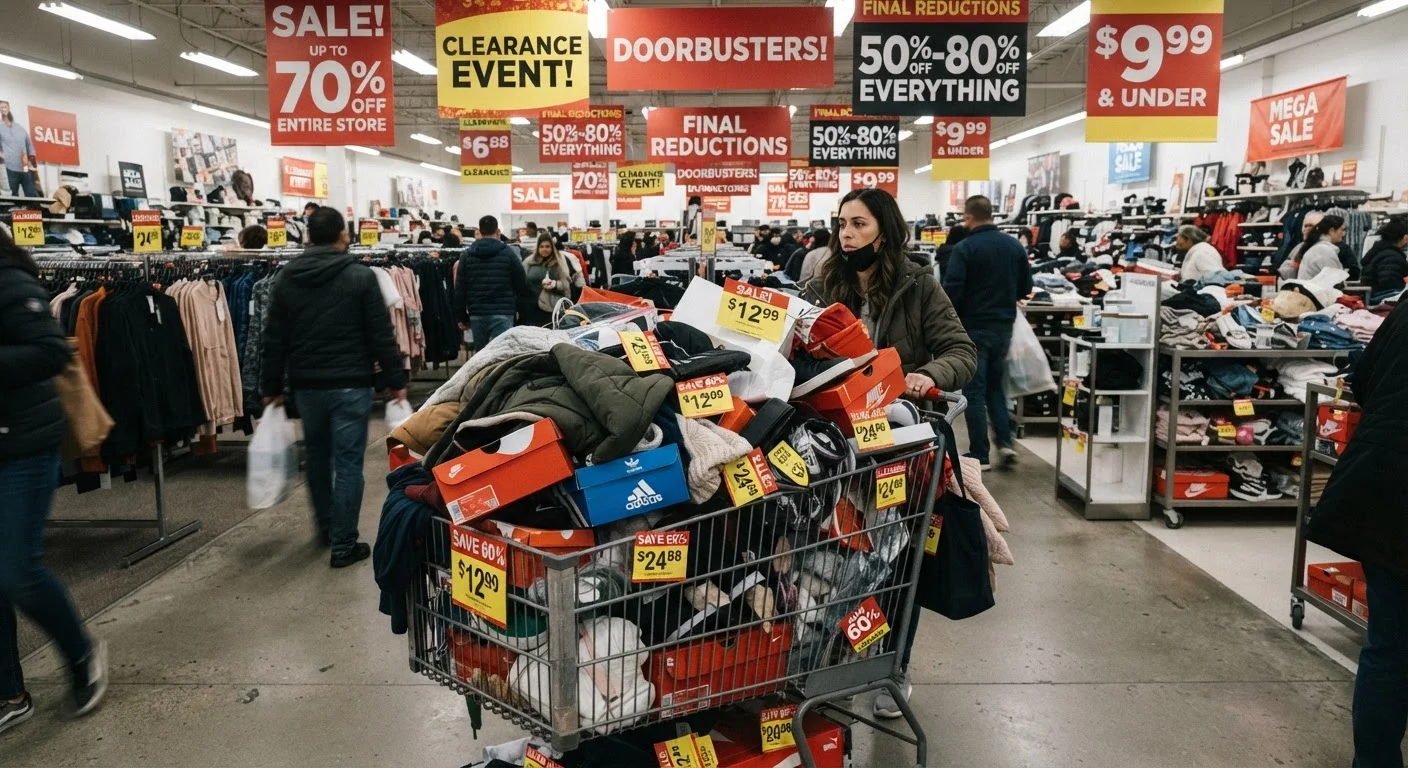
A sale sign is not a guarantee of savings. It is, more precisely, an invitation to buy - and that invitation is engineered carefully. Retailers invest heavily in pricing psychology, store layout, and promotional language specifically to move products at moments when shoppers feel like they are getting a deal. The result is a gap between what consumers think they saved and what they actually paid relative to fair market value.
That gap is not accidental. As our guide to why sale price doesn't always mean saving money explains, the entire framing of a markdown depends on where the original price was set - and retailers control that starting number. Understanding the patterns below won't make shopping joyless; it will make it more deliberate.
Anchoring to an Inflated 'Original' Price
When a product is shown as "was $120, now $79," the $120 does the real work. That number - the anchor - shapes how the $79 feels. If the product was rarely or never sold at $120, the entire discount framing is misleading. Retailers are legally permitted to set reference prices, but enforcement varies widely by state.
The fix is to ignore the crossed-out number entirely and ask: what is this item worth, and what do other sellers charge for it? How inflated original prices mislead shoppers covers this tactic in detail.
The crossed-out price is a persuasion tool, not a factual reference point.
Responding to Artificial Urgency
"Only 3 left." "Sale ends in 02:14:09." These cues create a sense of scarcity and time pressure that bypasses deliberate thinking. The urgency often isn't real - countdown timers reset, stock replenishes, and the same promotion may run again next week.
When you notice yourself rushing because a timer is running, that's a signal to slow down, not speed up. A useful habit: if the deal is genuinely good, it will still be good after you take ten minutes to verify the price elsewhere.
Countdown timers are designed to prevent comparison shopping - recognize that impulse before acting on it.
Crossing a Free-Shipping Threshold
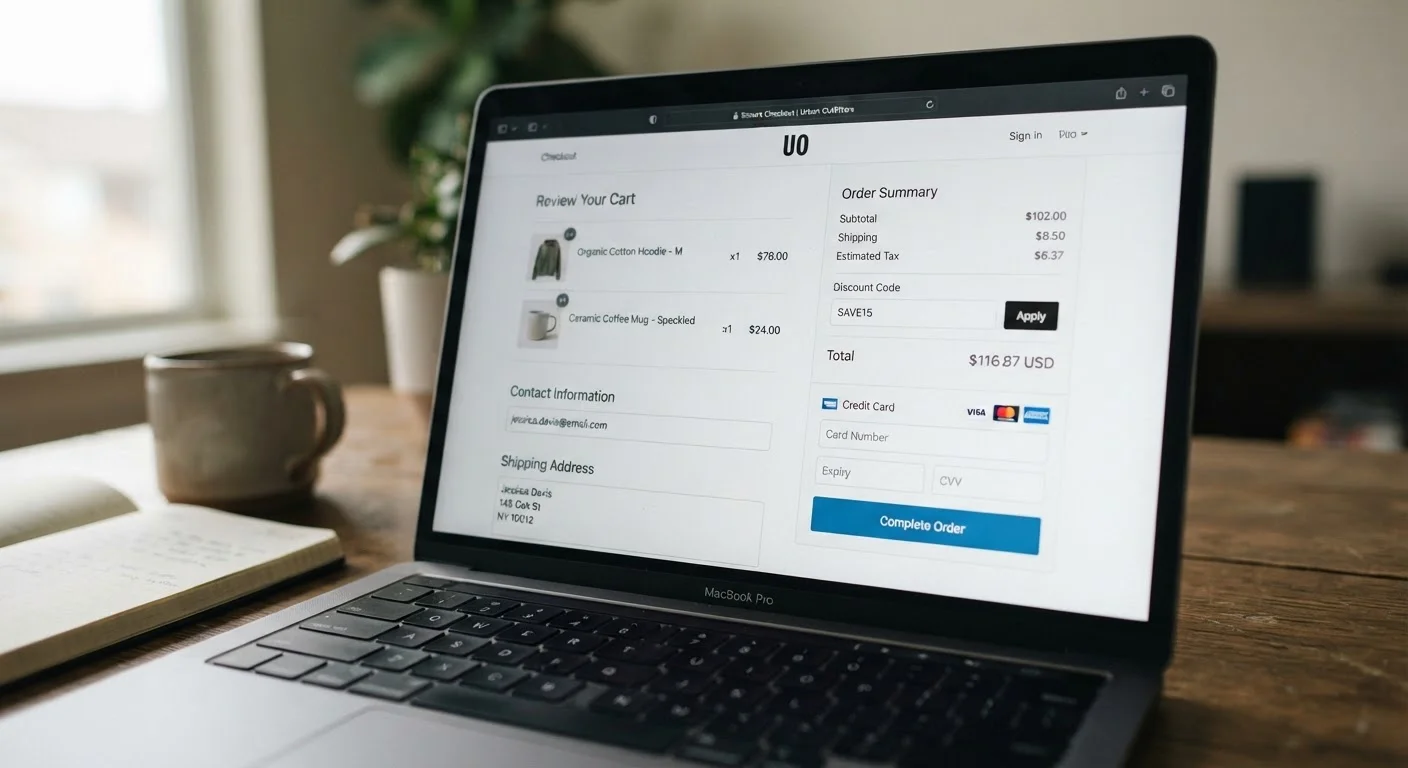
Adding items to a cart specifically to qualify for free shipping is one of the most common ways shoppers spend more than they planned. If free shipping kicks in at $50 and your cart is at $38, the instinct is to find $12 worth of something rather than pay a $7 shipping fee.
That logic often costs more than it saves. Calculate the actual shipping fee before adding filler items - paying $7 to ship is usually cheaper than spending $12 on something you didn't need. Hidden costs in free shipping and subscription bundles explains how these thresholds are structured to benefit retailers.
Paying a shipping fee is often less expensive than buying extra items to avoid one.
Buying in Bulk Without a True Per-Unit Comparison
Bulk pricing feels efficient, but it only saves money when you'll actually use what you buy before it expires, goes stale, or becomes obsolete. A 40% discount on a 72-count item you'll use 20 of is not a deal - it's waste at a discount.
Always calculate the cost per unit or per ounce and compare it to your standard purchase size. That comparison tells you whether the bulk price is genuinely lower or just appears so because the package is larger. Also consider storage space and product shelf life before committing.
Bulk savings evaporate if you can't use the product before it goes bad or becomes outdated.
Ignoring the Total Cost of Ownership
The sale price covers only the moment of purchase. Ink cartridges, replacement filters, proprietary accessories, extended warranties, subscription tiers, and maintenance costs all accumulate after the transaction closes. A printer sold at a steep discount may cost far more over two years in ink than a moderately priced model with cheaper consumables.
Before a sale price influences a decision, it helps to estimate the full lifetime cost of the item - not just what you pay today. Total cost of ownership is the number most shoppers overlook entirely.
A low sale price can mask high long-term costs that make the purchase more expensive overall.
Not Checking Whether the Sale Price Is Actually Competitive
A sale at one retailer doesn't mean that retailer is offering the lowest price. The same product may be priced lower - without a sale event - at a competitor. Retailers set their own baseline prices independently, so a 30% markdown from a high baseline can still exceed a competitor's everyday price.
This is especially worth checking for electronics, appliances, and household goods where pricing varies significantly across channels. Why the same product has different prices at different stores breaks down the structural reasons this happens regularly.
A sale price at one store may still be higher than the regular price at another.
Breaking the Overspending Cycle
These patterns are consistent because they work - not because shoppers are careless. Behavioral research consistently shows that the framing of a price matters as much as the number itself. A $60 item marked down from $100 feels like a win even if the same item costs $55 at a competitor with no sale signage at all.
Use Price History Before You Buy
Free browser tools can show you what a product actually sold for over the past several months, making it easier to judge whether a current 'sale' price reflects a genuine reduction. If the item has sat at the same 'sale' price for weeks, it's effectively just the regular price. Checking this history takes under a minute and is one of the most reliable ways to verify a deal's legitimacy before checkout.
The most practical defense is simple friction: pause before committing, check a price history tool, and calculate the per-unit or per-use cost rather than reacting to the sticker. Before finalizing any purchase, also review what to look for at checkout - it's where many last-minute savings opportunities are missed. For a structured approach to navigating sales events from the start, a beginner's roadmap to shopping sales without overspending walks through the fundamentals step by step.