The Myth That Online Always Wins
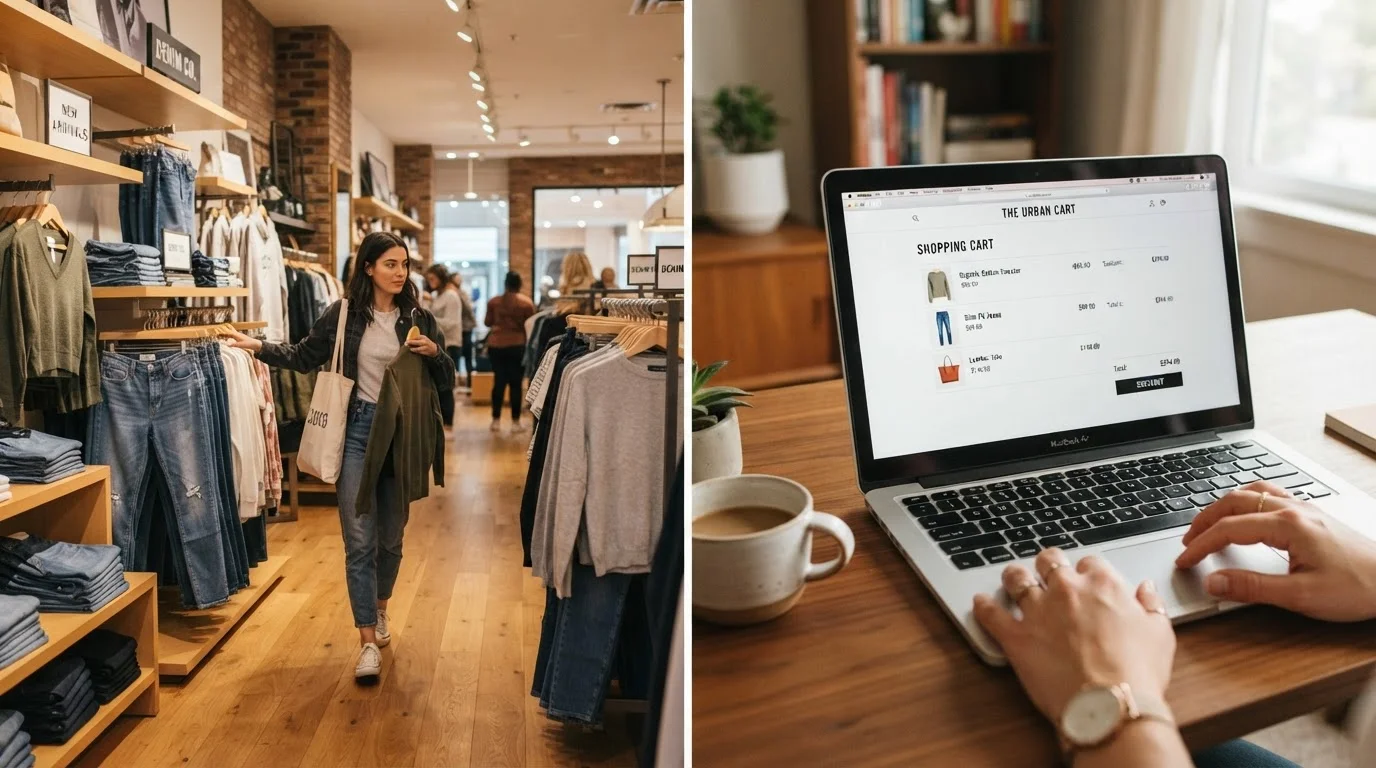
The assumption that online prices are automatically lower than in-store prices has become so ingrained that many shoppers skip the physical store entirely. That assumption costs some of them money. The reality is more nuanced: channel pricing depends on retailer strategy, product category, and hidden costs that rarely appear in a headline price.
Understanding what actually makes a price worth paying starts with recognizing that a lower number on a screen isn't always the lower total cost once shipping, handling, and potential return logistics are factored in. Both channels have genuine advantages - and blind loyalty to either one leaves savings on the table.
| Criterion | In-Store Shopping | Online Shopping |
|---|---|---|
| Clearance & floor-model deals | Often deeper, space-driven markdowns | Less common; inventory is virtual |
| Price comparison ease | Limited to local competitors | Market-wide comparison in minutes |
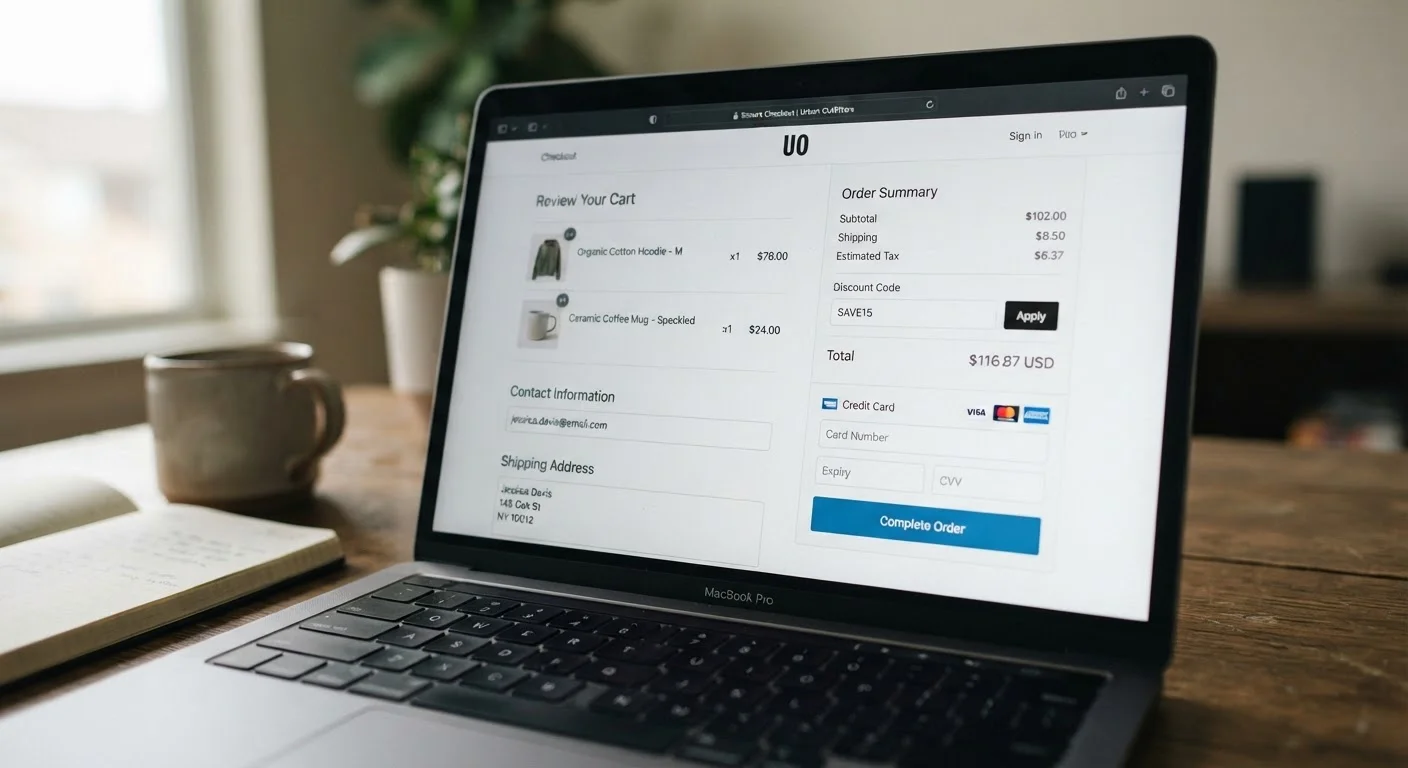
| Shipping costs | None; take it home today | Can add $10-$100+ for bulky items |
| Return flexibility | Free counter returns at most retailers | Fees increasingly common |
| Negotiation possible | Yes, especially on big-ticket items | Rarely; fixed cart pricing |
| Product availability | Limited to local stock | Broad selection, including niche items |
| Price-match usability | Can match online prices in-store | Some retailers match in-store prices |
Where Physical Stores Genuinely Undercut Digital Carts
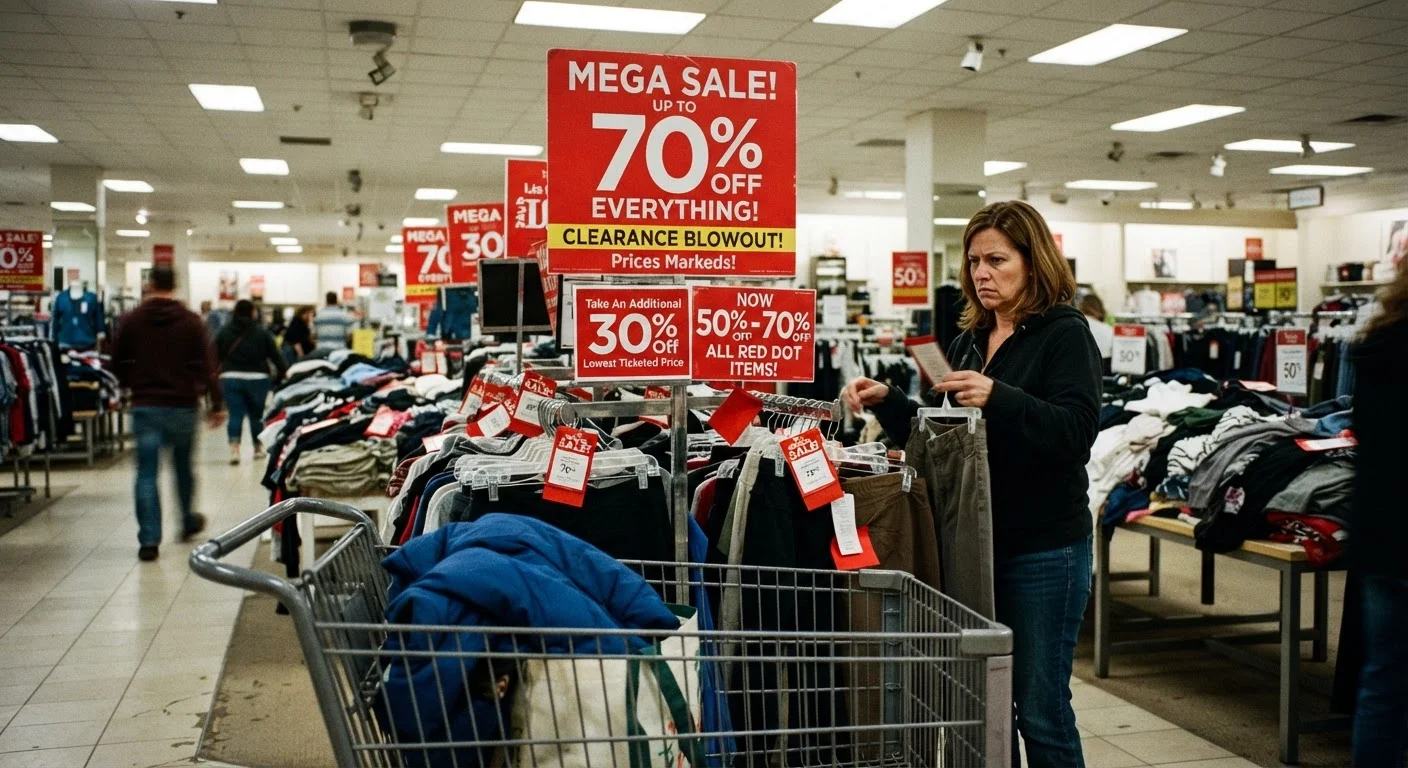
Clearance and floor models. Brick-and-mortar stores carry physical inventory that must move to make room for new stock. Clearance racks and floor-model tags routinely reflect deeper markdowns than anything posted online for the same item, because the retailer is solving a space problem, not just a margin one. These prices are often not replicated on the retailer's own website.
Immediate-need situations. Same-day availability carries real value. Expedited shipping fees can easily add $20-$50 or more to an online order when you need something urgently, erasing an apparent price advantage before you even check out. See our guide on what to look for before finalizing any purchase - the same vigilance applies in both channels.
Negotiation leverage. In-store staff at appliance, furniture, electronics, and mattress retailers frequently have authority to apply unadvertised discounts, throw in accessories, or waive delivery charges - especially near end-of-month or end-of-quarter periods. This option simply doesn't exist in a digital cart. A polite, direct ask costs nothing.
Avoiding return shipping costs. Online return policies have quietly shifted: many retailers now charge restocking or return-shipping fees. For a $60 item with a $9.99 return label, a minor quality issue becomes an expensive lesson. In-store purchases typically allow free returns at the counter, preserving your flexibility at no extra cost.
Where Online Shopping Still Holds the Edge
Online channels genuinely shine in a few scenarios worth acknowledging. Price-comparison tools allow shoppers to scan dozens of sellers in seconds - a task that would require driving to multiple stores. Subscription and auto-delivery programs for consumables (cleaning supplies, personal care staples) often deliver consistent percentage savings unavailable in-store. And for niche or low-volume products with limited local stock, the internet is simply the only practical option.
It's also worth noting that retailers have largely standardized pricing across channels for high-demand items, meaning the "deal" online may be identical to what's on the shelf. When that's the case, convenience - not price - becomes the deciding factor. Sale pricing psychology operates in both channels; don't assume a percentage-off badge online is more legitimate than one on a store shelf tag.
~$9.99
Average online return shipping fee
A growing number of major U.S. retailers have introduced return shipping charges that can meaningfully offset apparent online savings on lower-priced goods.
65%
Shoppers who check prices in both channels
A National Retail Federation survey found that a majority of U.S. consumers compare in-store and online prices before making significant purchases.
Up to 70%
Typical floor-model discount range
Retailers in appliance and furniture categories commonly mark floor models and open-box units at 20-70% below original retail to clear showroom space.
Using Price-Match Policies as a Bridge
One underused strategy merges the advantages of both channels: use online prices as leverage in-store. Many major retailers maintain price-match guarantees that allow them to match a verified competitor's current advertised price at the register. This means you can do your comparison shopping online, walk in with documentation, and capture the lower price while avoiding shipping delays and return complications.
The same logic applies in reverse: some online retailers will match in-store prices if you contact customer service with documentation. Before defaulting to either channel, it's worth checking whether a price-match request could close any gap entirely. For a broader look at discount mechanics, the comparison between coupon codes and automatic discounts reveals similar nuance - the better option depends on the specifics of each transaction, not a blanket rule.
The practical takeaway: treat channel choice as a variable to optimize, not a habit to default to. Check both options for significant purchases, factor in total cost including shipping and potential returns, and don't overlook the in-store advantages of negotiation and clearance pricing.