How Each Discount Type Actually Works
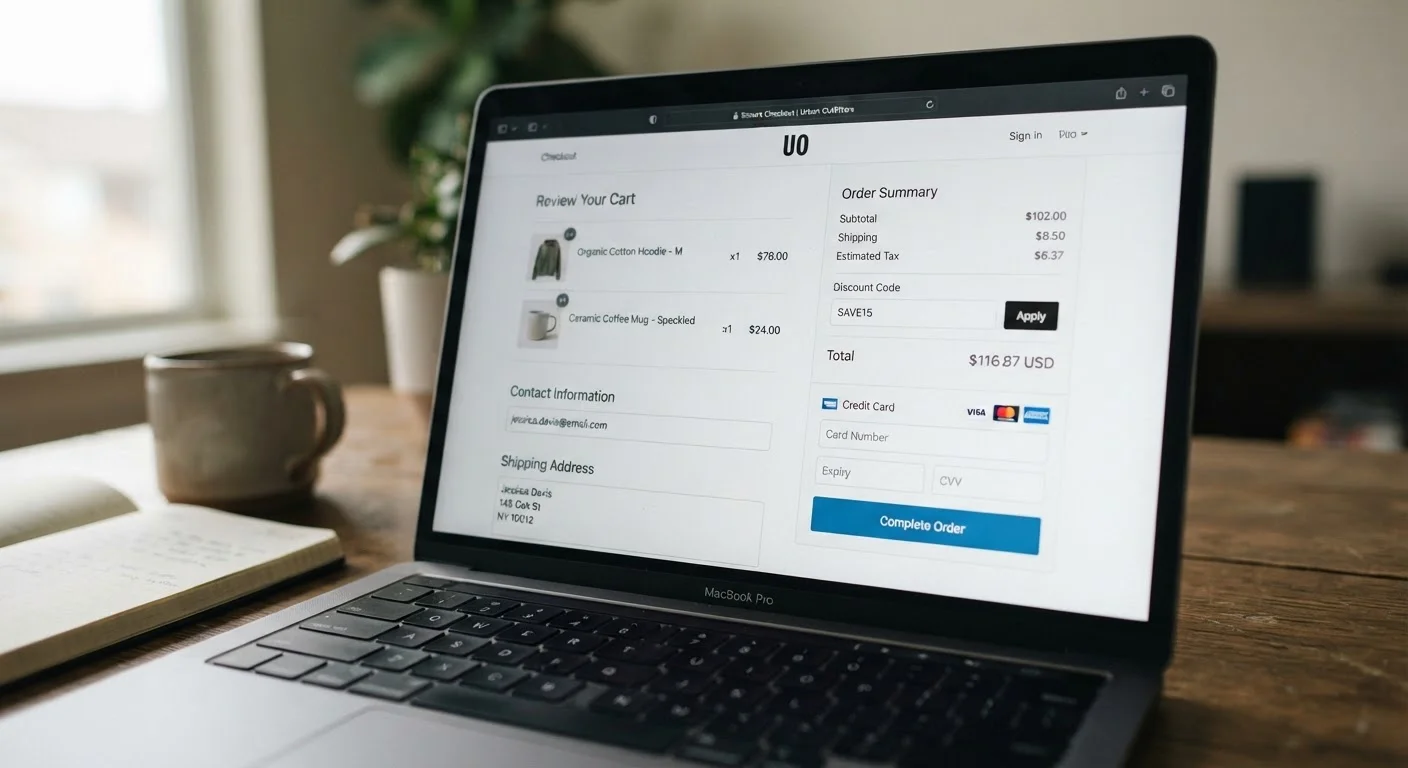
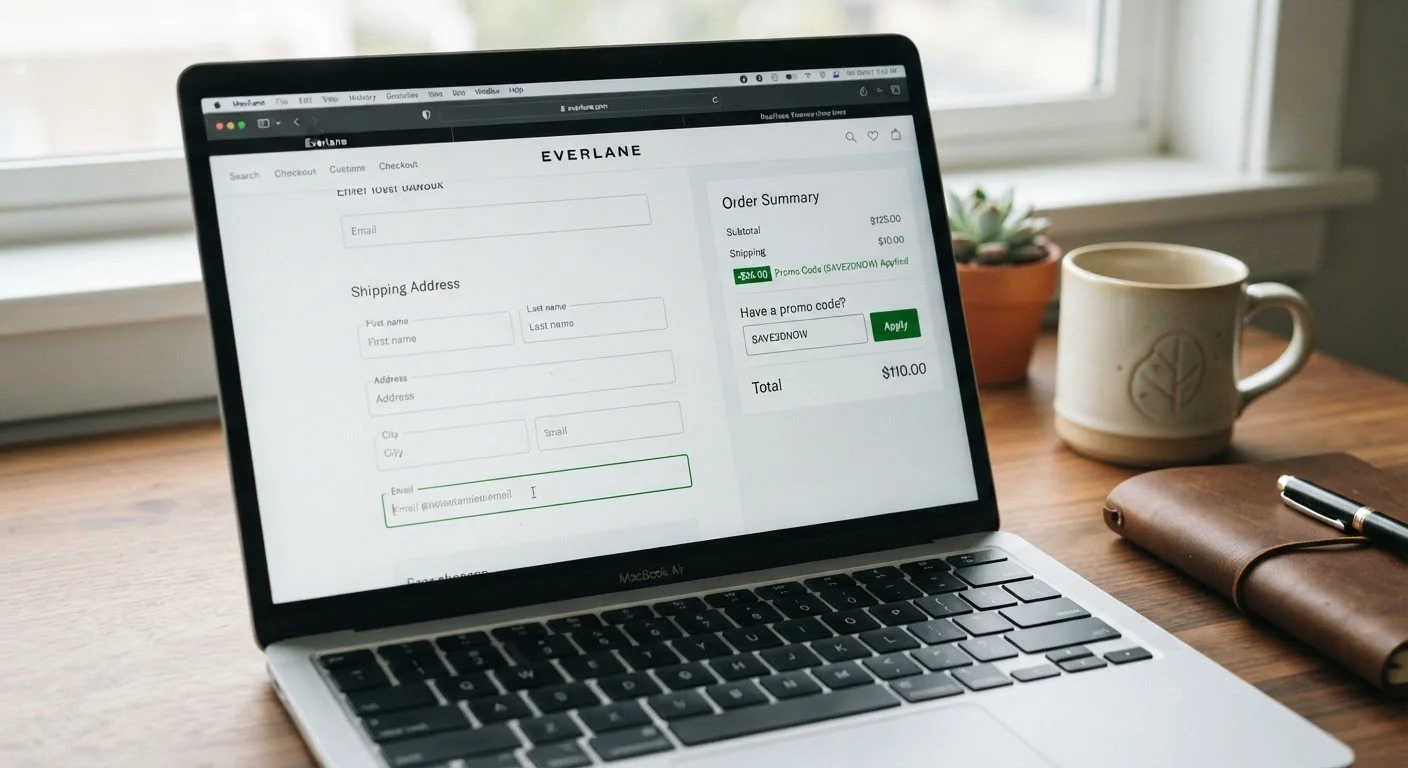
Coupon codes - sometimes called promo codes or discount codes - are alphanumeric strings that shoppers enter manually into a designated field at checkout. When applied, the retailer's system validates the code and subtracts a fixed amount or percentage from the eligible items in the cart. They can be distributed through email campaigns, deal websites, loyalty programs, or browser extensions.
Automatic discounts, by contrast, are applied by the retailer's platform without any input from the shopper. When your cart meets certain conditions - a minimum order value, a qualifying product category, or a specific promotional window - the discount appears on its own. You don't need to know a code exists. The price simply adjusts.
The fundamental difference is control: coupon codes put the activation step in your hands, while automatic discounts remove it entirely. Neither is inherently more generous - the size of the saving depends on how the retailer has configured the promotion, not which delivery mechanism they used. As the checkout process reveals, knowing what to look for before finalizing a purchase can prevent money from being left on the table.
Head-to-Head: Key Differences at a Glance
While both mechanisms reduce what you pay, they differ in important practical ways - from how you access them to how they interact with other discounts.
| Criterion | Coupon Codes | Automatic Discounts |
|---|---|---|
| Activation | Manual entry required | Applied automatically |
| Visibility | Must be found or shared | Visible to all eligible shoppers |
| Targeting | Can be account- or segment-specific | Usually broad or site-wide |
| Expiration risk | High - codes expire or deactivate | Lower - tied to sale window |
| Stacking potential | Often blocked during active sales | May conflict with code entry |
| Discount depth | Varies; can be deeper when targeted | Varies; often moderate and broad |
| Effort required | Moderate - requires searching | None - passive savings |
One detail worth noting: automatic discounts are generally visible to all shoppers browsing a site, whereas coupon codes can be targeted to specific segments - first-time buyers, loyalty members, or email subscribers. That targeting means a code you find through a deal-aggregator site may not always be valid for your account type. See our overview of how deal aggregator sites work for more context on evaluating third-party code sources.
The Stacking Problem: Can You Use Both?
Many shoppers assume that finding a coupon code on top of an already-discounted cart will multiply their savings. In practice, most retailers explicitly prevent this. Their checkout systems are typically configured to apply either an automatic discount or a coupon code - whichever is greater, or whichever the system prioritizes - but not both simultaneously.
Some platforms do allow limited stacking, particularly when the discounts apply to different conditions (for example, an automatic free-shipping threshold combined with a percentage-off code). But these cases are the exception, not the rule. Attempting to enter a coupon code while an automatic discount is active can sometimes cause the automatic discount to be dropped entirely, leaving you worse off if the code offers less.
Before checkout, it's worth checking the retailer's promotion terms. The rules around combining discounts are more nuanced than most shoppers expect - our article on stacking discounts covers the mechanics in detail.
When One Genuinely Beats the Other
Automatic discounts tend to win in high-traffic sale periods - think major retail holidays - because retailers configure site-wide promotions that apply broadly and exclude external codes. Trying to layer a coupon code on top often fails, and the time spent searching is wasted.
Coupon codes tend to have an edge in targeted promotional contexts. A code sent directly to your email or tied to your loyalty account may carry a deeper discount than anything the retailer is offering automatically at that moment. These codes are also sometimes product-specific or category-specific, which means they can outperform a broad automatic discount on the exact item you're buying.
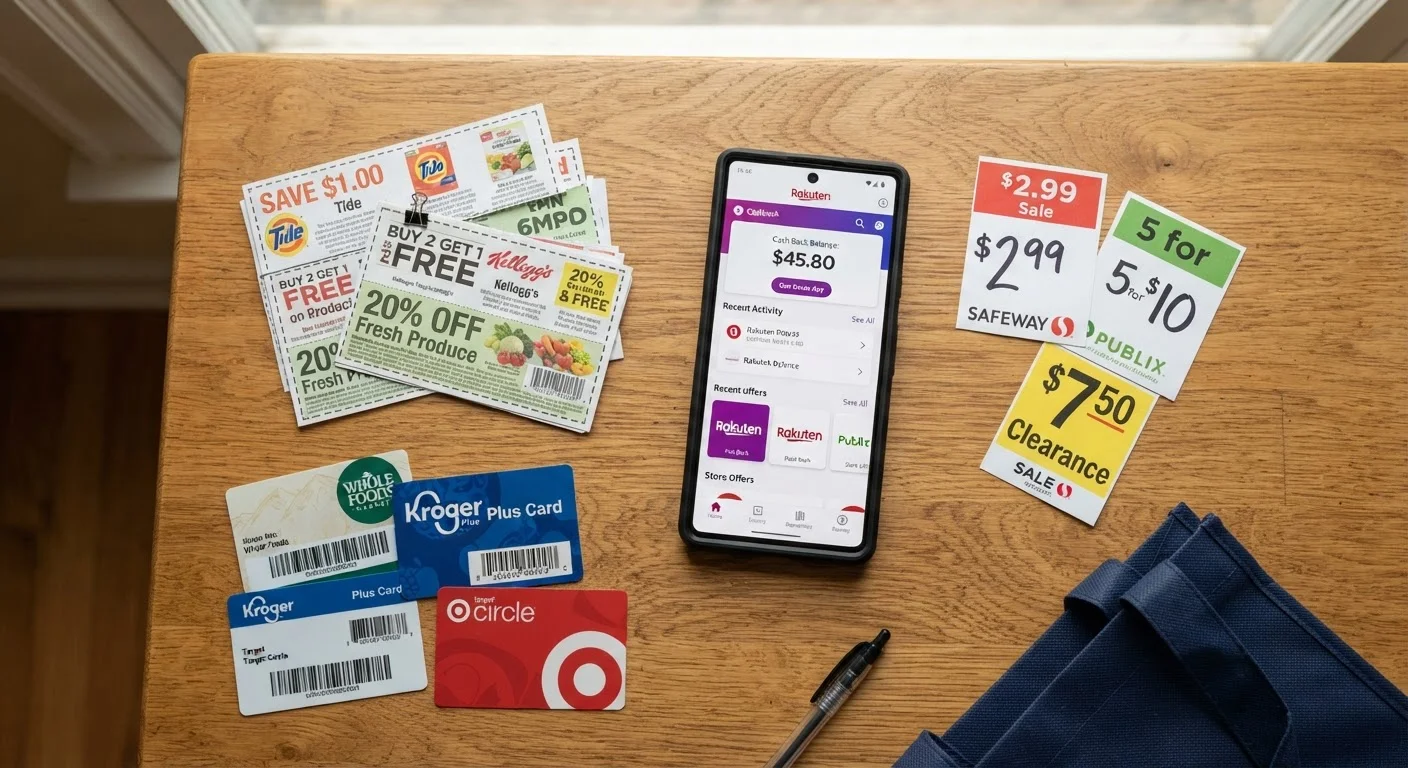
It's also worth remembering that neither discount type is proof that you're getting a genuinely good price. A coupon for 20% off a price that was artificially inflated still results in paying more than necessary. The pricing psychology behind sale labels applies equally to how automatic discounts and coupon codes are framed. Compare prices across sources before assuming any discount represents real savings.