What Discount Stacking Actually Means
Stacking discounts means applying more than one type of savings to the same purchase - for example, using a store coupon on an already-discounted item while also earning cashback through a rewards portal. Done correctly, it's one of the most effective ways to stretch a budget. Done carelessly, it results in rejected codes, canceled orders, or deactivated accounts.
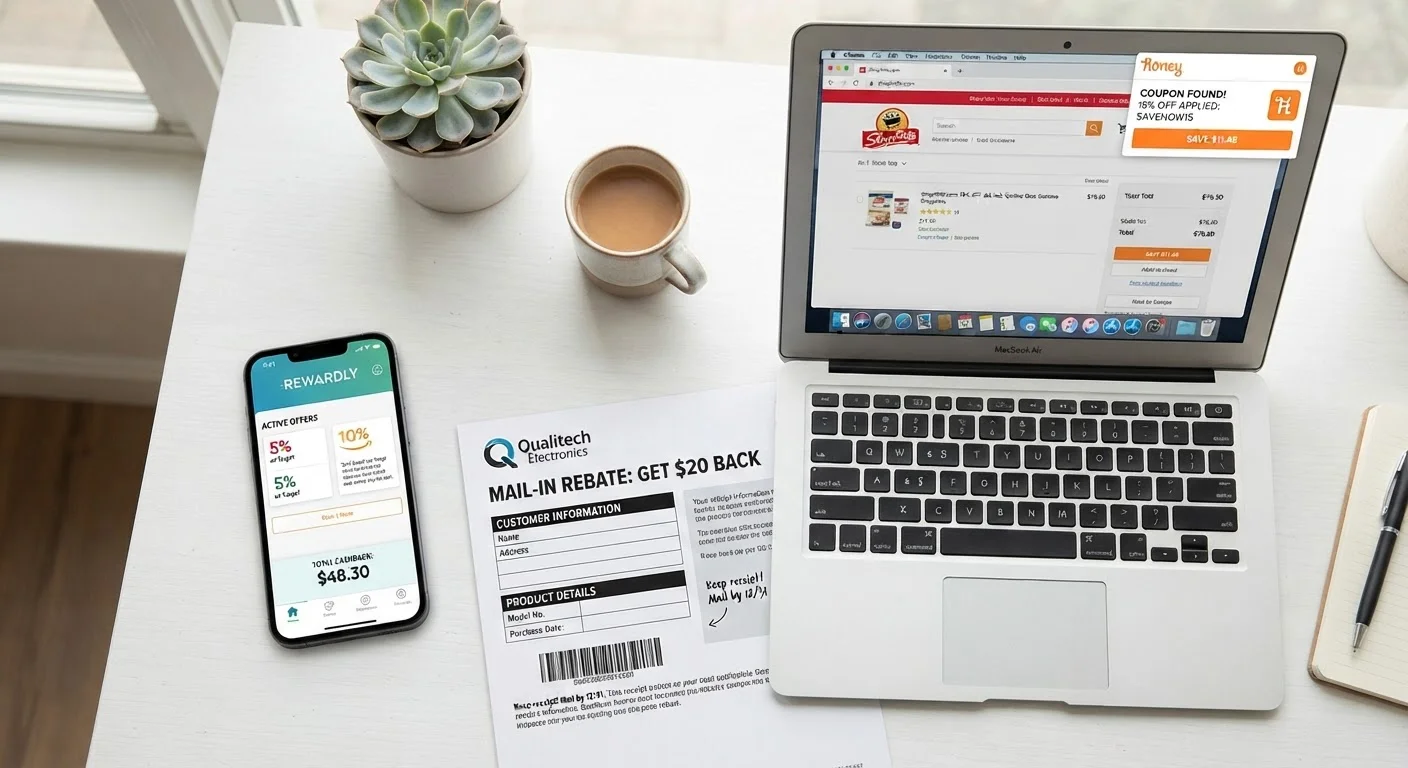
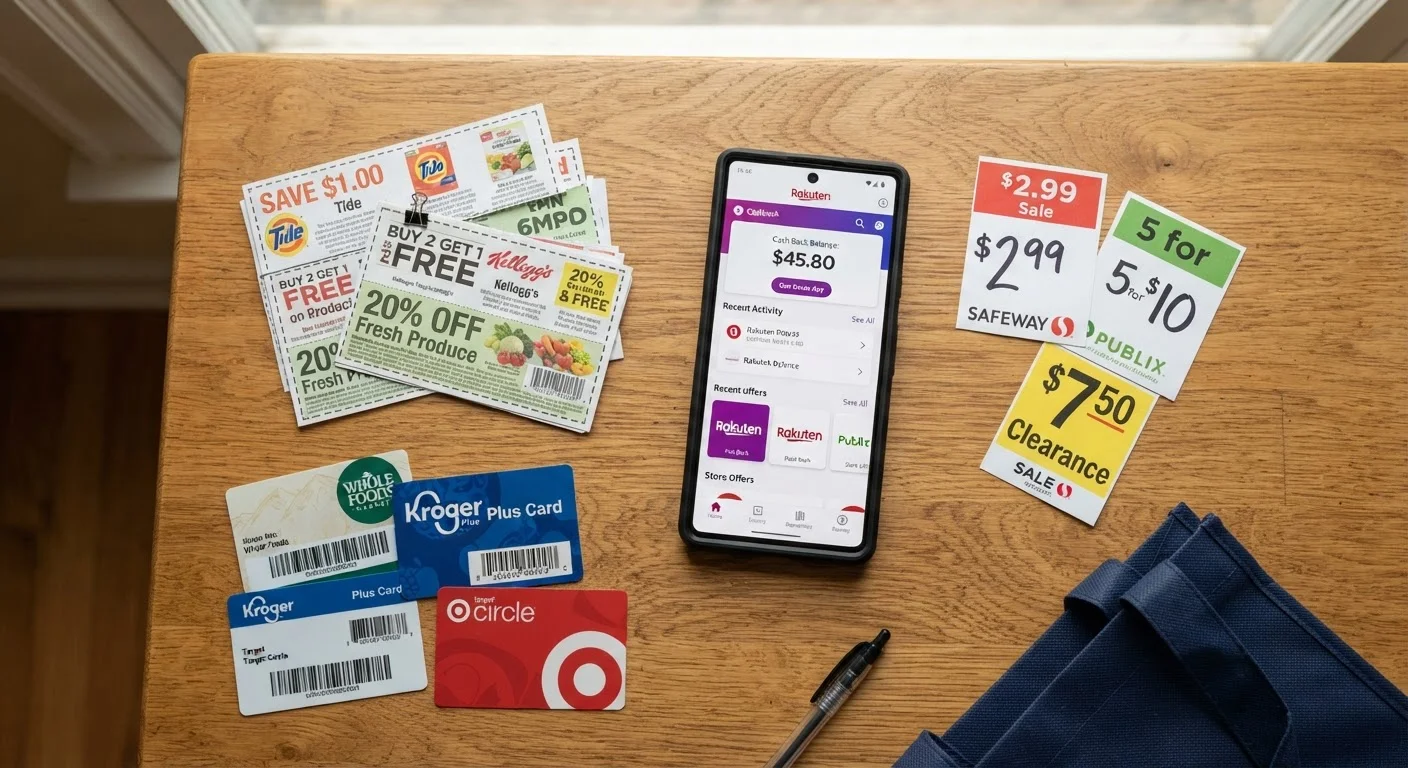
Common stackable layers include: sale prices, manufacturer coupons, store coupons, promo codes, loyalty points, cashback portals, and credit card rewards. Each layer sits at a different level of the transaction, which is why some combinations work and others don't. Understanding how each layer interacts is the foundation of smart stacking. For a broader look at savings tools, see how cashback programs, rebate apps, and browser extensions differ.
The Rules Retailers Actually Set
Every retailer controls its own stacking policy, and those policies vary significantly. A few common patterns are worth knowing:
- One promo code per order is the most frequent restriction. Most checkout systems accept only a single code field, which blocks combining two store-issued codes regardless of type.
- Manufacturer coupons vs. store coupons often can stack because they come from different sources - the manufacturer reimburses one, the retailer absorbs the other. Grocery stores in particular tend to allow this combination.
- Sale items and coupons are frequently restricted. Terms like "not valid on sale items" or "excludes clearance" are common, especially in apparel and home goods categories.
- Loyalty points redemption may be blocked when a promo code is active, or limited to purchases above a threshold that an applied discount brings below.
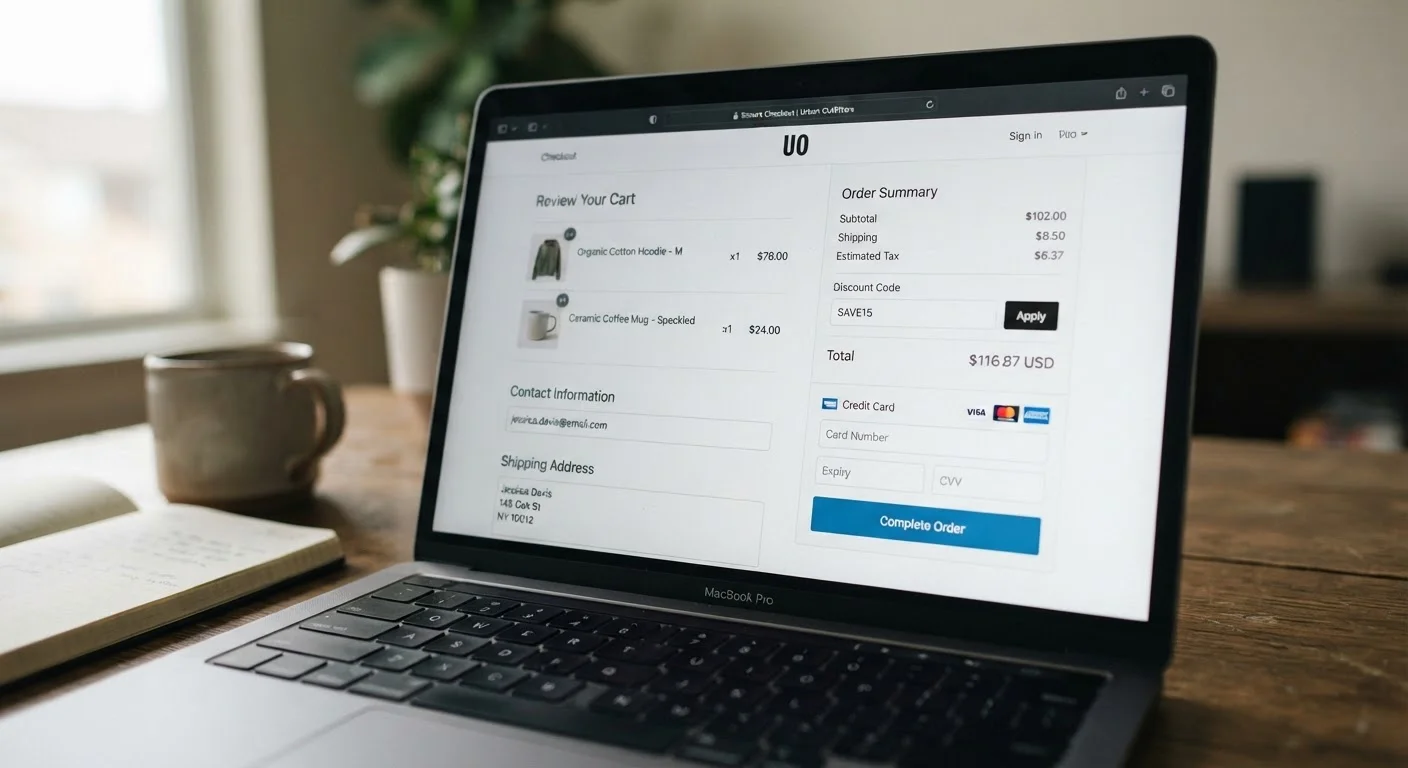
The only reliable way to know what's permitted is to read the offer's terms before adding items to your cart - not at checkout when time pressure increases the chance of missing something. The checkout page itself is where many savings opportunities get missed, and stacking conflicts are a leading reason.
Read coupon terms before adding items to your cart, not at checkout.
Terms like 'excludes sale items' or 'one per transaction' are buried in fine print that's easy to miss under checkout pressure. Catching restrictions early saves time and prevents cart abandonment frustration.
Layer cashback portals on top of store discounts whenever possible.
Cashback portals operate independently from the retailer's coupon system, making them one of the cleanest additional savings layers available. They require only activating the portal before clicking through to the retailer.
Use only official, retailer-issued coupon codes from verified sources.
Codes circulating on unofficial deal forums may work initially but can result in canceled orders, account flags, or voided warranties. Staying within official channels protects the transaction.
Track which cashback offers are activated before clicking through to a retailer.
Forgetting to activate a portal before shopping means losing cashback that can't be retroactively applied in most cases. Keeping a simple note or using a browser extension that shows activation status reduces this risk.
Confirm that loyalty points or store credit stacks before redeeming during a promotion.
Some retailers disable points redemption when a promo code is active, or the discount drops the order below the minimum required to use points. Knowing the rule in advance lets you choose the better option.
Where Cashback and Portals Fit In
Cashback portals and browser extensions typically operate outside the retailer's discount system - they track your purchase through an affiliate link and return a percentage post-transaction. Because they don't interact with the coupon code field, they often stack cleanly with store promotions. However, there are exceptions:
When Cashback Portals Don't Stack
Some retailers explicitly block cashback tracking when certain promo codes are applied - a policy enforced at the affiliate tracking level, not the checkout page. If you enter a code and the cashback doesn't post, this is a likely cause. A few portals disclose which codes void tracking; checking that list before applying a code can help you decide which savings layer is worth more in a specific transaction.
Credit card rewards work similarly - they're calculated on the final charged amount and generally aren't affected by store-level discounts. Using a rewards card on a stacked purchase is usually the safest additional layer to add.
For shoppers building a broader savings strategy, a category-by-category discount guide covers how these tools apply differently depending on what you're buying.
The Risks Worth Taking Seriously
Stacking is not inherently risky, but a few behaviors can create real problems:
- Using leaked or unauthorized codes - codes shared outside official channels sometimes work at checkout but trigger order cancellations later, or void return eligibility.
- Repeated high-value stacking patterns - some cashback platforms monitor for what they consider "abuse" and can suspend accounts. The line between savvy and flagged behavior isn't always publicly defined.
- Price adjustments after stacking - if you stack discounts and then request a price match or return, the refund calculation may only cover the post-discount amount, not what you originally expected.
These patterns are worth recognizing before they affect your savings. Shoppers consistently overpay even during sales when discount mechanics aren't fully understood - stacking mistakes fall into the same category.