Three Tools, Three Very Different Mechanisms
Shoppers often lump cashback programs, rebate apps, and browser extensions into one vague category of "money-saving tools." But each works through a distinct process, and confusing them leads to missed steps - or missed money. Here's a plain-language breakdown of what actually happens with each one.
For related context on how discounts work more broadly, see how coupon codes and automatic discounts compare.
| Cashback Programs | Rebate Apps | Browser Extensions | |
|---|---|---|---|
| Trigger | Purchase through portal or card | Manual receipt submission | Automatic at checkout |
| Timing of return | Days to weeks after purchase | After submission review | Varies; often weeks |
| Works in-store | Sometimes (card-linked) | Yes, primarily designed for this | No - online only |
| Effort required | Low (portal click-through) | High (scan, upload, verify) | Very low (passive) |
| Privacy considerations | Moderate (purchase tracking) | Low (receipt data only) | Higher (browser access) |
| Common payout method | Statement credit, check, gift card | PayPal, Venmo, gift card | Cashback account or gift card |
| Risk of missing out | Forgetting to click portal first | Forgetting to submit receipt | Offer conflicts or extension errors |
How Cashback Programs Work
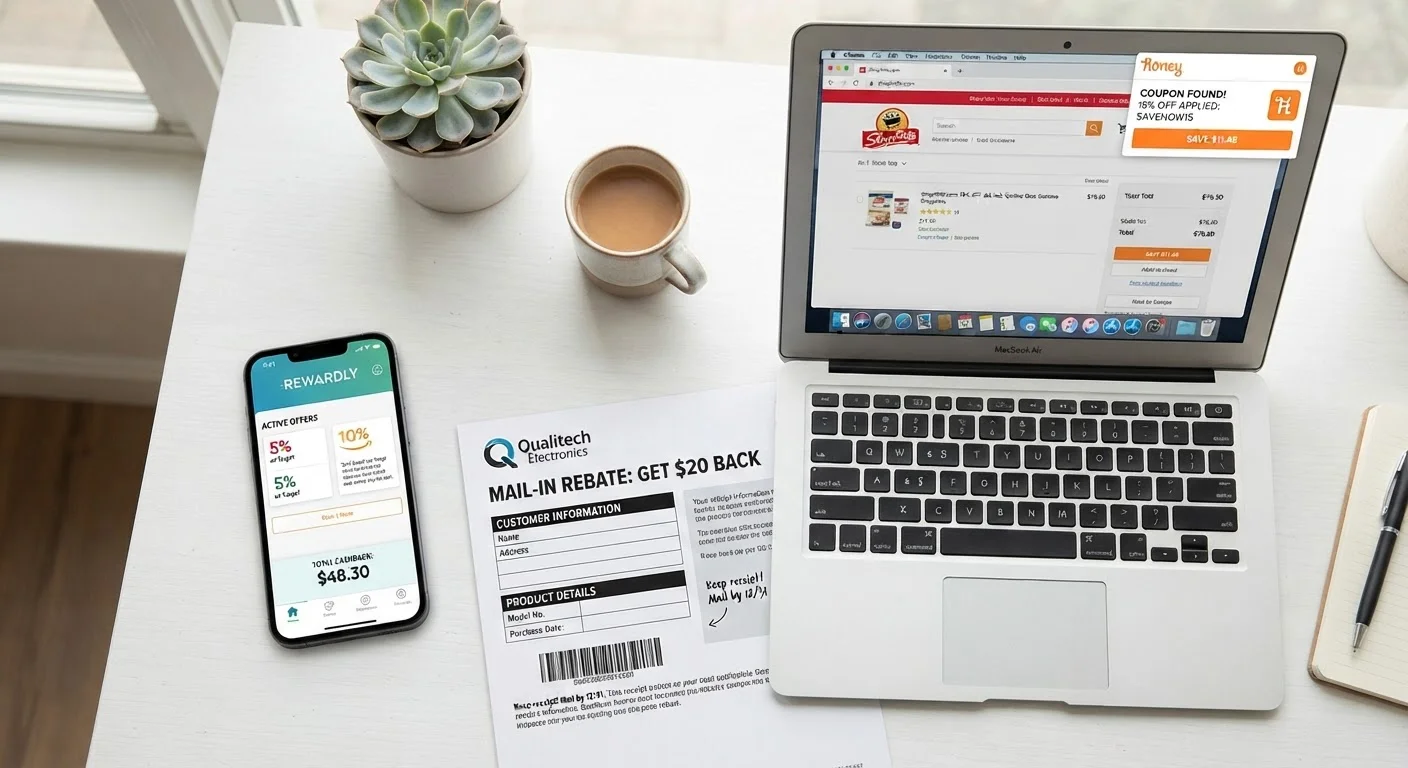
Cashback programs - offered by credit card issuers, bank accounts, and dedicated shopping portals - return a percentage of your purchase amount after the transaction clears. The retailer pays a referral or interchange fee, and a portion of that gets passed back to you.
Key details consumers often miss:
- Timing: Cashback typically posts days to weeks after purchase. Some programs have quarterly redemption windows.
- Caps and exclusions: Many programs cap the cashback rate on specific categories or exclude certain merchants entirely.
- Redemption friction: Some programs require a minimum balance before you can redeem, or limit how you can receive funds (statement credit vs. check vs. gift card).
- Portal shopping: Dedicated cashback portals require you to click through their site before completing your purchase - skipping this step means forfeiting the cashback.
Cashback is real money, but it's not instant, and it's not unconditional. Loyalty programs carry similar hidden conditions worth understanding before you rely on either.
How Rebate Apps Work
Rebate apps - used primarily for grocery and household purchases - require you to take an action after you buy. You scan a receipt or barcode, the app verifies the qualifying item, and a cash or point credit is added to your account.
What this means in practice:
- Manual process: Unlike automatic cashback, rebates don't happen without your participation. Forgetting to submit means no rebate.
- Offer-specific: Rebates are tied to particular products, sizes, or brands - buying the wrong variety voids the offer.
- Payout methods: Most apps pay via PayPal, Venmo, or gift cards once you hit a minimum threshold. Payouts are not immediate.
- Offer expiration: Rebate offers expire, sometimes within days. Uploading an old receipt won't work.
Rebate apps work best when you integrate the check-for-offers step into your routine before you shop, not after. They're particularly useful for in-store purchases where browser extensions have no reach.
How Browser Extensions Work
Browser extensions for savings - installed directly into your web browser - monitor your online shopping activity and either alert you to available coupon codes or activate cashback tracking automatically. Some do both.
What to understand before installing:
- Coupon testing: Some extensions try multiple coupon codes at checkout automatically. Results vary - not every code will work, and some may apply a smaller discount than expected.
- Cashback activation: Extensions that offer cashback function similarly to portal-based cashback programs - they track your purchase and earn a commission that gets shared with you.
- Data collection: Extensions have access to your browsing behavior by design. Review the privacy policy of any extension before installing it. This is not a minor consideration.
- Conflicts: Extensions can sometimes interfere with other promotions or loyalty programs during checkout.
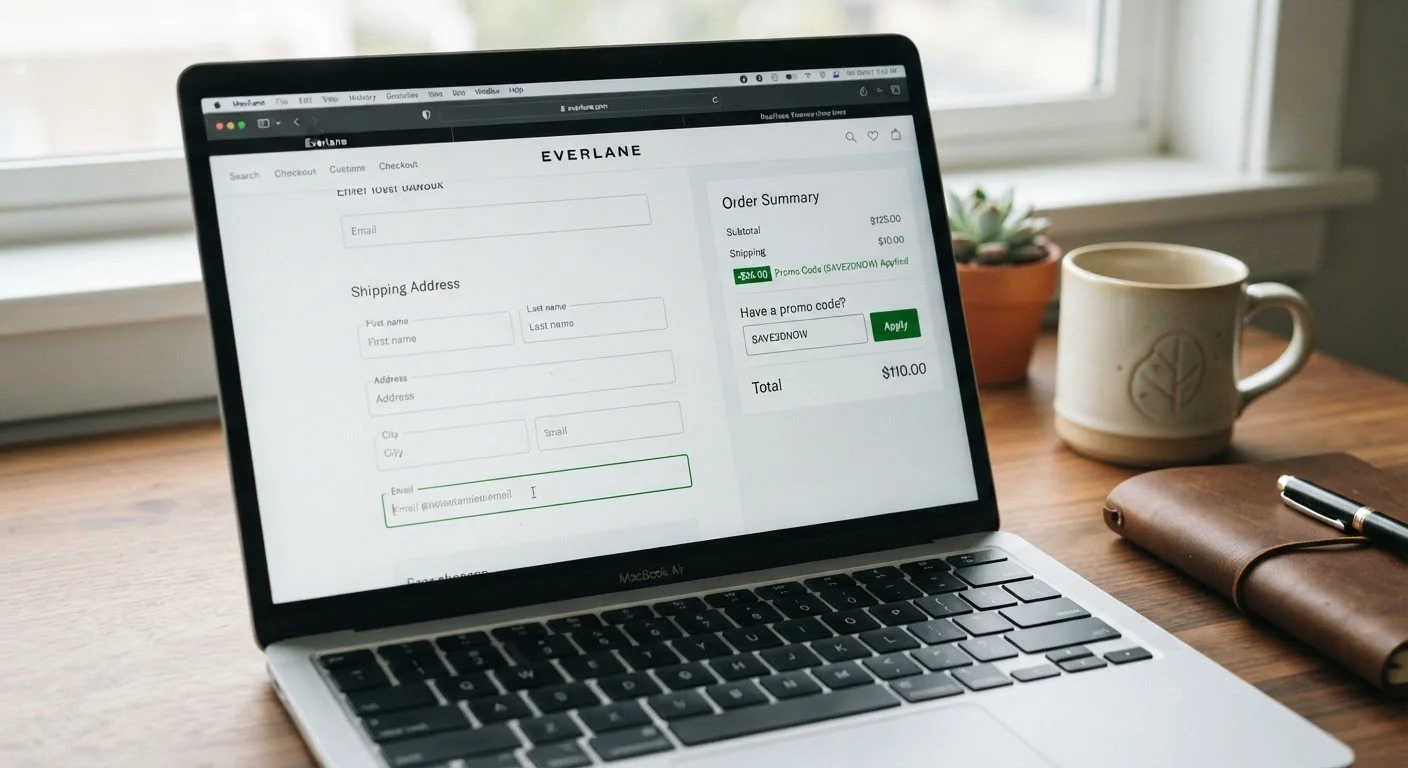
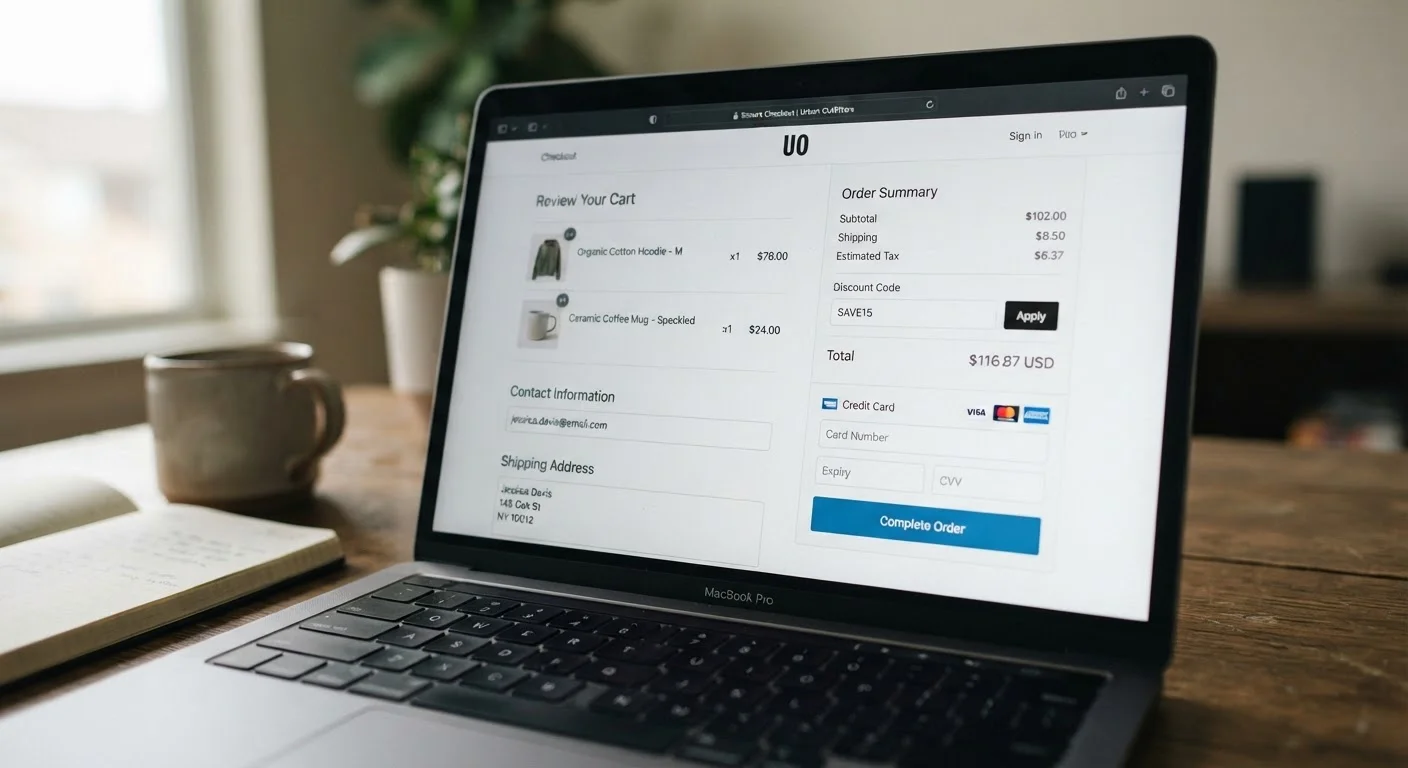
See what else to watch for at the checkout page before you finalize any online order. And if you're combining these tools with other discounts, understand the rules around stacking discounts first.
Using These Tools Without Overestimating Them
Each tool has real utility - and real limitations. None of them transforms spending into saving on their own. A few practical principles:
- Don't let the promise of cashback or rebates encourage purchases you wouldn't otherwise make. A 5% return on an unnecessary item is still a net loss.
- Track what you actually receive versus what was promised. Discrepancies happen, and most platforms have dispute processes.
- Diversify your approach: using a portal-based cashback program alongside a rebate app for in-store purchases covers more ground than relying on one tool.
For a broader framework on making purchase decisions with confidence, visit our smart buying tips hub. And if you're evaluating where to find deals in the first place, learn how deal aggregator sites operate and when to trust them.