What Loyalty Programs Actually Promise
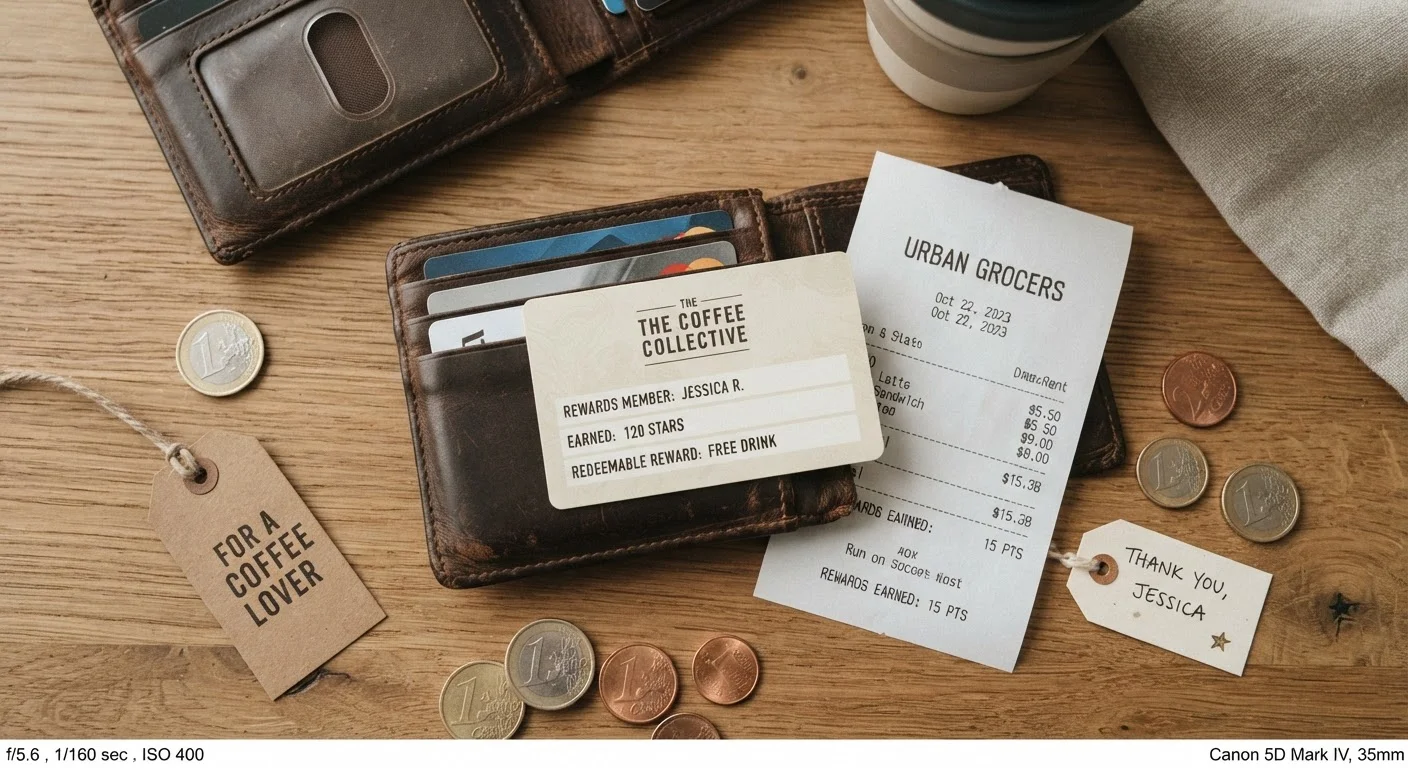
At their core, loyalty programs offer a straightforward deal: spend money with us regularly, and we'll give some of it back in the form of points, cashback, discounts, or exclusive perks. Grocery chains, airlines, hotel brands, fuel stations, and retailers of almost every kind run some version of this model. The appeal is intuitive - if you're going to spend the money anyway, why not earn something back?
But the word "loyalty" is doing real work in that framing. These programs are designed to capture a greater share of your wallet, not simply to reward you for purchases you were already going to make. Understanding that distinction is the first step to using them without being used by them. For a broader look at how retailers quietly shift costs, see how "free" perks often hide strings.
The Real Advantages
When used strategically, loyalty programs offer advantages that are easy to measure.
Rewards spending you'd make anyway
When a program aligns with your existing shopping habits, every qualifying purchase produces a return at no additional cost or behavior change.
Exclusive member discounts on routine items
Many grocery and fuel loyalty programs offer member-only prices on staples, effectively functioning as an ongoing discount for enrolled shoppers.
Free or discounted services over time
Accumulated points in hotel, airline, or retail programs can offset real future costs - flights, hotel nights, or merchandise - when redeemed strategically.
Early access and priority perks
Status tiers in travel and retail programs often include queue priority, early sale access, or extended return windows that have practical convenience value.
Concentrated spending - choosing one grocery chain over three, or one fuel brand over whatever's closest - can produce meaningful rewards faster than sporadic participation. Airlines and hotel programs, despite their complexity, can deliver outsized value to frequent travelers who understand the redemption landscape. And programs that integrate directly with your existing spending patterns, such as a cashback tier at a store you already shop weekly, require minimal behavioral change to produce results.
The Hidden Costs Worth Knowing
The drawbacks aren't always obvious at signup, but they add up.
Points can devalue or expire without warning
Program operators can change redemption rates or impose expiration windows unilaterally, meaning accumulated balances may be worth less - or nothing - when you go to use them.
Programs encourage spending beyond normal patterns
Tier thresholds, bonus point events, and limited-time multipliers are designed to push spending above what a shopper would otherwise choose, often negating reward gains.
Data sharing is part of the price
Membership requires sharing purchase history and often contact information, which retailers use to build detailed behavioral profiles and target future marketing.
Redemption minimums favor the retailer
Many programs set reward thresholds high enough that a significant portion of members never accumulate enough points to redeem anything, making those balances effectively free revenue for the company.
Mental overhead of tracking multiple programs
Managing several loyalty accounts - each with different rules, currencies, and expiration timelines - takes time and attention that can exceed the value returned.
Points currencies are controlled entirely by the issuing company. Devaluations - where the same reward suddenly costs more points - happen without advance notice and are rarely publicized. Expiration policies vary widely, and many shoppers discover they've lost accumulated balances simply because they didn't shop in a qualifying window. For a clear-eyed view of the total price of any purchase decision, the concept of total cost of ownership applies here too: the real cost of participating includes the time spent tracking, the data you share, and the behavioral shifts you make.
Loyalty Programs vs. Other Savings Tools
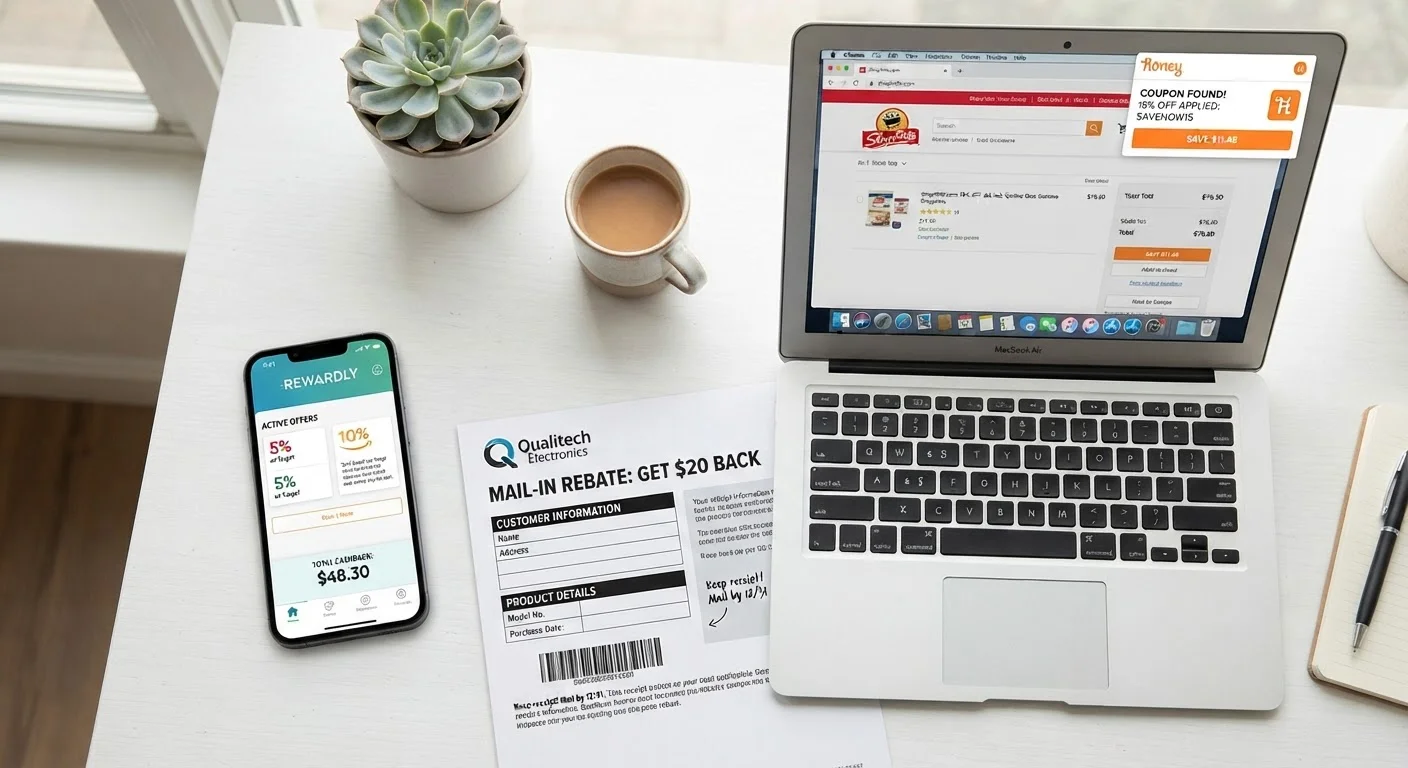
Loyalty programs are one tool in a broader savings toolkit, but they're not always the sharpest one. Cashback programs, rebate apps, and browser extensions work differently - many return a fixed percentage on purchases without requiring brand allegiance or minimum spend thresholds. Unlike loyalty points, cashback is typically denominated in real dollars with fewer strings attached.
The practical question isn't whether loyalty programs are good or bad in the abstract - it's whether a specific program rewards your existing behavior or tries to reshape it. If you find yourself choosing a higher-priced item because it earns more points, or visiting a store you wouldn't otherwise use just to maintain status, the program is likely costing you more than it returns.
Loyalty Programs Are Not Regulated Like Financial Products
Unlike bank accounts or credit card rewards governed by federal disclosure rules, loyalty point currencies are proprietary and can be changed or cancelled at the company's discretion. There is generally no regulatory body overseeing whether a program's stated value matches its actual redemption value. This means the burden of due diligence sits entirely with the consumer before and after enrollment.
Similarly, don't overlook the checkout stage itself. Most savings opportunities at checkout go unclaimed - including loyalty point applications - simply because shoppers aren't looking for them.
How to Participate Without Losing Ground
A few practical principles can help keep loyalty programs working for you rather than the reverse:
- Audit before you accumulate. Before joining, check the redemption minimums, expiration policy, and whether points can devalue. If that information is hard to find, that's a signal.
- Limit membership to programs that match existing habits. Two or three programs you actually use beat a wallet full of cards you forget about.
- Track balances the same way you track a budget. If you wouldn't ignore a line item in your spending plan, don't ignore an expiring points balance. Tools for automating your savings can complement disciplined rewards tracking.
- Never spend more to earn more. The moment a program influences purchase quantity or frequency beyond your normal pattern, the math typically shifts against you.
Loyalty programs aren't inherently deceptive - but they are carefully designed to influence behavior. Keeping that in mind puts you in a stronger position than most cardholders.