Why the Sticker Price Is Only Half the Story
When most people shop, they compare prices. That's reasonable - but it's also incomplete. The purchase price is a one-time event. What you spend afterward can stretch for years, and those cumulative costs often dwarf what you paid at checkout.
Consider a printer. A budget model might cost $60. But if it uses proprietary ink cartridges that run $30 each and need replacing every few months, you've spent more on ink in a year than on the printer itself. A pricier model with high-yield cartridges might cost half as much to run annually. The cheaper option turned out to be the expensive one.
This gap between sticker price and actual cost is what total cost of ownership (TCO) is designed to close. It's not a complicated formula - it's a habit of asking, "What will this really cost me over time?" before you commit.
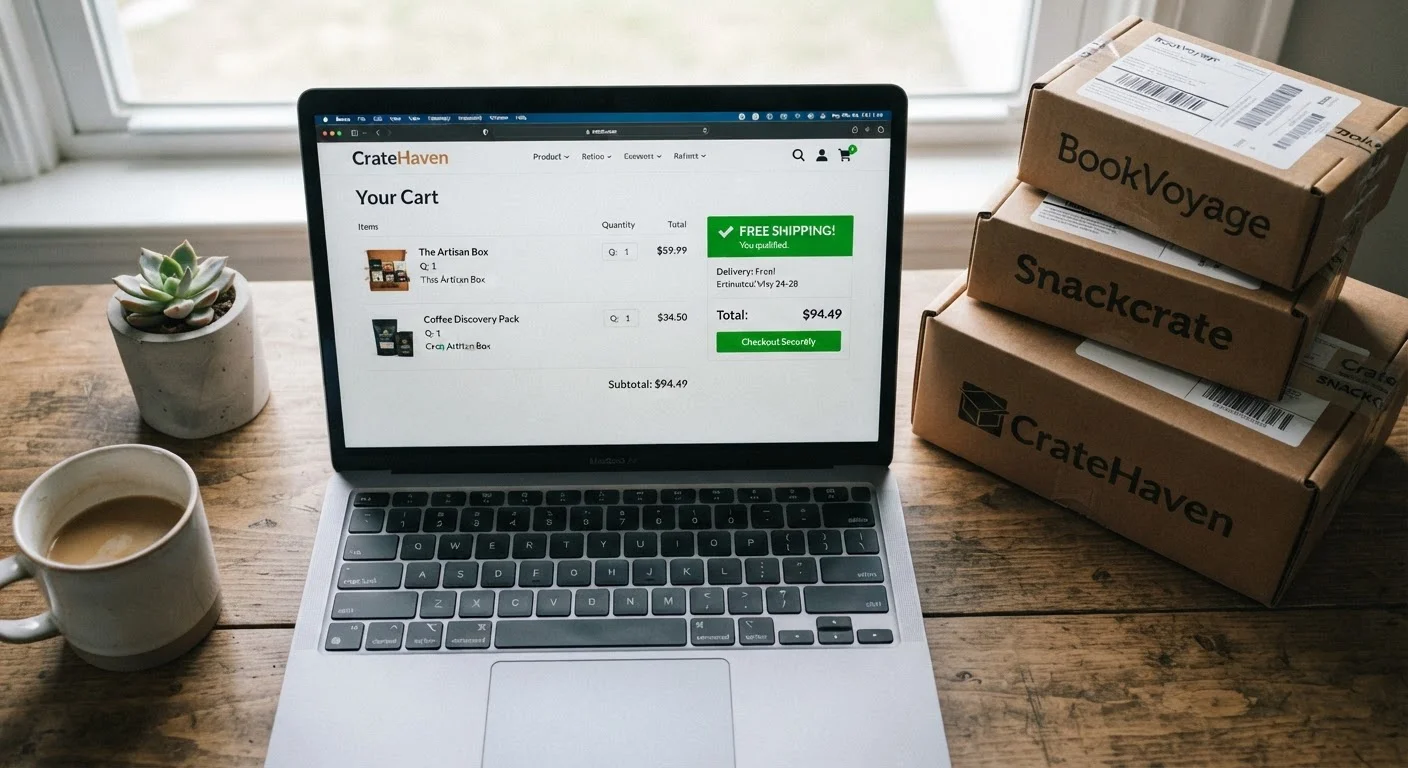
For a deeper look at how hidden charges can inflate what seems like a good deal, see how free shipping and bundles add hidden costs.
The Hidden Cost Categories Shoppers Miss Most
TCO isn't one number - it's a collection of cost categories that stack up over time. Most shoppers account for the purchase price but mentally skip the rest. Here's what gets overlooked most often:
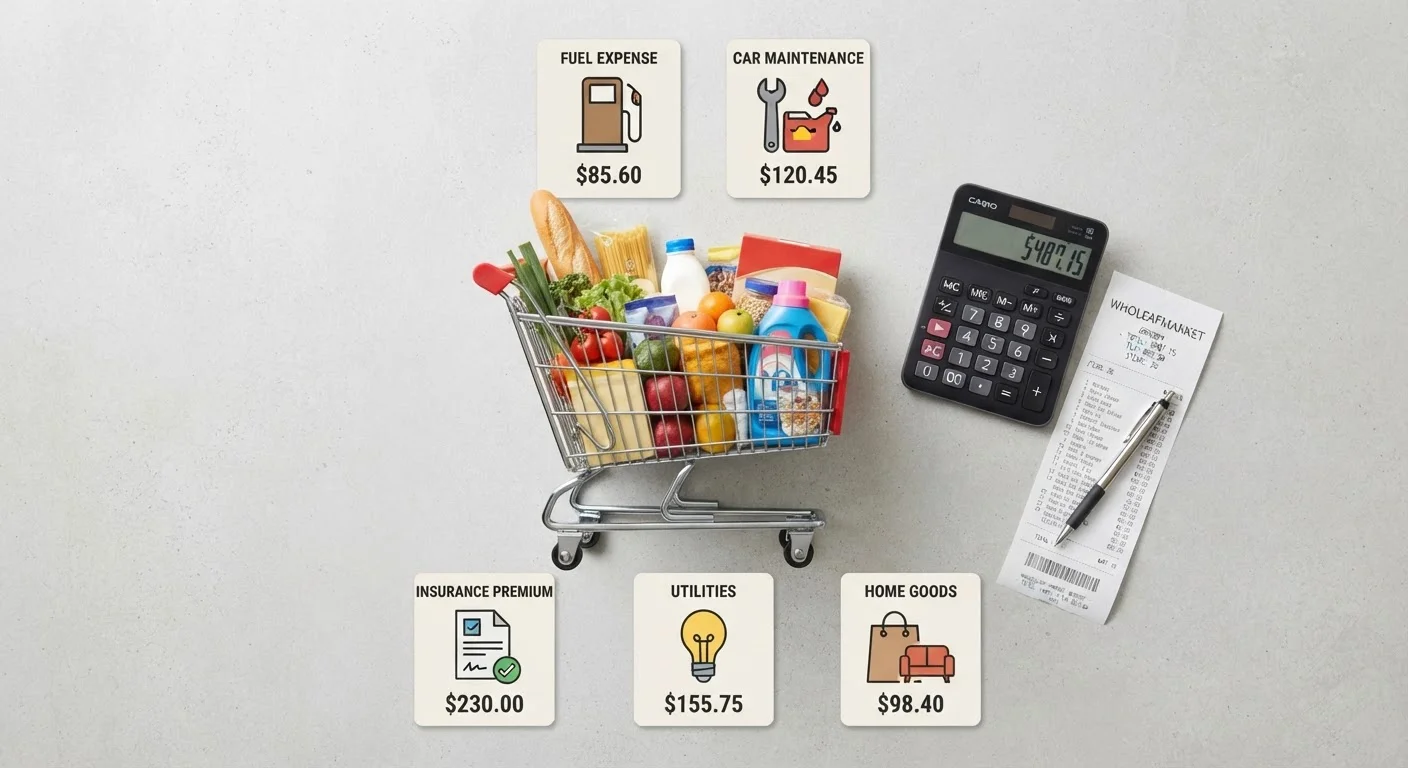
- Maintenance and repairs: Tools, appliances, and vehicles all require upkeep. Skipping this estimate is one of the most costly mistakes buyers make.
- Consumables: Items that need regular refills - filters, cartridges, batteries, blades - generate ongoing expense that's easy to underestimate.
- Energy and fuel costs: Appliances, vehicles, and electronics vary significantly in operating efficiency. A less efficient model costs more every month it runs.
- Insurance and warranties: Some purchases require or strongly benefit from coverage that adds meaningful annual cost.
- Subscriptions and service fees: Software, connected devices, and platform-dependent products often carry recurring fees that didn't exist at purchase time.
- Disposal and replacement: What does it cost when the product reaches the end of its life? Some items carry removal or recycling costs that aren't obvious upfront.
If you're also evaluating whether loyalty perks are quietly pushing you toward more spending, this breakdown of loyalty program tradeoffs is worth reading alongside your TCO estimate.
~$10,000+
Average annual vehicle operating cost in the U.S.
AAA's annual "Your Driving Costs" study consistently finds that total vehicle ownership costs - fuel, maintenance, insurance, depreciation - far exceed what most buyers anticipate at purchase time.
2-3×
Ink cost vs. printer cost for budget models
Consumer research organizations have repeatedly found that the lifetime cost of ink cartridges for entry-level printers can be two to three times the original purchase price of the device.
30%
Energy cost difference between efficient and inefficient appliances
The U.S. Department of Energy notes that ENERGY STAR certified appliances can use significantly less energy than standard models, producing meaningful savings over a typical product lifespan.
TCO in Practice: Applying It Before You Buy
Running a TCO estimate doesn't require a spreadsheet - though one helps. The goal is a rough lifetime cost comparison between the options you're weighing. Here's a practical approach:
- Define the ownership period. How long do you realistically expect to own or use this item? Three years? Ten? Your answer shapes every other number.
- List all recurring costs. What will you spend annually on maintenance, consumables, energy, insurance, or fees? Even rough estimates are useful.
- Multiply and add. Recurring annual costs × years owned + purchase price = basic TCO. Add one-time costs like installation or setup.
- Compare options side by side. Run this for each option you're considering, not just your favorite. The results are often surprising.
For vehicles, this framework is especially valuable. Insurance, fuel, registration, maintenance, and depreciation can easily add tens of thousands of dollars to the cost of a car beyond its sale price. See a full breakdown of vehicle ownership costs for how those numbers play out across a car's lifecycle.
Before any significant purchase, it also helps to run through a structured checklist. This pre-purchase checklist for everyday shoppers pairs well with a TCO estimate to keep impulse decisions in check.
Build a Simple TCO Estimate Before You Buy
Open a notes app or grab a piece of paper and jot down: purchase price, estimated annual upkeep (maintenance, fuel, subscriptions, consumables), and how many years you plan to own the item. Multiply annual costs by the ownership years and add the purchase price. Even a rough estimate puts you in a much stronger position than comparing sticker prices alone.
When "Cheaper" Costs More - and Vice Versa
One of the most useful things TCO reveals is that price and cost are not the same thing. A product that costs less to buy can cost significantly more to own. And a product that costs more upfront can be the genuinely economical choice when you run the full numbers.
A shopper buys an energy-inefficient refrigerator because it's $300 cheaper. Over 10 years, its higher electricity draw costs $400 more to operate than the pricier model.
Two vehicles are priced similarly, but one requires premium fuel and has higher insurance rates. Over five years, the difference in fuel and insurance alone amounts to several thousand dollars.
A homeowner installs a cheaper HVAC unit to save $800 upfront, but the unit runs less efficiently and needs more frequent filter replacements and service calls.
The key is not to assume either direction by default. Run the numbers on what you're actually considering. Some categories - appliances, vehicles, mattresses, footwear - reward spending more upfront because durability and efficiency dramatically reduce long-run cost. Others don't justify the premium, and a modest option performs just as well at a fraction of the ownership cost.
If you're trying to avoid the patterns that lead shoppers to consistently overpay, this look at common overspending patterns explains the pricing and psychology tactics worth knowing about before you shop.
This article is for general informational and educational purposes only. It does not constitute financial or purchasing advice tailored to your individual circumstances.