The Purchase Decision: Setting Yourself Up for Success
Every ownership lifecycle begins long before you sign paperwork. Choosing the right vehicle for your actual needs - not just your wants - is the most consequential decision you'll make as a driver. Think honestly about annual mileage, passenger needs, cargo requirements, and whether city or highway driving dominates your routine.
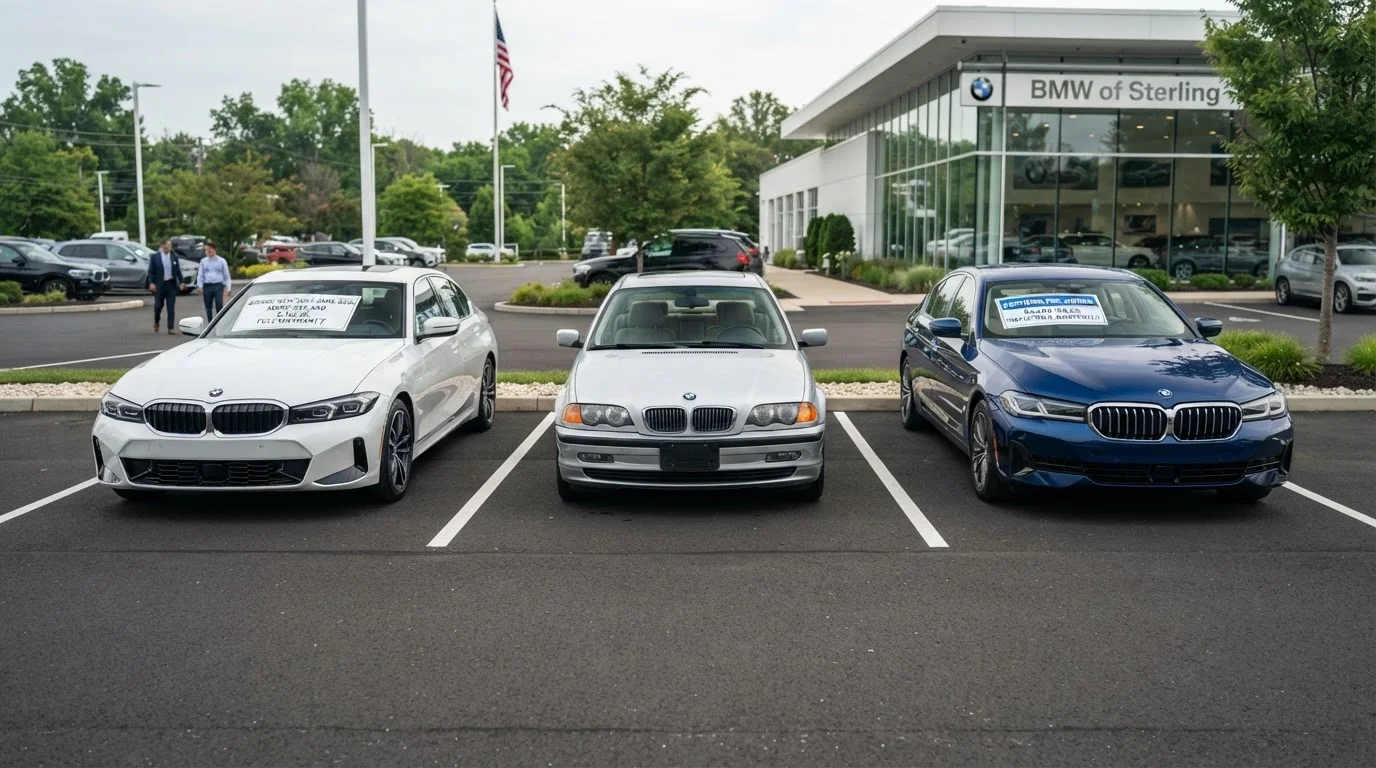
One of the earliest choices is whether to buy new, used, or certified pre-owned. Each path carries different trade-offs around warranty coverage, price, and risk. Our guide on new, used, and CPO vehicles breaks down exactly what protections you gain or surrender with each option.
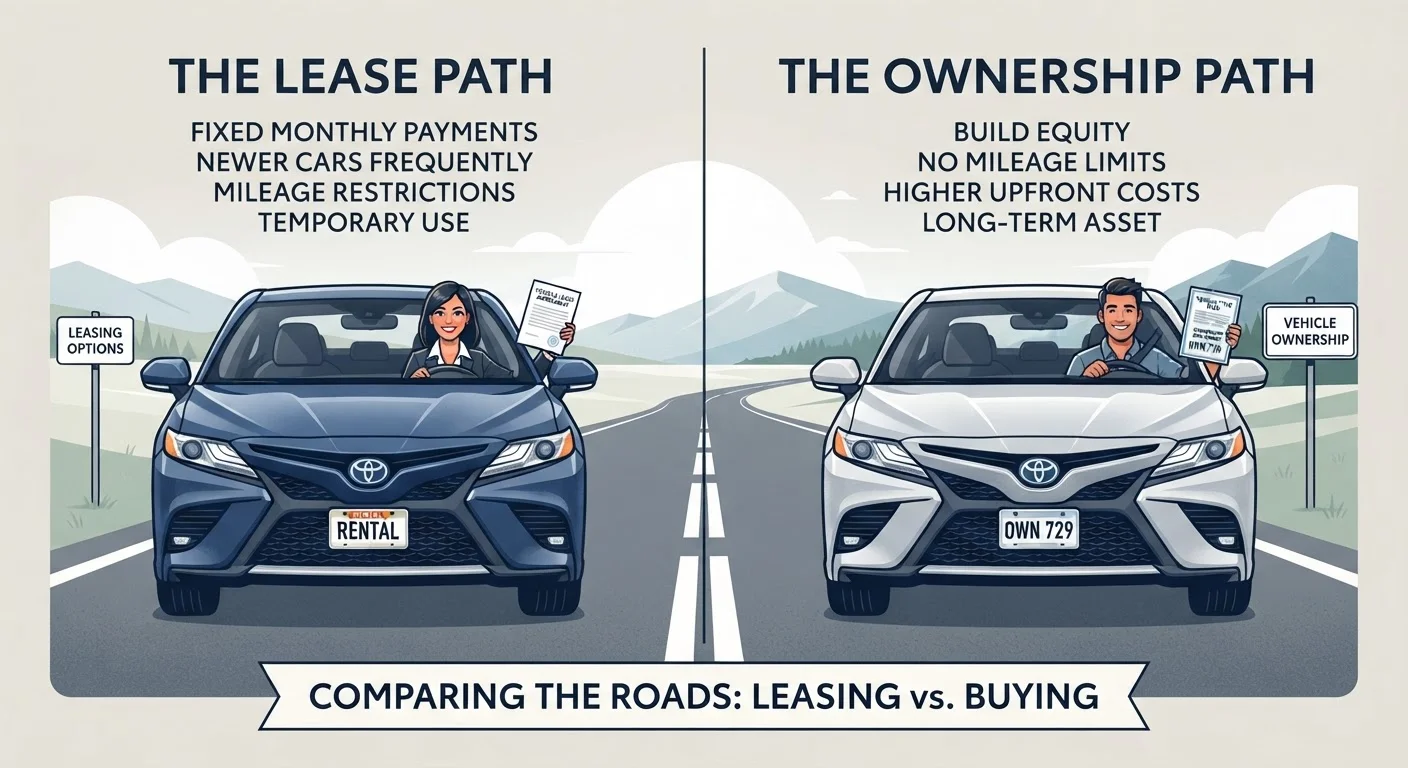
Equally important is the lease-versus-buy question. Leasing can lower monthly payments but builds no equity; buying costs more upfront but leaves you with an asset. Our leasing vs. buying comparison walks through how driving habits and financial goals should shape that choice.
Before visiting a dealership, determine your target out-the-door price - not just the monthly payment. Salespeople are trained to anchor negotiations around monthly figures, which can obscure the true total cost.
Monthly payment framing makes it easy to extend loan terms or add fees without the buyer noticing the overall cost has risen significantly.
Schedule a pre-purchase inspection by an independent mechanic, even on certified pre-owned vehicles. A $100-$150 inspection can surface issues that cost thousands to fix.
CPO inspection programs vary widely by manufacturer and dealer, and an independent review adds a layer of assurance no sales process can fully replicate.
Financing and the Real Cost of Ownership
The sticker price is only the beginning. Interest on an auto loan, insurance premiums, fuel, registration fees, and depreciation combine to make the true cost of ownership substantially higher than most buyers anticipate. A vehicle that depreciates rapidly in its first three years can cost far more over time than a slightly pricier model that holds its value.
Before finalizing any purchase, it's worth modeling the full ownership picture. Our detailed breakdown of the true cost of owning a car in America covers depreciation curves, average insurance costs by vehicle class, and how fuel economy compounds over miles driven.
When financing, the interest rate and loan term matter enormously. Extending a loan to 72 or 84 months lowers monthly payments but substantially increases total interest paid - and can leave you owing more than the car is worth (a situation called being "underwater" or "upside-down" on the loan). Aim to keep loan terms as short as your budget responsibly allows.
Maintaining Your Vehicle Through the Years
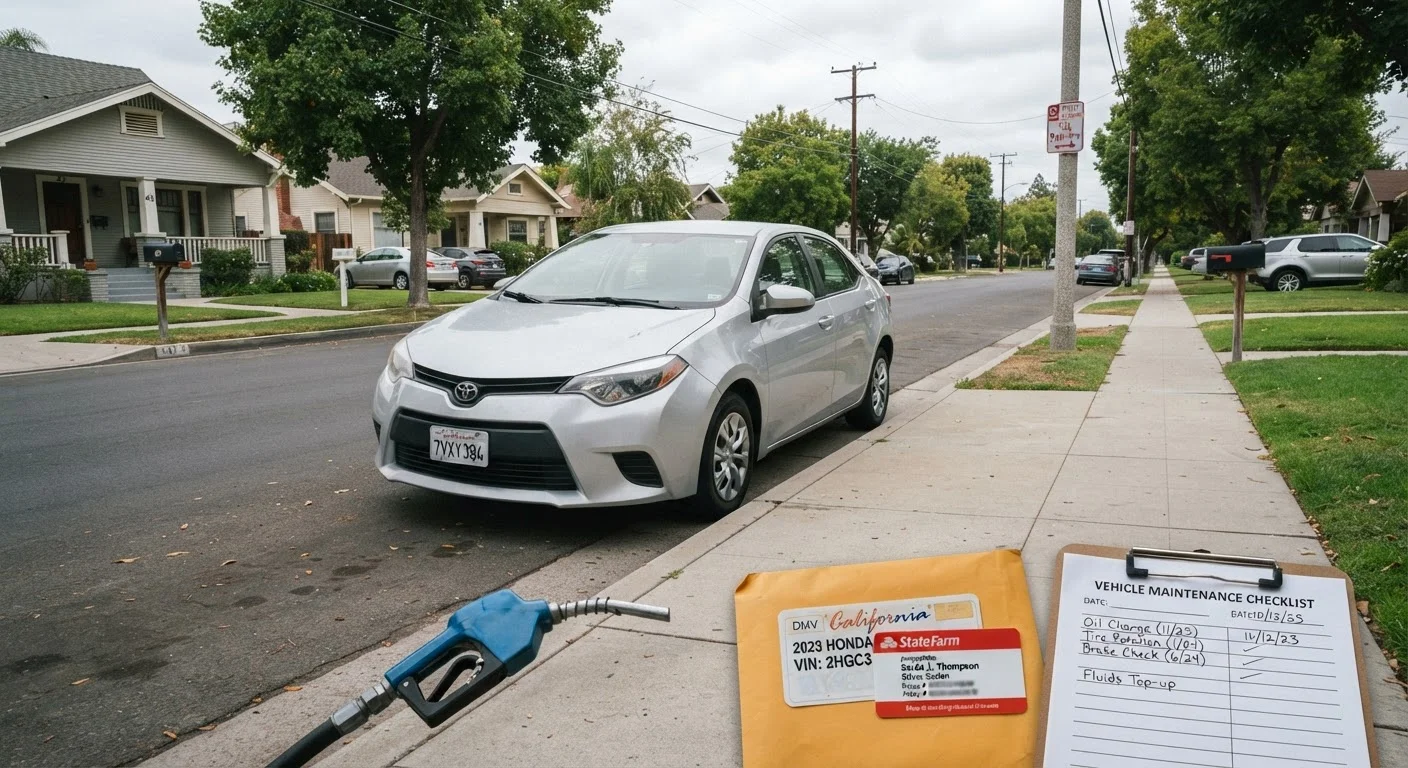
No single factor does more to protect your investment - and your safety - than consistent, scheduled maintenance. Oil changes, tire rotations, brake inspections, fluid top-offs, and filter replacements are not optional extras. They are the core practices that separate vehicles still running reliably at 150,000 miles from those that aren't.
If you're newer to ownership, our practical maintenance primer for first-time owners introduces essential schedules and vocabulary in plain terms. For drivers at any experience level, maintenance habits that extend vehicle life offers actionable routines grounded in how modern engines and drivetrains actually behave.
Keep every service record, no matter how minor. A documented history of oil changes and scheduled maintenance is a concrete, verifiable asset when it comes time to sell. Buyers and dealers both pay attention to it. For broader upkeep guidance across your ownership journey, the Car Maintenance hub is a reliable reference.
Knowing When to Sell or Trade In
Most vehicles depreciate fastest in their first two to three years, then follow a slower, steadier decline. Selling before major wear items - timing belts, transmission services, suspension components - become due can preserve your return. Waiting until a vehicle is clearly aging or has accumulated high mileage often forces a rushed sale at a lower price.
Common signals that it may be time to move on include repair costs approaching or exceeding the vehicle's market value, consistently rising fuel costs as efficiency declines, or a change in household needs (a growing family, a new commute) that the current vehicle no longer serves well. Timing a sale proactively, rather than reactively, generally yields better outcomes.
Getting Fair Value at the End of Ownership
When you're ready to exit ownership, you have three main options: trade the vehicle in at a dealership, sell it privately, or sell it to a direct-purchase service. Each approach involves different trade-offs between convenience and return.
Private-party sales typically produce the highest selling price but require you to manage the listing, handle inquiries, arrange inspections, and navigate the title transfer process yourself. Dealer trade-ins are simpler and faster but usually yield less money, as the dealer needs room to profit on resale. Direct-purchase services fall somewhere in between - convenient, but pricing varies widely.
Regardless of which route you choose, preparation matters. A clean, well-documented vehicle with a clear title, current registration, and a complete service history commands meaningfully better offers. Address minor cosmetic issues - scuffs, worn floor mats, cracked trim - before listing, as first impressions influence perceived value. Obtain at least two or three independent value estimates so you enter any negotiation with a grounded understanding of what your vehicle is worth in your regional market.
This article is for general informational purposes only. Financing, insurance, and tax implications of vehicle transactions vary by state and individual circumstance. Consult a qualified financial or legal professional for advice specific to your situation.