What "New," "Used," and "CPO" Actually Mean
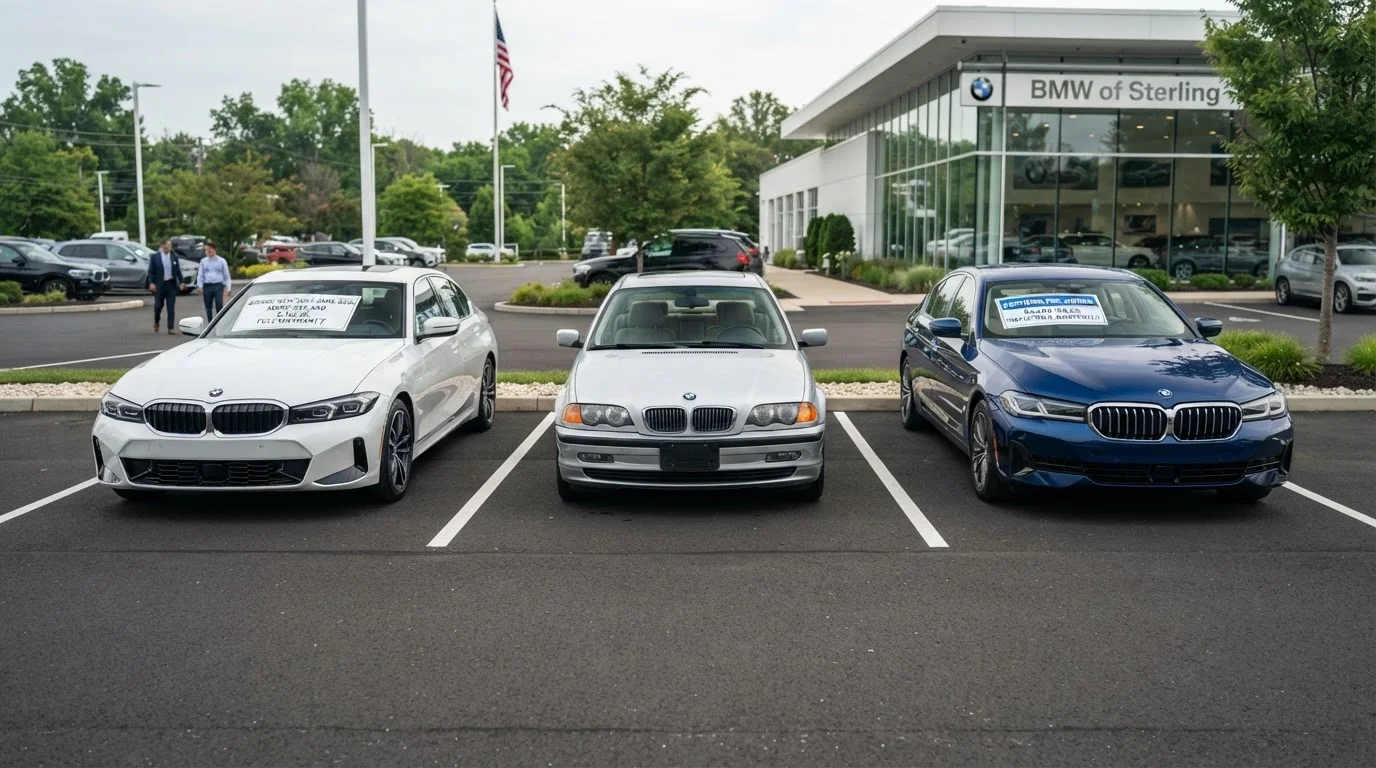
These three categories describe not just age, but the legal protections, pricing structures, and risk profiles attached to a vehicle. Mixing them up can cost you in ways that aren't immediately obvious.
New vehicles are sold with zero prior ownership. They come with a full manufacturer warranty - typically three years or 36,000 miles for bumper-to-bumper coverage and five years or 60,000 miles for the powertrain, though terms vary by automaker. They also include the latest federally mandated safety features and any current model-year updates.
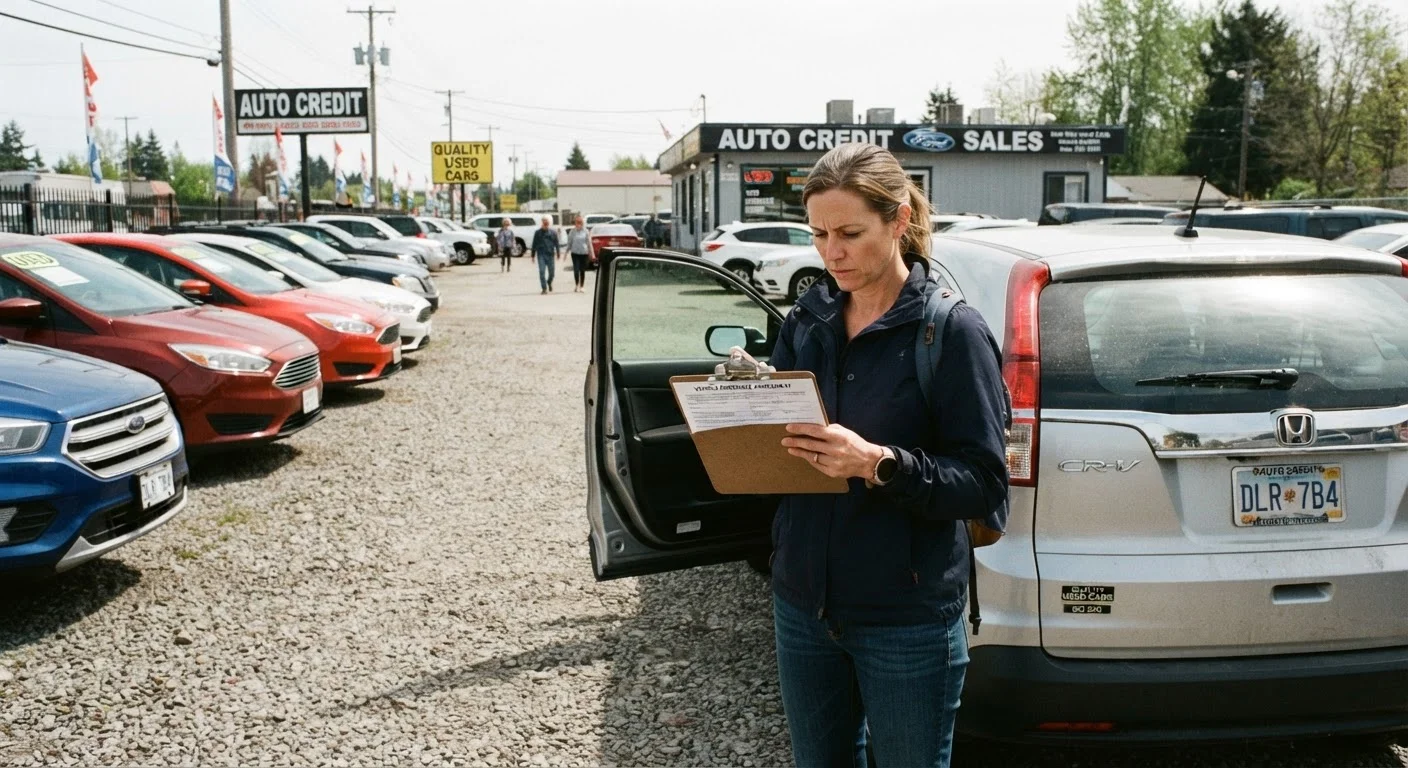
Used vehicles have had at least one prior owner. Beyond that, the category is broad: a two-year-old vehicle with low mileage and a ten-year-old vehicle with 120,000 miles are both technically "used." Protection varies widely. Many used cars are sold as-is with no warranty, meaning the buyer absorbs all repair risk from day one. See our pre-purchase checklist for what to verify before committing.
Certified Pre-Owned (CPO) is a designation created and governed by individual automakers - not a universal standard. A CPO vehicle must meet specific age and mileage thresholds, pass a multi-point inspection, and typically comes with an extended warranty backed by the manufacturer. Because requirements differ by brand, it's important to read the specific CPO terms, not just assume blanket coverage.
How the Costs Actually Stack Up
Purchase price is only part of the financial picture. Depreciation, insurance, financing rates, and maintenance costs all vary meaningfully across these three categories.
| New Car | Used Car | Certified Pre-Owned (CPO) | |
|---|---|---|---|
| Upfront Cost | Highest | Lowest | Moderate |
| Depreciation Risk | Highest (hits immediately) | Already absorbed by prior owner | Partial - some absorbed already |
| Warranty Coverage | Full factory warranty | Often none (as-is) | Extended, manufacturer-backed |
| Vehicle History | None - zero prior owners | Unknown unless verified | Inspected and documented |
| Financing Rates | Typically lowest | Typically highest | Often competitive (manufacturer programs) |
| Latest Safety Features | Yes - current model year | Depends on model year | Depends on model year |
| Inspection Requirement | Not applicable | Buyer's responsibility | Required by manufacturer program |
Depreciation hits new cars hardest. A new vehicle can lose a significant portion of its value in the first year of ownership - often cited in industry data as 15-25%, though the exact figure depends on the make, model, and market conditions. Buyers of used and CPO vehicles effectively let the first owner absorb that drop.
Financing rates are generally lower on new vehicles because lenders view them as less risky collateral. CPO vehicles sometimes qualify for manufacturer-subsidized financing rates that are competitive with new-car rates. Standard used cars typically carry higher interest rates, which can offset some of the lower sticker price. Understanding loan structure matters here - our auto loan terms guide breaks down APR, loan-to-value, and other key figures.
Insurance costs are influenced by the vehicle's value, age, and available safety features. New cars often carry higher premiums due to replacement cost, while older used vehicles may qualify for lower comprehensive and collision coverage thresholds. For a breakdown of coverage types, see liability, collision, and comprehensive coverage explained.
Warranty and Protection: The Critical Differences
Warranty coverage is where these three options diverge most sharply - and where buyers most often make assumptions that don't hold up.
Always Read the CPO Program Terms Directly
CPO is a marketing term as much as a protection framework - and what it covers varies significantly between automakers. Before assuming a CPO vehicle carries comprehensive protection, request the written warranty document and review what is excluded, what the deductible is, and where repairs must be performed. A well-structured CPO program can offer genuine value; a weak one may offer little more than a standard used-car sale.
New cars come with the full factory warranty from day one. Every component is covered under the manufacturer's terms, and recalls are handled at no cost. The Federal Trade Commission's Used Car Rule requires dealers to post a Buyers Guide disclosing warranty status on used vehicles - check it carefully.
CPO warranties are extensions of or supplements to the remaining factory warranty. Some CPO programs transfer the remaining original warranty plus add additional powertrain coverage; others start fresh. Key questions to ask: What is excluded? Is there a deductible per visit? Is the warranty honored at any dealership of that brand, or only the selling location?
For used cars sold without a warranty, you carry all repair costs from the moment of purchase. An independent pre-purchase inspection - performed by a mechanic you choose, not the seller - is one of the most practical steps a used-car buyer can take. For a broader look at how warranty types compare, see warranty types explained.
If you're considering adding an aftermarket service contract to any vehicle, weigh it carefully. Our extended warranty analysis covers what these contracts typically include - and exclude.
Making the Right Call for Your Situation
The decision rarely comes down to one factor. A buyer who drives 20,000 miles per year and keeps cars for a decade faces a different calculation than someone who trades every three years.
If ownership structure itself is still an open question - whether buying makes more sense than leasing - that's worth resolving first. Our leasing vs. buying comparison walks through monthly payments, mileage limits, and long-term value across both paths.
For buyers leaning toward used, condition and history research are non-negotiable. A vehicle history report is a starting point, not a conclusion - mechanical inspection matters too. Our car maintenance hub is a useful resource for understanding ongoing upkeep costs once you own.
CPO makes the most sense when a buyer wants documented assurance and manufacturer-backed coverage but isn't positioned to absorb a new-car depreciation hit. It's a structured middle ground - not a guarantee, but a meaningfully lower-risk used-car purchase when the specific program terms are sound.
Whatever route you take, read every document before signing, ask for warranty terms in writing, and don't let price alone drive the decision. Long-term cost of ownership - not purchase price - is the number that matters most.