The Three Warranty Types at a Glance
When you buy a product - a car, a refrigerator, a laptop - you're almost always receiving at least one warranty, and possibly two or three layered on top of each other. The trouble is, most shoppers don't know which warranty applies when something breaks, or what they've agreed to waive. Here's how each type works.
For a deeper look at how these protections differ from return policies and satisfaction guarantees, see warranties vs. guarantees explained.
Manufacturer's Warranty (Express Warranty)
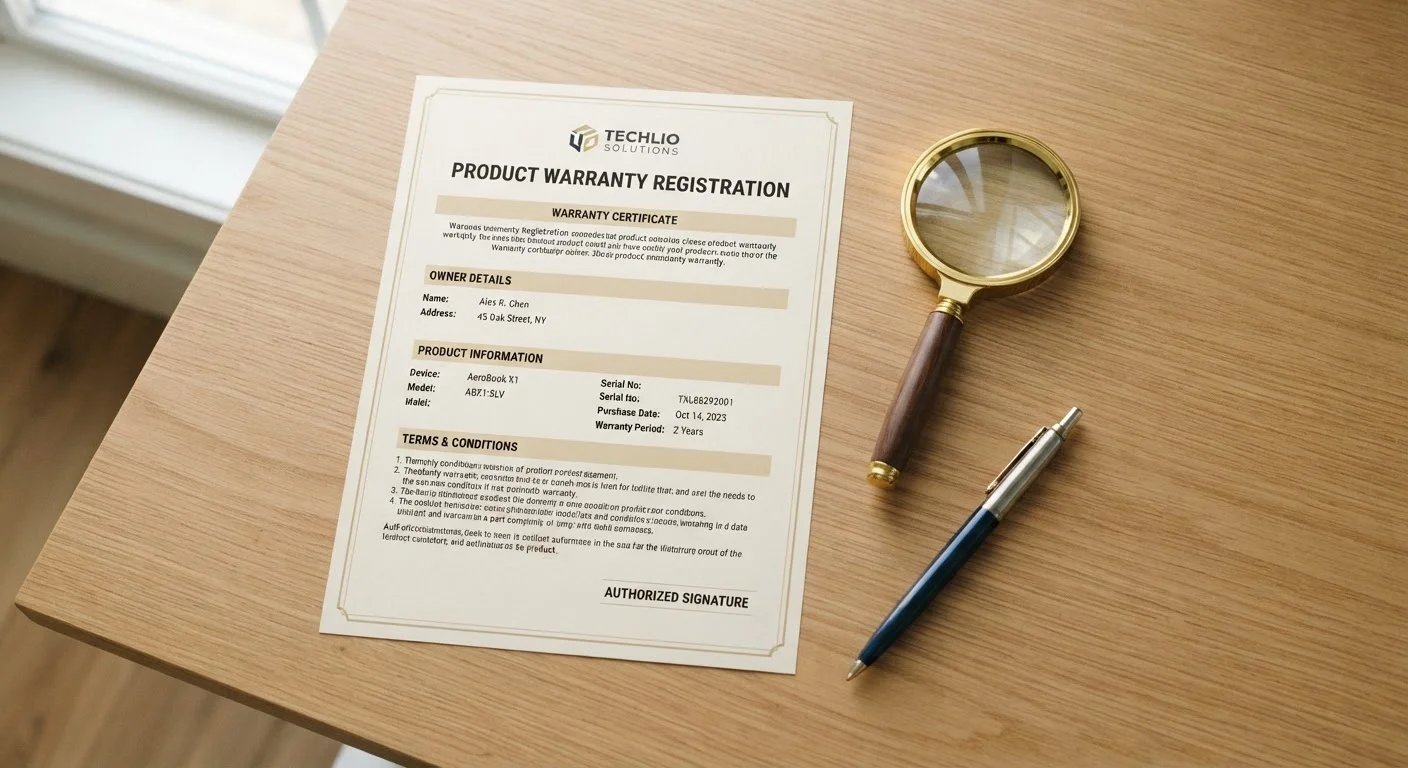
A manufacturer's warranty - also called an express warranty - is a written promise made directly by the company that made the product. It spells out exactly what defects or failures are covered, for how long, and under what conditions.
Key things to understand:
- Coverage scope: Typically covers defects in materials or workmanship - meaning the product failed because of how it was made, not how it was used.
- Duration: Ranges from 90 days on small electronics to several years on appliances or vehicles. Auto manufacturer warranties often split into separate terms: a shorter bumper-to-bumper period covering nearly everything, and a longer powertrain period covering the engine and transmission.
- What voids it: Misuse, unauthorized modifications, or failure to follow maintenance requirements can all void a manufacturer's warranty. Always read these exclusions before making changes to a product.
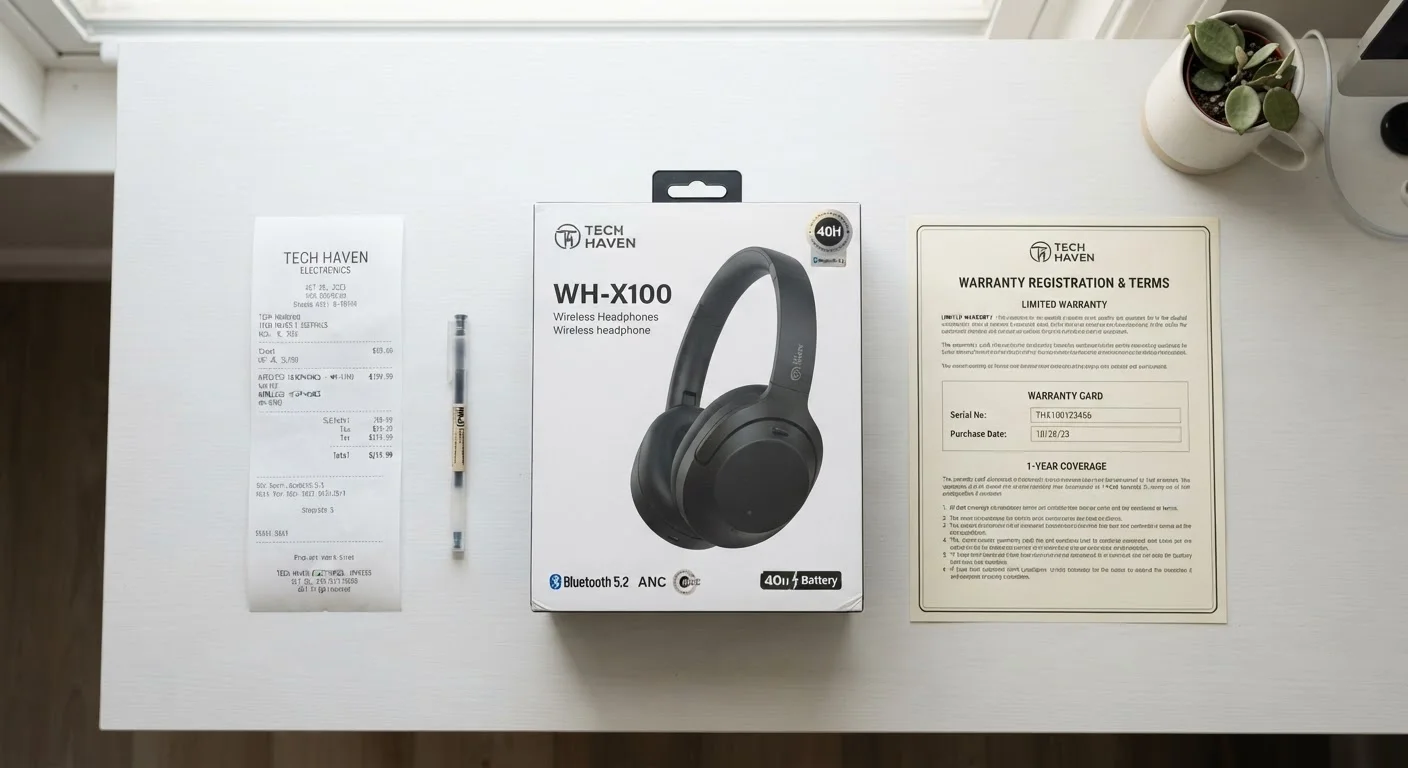
- How to claim it: You typically need proof of purchase and must work through the manufacturer's authorized service network.
If you're weighing new versus certified pre-owned vehicles, the manufacturer's warranty picture changes significantly - see how coverage differs across vehicle types.
Extended Warranties (Service Contracts)
Despite the name, an extended warranty is technically a service contract - a separate agreement you purchase that kicks in after the manufacturer's warranty expires (or sometimes overlaps with it). These are sold by manufacturers, retailers, and third-party administrators.
What sets them apart:
- They cost money upfront. Unlike manufacturer warranties included in the purchase price, you pay separately for extended coverage - sometimes hundreds or thousands of dollars depending on the product.
- Exclusions are common. Pre-existing conditions, cosmetic damage, and specific components are frequently carved out. The fine print determines what's actually covered.
- The provider matters. If a third-party warranty company goes out of business, your coverage disappears. Manufacturer-backed extended plans tend to be more reliable.
- Deductibles may apply. Some contracts charge a per-visit or per-claim deductible, reducing the effective value.
Extended warranties are one of the more debated consumer purchases. For a balanced look at when they make financial sense and when they don't, see the case for and against extended warranties.
Implied Warranties: Coverage You Have by Law
An implied warranty isn't written anywhere in a box or brochure - it exists automatically under state law the moment you make a purchase. There are two main types:
- Implied Warranty of Merchantability
- The product must work for its ordinary, intended purpose. A blender must blend. A car must drive. If it doesn't function as a reasonable buyer would expect, this warranty may be violated - regardless of what the manufacturer's written warranty says.
- Implied Warranty of Fitness for a Particular Purpose
- If a seller specifically recommends a product for a particular use, and you buy it relying on that advice, the product must perform that function. For example, if a salesperson tells you a specific tire is rated for towing and it isn't, this implied warranty may apply.
Sellers sometimes try to disclaim implied warranties using language like "sold as-is" - but many states limit or prohibit this practice for consumer goods. Laws vary by state, so consulting a consumer protection resource or attorney is advisable if you believe an implied warranty has been violated.
This article provides general consumer education and is not legal advice. Warranty laws vary by state and situation; consult a qualified legal professional for guidance specific to your circumstances.