Three Different Protections, Often Confused
When something goes wrong with a purchase, most consumers reach for whichever word feels right - warranty, guarantee, or return policy - and hope for the best. That confusion costs people real money. These three terms describe distinct protections with different legal weight, different time limits, and different parties responsible for making things right.
Understanding which protection applies to your situation - and what it actually requires the other party to do - is the kind of knowledge that pays off every time you make a significant purchase.
These Are Separate Protections, Not Interchangeable
Warranties, guarantees, and return policies can overlap - a defective item might be covered by all three - but each has its own rules, time limits, and responsible party. Knowing which one applies to your situation determines who you contact and what remedy you can expect. Treating them as the same thing is one of the most common and costly consumer mistakes.
What a Warranty Actually Covers
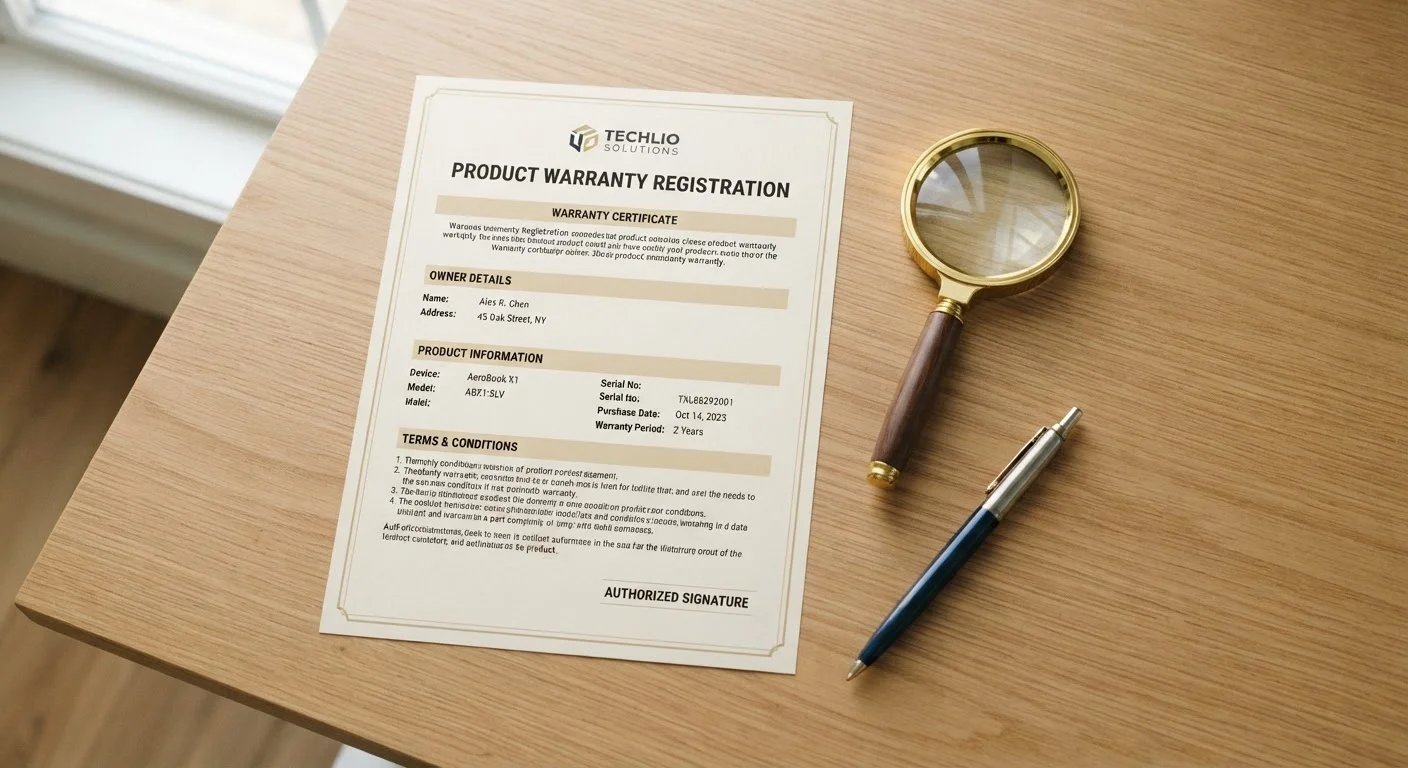
A warranty is a written legal commitment, typically from a manufacturer, stating that a product will function as intended for a defined period. If it doesn't, the manufacturer agrees to repair or replace it - usually at no additional cost to you, though limited warranties may shift some costs onto the consumer.
There are two broad categories: express warranties (explicitly stated in writing) and implied warranties (automatically created by law when goods are sold). The implied warranty of merchantability - the basic expectation that a product does what it's meant to do - applies in most states even if nothing is written down.
For a deeper breakdown of manufacturer, extended, and implied warranty types, see our plain-language warranty explainer.
~40%
Consumers who read warranty terms before buying
Consumer research consistently finds that fewer than half of buyers review warranty documentation before completing a purchase, leaving many unaware of key exclusions.
1 year
Typical manufacturer warranty duration on electronics
Most consumer electronics carry a one-year limited manufacturer warranty as an industry baseline, though terms and coverage vary significantly by product category.
What 'Guarantee' Really Means
The word "guarantee" appears constantly in advertising, but it carries less legal precision than a formal warranty. In everyday use, a guarantee is a seller's promise that a product will perform as described - or that the buyer can get their money back. Some guarantees are backed by specific written terms; others are essentially marketing language.
When a company advertises a "satisfaction guarantee," check the fine print. What counts as satisfaction? How long do you have to claim it? Do you need proof of purchase? Without clear answers, a guarantee may be difficult to enforce.
The Federal Trade Commission (FTC) requires that guarantees and warranties on consumer products be available for inspection before purchase, so if a seller won't show you the terms, that's a red flag.
How Return Policies Work - and Where They Fall Short
A return policy is the retailer's rulebook for taking merchandise back. Unlike warranties, return policies are not regulated by a single federal law - they're set by individual businesses and can vary dramatically. One store might accept returns for 90 days with no questions asked; another might offer store credit only, or exclude certain product categories entirely.
Return policies apply whether or not a product is defective. That's both their strength and their limitation. You can often return something simply because you changed your mind - but only within the retailer's window and under their conditions. Once that window closes, a defective product shifts to warranty territory.
If you're buying a big-ticket item, weighing the value of extended warranty coverage becomes especially relevant once the standard return window closes.
What Can Void Your Coverage
All three protections have conditions that can eliminate your right to a remedy. For warranties, the most common triggers include: performing unauthorized repairs, using a product outside its stated purpose, neglecting required maintenance, or failing to register the product when registration is required. Physical misuse and damage from accidents are almost universally excluded.
Return policies can be voided by removing tags, opening sealed items (especially software or media), or missing the return window. Guarantees typically lapse if you can't provide proof of purchase or if the product shows signs of misuse.
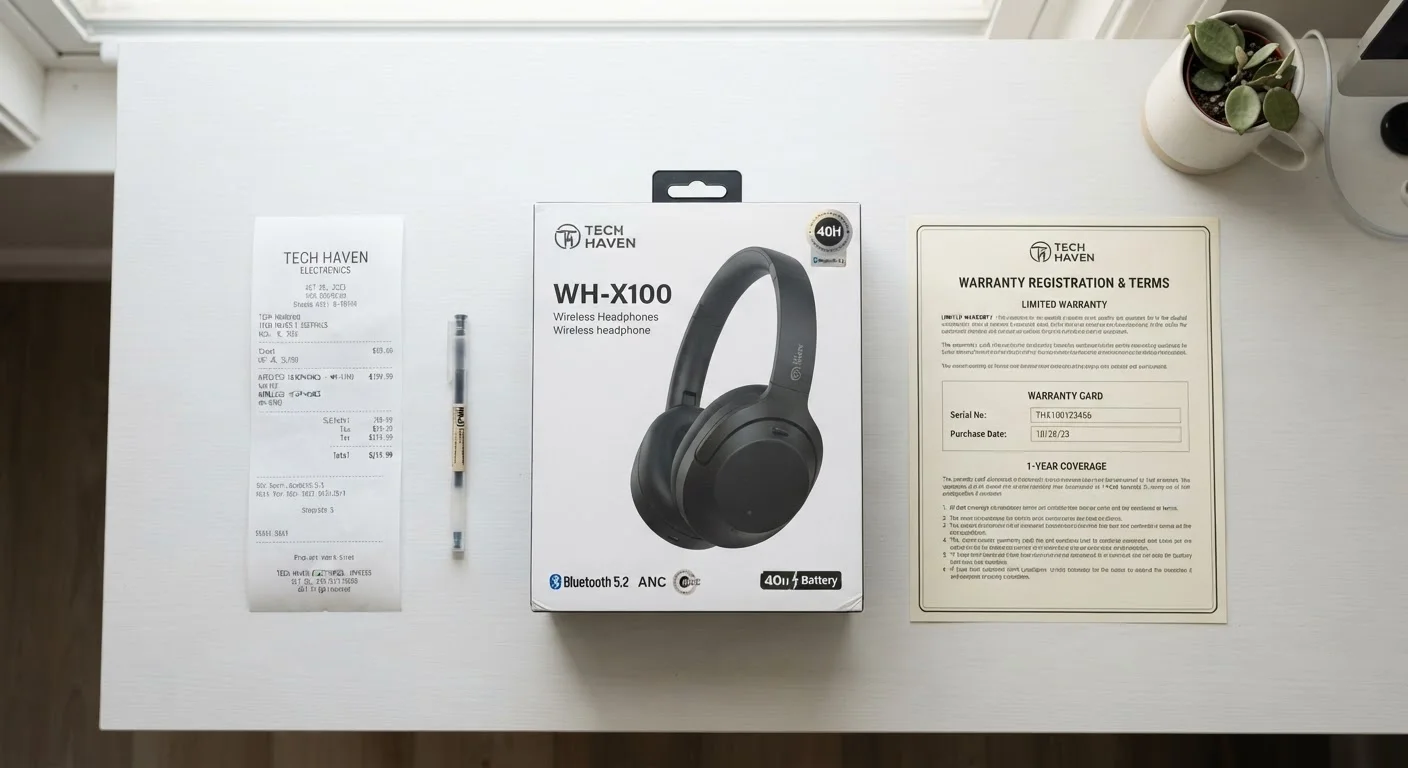
The practical rule: keep your receipt, retain original packaging until you're certain you're satisfied, and read the warranty document before you need it - not after something breaks.
Questions to Ask Before You Buy
Informed shoppers treat pre-purchase questions as standard practice. Before finalizing any significant purchase, consider asking:
- Is this a full or limited warranty, and who administers it - the manufacturer or a third party?
- What exactly is excluded from coverage?
- Does the warranty require registration, and what's the deadline?
- What is the retailer's return window, and are there restocking fees?
- If there's a satisfaction guarantee, what are the specific conditions?
These protections also matter in specific contexts. For example, the coverage differences between new, used, and certified pre-owned vehicles are significant and worth understanding before signing any paperwork.
Consumer protection laws vary by state, so if you believe a warranty or guarantee has been unfairly denied, your state attorney general's office or a consumer protection attorney can advise on your options. This article provides general educational information only and is not legal advice.