How Leasing and Buying Actually Work
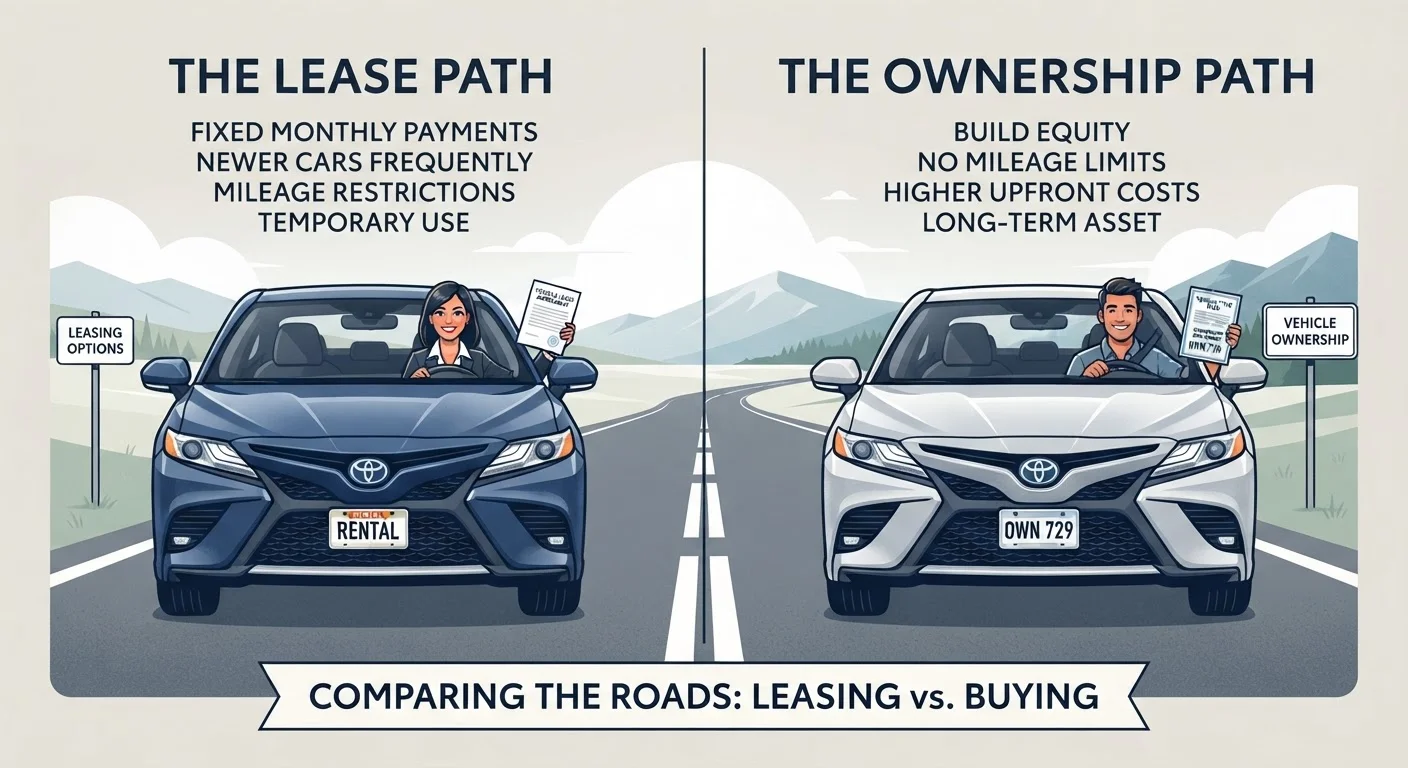
When you lease a car, you are essentially renting it from a dealership or leasing company for a fixed term - typically 24 to 36 months. You pay for the vehicle's depreciation during that period, plus fees and interest (called the money factor). At the end of the lease, you return the car or, in some cases, purchase it at a predetermined residual value.
When you buy a car, you either pay the full purchase price upfront or finance it through a loan. Every payment reduces your outstanding balance, and when the loan is satisfied, you own the vehicle free and clear. For a broader look at what ownership entails from purchase to resale, see Car Ownership Across the Full Lifecycle.
The structural difference matters: leasing is a use arrangement, while buying is an acquisition. That distinction drives almost every trade-off between the two paths.
| Criterion | Leasing | Buying |
|---|---|---|
| Monthly payment | Generally lower | Generally higher |
| Ownership at end of term | No - return or repurchase | Yes - vehicle is yours |
| Mileage limits | Yes - overage fees apply | None |
| Modification freedom | Restricted by contract | Unrestricted |
| Warranty coverage | Typically covers full term | Expires; repair costs shift to owner |
| Long-term cost | Higher if you always lease | Lower once loan is paid off |
| Equity building | None | Yes - resale or trade-in value |
| Flexibility to exit early | Difficult; early exit fees apply | Can sell or trade in anytime |
Monthly Costs, Total Costs, and the Equity Question
Lease payments are almost always lower than loan payments on the same vehicle. That's because you're only financing the depreciation - not the full value of the car. For budget-conscious drivers, that gap can free up meaningful monthly cash flow.
However, monthly payment comparisons can be misleading. With a loan, each payment builds toward an asset. With a lease, payments build no ownership interest whatsoever. After three years of leasing, you start over. After three years of buying, you're closer to owning the vehicle outright.
~$600
Average new car monthly loan payment (2024)
According to Experian's State of the Automotive Finance Market report, the average new vehicle loan payment reached approximately $600 per month in 2024.
~$100-$150
Typical monthly savings with a lease vs. loan
Industry analysts generally estimate lessees pay meaningfully less per month than buyers financing the same vehicle, though terms vary widely by model and credit profile.
49%
Share of new vehicles financed with a loan
Experian data indicates that roughly half of all new vehicle transactions in the U.S. are financed through traditional auto loans rather than leases or cash purchases.
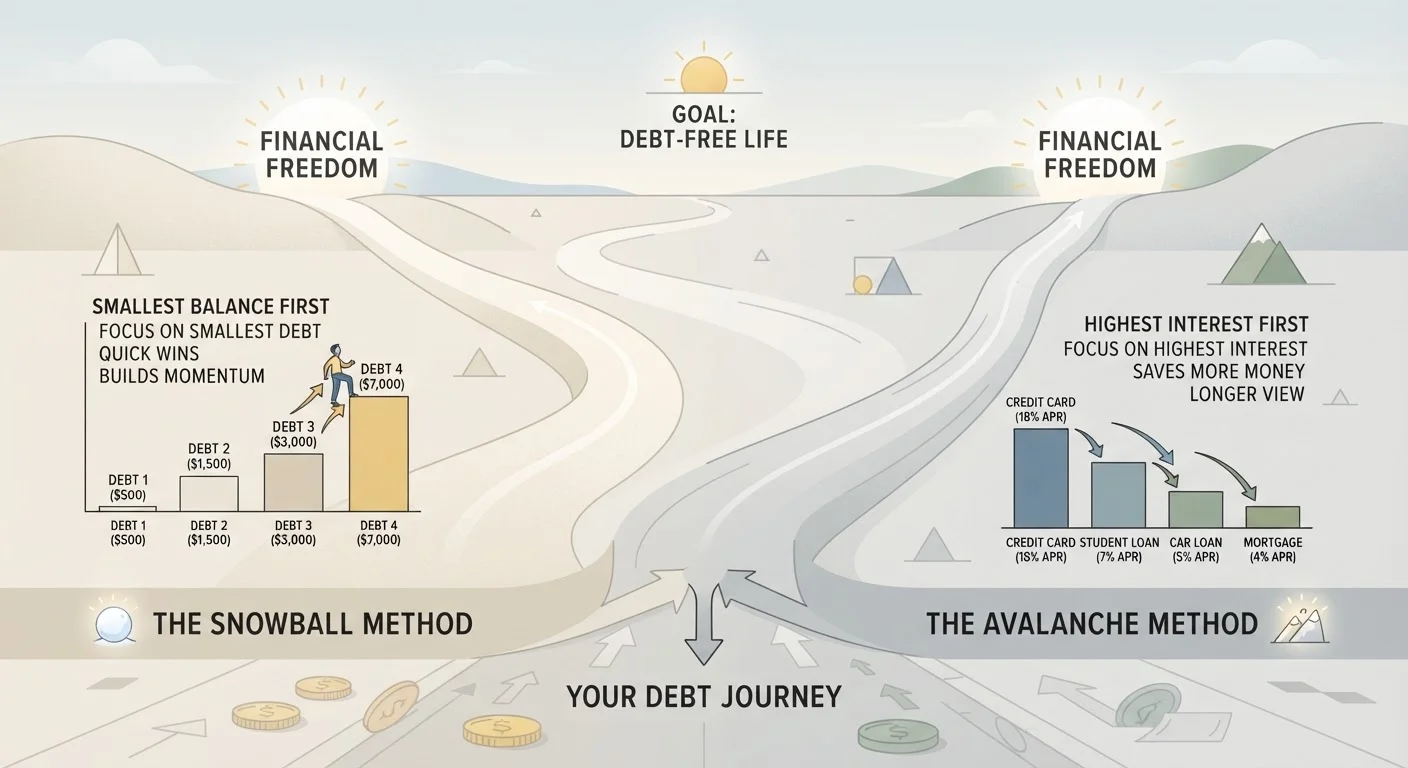
Over a longer horizon - say, ten years - a buyer who keeps a paid-off vehicle drives essentially for the cost of maintenance and insurance alone. That's a fundamental long-term cost advantage for ownership. For drivers who carry balances on multiple financial obligations, understanding the full cost picture matters; consider reading how debt repayment strategies work as a complementary resource.
Mileage, Wear, and Restrictions
Lease agreements include annual mileage caps - commonly 10,000, 12,000, or 15,000 miles per year. Exceeding those limits triggers per-mile overage charges that typically range from 10 to 25 cents per mile, depending on the contract. For high-mileage drivers, those fees can substantially erode any monthly payment savings.
Leases also require the vehicle be returned in acceptable condition. Normal wear and tear is expected, but dents, interior damage, or worn tires beyond defined thresholds can result in end-of-term charges. Buyers face no such reckoning - the condition of a purchased vehicle only affects resale value, which the owner controls.
Modifications are similarly restricted under most lease contracts. If customizing your vehicle matters to you, ownership is the practical path. For drivers operating in urban environments where vehicle use patterns differ, owning a car in a major city covers how city-specific factors shape these decisions.
Maintenance, Warranties, and Unexpected Costs
One underappreciated advantage of leasing is timing. Most lease terms are structured to coincide with the manufacturer's warranty period, meaning the vehicle is covered for most mechanical repairs throughout the lease. Lessees rarely encounter major out-of-pocket repair bills during the term.
Buyers, by contrast, take on the full risk of repair costs as the vehicle ages past its warranty. Extended warranties can provide some buffer - the case for and against extended warranties is worth understanding before financing a purchase. Consistent maintenance is essential either way; routine car maintenance covers what owners should stay on top of to protect the vehicle's value and reliability.
Buyers who finance through a loan should also compare their options carefully. Dealer financing versus bank or credit union lending can differ significantly in interest rates and terms, directly affecting total cost of ownership.
This article provides general information about vehicle financing structures and is not intended as personalized financial or legal advice. Consult a qualified financial professional for guidance specific to your situation.