
The Urban Ownership Equation
Owning a car in New York, Chicago, Los Angeles, or any other major American city is a fundamentally different financial and logistical exercise than ownership in a suburb or small town. Some costs spike dramatically. Others stay roughly the same. And a few expenses that rural drivers never think about become significant monthly line items for city dwellers.
The true cost of owning a car in America includes depreciation, insurance, fuel, and maintenance - and all of those factors are reshaped by a dense urban environment. Understanding exactly what changes, and what doesn't, helps drivers make smarter decisions about whether urban car ownership makes sense for their situation.
Insurance premiums climb with your ZIP code
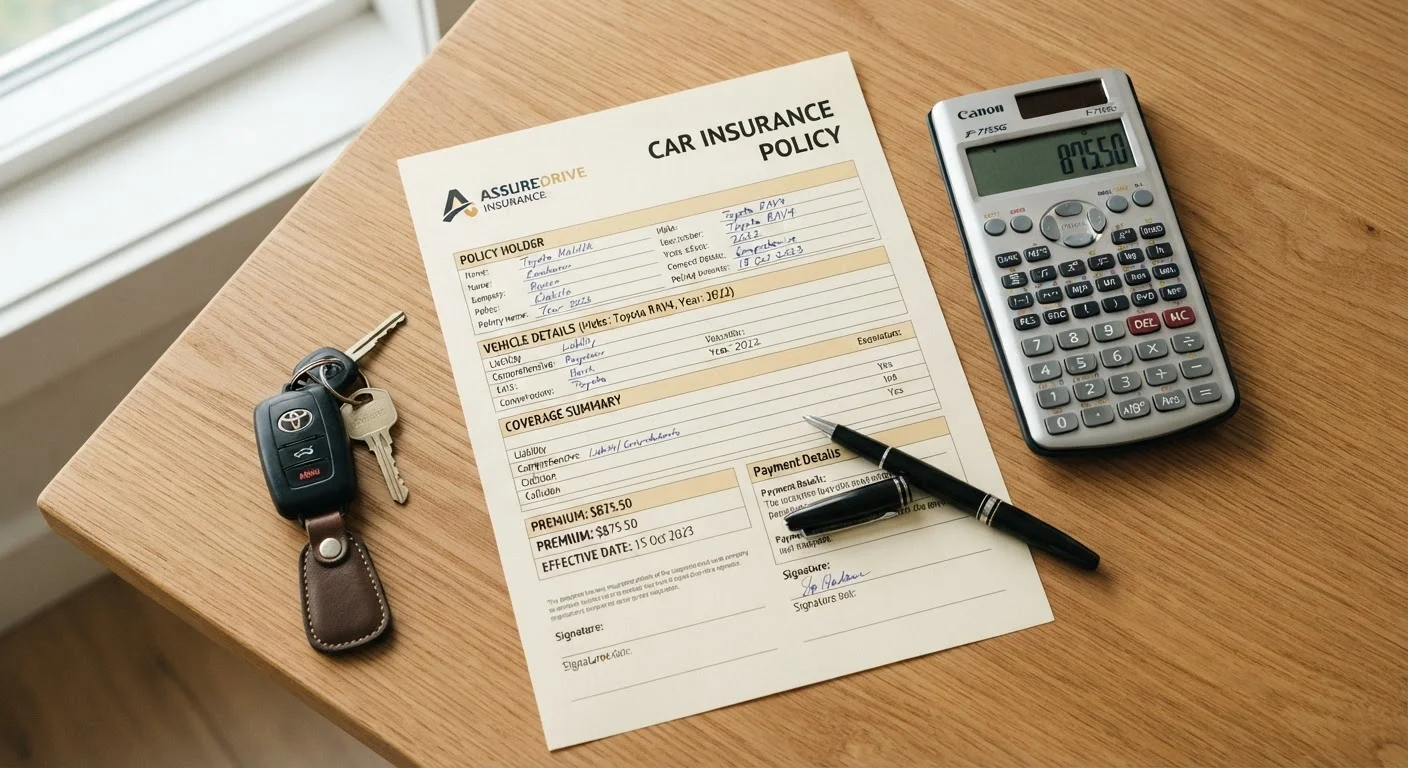
Car insurance is one of the starkest cost differences between urban and non-urban ownership. Insurers price premiums using ZIP code as a primary variable because local data on theft rates, accident frequency, vandalism, and claims density directly shapes expected risk. Dense city ZIP codes routinely carry materially higher premiums than comparable coverage in suburban or rural areas.
Your driving record, vehicle type, and coverage level still matter - but they interact with the underlying location rating. A driver who moves from a mid-sized town to a major city may see their insurance costs rise noticeably even without changing anything else about their profile. Understanding how car insurance premiums are actually calculated can help urban drivers identify what's within their control.
A ZIP code change alone can raise insurance costs substantially without any change in driving behavior.
Parking is a genuine recurring cost
In most of suburban and rural America, parking is free and abundant. In a major city, it becomes a real budget line item. Monthly garage contracts in dense metro areas can run from a few hundred dollars to well over $500 per month in the most expensive neighborhoods. Street parking, where available, may require a residential permit - and those rules vary block by block.
Street-cleaning schedules, alternate-side parking rules, and timed zones mean that city drivers need to actively manage where their vehicle sits. Parking tickets are a predictable cost for those who don't. Drivers relocating from less dense areas often underestimate this dimension entirely.
Monthly parking garage fees in dense urban areas can rival a car payment in their own right.
Local regulations add real complexity
Cities layer on regulations that don't exist elsewhere. Congestion pricing - charging drivers a fee to enter certain high-traffic zones - has been implemented in some major cities and is being considered in others. Emissions inspections may be stricter, low-emission zones may restrict older vehicles, and some cities require city-specific registration stickers or permits in addition to state registration.
Understanding the local regulatory environment before bringing a vehicle into a new city is important. Zoning and land-use policies also shape where parking structures exist and what residential areas allow - concepts explored in our article on how zoning laws influence housing and infrastructure.
Congestion pricing, low-emission zones, and permit districts can restrict when and where city drivers operate.
Transit alternatives genuinely change the math
One major variable suburban drivers rarely weigh is whether a car is actually needed for daily commuting. In cities with robust subway, bus, or light-rail systems, a car may go unused on most weekdays - meaning it accumulates fixed costs (insurance, parking, registration) while delivering less utility per dollar than it would in a car-dependent suburb.
This doesn't make owning a car wrong, but it does change the break-even logic. Some urban households find that combining transit for routine trips with occasional car rentals or rideshares for less-served routes is more cost-effective than year-round ownership. Others find their specific routes or schedules make a personal vehicle irreplaceable.
When transit handles most daily trips, a car's fixed costs may outweigh the utility it delivers.
Maintenance and depreciation stay largely constant
Not everything changes. Depreciation - the largest single cost of car ownership for most drivers - is driven primarily by age, mileage, and vehicle type, not by city location. A car that depreciates 15-20% in its first year does so whether it's parked in Chicago or central Kansas.
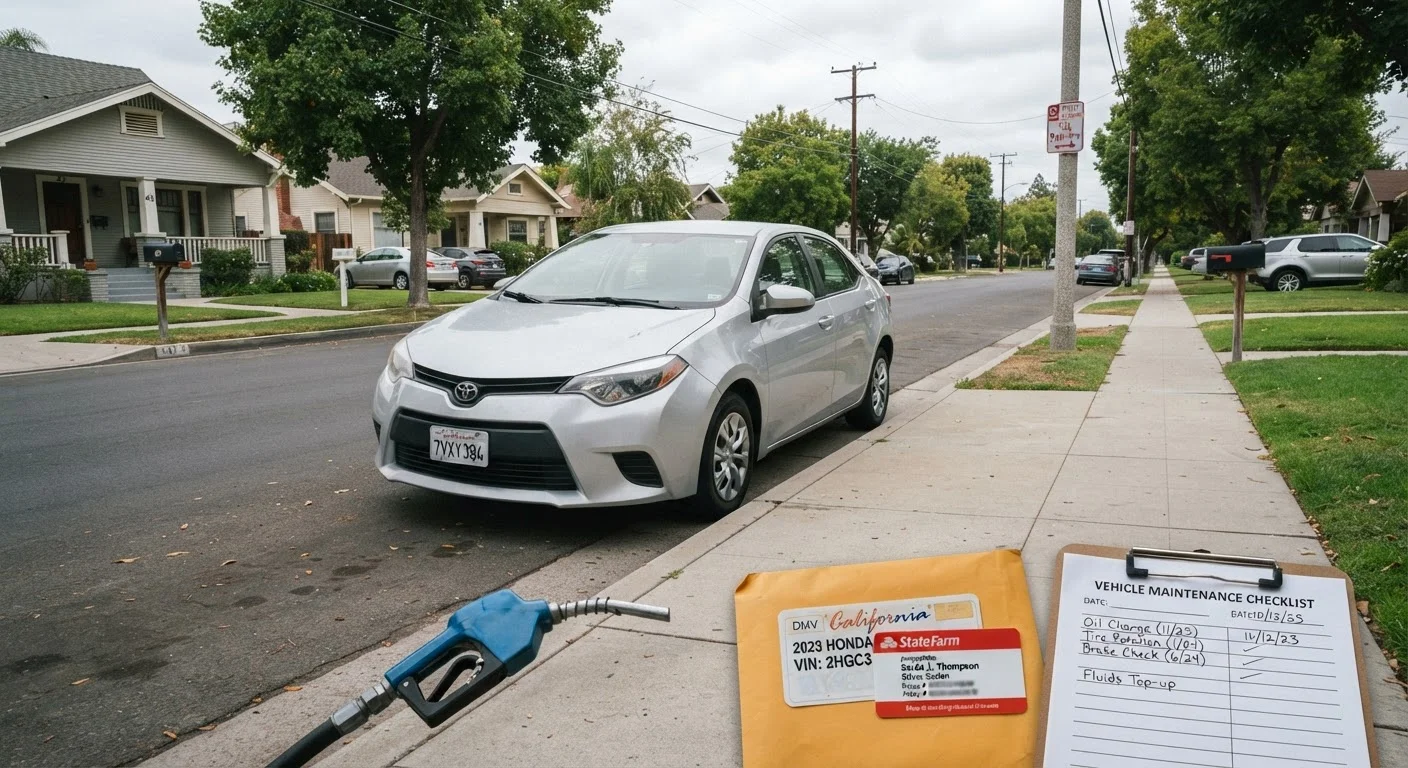
Similarly, routine maintenance schedules - oil changes, tire rotations, brake inspections, filter replacements - are determined by mileage and time, not geography. City driving with lots of stop-and-go traffic can wear brakes and tires somewhat faster, but the core maintenance requirements remain consistent. The underlying mechanical reality of owning a vehicle doesn't disappear because you're in a dense metro area.
Depreciation and routine maintenance costs follow the vehicle itself, not the city it happens to live in.
Fuel costs shift - but not always upward
City drivers often log fewer annual miles than their suburban or rural counterparts, particularly if transit handles commuting. Lower mileage can mean lower fuel costs overall, even if urban stop-and-go driving reduces fuel efficiency per mile compared to highway driving. The net effect depends heavily on individual driving patterns.
What does increase is the wear and tear on fuel-related systems - urban idling and frequent acceleration cycles put more stress on transmissions, cooling systems, and brakes. Drivers moving from highway-heavy routes to city-heavy ones may notice their vehicle requires more frequent attention to these systems, even if their odometer climbs more slowly.
Lower annual mileage can partially offset urban fuel inefficiency, depending on how much transit replaces driving.
Making the Urban Car Decision
None of this means owning a car in a major city is a bad decision - for many people, it remains the right one. Shift workers, families with children, drivers with disabilities, or anyone whose routes aren't well-served by transit may find a car indispensable. The key is going in with accurate expectations rather than assumptions formed in a suburban context.
Calculate Your Actual Cost Before Committing
Before keeping or acquiring a car in a major city, total up all fixed annual costs: insurance, parking, registration, and an estimated maintenance reserve. Divide by your estimated annual trips by car. If that per-trip cost is very high relative to what transit or rideshare would cost for the same trips, the math may favor a different approach. This exercise doesn't have a universal answer, but it makes the trade-off visible and concrete.
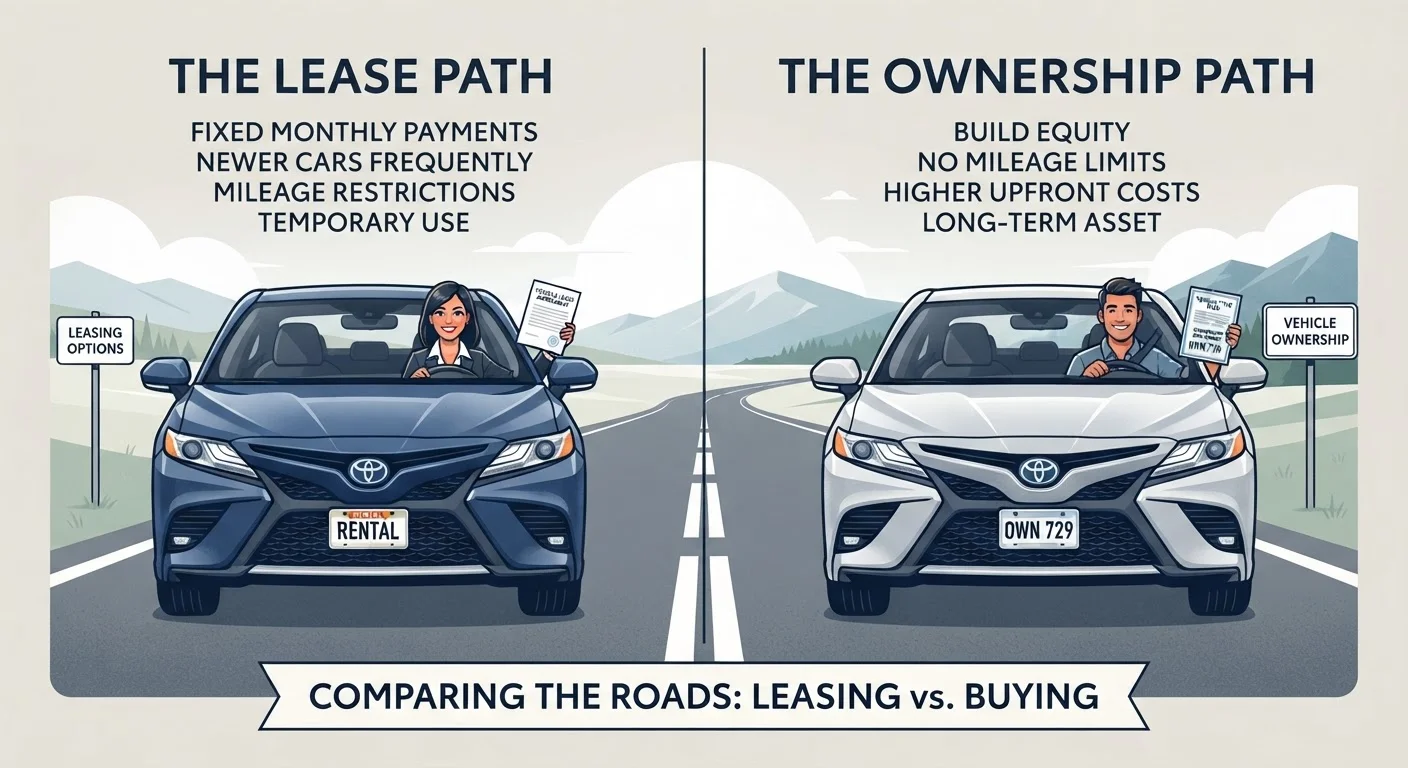
For those on the fence, it's worth thinking honestly about how often the car would actually move. A vehicle parked most of the week while absorbing insurance, registration, and parking costs may be a poor investment for some urban households. For others, the flexibility and time savings are worth every dollar. That calculus is personal - but it should be an informed one. See our comparison of leasing and buying for additional perspective on structuring urban ownership in a way that matches your actual driving habits.