Why the Sticker Price Is Just the Starting Point
Most car shoppers focus on the purchase price or monthly payment - and it's easy to understand why. Those numbers are front and center in every advertisement and dealer conversation. But the sticker price represents only a fraction of what you'll actually spend over the life of a vehicle.
Researchers and consumer advocates use the term total cost of ownership (TCO) to capture the full financial picture. Understanding TCO before you buy or lease is one of the most impactful decisions you can make as a driver. For a broader look at how TCO applies to major purchases, see the number shoppers almost always forget.
The costs that make up TCO fall into two categories: fixed costs, which you pay regardless of how much you drive, and variable costs, which scale with your mileage and usage.
The Big Five Cost Categories
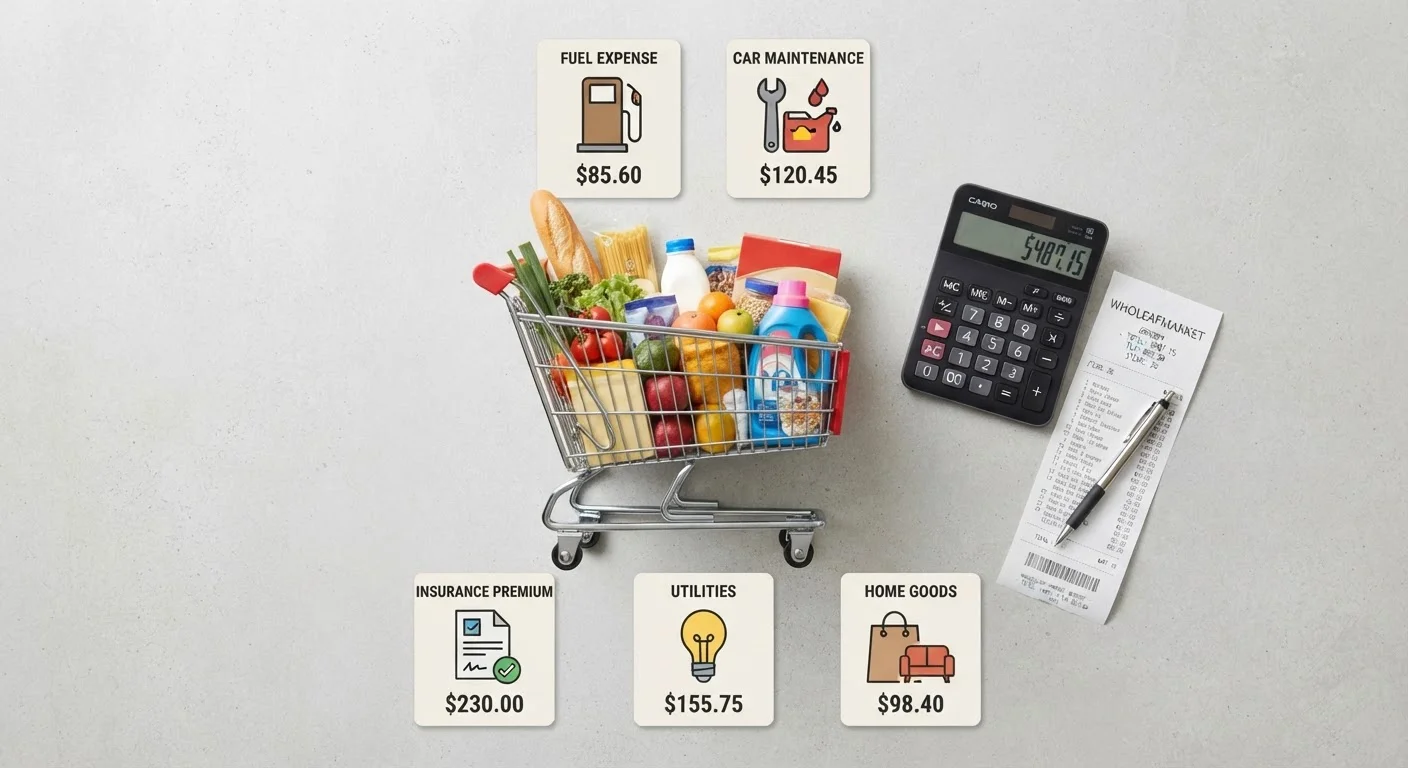
Breaking car ownership costs into their major components makes the full picture easier to grasp.
1. Depreciation
Depreciation - the decline in a vehicle's market value - is consistently the largest single expense for most car owners. A new vehicle can lose 15-25% of its value within the first year, and roughly 50% within five years, though rates vary by make, model, and market conditions. This loss is real even if you never sell the car, because it represents wealth that disappears over time.
2. Financing Costs
If you finance your purchase, interest charges add meaningfully to the total amount you pay. The interest rate, loan term, and amount financed all affect the final cost. Longer loan terms lower monthly payments but increase total interest paid.
3. Insurance
Auto insurance is both legally required in nearly every state and a significant annual expense. Premiums depend on your driving record, vehicle type, location, coverage levels, and other factors. Urban drivers typically pay more - a topic explored further in owning a car in a major city.
4. Fuel
Fuel is one of the most visible ongoing costs, fluctuating with both gas prices and your driving habits. Fuel efficiency (measured in miles per gallon) has an outsized long-term effect: a vehicle that gets 25 MPG versus 35 MPG can cost hundreds of dollars more per year to fuel at average American mileage levels.
5. Maintenance and Repairs
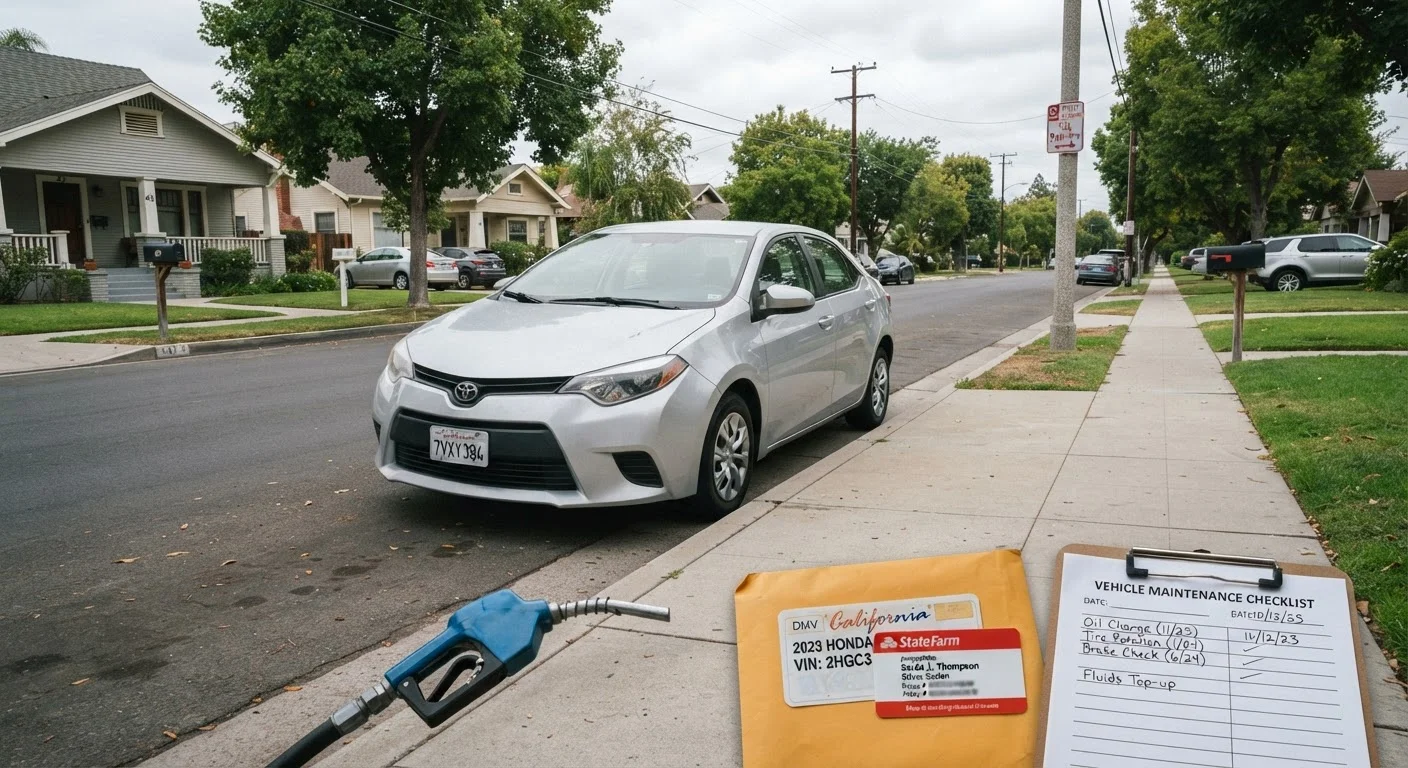
Scheduled maintenance - oil changes, tire rotations, brake inspections, and fluid checks - is an investment that prevents far more expensive repairs down the line. Unexpected repairs are harder to predict but should be budgeted for, especially as a vehicle ages. The car maintenance hub offers guidance on keeping your vehicle running reliably.
$10,000+
Average annual cost to own and operate a new vehicle
According to AAA's annual 'Your Driving Costs' study, which accounts for depreciation, insurance, fuel, maintenance, and financing.
~50%
Value a new car may lose in its first five years
Depreciation rates vary by vehicle type and market conditions, but this range reflects commonly cited industry estimates.
15,000
Average miles driven per year by American motorists
The Federal Highway Administration reports this figure as an approximation of average annual vehicle miles traveled per driver in the US.
Fees, Taxes, and the Costs People Forget
Beyond the big five, several less-visible expenses add up over time. State and local taxes at the point of sale can add thousands of dollars to the purchase price. Annual registration fees vary widely by state. Tires - typically replaced every 40,000-70,000 miles depending on type and driving style - represent a recurring cost that is easy to overlook when budgeting.
Parking and tolls are highly location-dependent but can be substantial. Drivers in dense metro areas may spend hundreds or even thousands of dollars annually on parking alone, making the total cost of urban ownership meaningfully higher than suburban or rural ownership.
Roadside assistance, car washes, and accessories round out the picture. None of these is individually large, but together they contribute to the gap between what people expect to pay and what they actually spend.
How Ownership Stage Affects What You Pay
The cost of owning a car is not constant - it shifts significantly depending on where you are in the ownership lifecycle. New vehicles carry the heaviest depreciation burden and often higher insurance costs, but typically require less maintenance. As a vehicle ages, depreciation slows, but maintenance and repair costs generally trend upward.
This dynamic is one reason financial analysts often point to vehicles in the three-to-seven-year-old range as a potential sweet spot: the steepest depreciation has already occurred, yet the vehicle may have considerable reliable life remaining. That said, condition, mileage, and service history matter enormously - there is no universal rule.
For a comprehensive view of what ownership looks like from purchase through eventual sale or trade-in, see car ownership across the full lifecycle.
Making Smarter Ownership Decisions
Understanding the true cost of ownership doesn't mean the answer is always to avoid buying a car. For most Americans, a personal vehicle remains essential. What this knowledge does is help you make more informed choices - about which vehicle to buy, how to finance it, how long to keep it, and how to maintain it.
Comparing the TCO of two vehicles - not just their purchase prices - often reveals surprises. A less expensive vehicle with poor fuel economy and higher insurance costs may cost more over five years than a pricier vehicle with lower operating expenses.
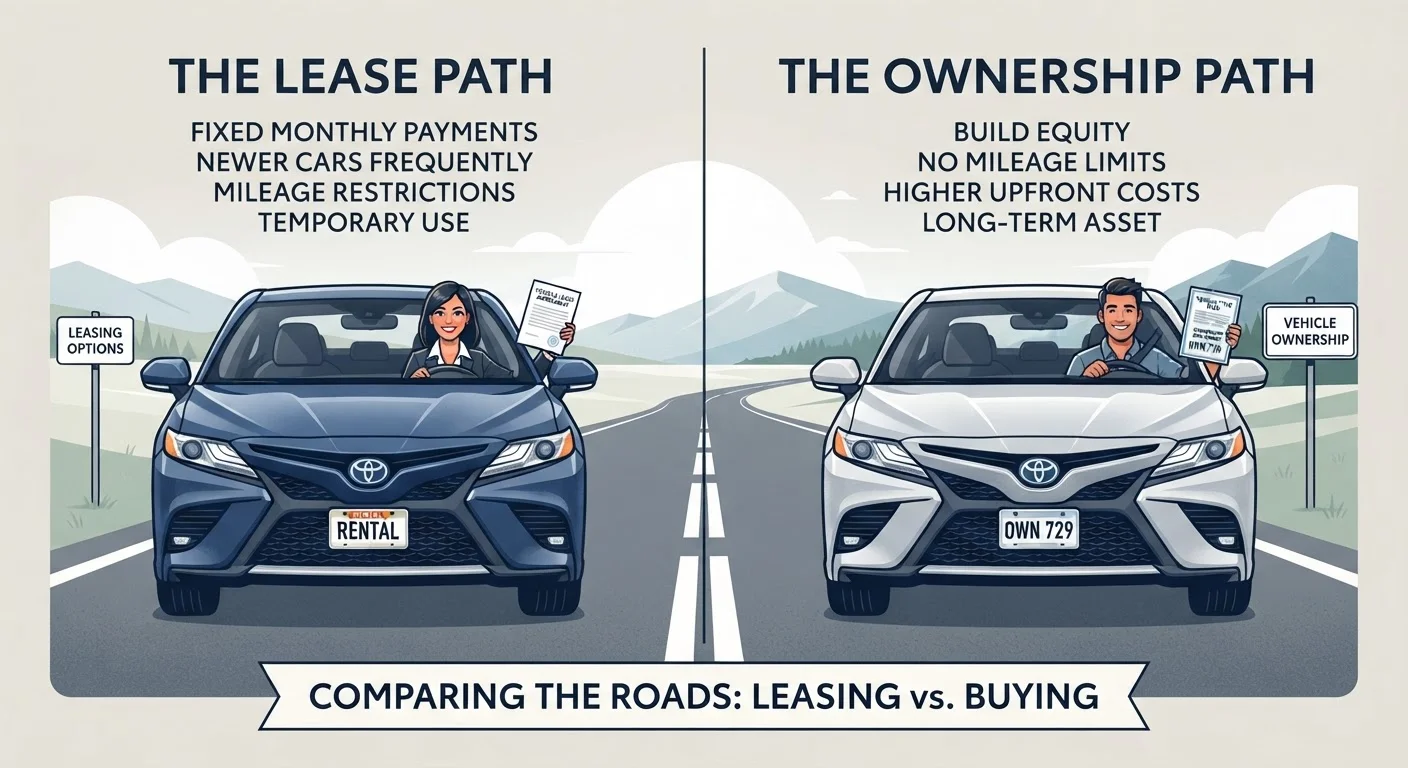
If you're weighing whether to buy or lease, a side-by-side comparison of leasing and buying can help clarify which structure aligns with your situation. And if you've encountered conflicting advice about car costs, separating fact from fiction in common car ownership myths addresses widely repeated beliefs with evidence-based answers.
The most important shift is simply this: look past the monthly payment and consider the full financial commitment. Drivers who do tend to make choices they're more satisfied with - both in the short term and over the life of the vehicle.