
Why Car Ownership Myths Persist
Automotive folklore spreads for understandable reasons: advice passed down from parents, half-remembered tips from mechanics decades ago, and marketing language that blurs into conventional wisdom. Some myths were once grounded in real engineering realities - they just haven't kept pace with how much vehicles have changed. Others were never true at all. The cost of acting on bad information adds up, whether that's paying for premium fuel an engine doesn't need or avoiding an independent mechanic out of unwarranted warranty fear.
This article works through five of the most widely repeated car ownership beliefs and examines what the evidence actually shows. For related myth-busting in another domain, the same critical approach applies to car maintenance myths that are costing drivers money.
The Myths - and What's Actually True
The following pairs lay out each common belief alongside the accurate correction and the reasoning behind it. Whether the myth affects your fuel budget, insurance assumptions, or how you treat your engine on a cold morning, the corrections share a common theme: modern vehicles and modern regulations have made many old rules obsolete.
Myth
Using premium gasoline in any car will improve performance and engine health.
Fact
Premium fuel only benefits engines engineered to require higher octane - using it in a standard engine provides no measurable advantage.
Premium gasoline has a higher octane rating, which resists premature detonation (engine knock) in high-compression or turbocharged engines that are built to demand it. However, most everyday vehicles run on regular 87-octane fuel by design. Pouring premium into an engine that calls for regular delivers no extra power, no improved fuel economy, and no cleaning benefit - it just costs more per gallon. Always check your owner's manual: if it says "regular recommended," premium is unnecessary; if it says "premium required," skipping it can cause long-term engine damage.
Myth
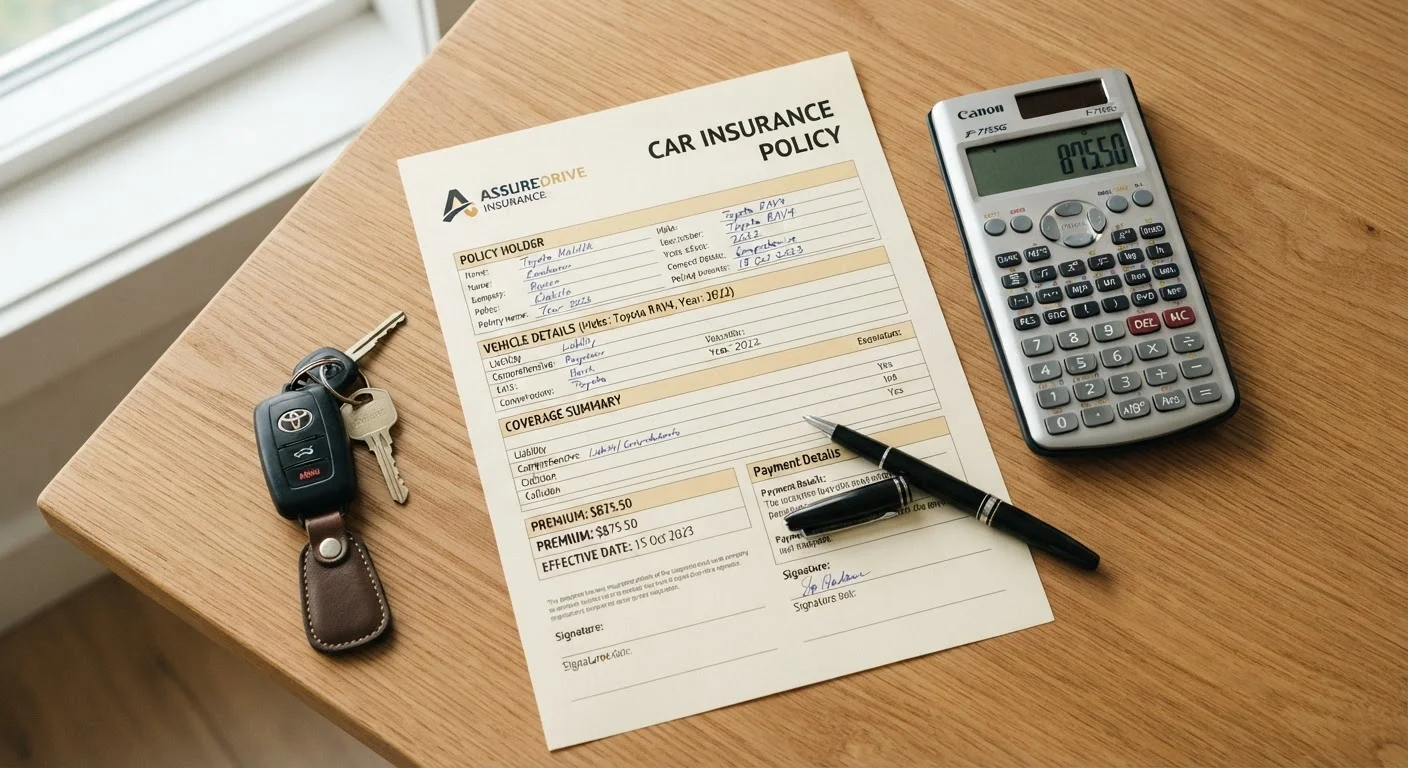
Red cars cost more to insure because insurers charge higher premiums for that color.
Fact
Auto insurers do not factor paint color into premium calculations - your vehicle's make, model, age, and your driving record are what matter.
This is one of the most durable myths in car ownership, but it has no basis in how insurance is actually priced. Underwriters assess risk using factors like the vehicle's safety ratings, repair cost data, the driver's history, location, and credit score in most states. Color simply isn't in the equation. For a thorough look at what actually moves your rate, see how car insurance premiums are actually calculated.
Myth
You must let your car idle for several minutes in cold weather to warm up the engine.
Fact
Modern fuel-injected engines reach operating temperature faster by being driven gently - prolonged idling is unnecessary and burns fuel without benefit.
Carbureted engines of past decades genuinely needed a warm-up period, but virtually every vehicle sold in the U.S. since the late 1980s uses electronic fuel injection, which adjusts automatically for cold starts. Idling for five or ten minutes doesn't warm the drivetrain, transmission, or tires - only gentle driving does that. The U.S. Department of Energy notes that excessive idling wastes fuel and increases engine wear over time. In cold conditions, a 30-second idle to clear the windshield is generally sufficient before driving off at moderate speeds.
Myth
Getting your car serviced outside the dealership voids the factory warranty.
Fact
Federal law - specifically the Magnuson-Moss Warranty Act - prohibits manufacturers from voiding a warranty solely because you used an independent shop.
Many drivers pay dealership labor rates unnecessarily under the false belief that independent mechanics will nullify their warranty. In reality, as long as the service performed meets manufacturer specifications and you retain receipts, you are legally protected. The Federal Trade Commission has published guidance on this point. What can affect your warranty is using parts or fluids that don't meet manufacturer standards, or skipping required maintenance intervals altogether. Keep records and use spec-compliant fluids and parts, and your warranty remains intact regardless of who turns the wrench. For a broader view of long-term ownership decisions, see car ownership across the full lifecycle.
Myth
High mileage automatically makes a used car unreliable and a bad deal.
Fact
Maintenance history, driving conditions, and vehicle make are far stronger predictors of reliability than mileage alone.
A well-maintained vehicle with 120,000 highway miles can easily outlast a neglected one with 60,000 city miles. Modern engines, with proper servicing, routinely exceed 200,000 miles. When evaluating a used car, prioritize a documented service history, a pre-purchase inspection by an independent mechanic, and a vehicle history report. Mileage is one data point, not a verdict. Understanding the true cost of owning a car in America can help contextualize whether a higher-mileage vehicle at a lower price genuinely saves money over time.
Check Your Owner's Manual First
For questions about fuel grade, oil type, or service intervals, your vehicle's owner's manual is the authoritative source - not general advice or dealership upsells. Manufacturer specifications are determined through engineering testing and reflect what your specific engine actually needs. Following them protects your warranty and your engine.
Making Confident, Informed Ownership Decisions
Separating myth from fact isn't just about saving money on premium gas - it shapes every layer of ownership, from routine maintenance decisions to used-car purchases. The most reliable source for vehicle-specific guidance remains your owner's manual, which reflects the engineering reality of your exact engine and drivetrain rather than generalized folklore.
When it comes to safety-related decisions, sound information matters even more. The driving and safety hub covers evidence-based practices for keeping yourself and others protected on the road. And for those evaluating oil type alongside these myths, engine oil types compared provides a clear breakdown of conventional, synthetic, and blend options.
Don't Skip Scheduled Maintenance
Dismissing service intervals because a myth suggests they're unnecessary can accelerate wear and void warranty coverage. Even if the 3,000-mile oil change rule is outdated for most modern vehicles, your manufacturer's actual recommended intervals still matter. Skipping them based on folklore is a costly mistake. Consult your owner's manual or a trusted mechanic for the schedule that applies to your car.
The throughline across all of these topics is the same: decisions grounded in verified information consistently outperform those built on received wisdom. Question the assumption, check the manual, and consult a qualified mechanic when in doubt.