Why Maintenance Matters from Day One
A car is one of the most expensive assets most Americans own, and like any mechanical system, it degrades faster when neglected. Consistent maintenance doesn't just prevent breakdowns - it protects your investment, supports fuel efficiency, and keeps you safer on the road.
The foundation of good car care is your owner's manual. Every vehicle comes with one, and it contains the manufacturer's specific service intervals, fluid specifications, and component tolerances for your exact make and model. Many first-time owners skip it, but it's the single most authoritative reference available to you. For a broader picture of what those intervals actually cover, see our guide to your car's maintenance schedule.
For more context on the full ownership experience - including insurance and purchase decisions - this overview for new drivers offers helpful groundwork before diving into maintenance specifics.
Key Fluids Every Owner Should Monitor
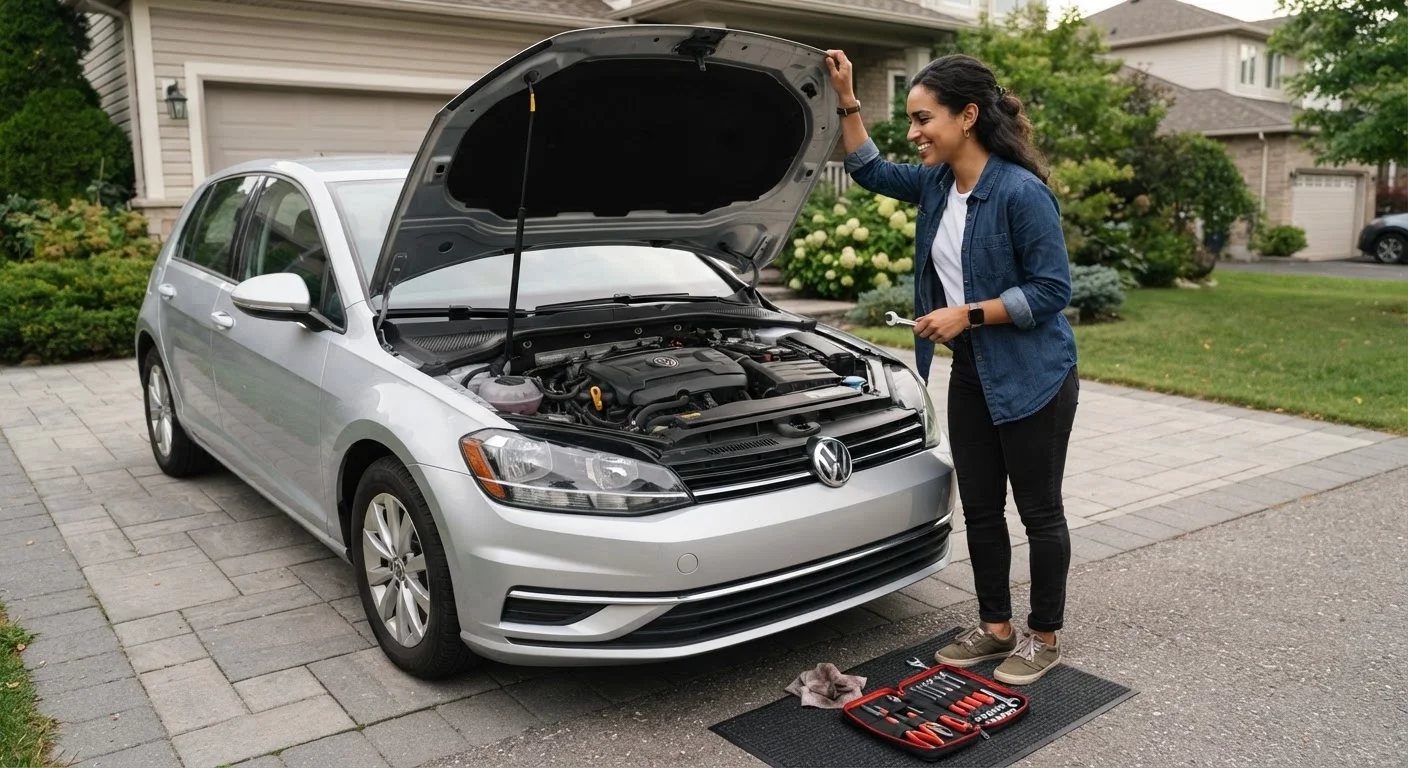
Your vehicle relies on several fluids to function safely. Checking these monthly takes under ten minutes and can prevent serious, expensive damage.
OBD-II
A standardized onboard diagnostics system built into all US vehicles made after 1996. It monitors engine and emissions sensors and stores trouble codes that mechanics or scanners can read when a warning light activates.
Dipstick
A long, thin metal rod inserted into the engine that allows you to check the oil level and condition without opening sealed components.
PSI
Pounds per square inch - the unit used to measure tire air pressure. Your vehicle's recommended PSI is found on a sticker inside the driver's door jamb.
Brake Master Cylinder
The component that converts your foot's pedal pressure into hydraulic force, pushing brake fluid through the lines to engage the brakes at each wheel.
Tread Depth
The depth of the grooves on a tire's surface. As tires wear down, reduced tread depth decreases grip, especially on wet roads, increasing braking distance.
Coolant (Antifreeze)
A fluid that circulates through the engine to regulate temperature - preventing overheating in summer and freezing in winter. It's typically a premixed water-and-glycol solution.
- Engine oil: Pull the dipstick (usually a brightly colored handle near the engine), wipe it clean, reinsert it fully, then pull again. The oil level should fall between the two markers. Also note the color - fresh oil is amber, while very dark or gritty oil signals it's due for a change.
- Coolant (antifreeze): Check the translucent overflow reservoir rather than opening the radiator cap directly, especially on a warm engine. The level should sit between the MIN and MAX lines.
- Brake fluid: Located in a small reservoir on top of the brake master cylinder. Low brake fluid can indicate worn brake pads or a leak - either warrants prompt attention.
- Power steering fluid and windshield washer fluid: Both are easy checks that take seconds and keep important systems functional.
Always match fluid types to your manufacturer's specifications. Using the wrong coolant mixture or brake fluid grade can damage components rather than protect them.
Tires, Brakes, and Filters: The Big Three
Beyond fluids, three maintenance areas have the most direct impact on safety and operating cost for everyday drivers.
Tires
Check tire pressure at least once a month and before long trips. Use the PSI figure on your driver's door jamb sticker - not the maximum PSI printed on the tire itself. Underinflated tires increase stopping distances, reduce fuel economy, and wear unevenly. Also inspect tread depth using a quarter: insert it into the tread with Washington's head pointing down. If you can see the top of his head, the tread is low and replacement is approaching.
Brakes
Squealing or grinding sounds during braking, a pulsating pedal, or a vehicle that pulls to one side when stopping are all signals that your brakes need inspection. Brake work carries real safety implications - if you're uncertain, have a qualified mechanic evaluate them. Our article on which tasks are worth doing yourself can help you decide where your skill level fits.
Air and Cabin Filters
The engine air filter prevents dust and debris from entering the engine. Most manufacturers recommend replacing it every 15,000 to 30,000 miles, though driving in dusty environments shortens that window. The cabin air filter cleans the air you breathe inside the car and is typically replaced annually. Both are generally straightforward swaps that don't require specialized tools.
Reading Warning Lights and Knowing When to Call a Pro
Photograph Your Dashboard Warning Lights
If a warning light appears and you're not sure what it means, take a quick photo before it disappears. This gives a mechanic accurate information and helps you look up the symbol in your owner's manual. Don't rely on memory alone - some symbols look similar but indicate very different problems.
Modern vehicles use an onboard diagnostics system (OBD-II) to monitor dozens of sensors and trigger dashboard warning lights when something falls outside normal parameters. Learning the most common ones prevents panic - and prevents you from ignoring something genuinely urgent.
| Light | What It Generally Indicates | Urgency |
|---|---|---|
| Check Engine | Emissions or engine sensor fault | Moderate (flashing = high) |
| Oil Pressure | Low oil pressure - stop driving soon | High |
| Battery | Charging system issue | Moderate to high |
| Tire Pressure (TPMS) | One or more tires underinflated | Low to moderate |
| Temperature | Engine overheating - pull over safely | High |
When a high-urgency light comes on, don't delay. Continuing to drive with low oil pressure or an overheating engine can cause irreversible engine damage within minutes. For non-urgent lights, a mechanic or a free OBD-II code read at many auto parts stores can identify the cause before you decide on next steps.
Building Your Maintenance Routine
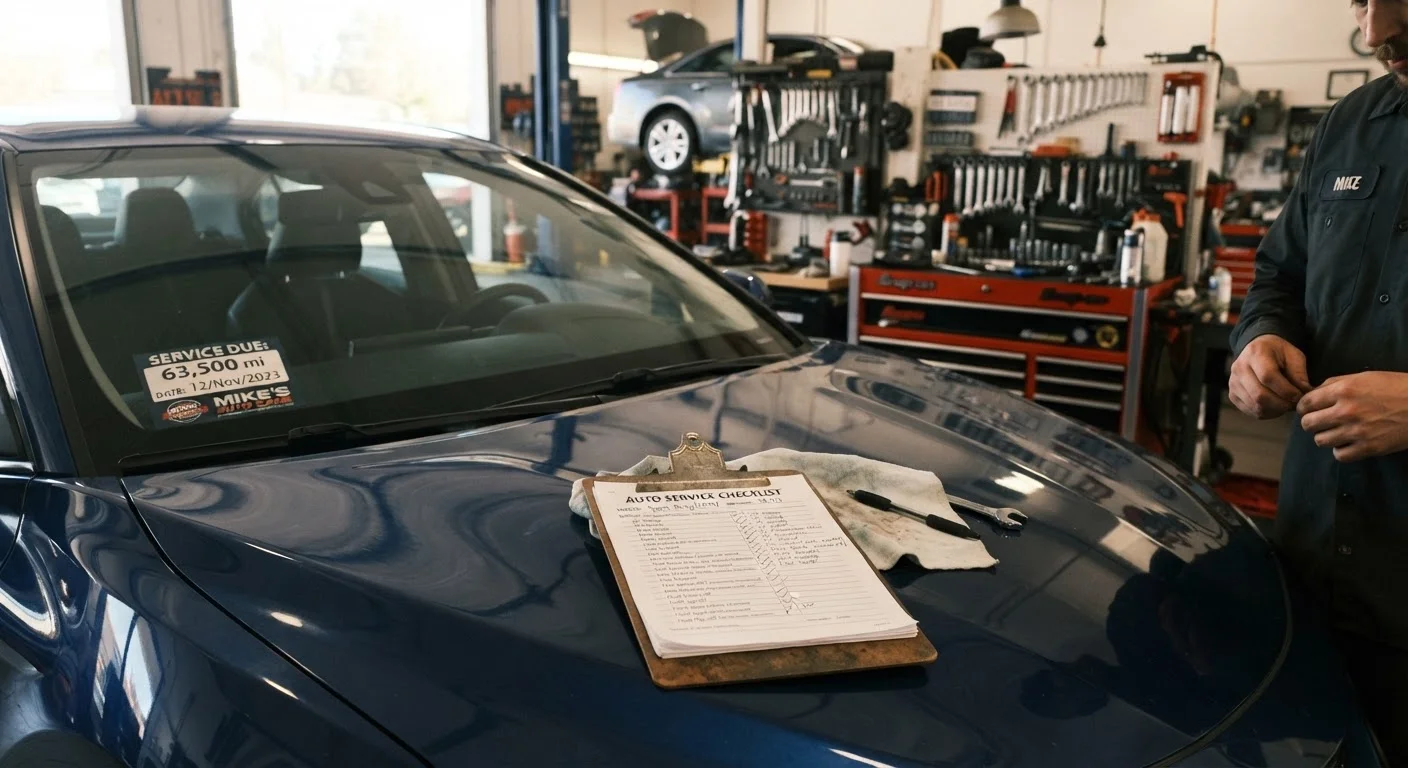
The most effective approach to car maintenance is a simple, consistent schedule rather than reactive repairs. Use your owner's manual to build a calendar of service intervals, and keep a small logbook - digital or paper - noting dates and mileage for each completed task.
A basic rhythm for most vehicles looks like this:
- Monthly: Check tire pressure, all fluid levels, and look for any new warning lights.
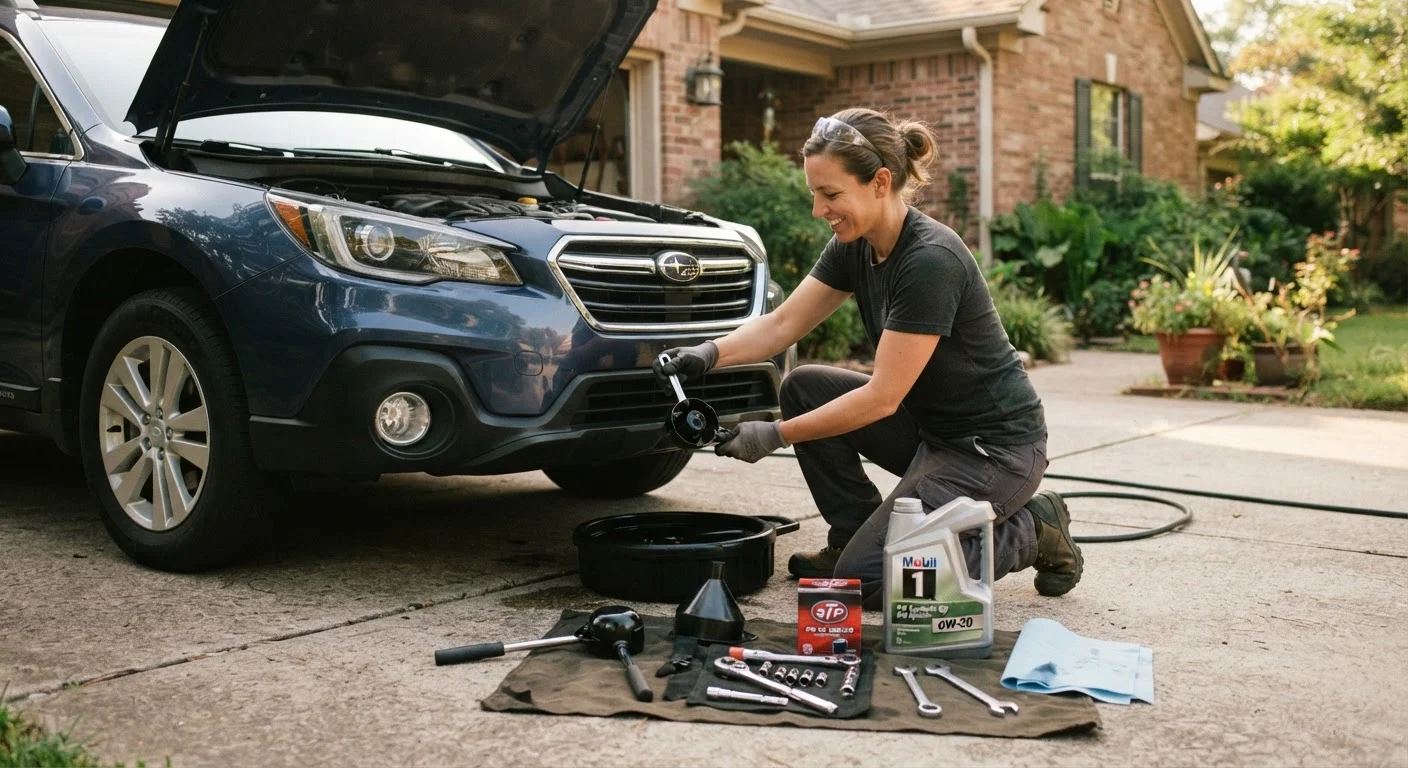
- Every 5,000-10,000 miles: Oil and filter change (per manufacturer spec); tire rotation.
- Annually or per mileage: Inspect brakes, replace air and cabin filters, check battery terminals.
- Every 2-3 years: Flush brake fluid, inspect belts and hoses, evaluate battery health.
As your confidence grows, resources like this lifecycle overview can help you plan ahead for larger costs. And for broader context on keeping a vehicle in top shape year after year, explore the Car Ownership hub for smart, practical guidance at every stage.
This article is for general informational purposes only. Always consult a qualified mechanic before performing any maintenance task you are unsure about, and defer to your vehicle's owner's manual for specifications specific to your model.