
Choosing the Right First Car
The most common mistake first-time buyers make is shopping by monthly payment rather than total value. A car that fits your monthly budget can still cost significantly more over time if its reliability record is poor, its insurance rates are high, or its fuel economy is low.
When evaluating vehicles, consider:
- Safety ratings from the National Highway Traffic Safety Administration (NHTSA) and the Insurance Institute for Highway Safety (IIHS)
- Reliability history - look for consistent data across model years, not just one strong year
- Insurance costs - get a quote before you commit, since premiums vary substantially by vehicle model
- Fuel economy - the EPA's fueleconomy.gov provides estimates that help you project annual fuel costs
Whether you buy new, used, or certified pre-owned depends on your financial situation. Used vehicles typically depreciate more slowly, but have a less predictable repair history. A pre-purchase inspection by a qualified mechanic is strongly recommended for any used vehicle.
Liability Coverage
A type of auto insurance that pays for damage or injuries you cause to other people or their property in an accident. It does not cover your own vehicle.
Depreciation
The reduction in a vehicle's market value over time. New cars typically lose value quickly in the first few years after purchase.
Negative Equity
When you owe more on your car loan than the vehicle is currently worth. This can happen when loan terms are long or the vehicle depreciates faster than the loan is paid down.
Title
A legal document issued by the state that identifies the official owner of a vehicle. It must be transferred to you when you buy a car.
Certified Pre-Owned (CPO)
A used vehicle that has passed a manufacturer-approved inspection and comes with a limited warranty, offering more assurance than a standard used car purchase.
Deductible
The amount you agree to pay out of pocket before your insurance coverage kicks in for a covered claim. A higher deductible typically lowers your monthly premium.
Understanding Auto Insurance
Auto insurance is not optional in almost every U.S. state - it is a legal requirement. At minimum, most states mandate liability coverage, which pays for damage and injuries you cause to others. Beyond the legal minimum, most financial advisors recommend considering additional coverage types.
- Collision coverage pays for damage to your vehicle from an accident, regardless of fault.
- Comprehensive coverage covers non-collision events like theft, weather damage, or hitting an animal.
- Uninsured/underinsured motorist coverage protects you if the at-fault driver has no or insufficient insurance.
Premiums for new and young drivers tend to be higher due to statistical risk. Your driving record, location, vehicle type, and chosen deductible all influence your rate. Shopping multiple insurers and reviewing your coverage annually is a sound practice.
Navigating Financing and Total Cost
Most first-time buyers finance their vehicle through a bank, credit union, or dealership. Understanding how auto loans work before you sign is essential - and a topic many new buyers underestimate.
Getting pre-approved through your bank or credit union before visiting a dealership gives you a clear spending ceiling and a benchmark interest rate. Dealership financing can be competitive, but it's easier to evaluate when you already have an offer in hand.
Pay close attention to the loan term. A longer term lowers your monthly payment but significantly increases the total interest paid. It can also leave you in a position where you owe more than the car is worth - a condition called being underwater or having negative equity.
For a deeper look at the mistakes that cost new buyers the most, see common financing mistakes first-time buyers make.
Get Pre-Approved Before You Shop
Securing a loan offer from your bank or credit union before visiting a dealership puts you in a stronger negotiating position. It establishes a clear budget and gives you a rate benchmark so you can evaluate any financing counter-offer objectively. Pre-approval does not obligate you to use that lender - it simply gives you leverage.
Registration, Titling, and Legal Basics
Once you complete a purchase, you have legal responsibilities that must be handled promptly. Requirements vary by state, but typically include:
- Title transfer - the seller signs over the title to you; you then file it with your state's DMV to establish legal ownership
- Vehicle registration - authorizes you to operate the vehicle on public roads; most states require this within 30 days of purchase
- Emissions or safety inspection - many states require proof of compliance before issuing registration
- License plates - you may receive a temporary tag at purchase while permanent plates are processed
Keep your registration, proof of insurance, and driver's license accessible in the vehicle at all times. These are the documents law enforcement will request during a traffic stop.
Essential Maintenance Every New Owner Should Know
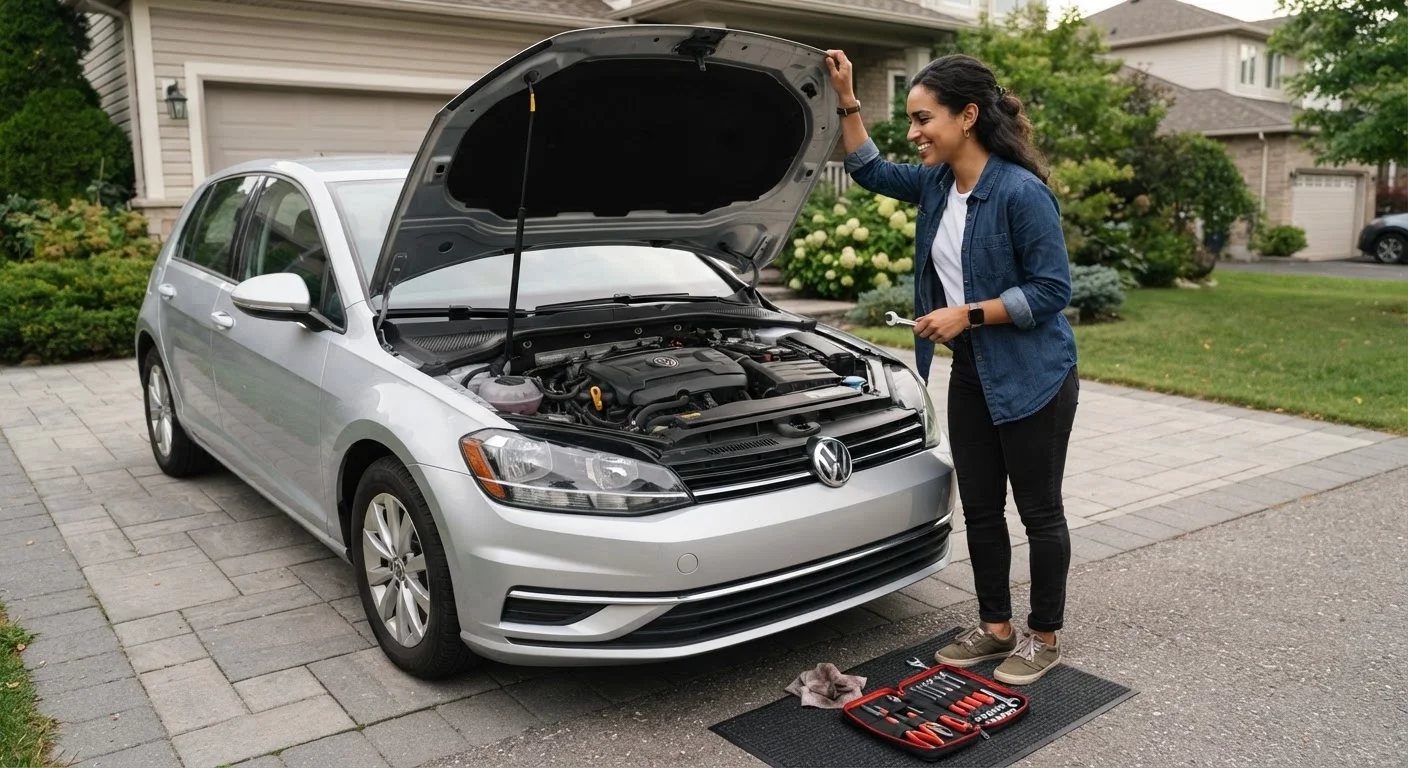
Routine maintenance is the most reliable way to protect both your safety and your investment. Neglecting basic upkeep is one of the leading causes of premature mechanical failure and unexpected repair bills.
Core tasks every new owner should understand:
- Oil changes - interval depends on whether your vehicle uses conventional or synthetic oil; always follow the owner's manual, not general folklore
- Tire rotation and pressure checks - proper inflation affects fuel economy, handling, and tire lifespan
- Brake inspection - brakes should be checked at least annually or whenever you notice squealing, vibration, or extended stopping distances
- Air filter replacement - a clogged engine air filter reduces performance and efficiency
- Fluid levels - coolant, brake fluid, and windshield washer fluid should be checked regularly
Your owner's manual contains the manufacturer's recommended maintenance schedule, which is the most authoritative source for your specific vehicle. For a more detailed walkthrough, see our practical maintenance primer for first-time owners.
Staying Safe on the Road
Legal driving ability and safe driving are not the same thing. New drivers are statistically at higher risk of crashes during their first years on the road, and most incidents stem from inexperience rather than recklessness.
Key habits that meaningfully reduce risk:
- Eliminate distractions - phones, eating, and in-car conversations all divert attention from the road
- Maintain safe following distances - the three-second rule is a commonly used minimum, though more space is needed at highway speeds or in adverse conditions
- Adjust for conditions - rain, fog, and ice require reduced speed and greater stopping distance regardless of posted limits
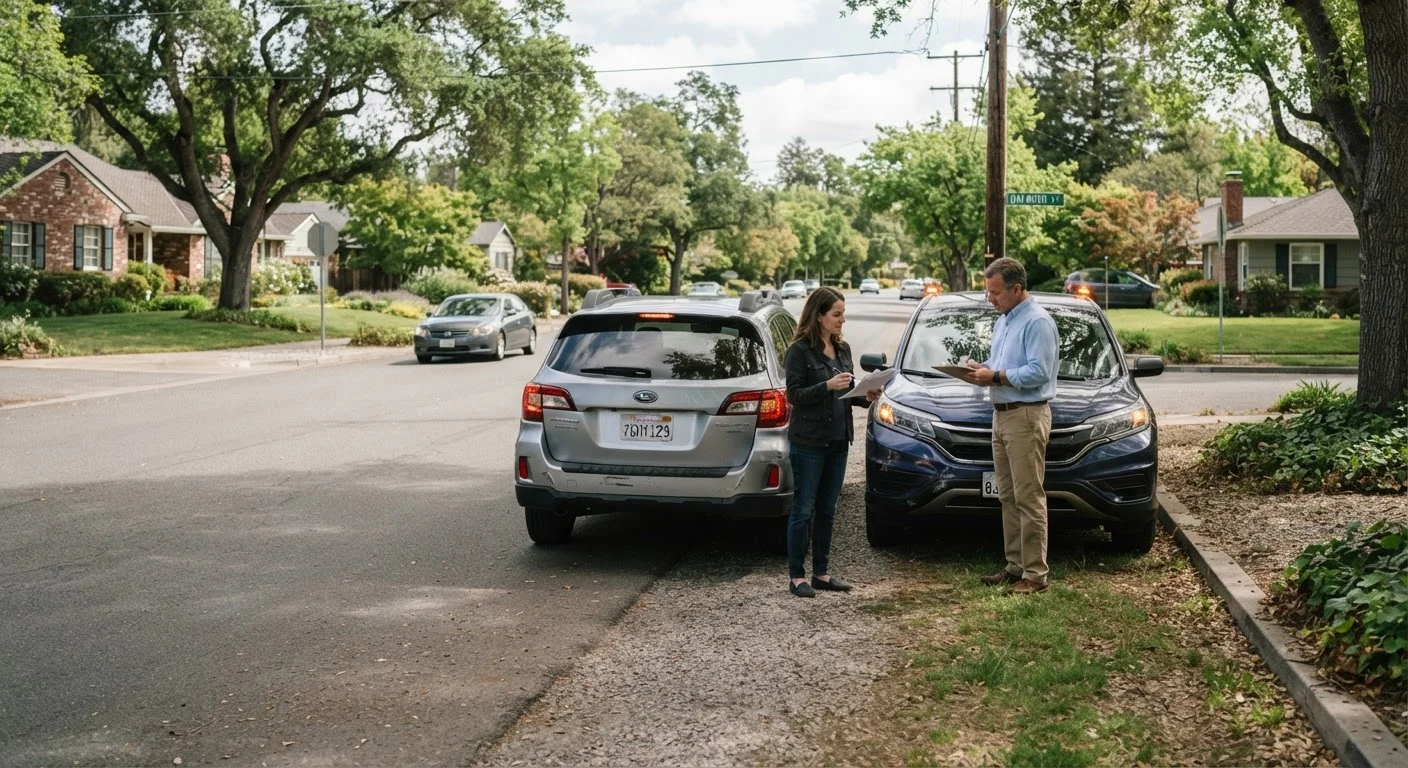
- Know what to do after an accident - staying calm, moving to safety when possible, and exchanging information correctly matters; see what to do immediately after a car accident for a clear, step-by-step guide
For broader foundational safety knowledge, a new driver's complete introduction to road safety covers everything from reading the road to handling emergencies. Visit our Driving & Safety hub and Car Maintenance hub to continue building your knowledge as an owner.