Why Your First Actions Matter Most
The moments immediately following a car accident are disorienting, and it's easy to freeze or react poorly under stress. Yet what you do - and don't do - in those first few minutes can directly affect your physical safety, legal standing, and insurance claim. Understanding the correct sequence of actions before an accident happens means you'll be far better prepared to execute them when it counts.
Rear-end collisions, intersection crashes, and parking lot incidents each carry their own risks, but the post-accident protocol is largely the same. Being familiar with how collisions happen can also help you recognize the hazards you've just been exposed to. The steps below walk you through exactly what to do, in order.
What you will need
Step-by-Step: Handling the Aftermath of a Collision
Follow these steps as closely as the situation allows. Safety always comes first - adjust based on your specific circumstances and the severity of the crash.
Check for Safety and Move to a Secure Location
Your first priority is physical safety - yours and everyone else's. Turn on your hazard lights immediately. If the vehicles are drivable and it is safe to do so, move them out of active traffic lanes to the shoulder or a nearby parking lot. If you cannot move the car, stay inside with your seatbelt on and wait for emergency services.
Check for Injuries and Call 911
Ask everyone involved - including passengers - if they are hurt. Even if injuries seem minor, call 911. Some injuries, such as whiplash or internal trauma, may not be immediately apparent. Emergency dispatchers will send appropriate help and can advise you while you wait. Do not attempt to move anyone who may have a neck or spinal injury unless there is immediate danger, such as fire.
Exchange Information with the Other Driver
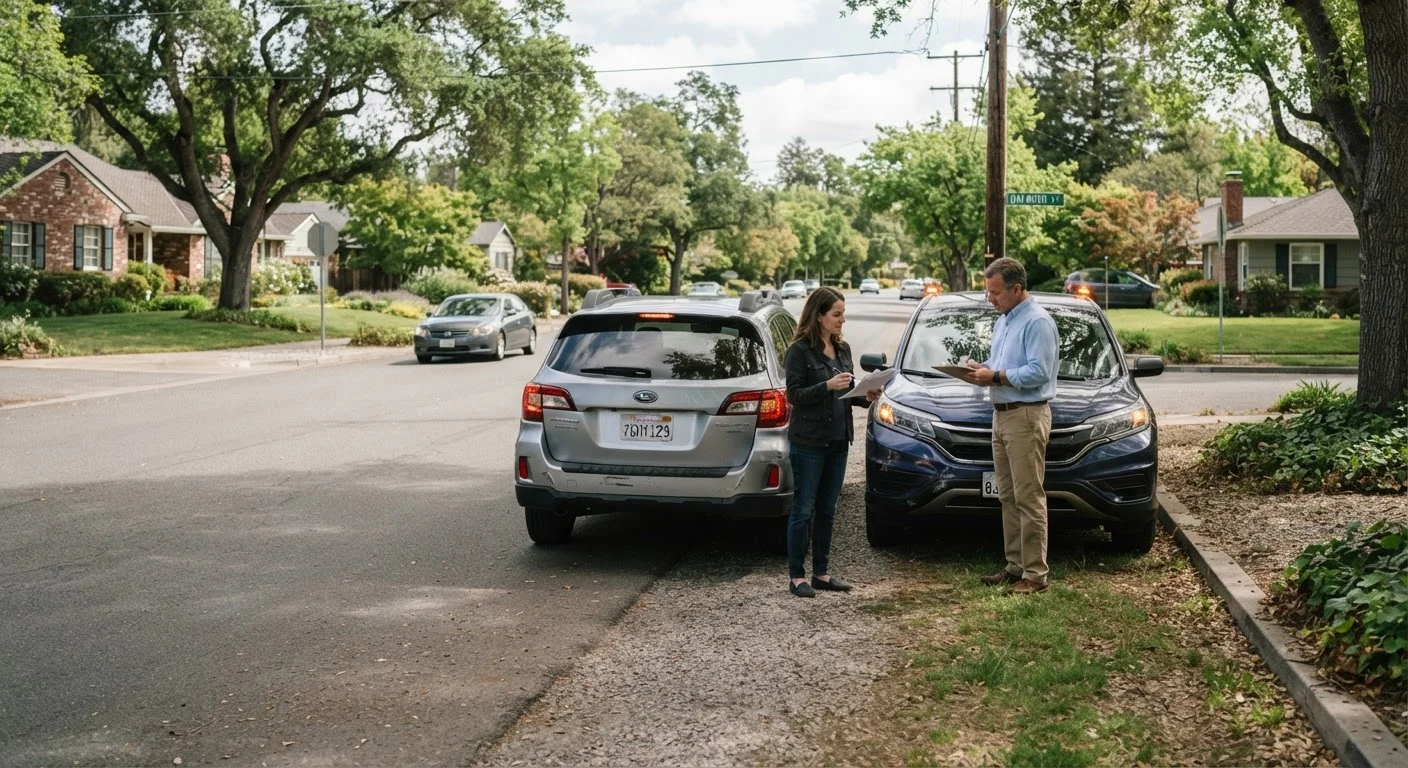
Once everyone is safe, collect the following from each driver involved:
- Full legal name and contact information
- Driver's license number and issuing state
- License plate number and vehicle VIN (found on the dashboard)
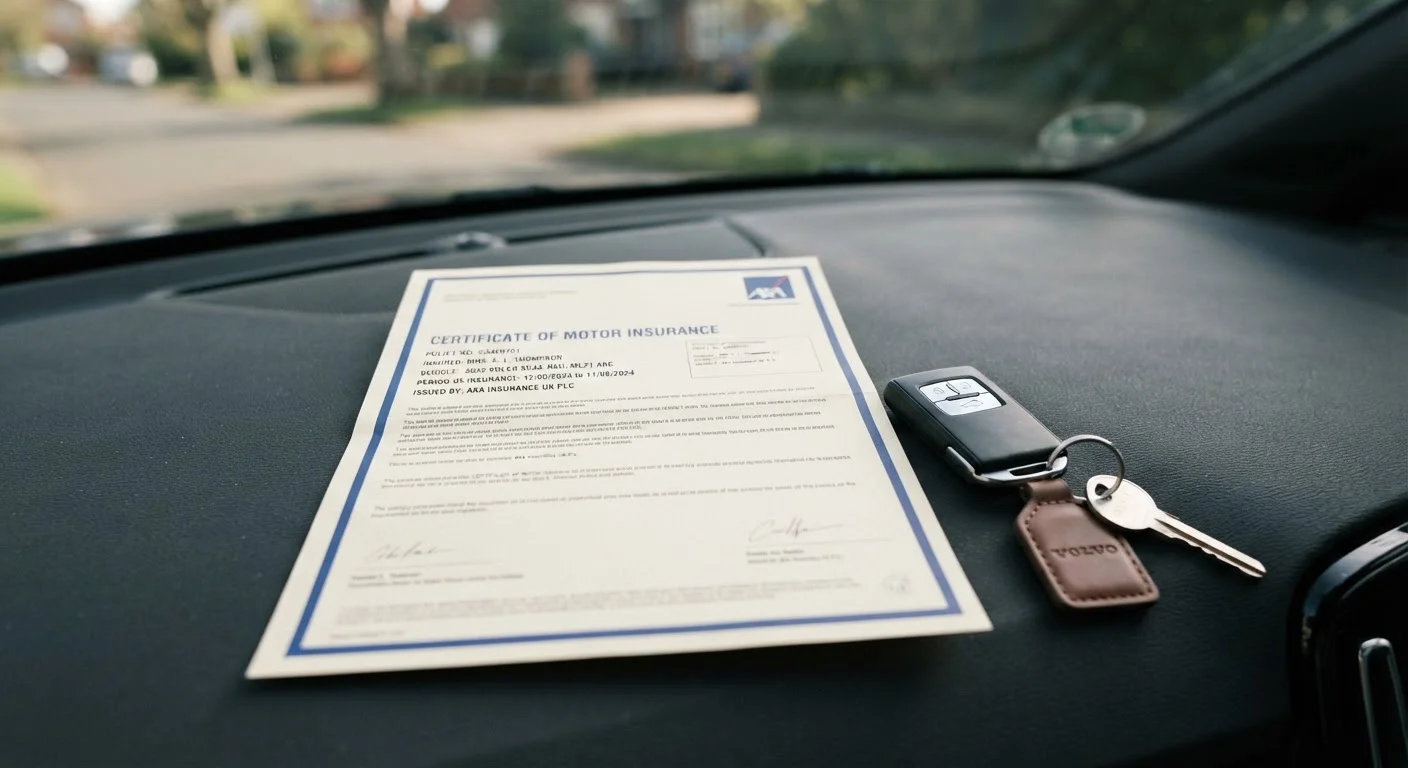
- Insurance company name and policy number
Also collect contact information from any witnesses present at the scene.
Document the Scene
Before vehicles are moved (if it's safe to stay), take thorough photographs. Capture all vehicles from multiple angles, visible damage close-up, road conditions, signage, skid marks, and the overall scene. Note the time, weather, and road conditions in writing or in a voice memo. This documentation supports your insurance claim and any legal proceedings.
File a Police Report
Request that law enforcement respond to the scene, even for a minor accident. A police report creates an official, third-party record of the event, which is often required by insurers and can be critical in disputed claims. If officers don't respond, visit your local police station or use your department's online reporting portal to file a report yourself. Many states also require you to file a report directly with the DMV if damage exceeds a certain dollar threshold.
Do Not Admit Fault at the Scene
Even if you believe you may have contributed to the accident, do not say so at the scene. Fault determination is a legal and insurance process that considers many factors - some of which may not be visible or known immediately. Stick to factual statements when speaking with the other driver, witnesses, and police. Expressions like "I'm so sorry" can be interpreted as an admission of liability.
Documentation, Insurance, and What Comes Next
Once the immediate scene is under control, your focus shifts to documentation and notification. Contact your insurance company as soon as reasonably possible - most policies require prompt reporting, and delays can complicate claims. When you call, stick to the facts: time, location, what happened, and the other party's information. Avoid speculating about fault.
Understanding your coverage is essential at this stage. If you're uncertain what your policy covers, reviewing the differences between liability, collision, and comprehensive coverage will help you know what to expect from your insurer.
Keep a Post-Accident Checklist in Your Glove Box
Printing a simple checklist and storing it with your insurance card gives you a reliable reference when stress makes it hard to think clearly. Include emergency numbers, your insurer's claims line, and the six steps outlined in this guide. Preparation before an accident is just as valuable as knowing what to do during one - see our pre-trip safety checklist for more proactive driving habits.
If you're a newer driver, post-accident procedures may feel overwhelming. Resources like our guide for first-time car owners can help you build a broader understanding of what vehicle ownership involves - including how to handle unexpected situations like this one.
This article is for general informational purposes only. It does not constitute legal or insurance advice. Always consult a qualified attorney or licensed insurance professional regarding your specific situation.