Understanding the Rules of the Road
Every driver starts in the same place: learning to translate the rules of the road into instinct. Traffic laws aren't arbitrary - they're the shared language that keeps thousands of drivers from colliding. Speed limits define safe operating speeds for a given road design. Right-of-way rules establish who proceeds and who waits. Traffic signals and signs communicate critical information in a fraction of a second.
New drivers should pay particular attention to intersections, which account for a disproportionate share of crashes. Understanding when to yield, how four-way stops work, and what flashing yellow or red lights mean are skills that need to be solid before driving solo. When in doubt at an intersection, yield - patience is never the wrong call.
Right-of-way
The legal entitlement of a driver, cyclist, or pedestrian to proceed first in a given traffic situation. Rules vary by intersection type and signage.
Following distance
The space maintained between your vehicle and the one ahead, typically measured in time (seconds) rather than car lengths.
Hydroplaning
When a layer of water builds up between your tires and the road surface, causing the vehicle to lose traction and feel like it's floating or sliding.
Blind spot
Areas around your vehicle that cannot be seen in your mirrors. Every car has them, typically on the rear sides, and checking them requires a shoulder glance.
Defensive driving
A driving approach focused on anticipating hazards and the actions of other road users, rather than simply reacting to them.
Core Safe Driving Habits
Safe driving isn't a single action - it's a collection of habits performed consistently. The most important ones to build early include:
- Following distance: Maintain at least a three-second gap between your car and the vehicle ahead. In poor weather or heavy traffic, increase that buffer.
- Scanning ahead: Keep your eyes moving - check mirrors every five to eight seconds and scan well beyond the car directly in front of you.
- Eliminating distractions: Phone use is one of the leading contributors to crashes among new drivers. Set your phone to silent or use built-in Do Not Disturb driving modes before you put the car in gear.
- Speed management: Drive at a speed appropriate for conditions, not just the posted limit. Rain, fog, construction zones, and heavy pedestrian areas all call for reduced speed.
For guidance on what to check before any trip, see our pre-trip safety checklist.
Set Up Before You Start Moving
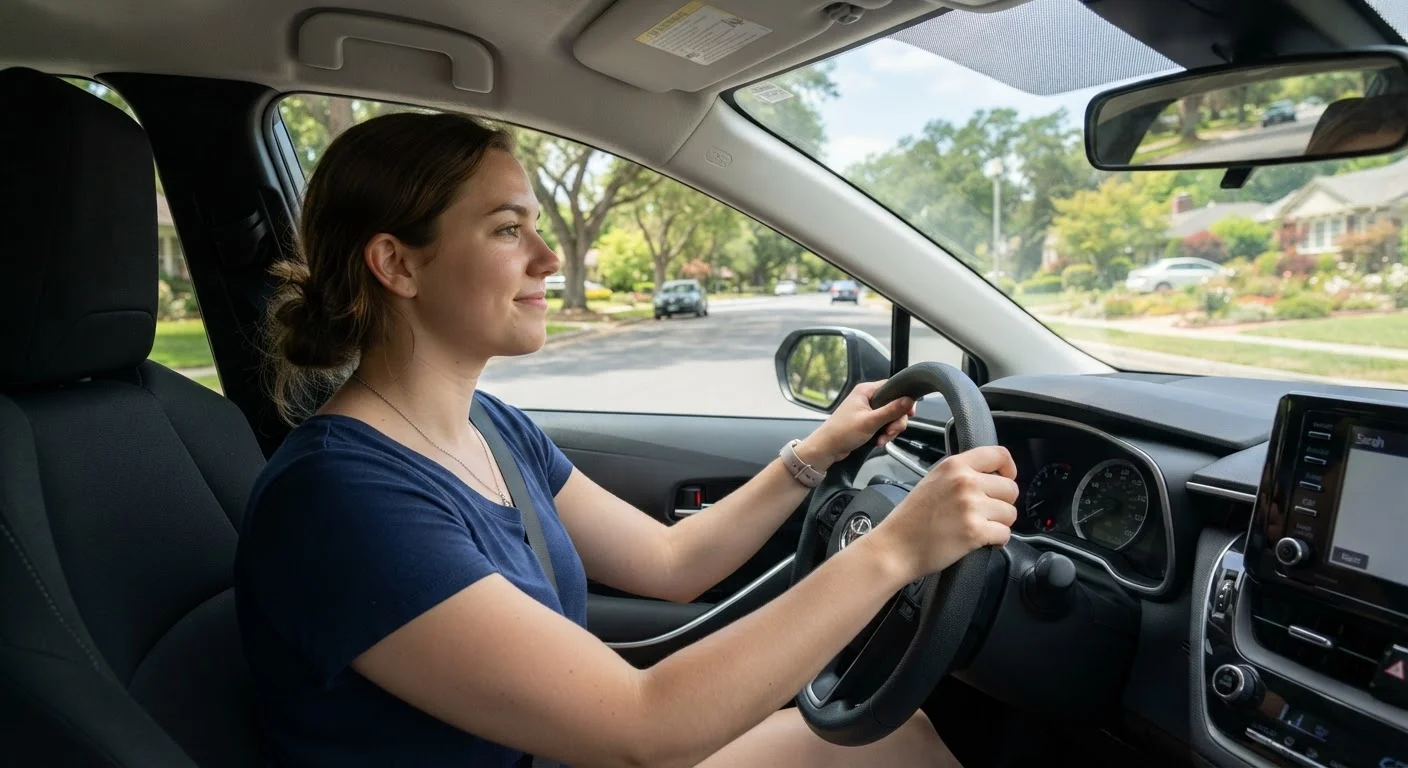
Adjust your seat, mirrors, and steering wheel before you start the engine - not while moving. Program your navigation and connect your phone to Bluetooth while still parked. A few seconds of preparation before departure removes the temptation to fidget once you're on the road.
Reading Traffic and Sharing the Road
Roads are shared spaces used by cars, trucks, motorcycles, cyclists, and pedestrians. New drivers often focus narrowly on surrounding cars and miss other road users. Motorcycles and cyclists can occupy the same lanes as vehicles and are far more vulnerable in a collision - give them extra space and never assume they see you.
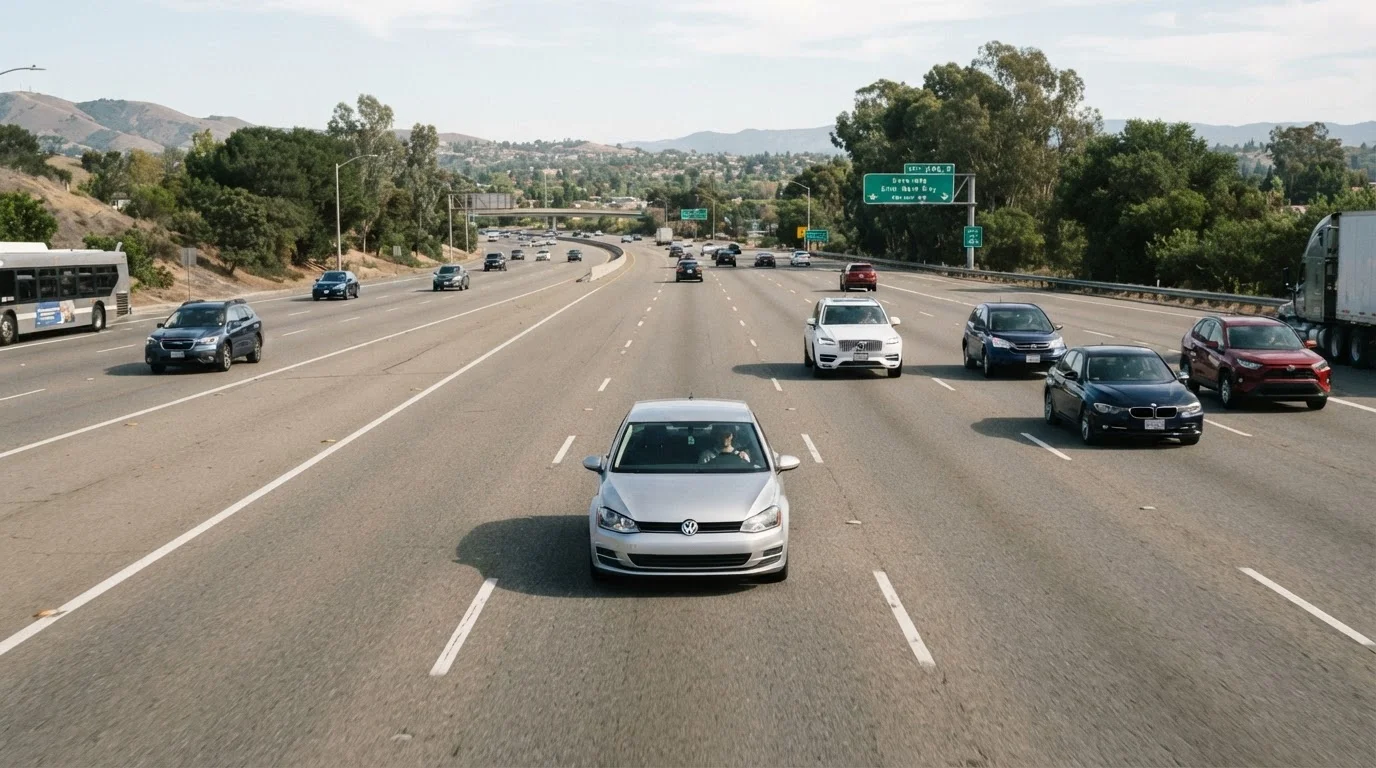
Merging onto highways is a common anxiety point for beginners. The key is to match the speed of highway traffic before entering the lane and to use your mirrors actively. Avoid stopping at the end of an on-ramp unless traffic makes it absolutely necessary.
Trucks have significantly longer stopping distances and large blind spots on all four sides. If you can't see a truck driver's mirrors, they can't see you. Avoid lingering alongside large vehicles and pass them decisively when it's safe to do so.
Learn more about how defensive driving principles apply to everyday traffic.
Handling Emergencies and Unexpected Situations
Knowing how to respond to an emergency before one happens makes a real difference. Panic causes hesitation and poor decisions - preparation counters both.
Tire blowout: Grip the wheel firmly, ease off the accelerator, and steer straight. Do not brake hard. Gradually slow down and move to the shoulder.
Brake failure: Pump the brake pedal rapidly. Downshift if driving a manual transmission. Use the parking brake gently to slow the vehicle. Alert other drivers with your horn.
Hydroplaning: Ease off the gas and steer gently in the direction you want to go. Avoid sudden braking, which can worsen the skid.
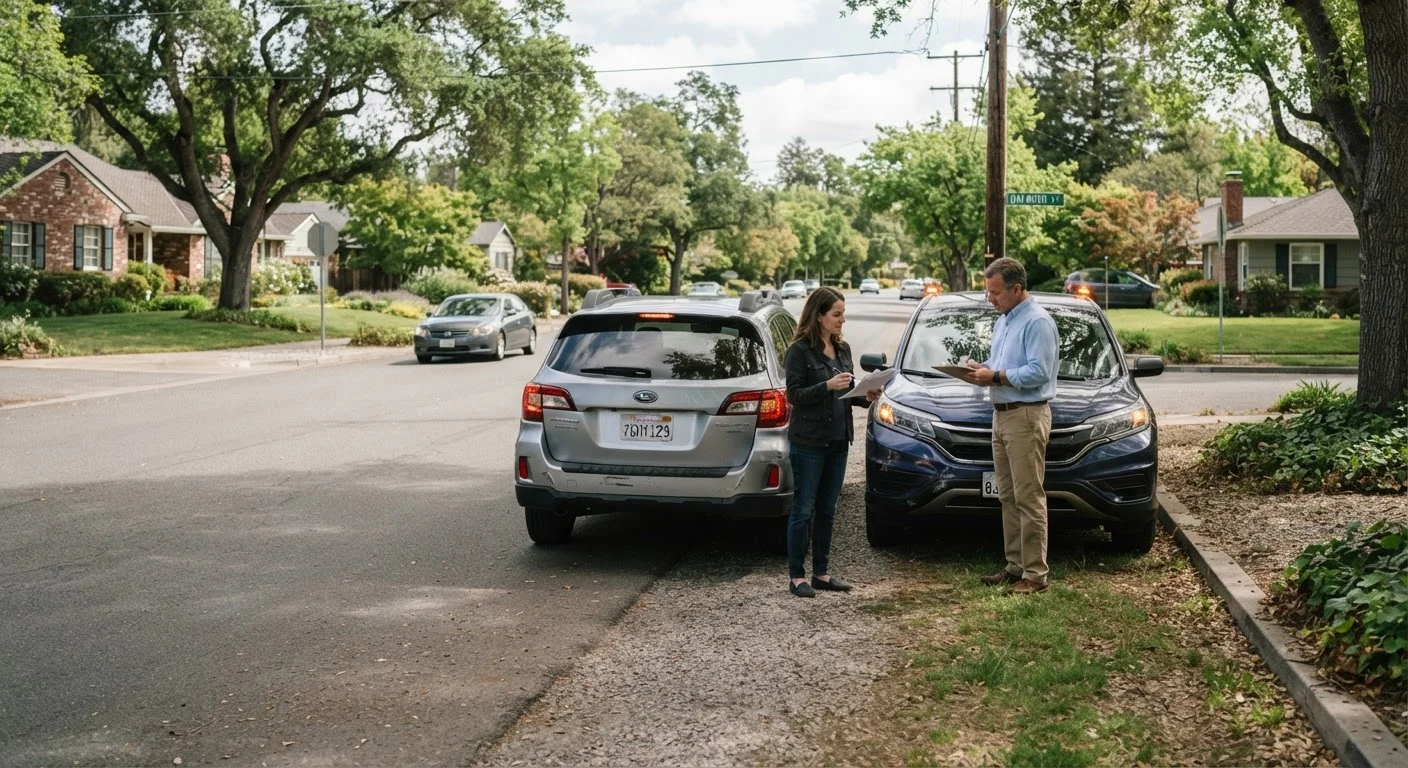
If you are involved in a collision, your first priority is safety - move out of traffic if possible, check for injuries, and call 911. Our guide on what to do immediately after an accident walks through each step clearly.
Before You Drive: Your Pre-Trip Routine
Building a short pre-trip habit takes less than two minutes and can prevent breakdowns and accidents. Before each drive, make it routine to:
- Check that all mirrors are properly adjusted to your seating position.
- Confirm your seatbelt is fastened and passengers are buckled.
- Glance at your dashboard for any warning lights.
- Ensure your windshield and windows are clear of obstructions.
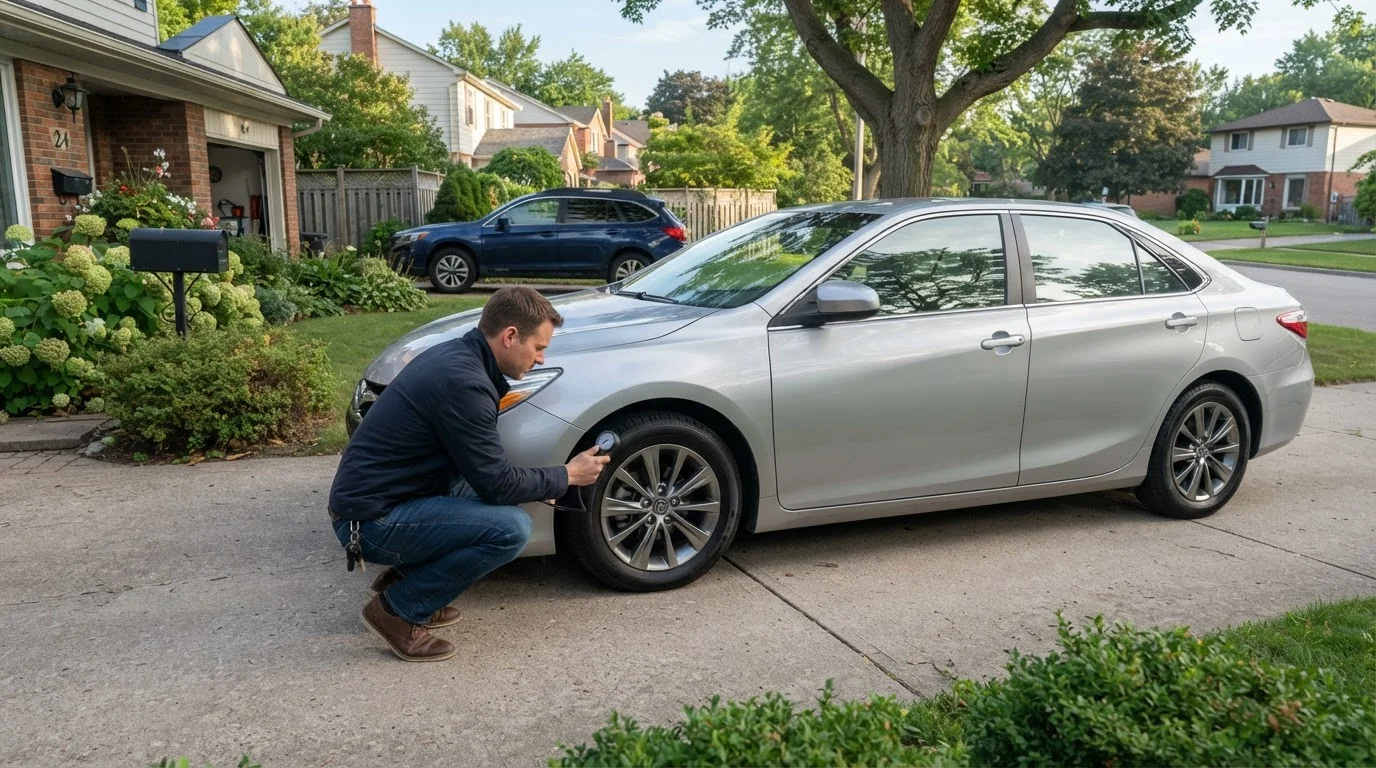
Periodically - at least once a month - check tire pressure, fluid levels, and that all exterior lights are functioning. These small checks are part of responsible car ownership and directly affect your safety on the road.
For a full breakdown of what responsible ownership looks like beyond day-to-day driving, explore our complete guide for new car owners and our practical maintenance primer.
This article provides general driving safety education for informational purposes only. Always consult your state's official driver's manual and applicable traffic laws for guidance specific to your location.