Why a Pre-Trip Check Is Worth the Habit
Most vehicle problems don't appear suddenly on the highway - they develop gradually and give early warning signs that a quick check can catch. A pre-trip inspection doesn't require mechanical expertise or special equipment. It's a disciplined habit of paying attention to what's already in front of you before you turn the key.
The National Highway Traffic Safety Administration (NHTSA) consistently identifies tire failures, lighting defects, and impaired visibility as contributing factors in crashes that are largely preventable. A structured check addresses all three in minutes. Whether you're driving across town or across state lines, the routine is the same.
This checklist covers the core categories every driver should verify. For deeper context on any one area - such as mirror positioning and blind spots or understanding dashboard warning lights - we've linked to more detailed resources throughout.
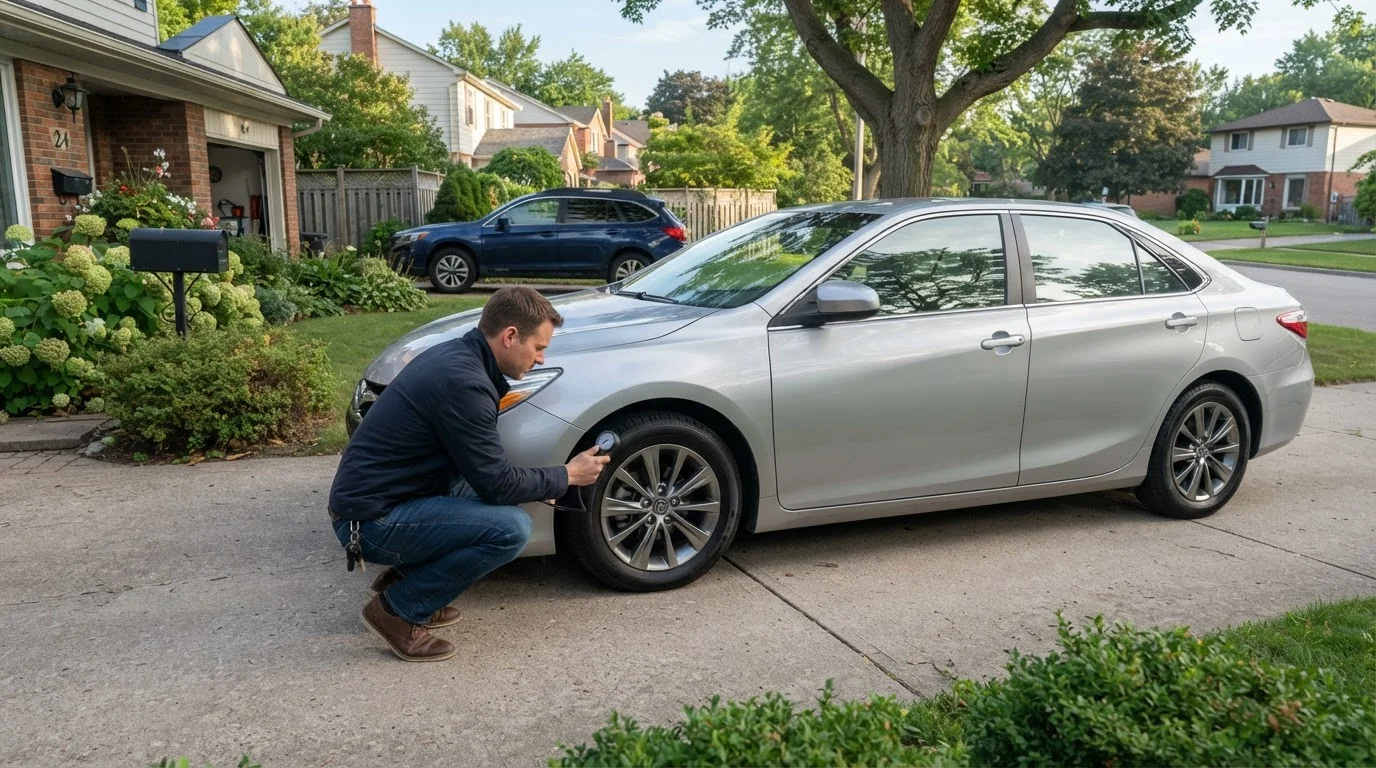
Tires
Lights and Signals
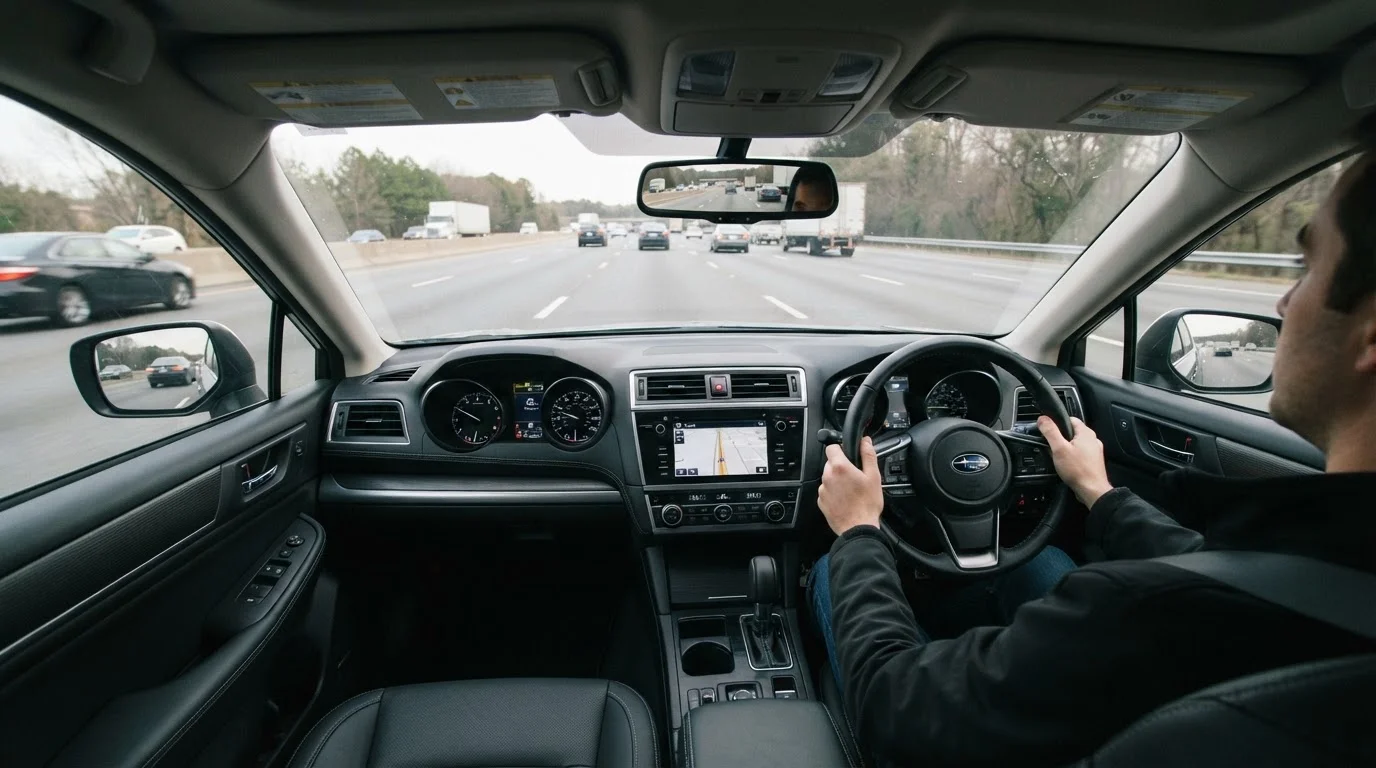
Visibility and Mirrors
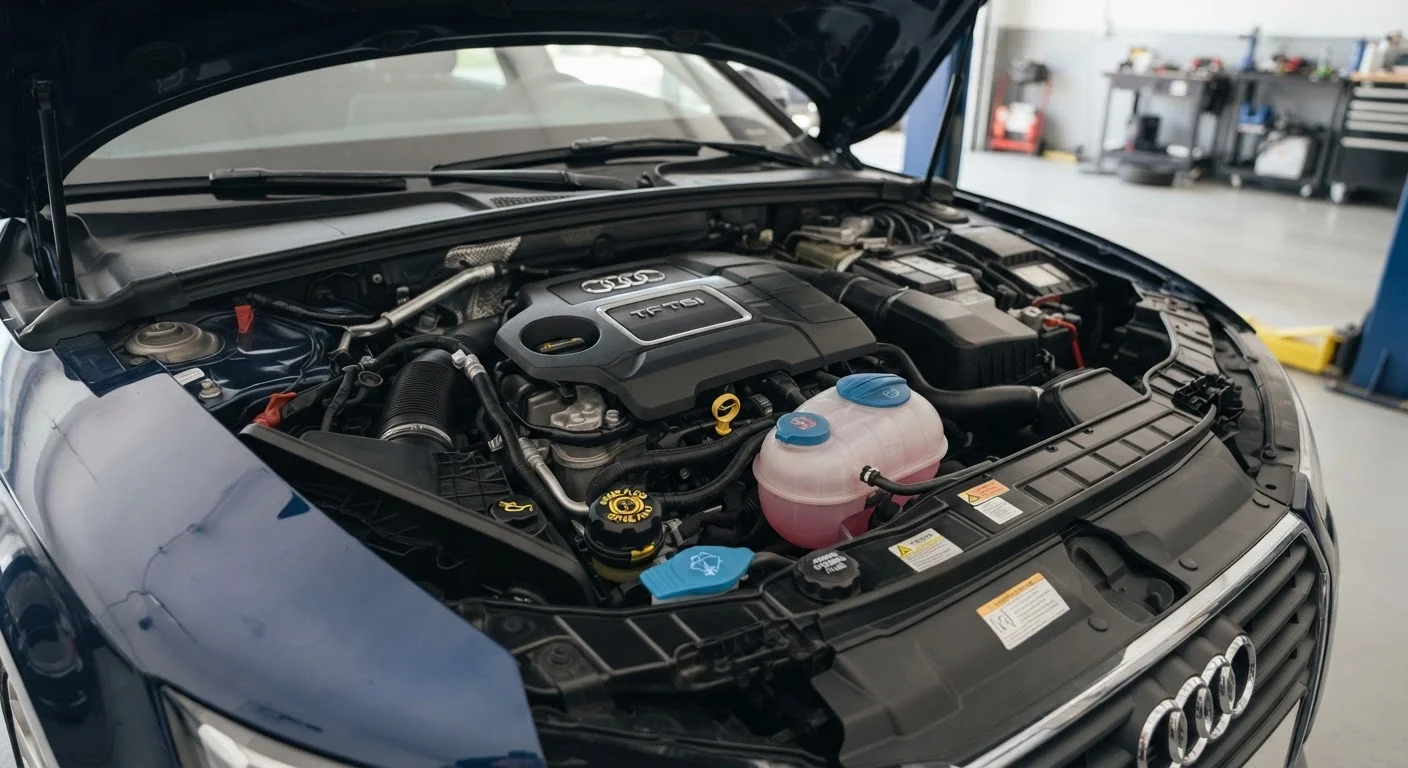
Wipers and Fluids
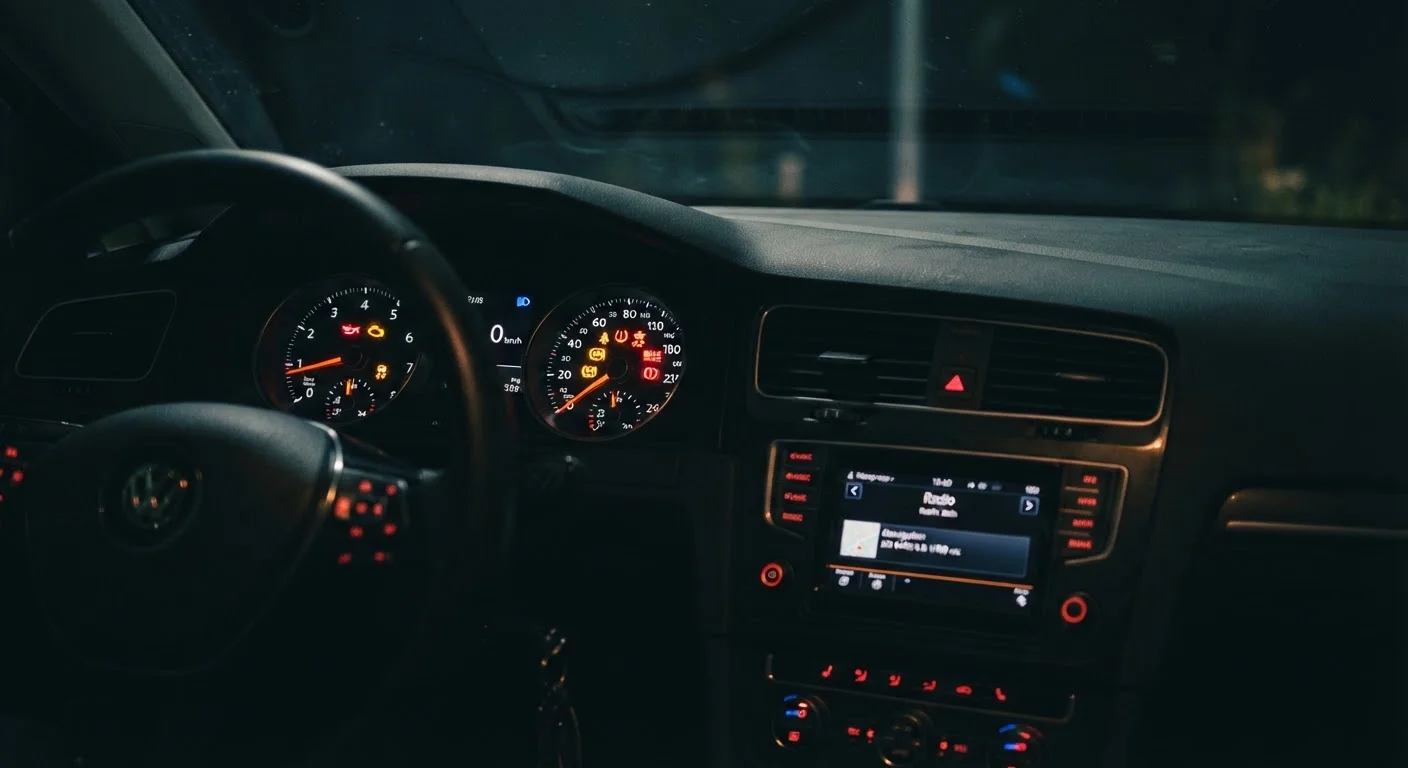
Instrument Panel and Controls
Exterior and Surroundings
Tools and Resources to Support Your Inspection
You don't need a full garage to run a thorough pre-trip check. A few inexpensive, widely available items make the process faster and more accurate. Keep them in your vehicle so the check is always within reach.
Tire Pressure Gauge
Measures tire PSI accurately so you can compare to the vehicle manufacturer's specification.
Penny or Tread Depth Gauge
Provides a quick check of tire tread depth to determine whether tires are approaching the legal minimum.
Flashlight or Headlamp
Illuminates brake lights, undercarriage, and dark engine bay areas during early morning or evening inspections.
Windshield Washer Fluid (spare bottle)
Allows you to top off the reservoir on the spot if you find it low during your check.
Clean Microfiber Cloth
Quickly clears smudges, condensation, or road film from mirrors and glass before departure.
If your inspection turns up fluid levels that are consistently low, it's worth reading our guide on checking and topping off your car's fluids to understand what each reservoir tells you about your vehicle's condition. Repeated low readings between fills can point to a leak that a qualified mechanic should assess.
Putting the Checklist Into Practice
The most effective pre-trip check is one you'll actually complete every time. Start with a physical walkaround of the exterior - tires, lights, and any visible leaks or damage - before you get in the vehicle. Then settle into the driver's seat and work through mirrors, controls, and the instrument panel before moving.
Conditions change the priorities. Before driving in rain, fog, or snow, wiper function and headlight aim deserve extra attention. Our guide on driving in hazardous weather conditions explains how visibility, traction, and stopping distances shift with each type of precipitation.
For drivers who travel with passengers, a pre-trip check also means verifying that everyone is properly secured. Cargo placement and child seat positioning are part of the safety picture - see passenger safety habits drivers often overlook for what's easy to miss. Build in a few seconds for this every time, not just on longer trips.
Seasonal changes call for a more thorough review beyond the daily checklist. Seasonal car care checks covering battery health, tire tread type, and fluid viscosity help ensure your vehicle is prepared for changing conditions before they arrive.
This article provides general vehicle safety information for educational purposes. For concerns about your specific vehicle's condition, consult a qualified mechanic or automotive professional.