Why Weather Changes the Rules of the Road
Clear, dry conditions are what most driving tests are designed around - but roads rarely stay that way. Rain, fog, and snow each alter the fundamental physics of driving: how quickly your vehicle stops, how well tires grip the road, and how far ahead you can actually see. Treating any of these conditions the same as a dry day is one of the most common - and dangerous - mistakes drivers make.
The good news is that the adjustments are learnable. Understanding how each type of weather affects your vehicle helps you respond with confidence rather than panic. See our complete road safety guide for foundational context if you're newer to driving.
Driving in Rain: Traction, Hydroplaning, and Visibility
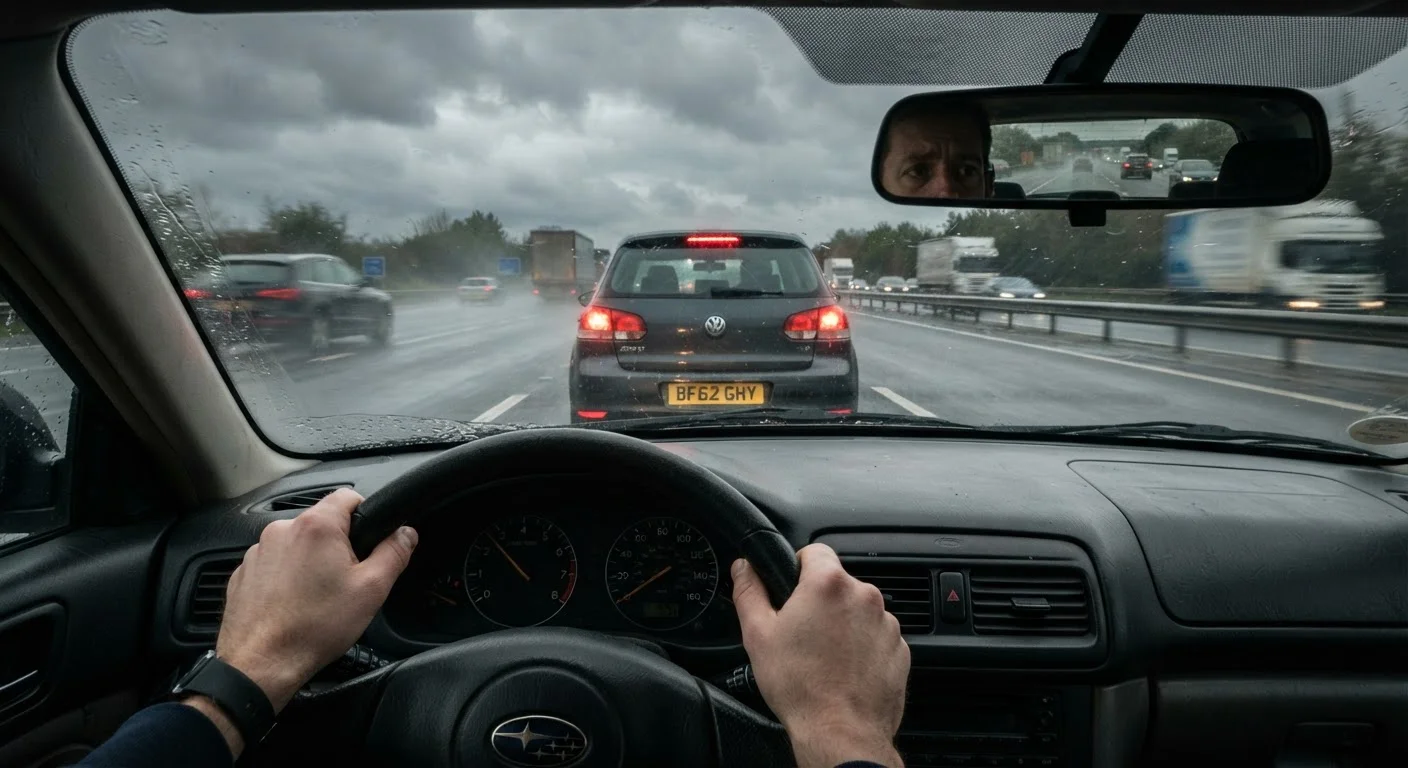
Rain creates two distinct hazards: reduced visibility and compromised traction. Water on the road surface lubricates the asphalt, reducing the friction your tires rely on. The first 15-30 minutes of rainfall are often the most treacherous, as water mixes with accumulated oil and road grime before washing it away.
Hydroplaning - when a thin layer of water lifts your tires off the road surface entirely - can happen at speeds as low as 35 mph on worn tires or standing water. If it occurs, ease off the accelerator gradually and steer straight until grip returns; do not brake sharply.
Activate your headlights whenever you use your wipers. In many U.S. states, this is legally required, and it helps other drivers see you as much as it helps you see the road. Review our pre-trip safety checklist to ensure your wipers and lights are in working order before bad weather arrives.
Navigating Fog: Visibility Is the Core Challenge
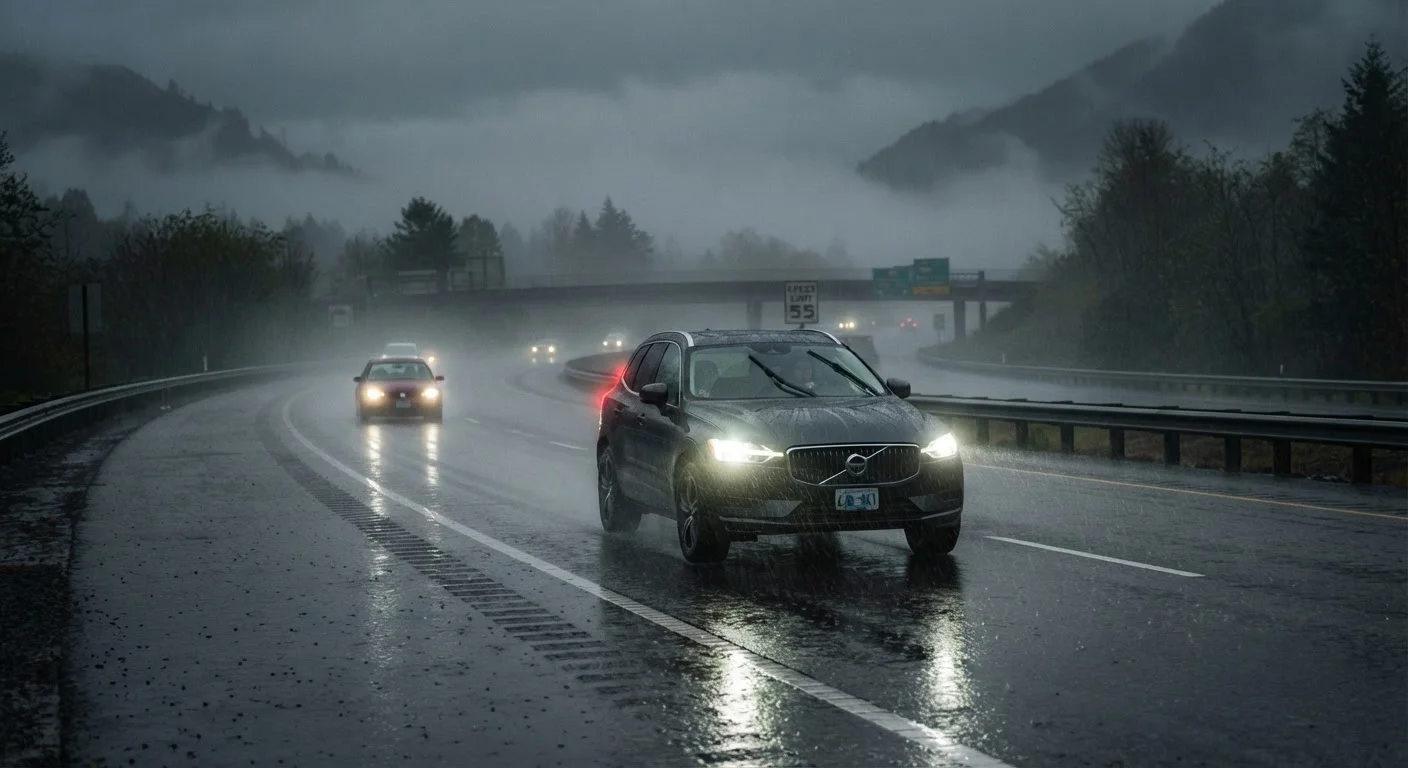
Fog is uniquely disorienting because it compresses your perception of speed and distance. A road that feels manageable at 55 mph in clear air may give you only two or three seconds of visible stopping distance in dense fog - well below what you need at that speed.
Use low-beam headlights, not high beams. High beams reflect off fog particles and reduce visibility rather than improving it. If your vehicle has dedicated fog lights, use them. Avoid using hazard flashers while moving, as they can confuse drivers behind you about your intentions.
The key discipline in fog is matching your speed to your sight distance. If you can only see 200 feet ahead, you should only be traveling at a speed that allows you to stop within 200 feet. On a foggy highway, pull off at a rest area or exit rather than stopping on the shoulder - stopped vehicles on the roadway are a major cause of fog-related crashes. This also connects to a broader principle: following too closely becomes far more deadly when visibility is limited.
Winter Driving: Ice, Snow, and the Limits of All-Season Tires
Snow and ice punish abrupt driving inputs more than any other condition. Sudden braking, sharp steering, or aggressive acceleration can break traction instantly. Every input - acceleration, braking, turning - should be smooth and deliberate.
In snowy conditions, increase your following distance significantly. The recommended following distance shifts dramatically when stopping distances can triple or quadruple on packed snow or ice. Eight to ten seconds of gap is not excessive in icy conditions.
All-season tires perform adequately in light snow, but dedicated winter tires - made from a softer rubber compound that stays pliable in cold - provide meaningfully better grip below about 45°F. If you drive regularly in snow country, this upgrade is worth understanding. Also be aware that bridges and overpasses freeze before road surfaces, as cold air circulates underneath them.
When to Pull Over - and When Not to Drive at All
One of the most important - and underrated - driving skills is recognizing when conditions exceed safe limits. If visibility drops below what you can comfortably manage, if roads are glazed with black ice, or if your vehicle is poorly equipped for the conditions, pulling over at a safe, well-lit location may be the right call.
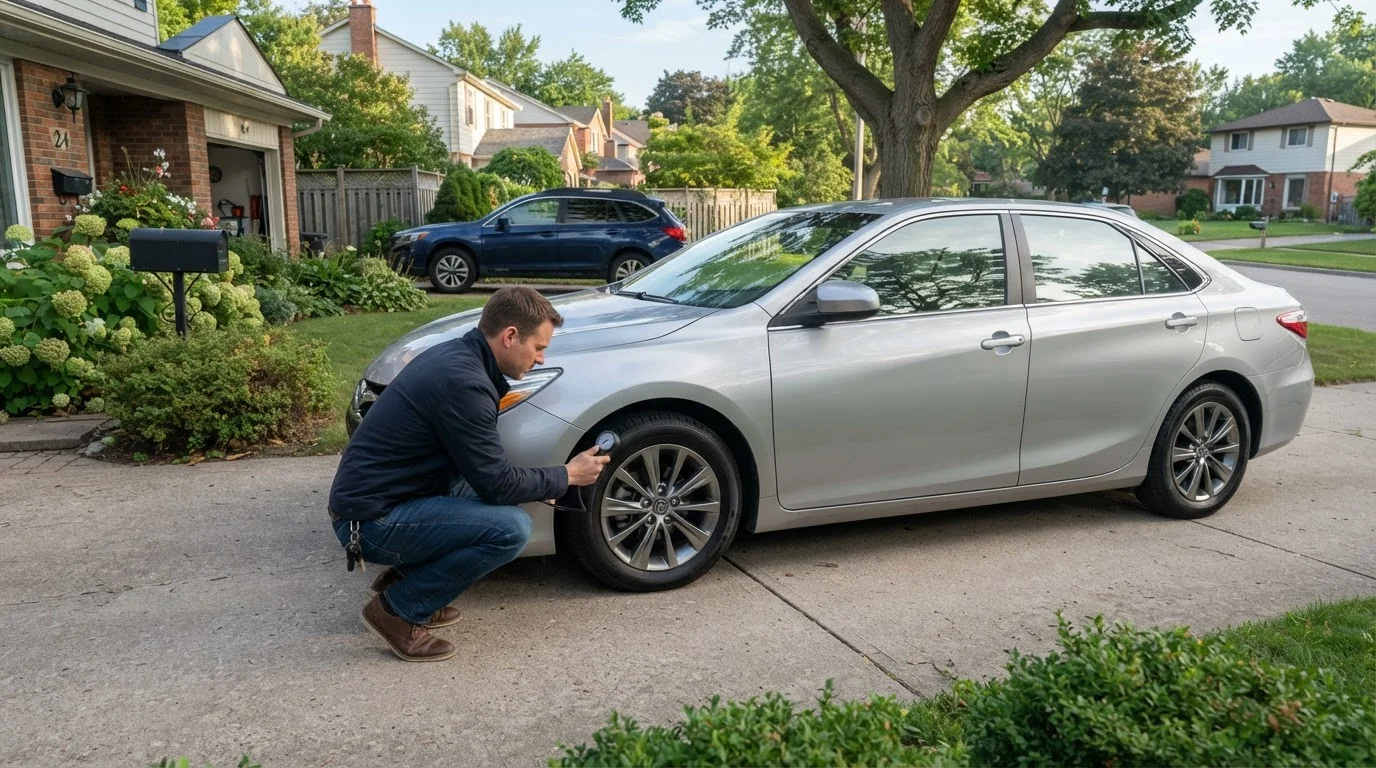
Before any trip in questionable weather, check road conditions through your state's department of transportation website or app. Many states offer real-time road condition maps and travel advisories. Confirm your vehicle is prepared: working wipers, properly inflated tires, functional defrosters, and topped-off washer fluid. The same disciplined mindset used for night driving applies equally here - when visibility and control are reduced, the margin for error shrinks.
This article is for general informational purposes only. Always follow your local traffic laws and adapt to specific road and weather conditions. Consult a qualified driving professional for personalized instruction.